Author and Editor: Gabriella Grace

Tokyo:
Funky Fact: Tokyo used to have a different name: Edo.
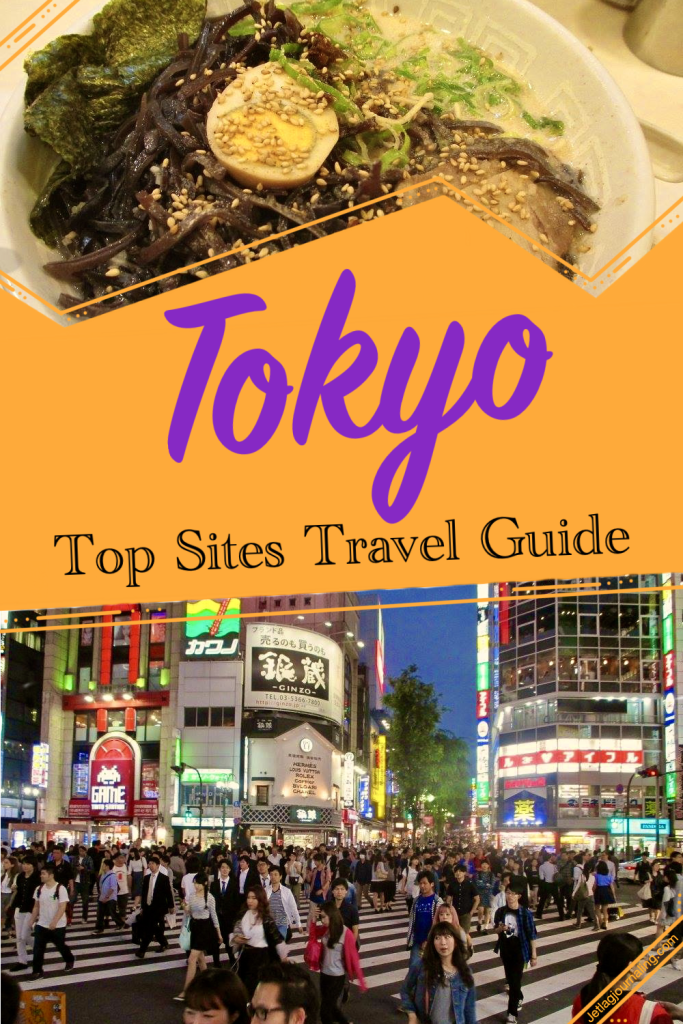
The top sites in Tokyo, Japan. The ultimate travel guide for culture, hidden gems, and secret sites.
1 Tokyo Tower (東京タワー)
2. Hello Kitty Construction Barricades (かわいい)
3. Sugidama Ball (酒林・杉玉)
4. Ema Tablets (絵馬)
5. Imperial Palace (Kōkyo or 皇居)
6. Tanuki Statue (good luck) raccoon dog (タヌキ)
7. Piss Alley (Shonben Yokocho) Shinuku Bars (思い出横丁)
8. Dango (団子)
9. Shide (紙垂, 四手)
10. Matsuri Street Food Matsuri (祭) Street Food (屋台)
11. Toyokawa Inari Betsuin (shinjitai: 豊川稲荷; kyūjitai: 豐川稲荷)
12. Mikoshi (神輿)
13. Ichigo, Mikan, Ringo Ame (リンゴ、イチゴ, みかんアメ)
14. Roppongi or Aoyama Cemetery (青山霊園, Aoyama reien)
15. Ramen (ラーメン)
16. Kabukicho (Red Light District, Kabukichō, 歌舞伎町)
17. Takoyaki Stall (たこ焼き or 蛸焼)
18. Peace Poll (ピースポール)
19. Sustainable architecture
20. Shibuya Crossing (渋谷スクランブル交差点, Shibuya sukuranburu kōsaten)
21. Rickshaws (人力車)
22. Paper Crane Wish (千羽鶴 Senbazuru)
23. 5 Gallons Bar
24. Benkei Fly Fishing Club (東京フライフィッシング&カントリークラブ)
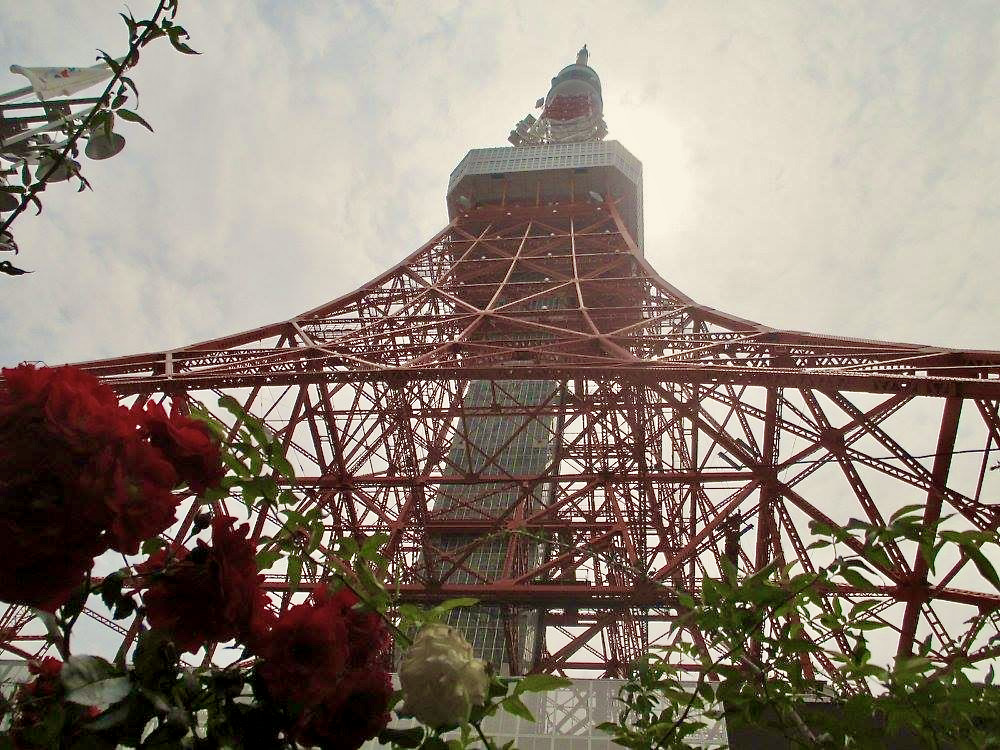
1. Tokyo Tower (東京タワー)
Piercing the sky in the center of town it the Tokyo Tower. This 1,092 feet tall red structure is an icon communications and observation tower on the Tokyo skyline. It is seen as a symbol of rebirth of the nation after the horrors of WWII.
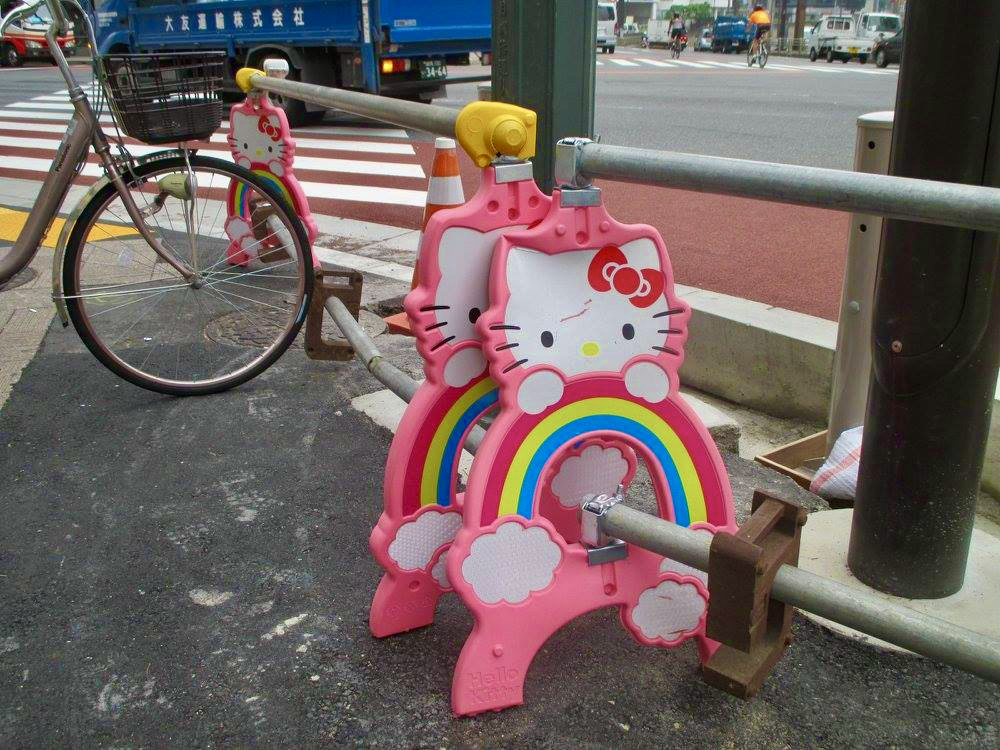
2. Hello Kitty Construction Barricades (かわいい)
Japan has a side to its culture called kawaii, that relishes in cuteness. This unusual example can be seen in the Shinjuk and provided functionality with cultural relevance. If there is a way to change an eyesore into an adorable site that makes people want to take a photo, this is it!

3. Sugidama Ball (酒林・杉玉)
Sugidama ball (sugi-dama) made from sprigs of Japanese Cedar. You will see these in the winter set up around Saki breweries. Its a symbol to Saki fans that next years batch is brewing. You can also see them near izakaya restaurants and sake stores.
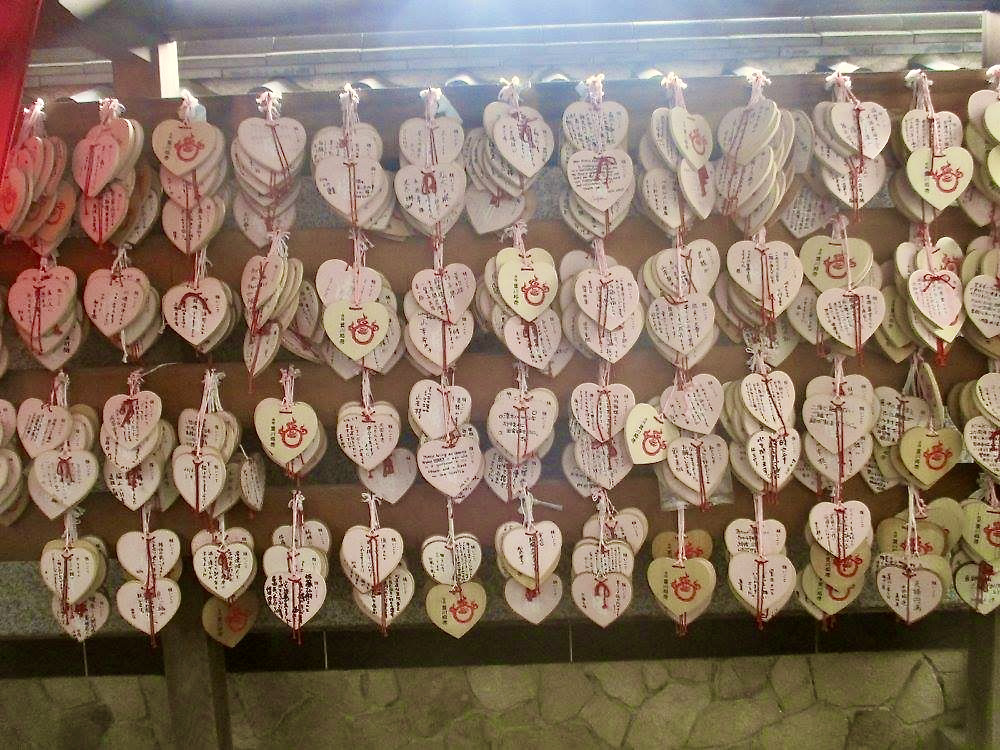
4. Ema Tablets (絵馬)
Ema are small wooden tablets used by worshippers to convey their prayers, desires or gratitude to the deities they worship. They are often seen at temples but the hundreds.
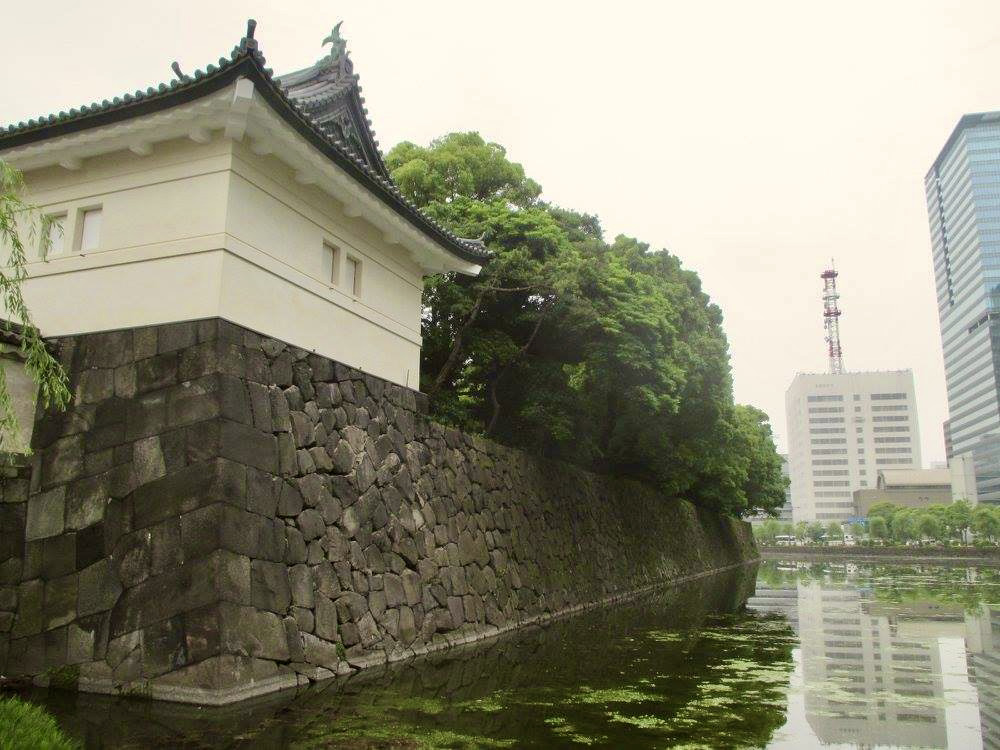
5. Imperial Palace (Kōkyo or 皇居)
This is the is one of the residence of Tokyo’s Imperial Family. Most of the grounds are open to the public as a large park area surrounded by moats and massive stone walls. Part of the complex is closed as its the Imperial private residence. Its been the site of continues reconstruction over the centuries, but has been here since 1437.

6. Tanuki Statue (タヌキ)
These can be seen around the city and are good luck statues. They portray a raccoon dog which is a real animal that lives in Asia. These are supernatural being in Japanes folklore, that can shape-shift. Its said that the animal has 8 special trait that make him lucky:
-A hat (to protect from weather)
-Large eyes (to watch the environment)
-Sake (representing virtue)
-A tail (provides balance and strength)
-An oversized scrotum (symbolizes financial luck)
-A promissory note (showing trust and confidence)
-A large belly (shows calm decisiveness; and
-A friendly smile
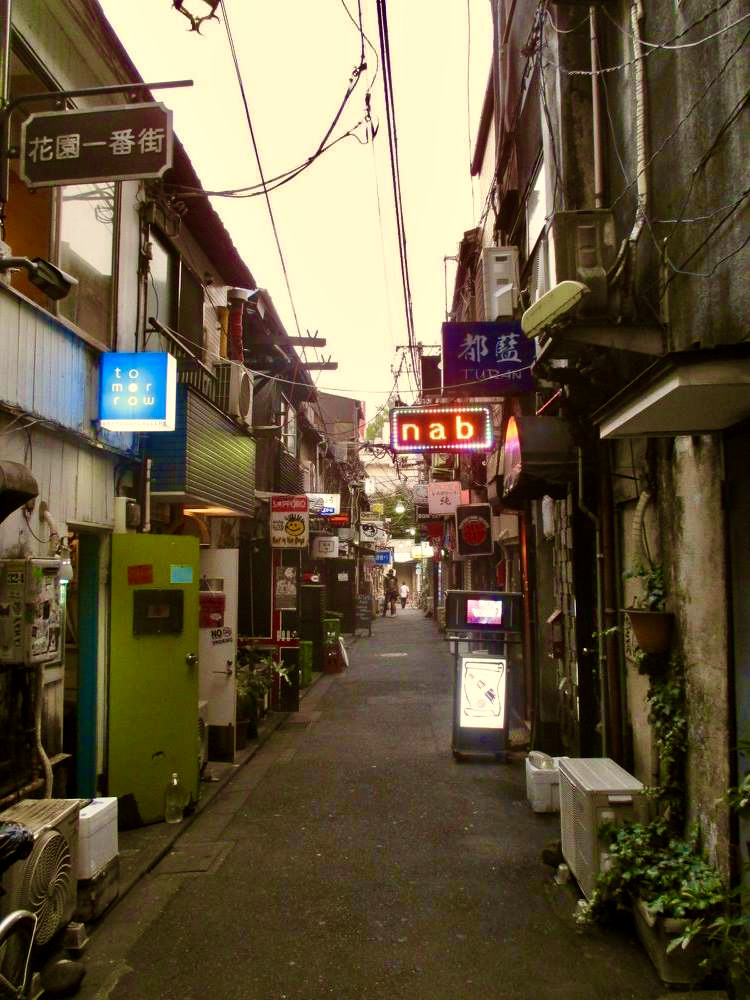
7. Piss Alley and Shinjuku Bars (思い出横丁)
This place has a few names known as Nonbei Yokocho, Drunkard’s Alley, Piss Alley, Omoide Yokocho, or Memory Lane. Its now a unique collection of mice bars, grill restaurants and street food stalls. When I say micro, I mean some bars are the size of a closet with space for only 4 patrons at a time. This was one of my favorite places to stroll and people watch in all of Tokyo, its chock full or quirky art and themed pubs that will have you entertained all night!
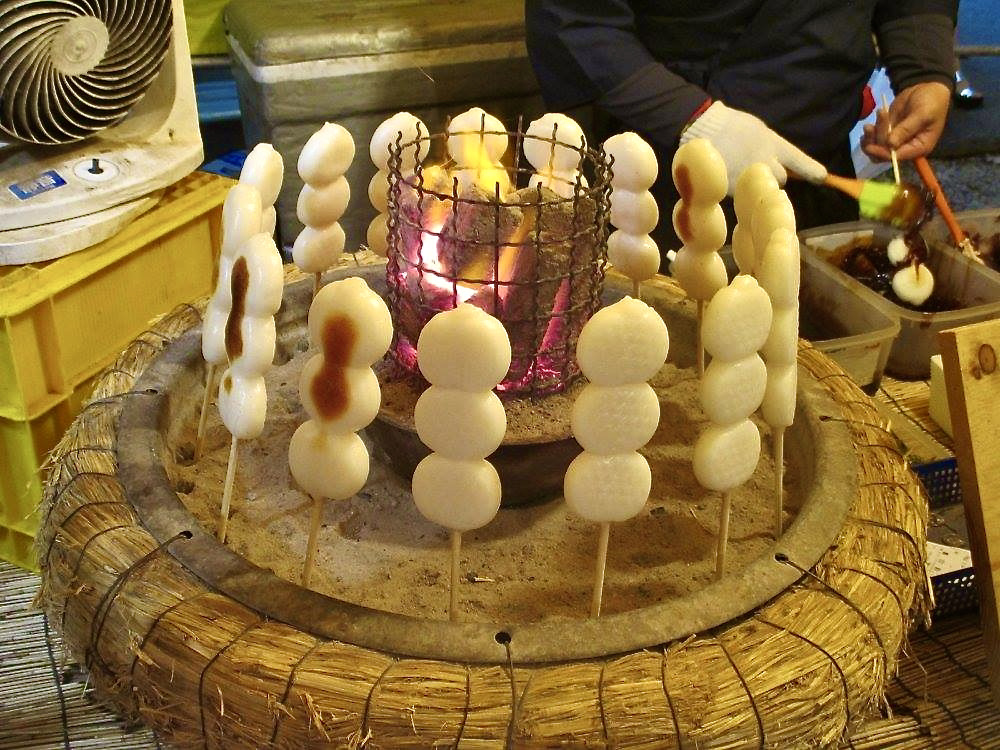
8. Dango (団子)
These fabulous round Japanese dumplings are lovingly crafted with rice flour and glutinous rice flour. It’s similar to mochi and usually served 3-5 together on a skewer. They are often sweet in flavor and sometimes served with a drizzle.
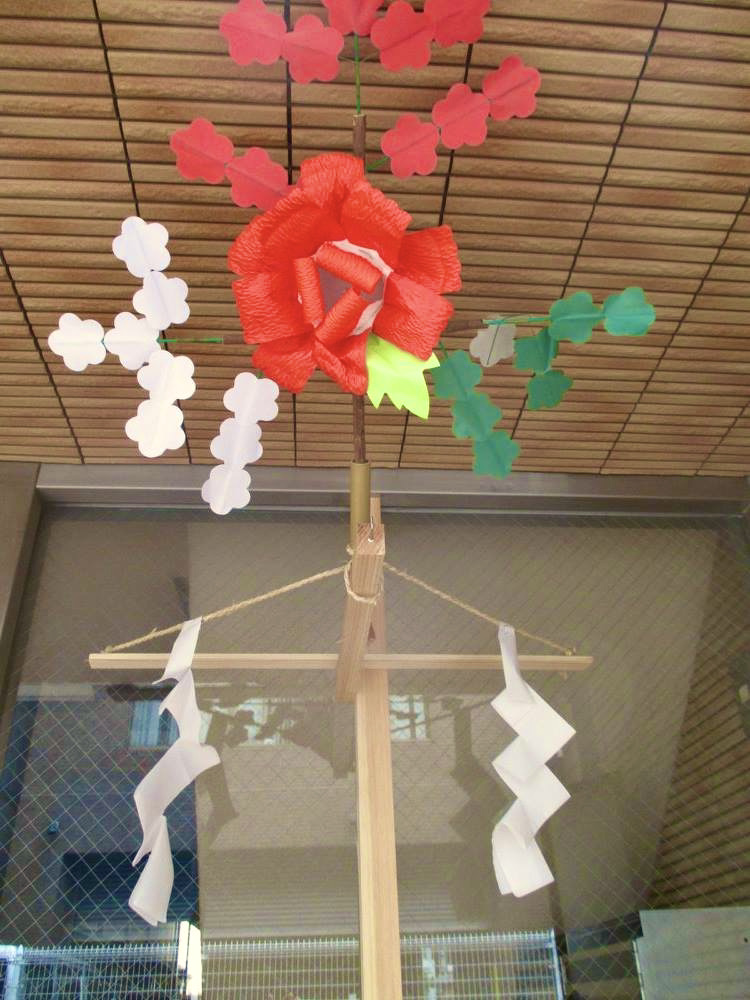
9. Shide (紙垂, 四手)
This is small unique detail that I saw around Tokyo. Its almost not noticeable but if your looking, you’ll see these zig-zag folded papers hung around the city. These little “lightning wands” are usually attached to a shrine to denote a public shrine or private alter.
10. Matsuri (祭) Street Food (屋台)
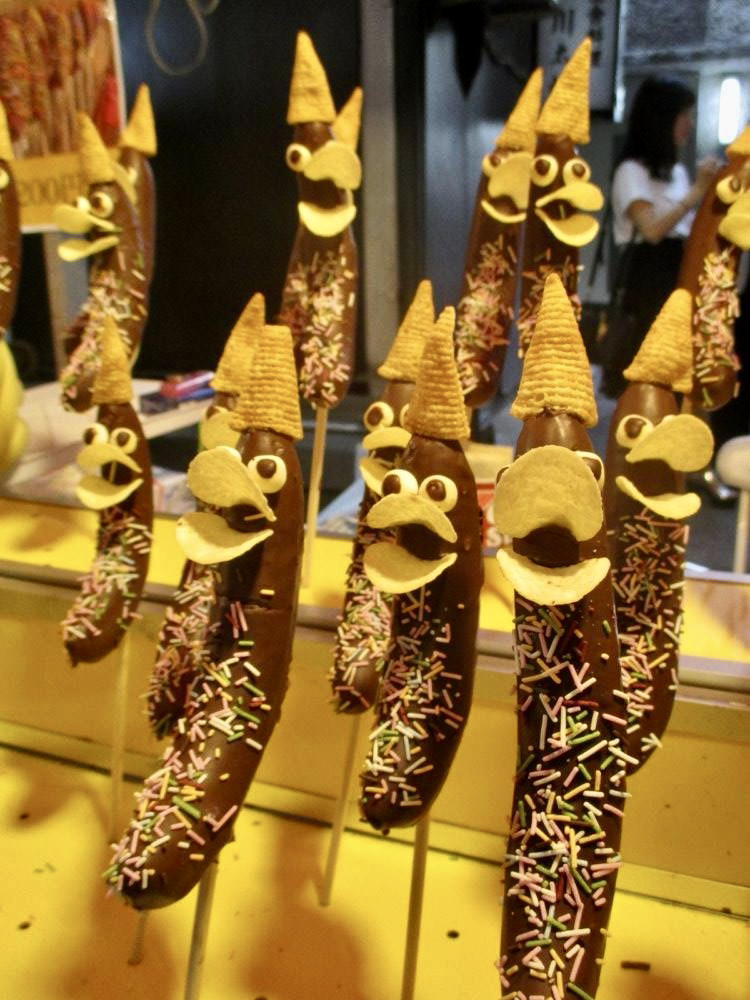
A Matruri’s are ceremonies or festivals that take place throughout the year. They are usually celebrated with an evening of celebration in the form of a Yatai or street food in a pop-up market. There are many traditional foods including: decorated chocolate dipped bananas, takoyaki, yakisoba, gilled meats, Ikayaki (grilled squid) and candies fruit.
11. Toyokawa Inari Betsuin (shinjitai: 豊川稲荷; kyūjitai: 豐川稲荷)
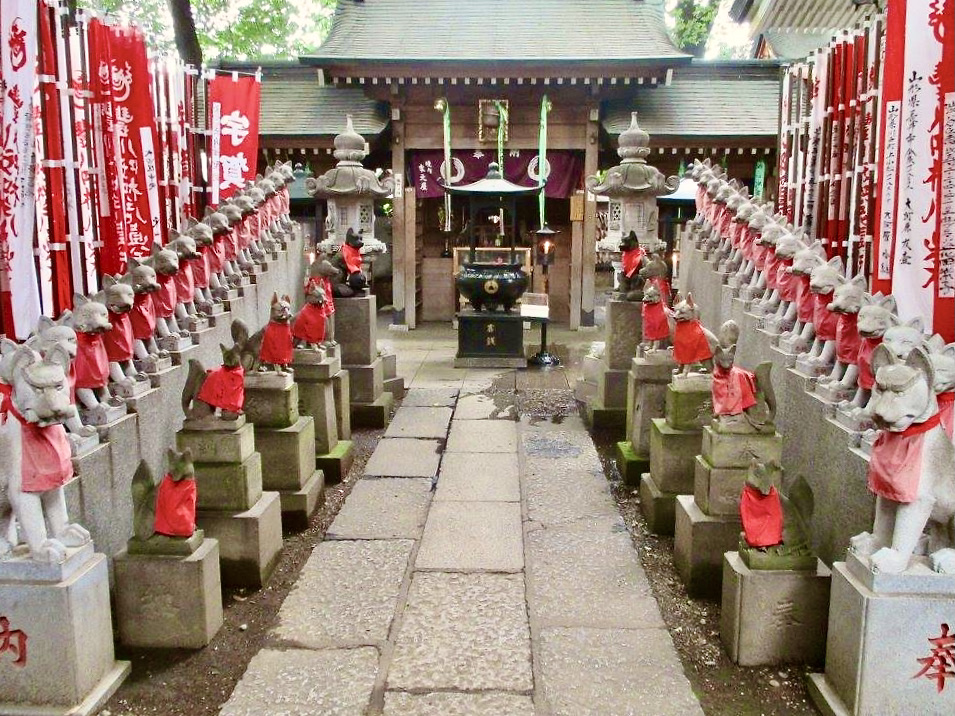
The stunning lantern filled shrine is famous for its hundreds of shinto fox deities. The Shinto Fox is a seen to have the ability to ward off evil, as well as protect and guard. Two foxes are often seen flanking red torii gates as guards.

12. Mikoshi (神輿)
In Tokyo, Japan patrons carry a Mikoshi from the shrine, around the neighborhood participating in shouldering the shrine during a festival. They wave it wildly from side to side to “amuse” the deity (kami) inside while chanting. Mikoshi outings occur during local city festivals and events and vary by time of year.

13. Ichigo, Mikan, Ringo Ame (リンゴ、イチゴ, みかんアメ)
These infamous sugar coated candies are fruit coated delights. It’s common to see glistening coated oranges, strawberries, cherries and apricots.
14. Roppongi or Aoyama Cemetery (青山霊園, Aoyama reien)
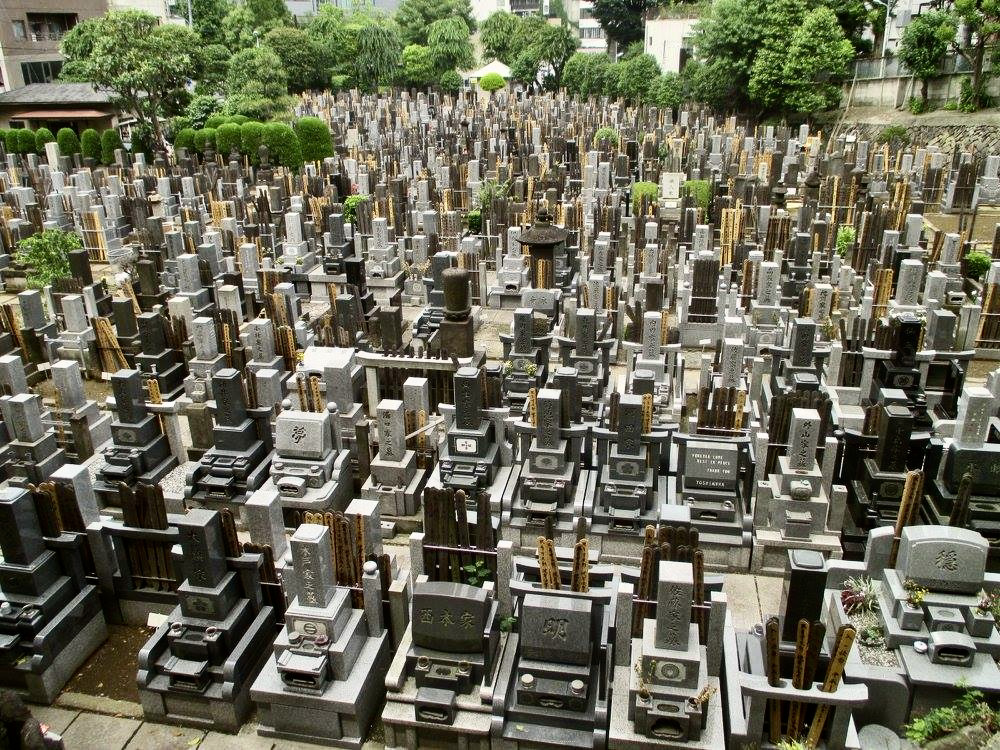
A suprising sight in the middles of the bust city remind you to slow down and enjoy your days. This Cemetery was established in 1874 and the the final resting place for thousands of departed loved ones.

15. Ramen (ラーメン)
Ramen and Soba bowls have a long history in Japan that connects to both world wars and the industrialization of a city needing quick delicious meals. In Tokyo, you should be trying one or two bowls daily. Bowls cost about 600-1,200 yen ($4-8 USD) each and can be order and served for a quick and efficient meal.
16. Kabukicho (Red Light District, Kabukichō, 歌舞伎町)
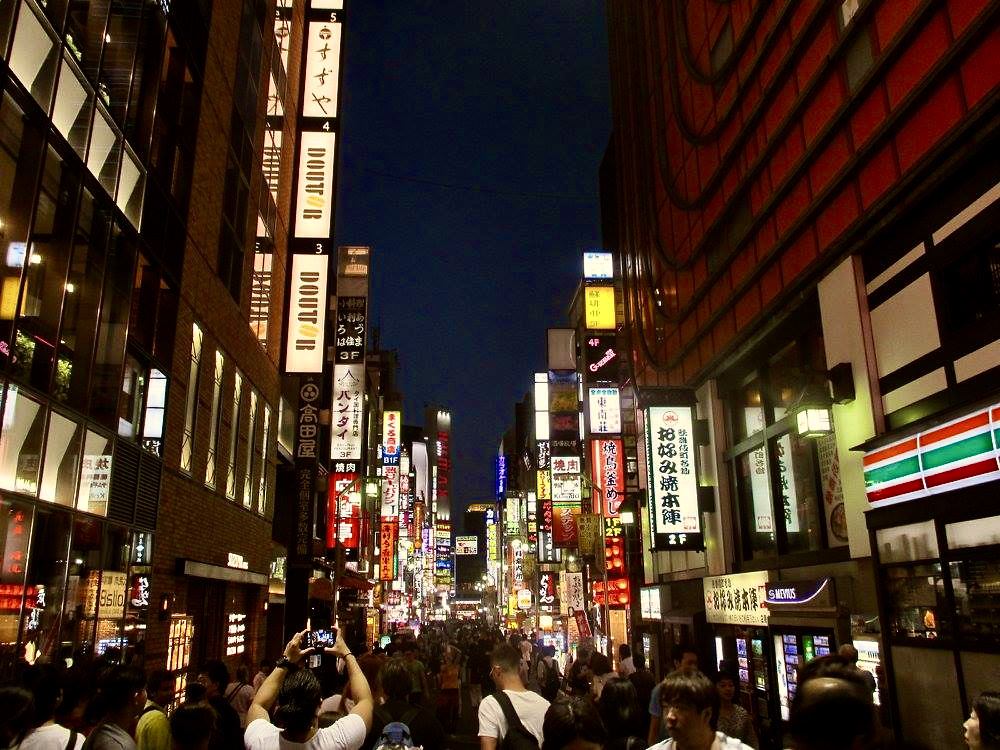
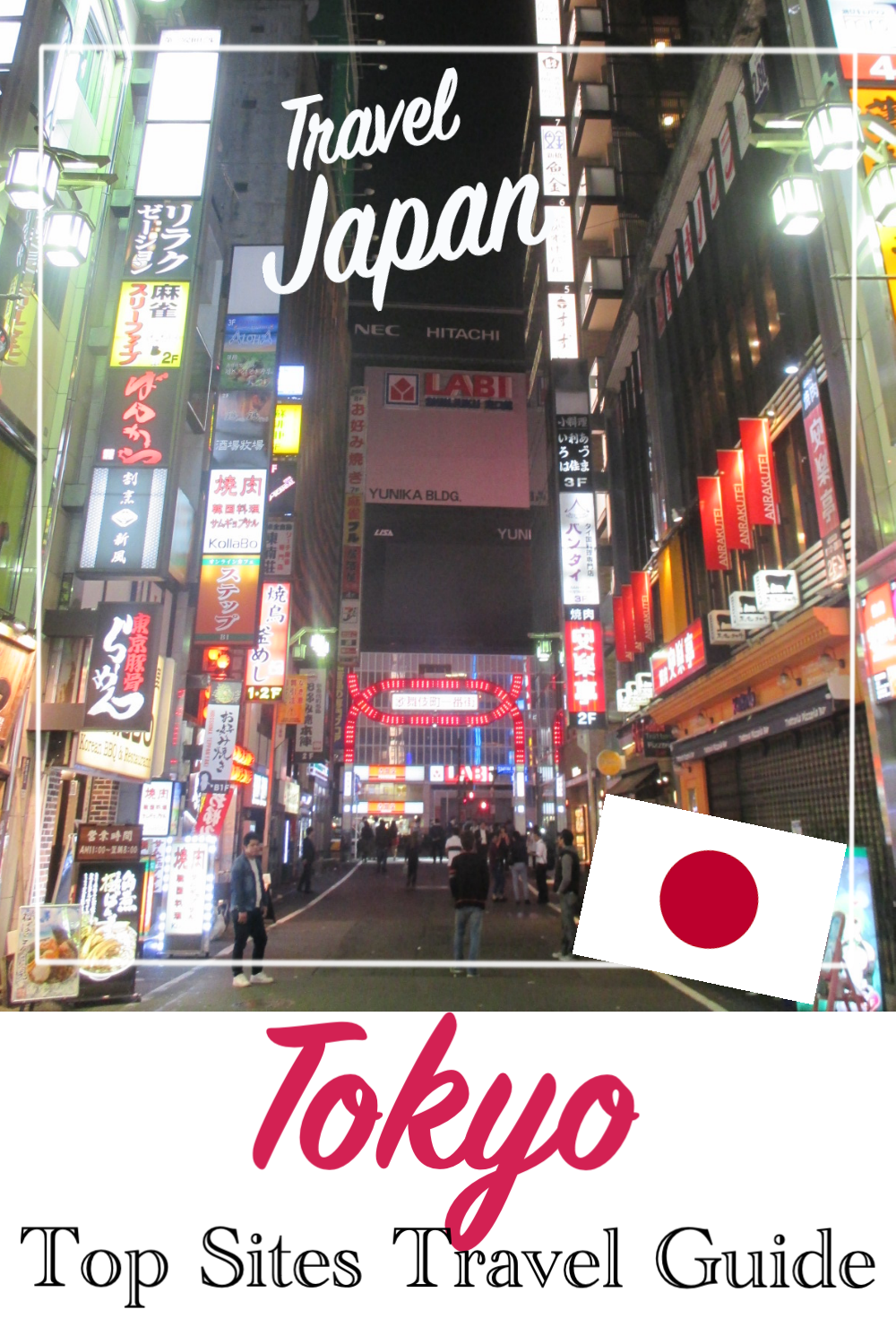
This busy district is family friendly by day and turns adults only after the sunsets. Its filled with shopping, restaurants, ever glowing neon signs, karaoke bars, dance clubs, strip-clubs, and private love hotels (In these institution prostitution sometimes occurs). Please Be Cautions of the allure of an overly friendly or pushy sales reps here, I have read they can target tourists and have been reports of drugging.

17. Takoyaki Stall (たこ焼き or 蛸焼)
These grilled octopus stands can be found flaunting their delicious fragrances all over the city in markets. They are offer grilled batter balls filled with a variety fish, octopus, ginger an topped with veggies and sauce.

18. Peace Poll (ピースポール)
These fantastic little monuments were a Japanese brainchild that grew to become a world wide symbol. They symbolize the hopes and dreams of the entire human family and usually have a few translations for the same sentiment: ‘May Peace Prevail On Earth.’ Their originate form a Japanese philosopher, Masahisa Goi, from the 1980s.
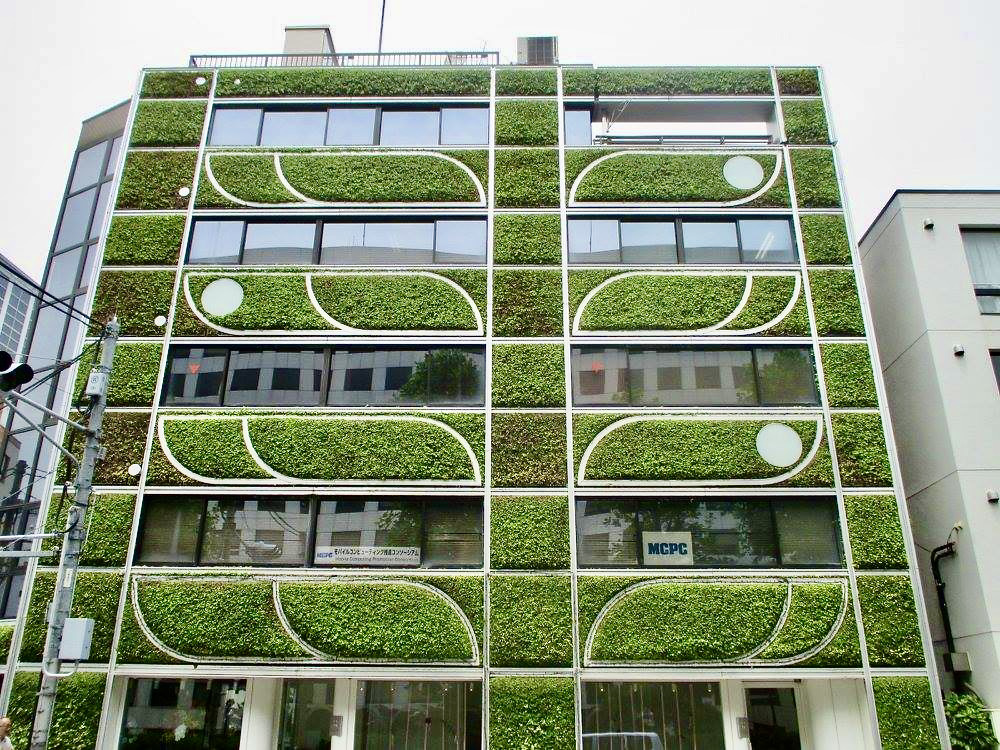
19. Hasegawa Green Building
Hasegawa Green Building is a great example of unusual and creative architecture found all over Japan. The building constructed in 2009 showcases Japanese ecological architecture. Its currently a headquarters for a tech company: モバイルコンピューティング推進コンソーシアム(MCPC).
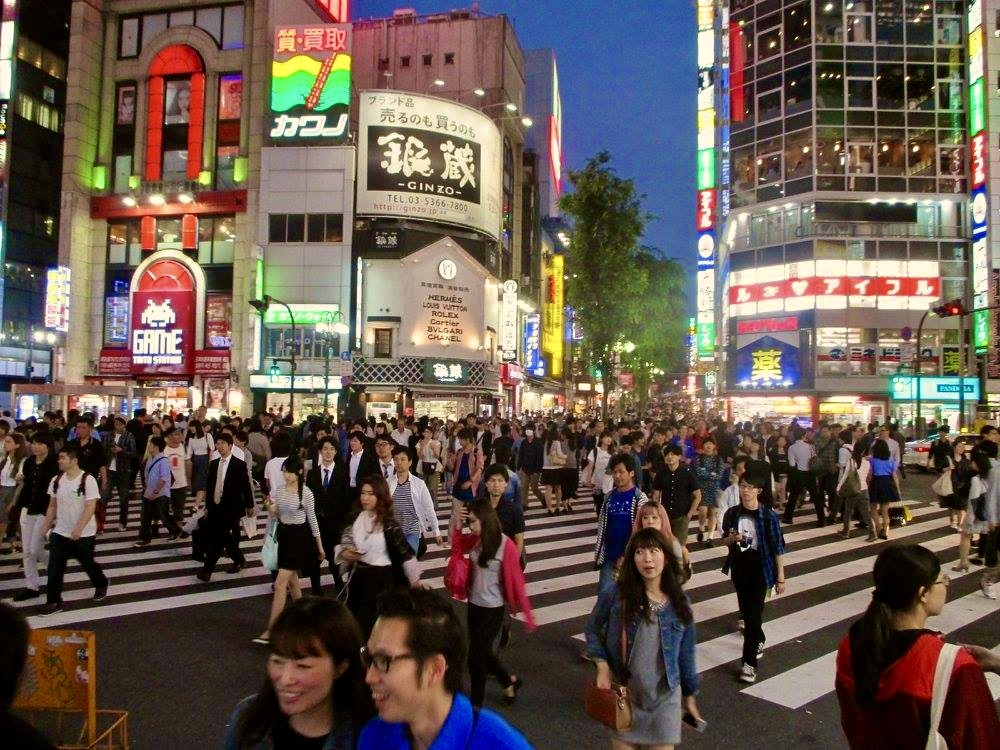
20. Shibuya Crossing (渋谷スクランブル交差点, Shibuya sukuranburu kōsaten)
A sight that must be observed during rush hour. The Shibuya Crossing is located in one of the busiest parts of Tokyo and as many as 3,000 people can cross at once. It’s the busiest crosswalk in the world.
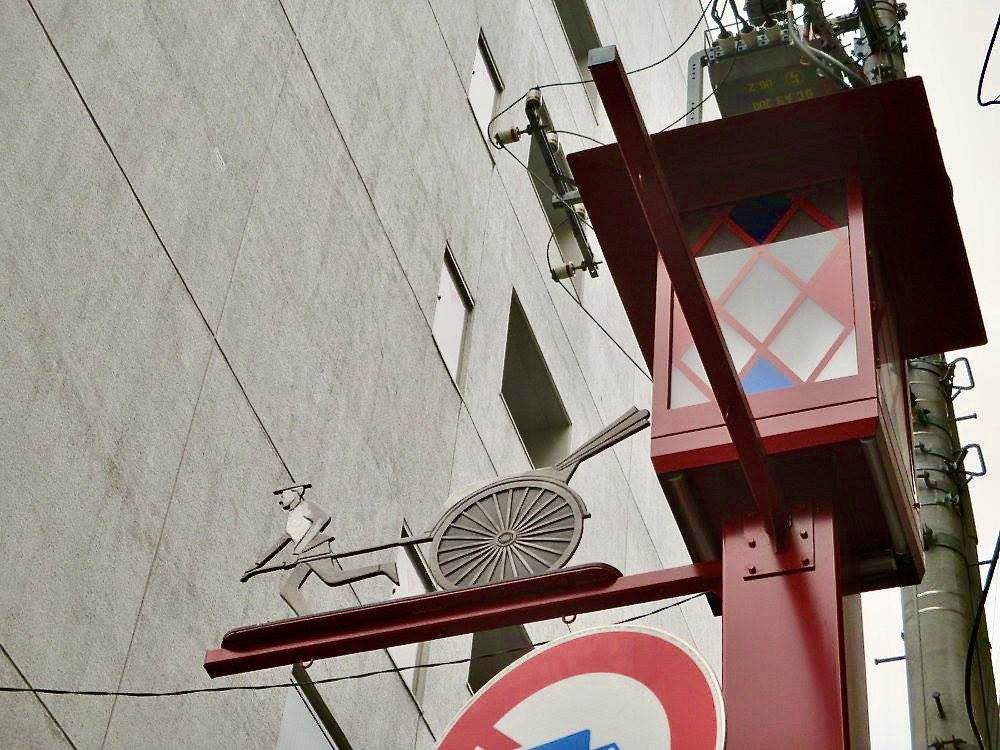
21. Rickshaws (人力車)
Also called a pedicab, these 2 wheel vehicles were invented in Japan in 1869. It became a popular and cheap mode of transport during a time of huge technological growth in Japan.
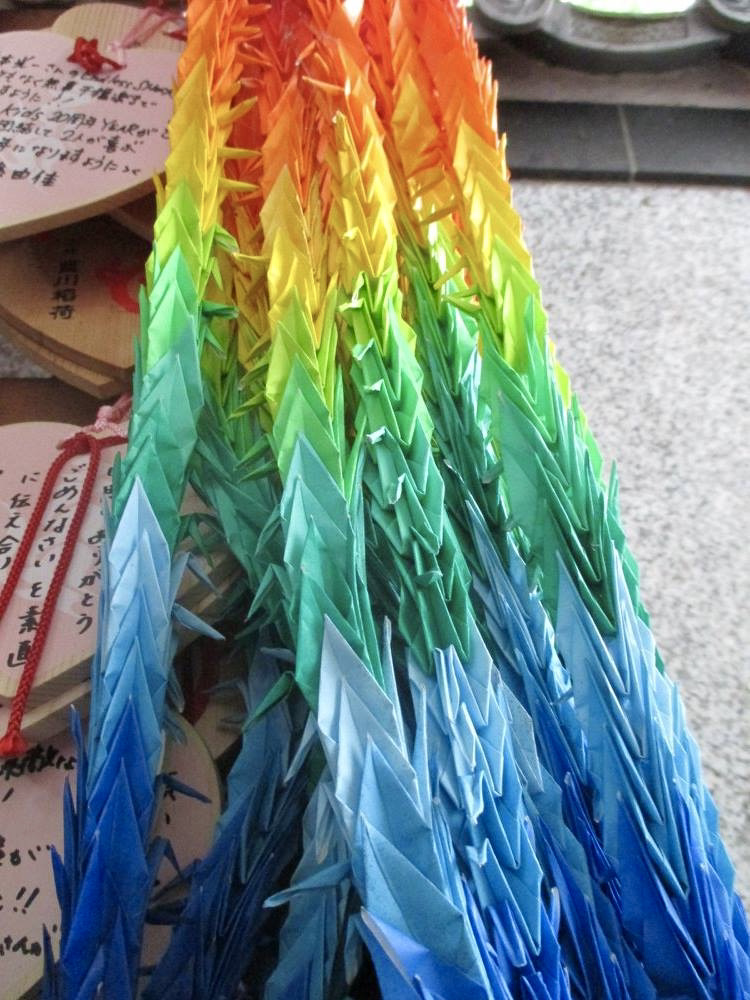
22. Paper Crane Wish (千羽鶴 Senbazuru)
A legend says that if one folds a thousand paper cranes (千羽鶴 Senbazuru), they will be granted a wish from the gods. The cranes can be found in shrines around the city and are strung together with string.

23. 5 Gallons Bar
This extra quirky pub is located towards the end of the Golden Gai. This fantastic pub is filled with eccentric decor and even has an English Menu. They are so beloved they have another diner style location.
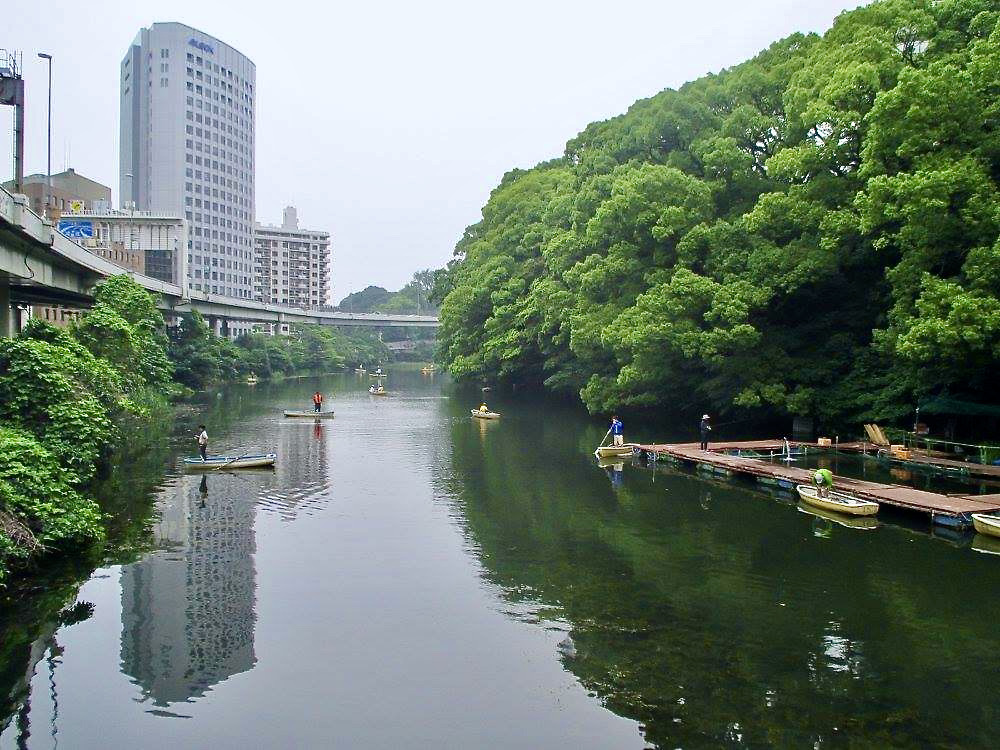
24. Benkei Fly Fishing Club (東京フライフィッシング&カントリークラブ)
A club full of fish lovers. They stock large mouth bass in the Benkei Moat which used to protect the castle. Surround by a buzzing city full of cars and noise. This part of the city is a peaceful place to connect with nature.
Keep Travel Funky.

 jet lag journaling