Funky Fact: Know for Luxury Travel and Rooftop Pool Hotels, Hong Kong’s famed bun festival is a low-key festival everyone can enjoy and coincides with the local celebration of Buddha’s Birthday.
The Cheung Chau Bun Festival, held annually in the small fishing village of Cheung Chau in Hong Kong, is a unique and colorful event that attracts visitors from around the world. Known for its colorful floats, elaborate costumes, and, of course, buns, this festival is a must-see for anyone visiting Hong Kong.
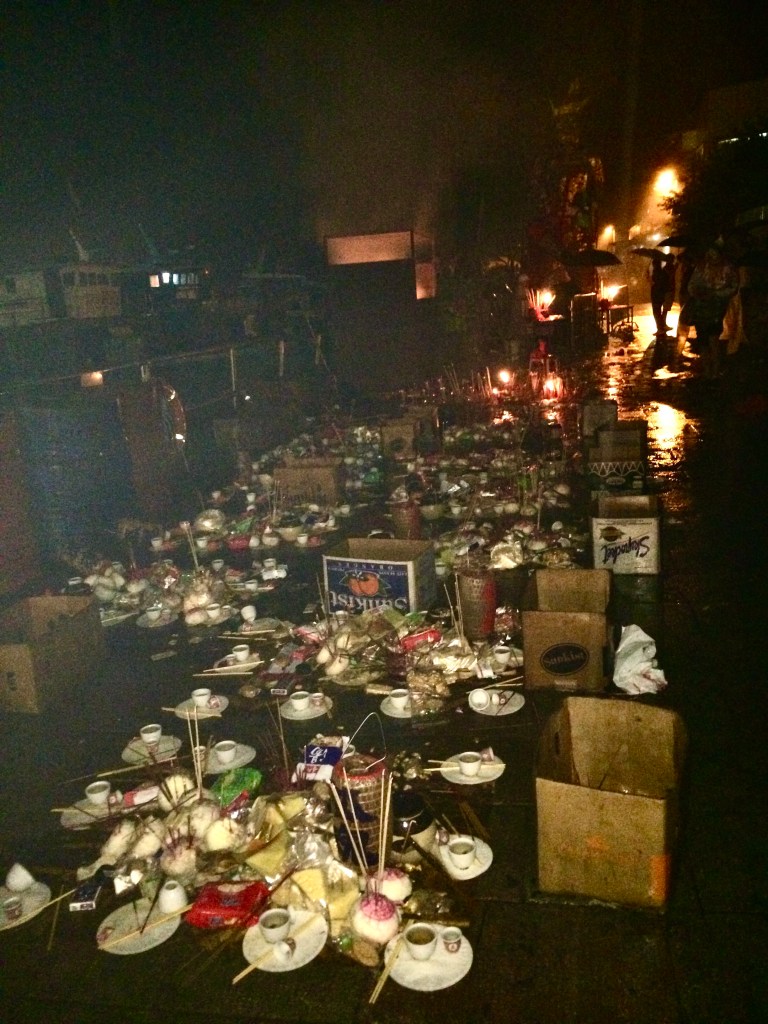
The festival, which has been held for over 100 years, takes place over several days in late April or early May. It is held in honor of the island’s patron deities and is believed to bring good luck and prosperity to the village.
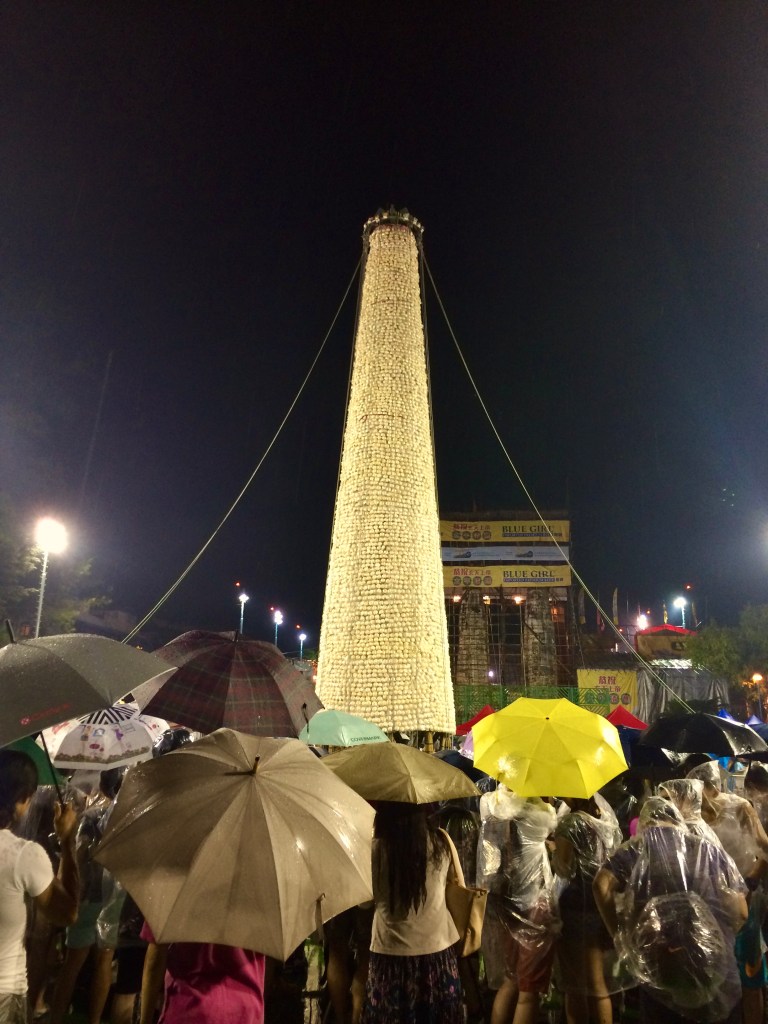
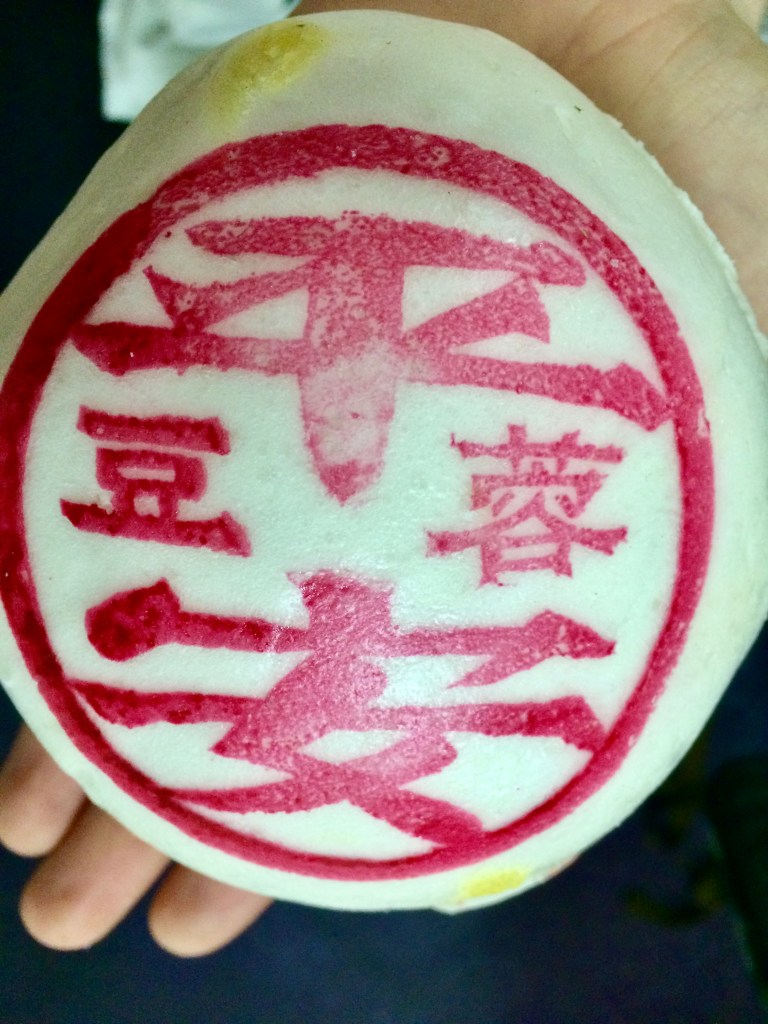
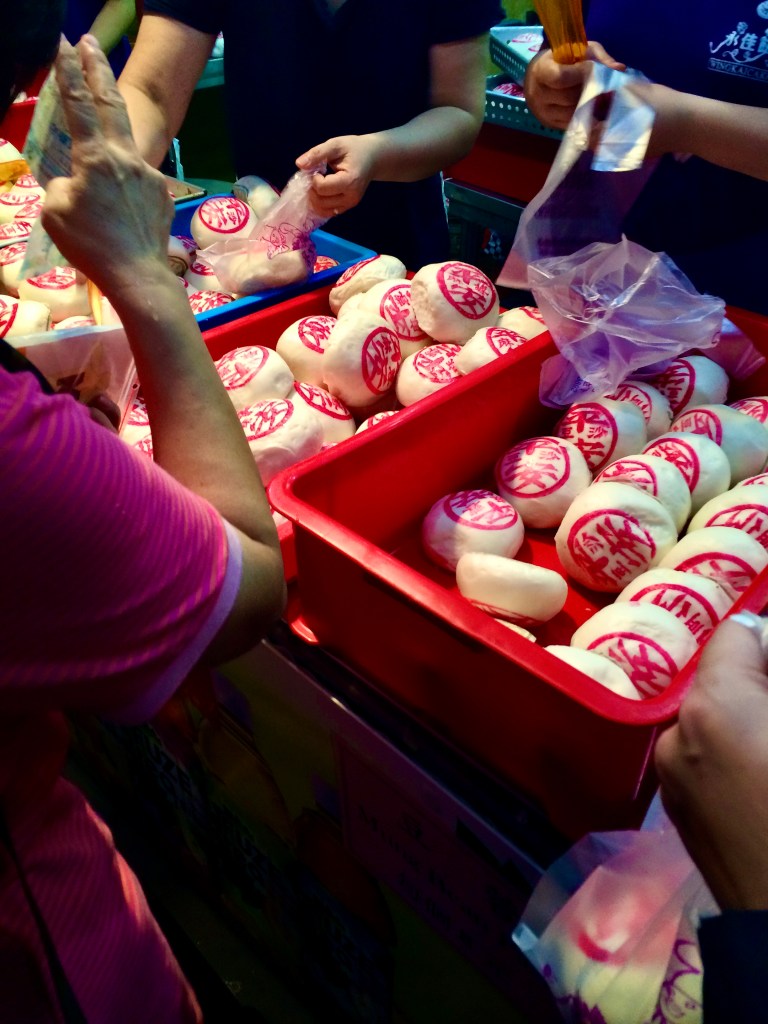
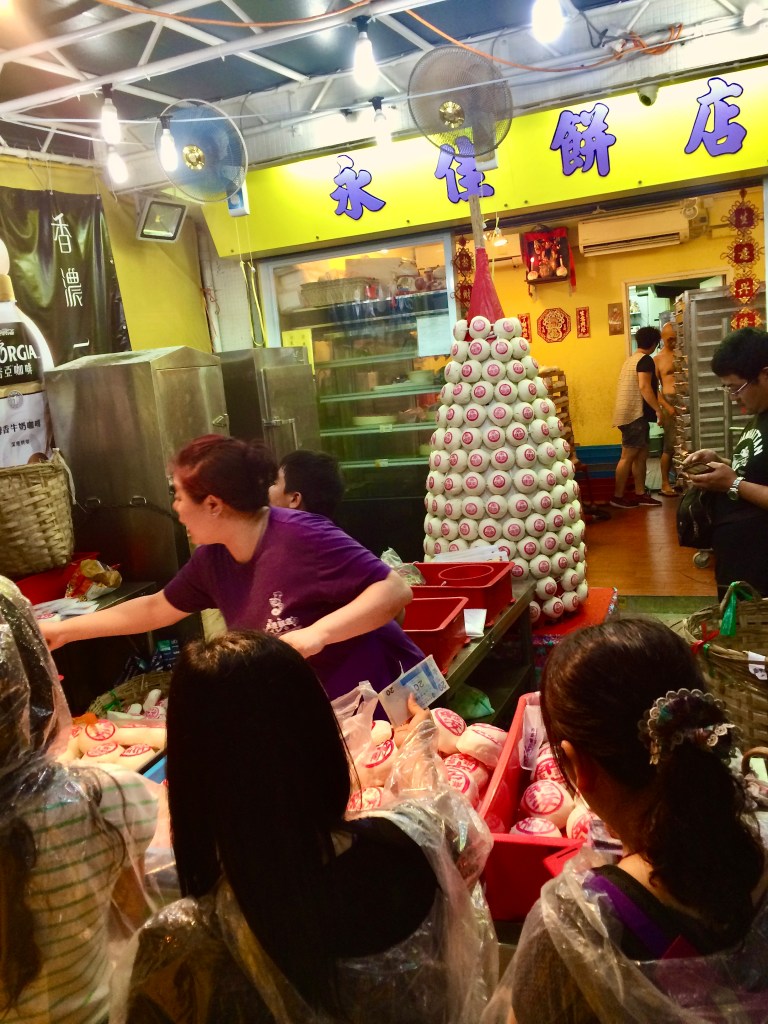
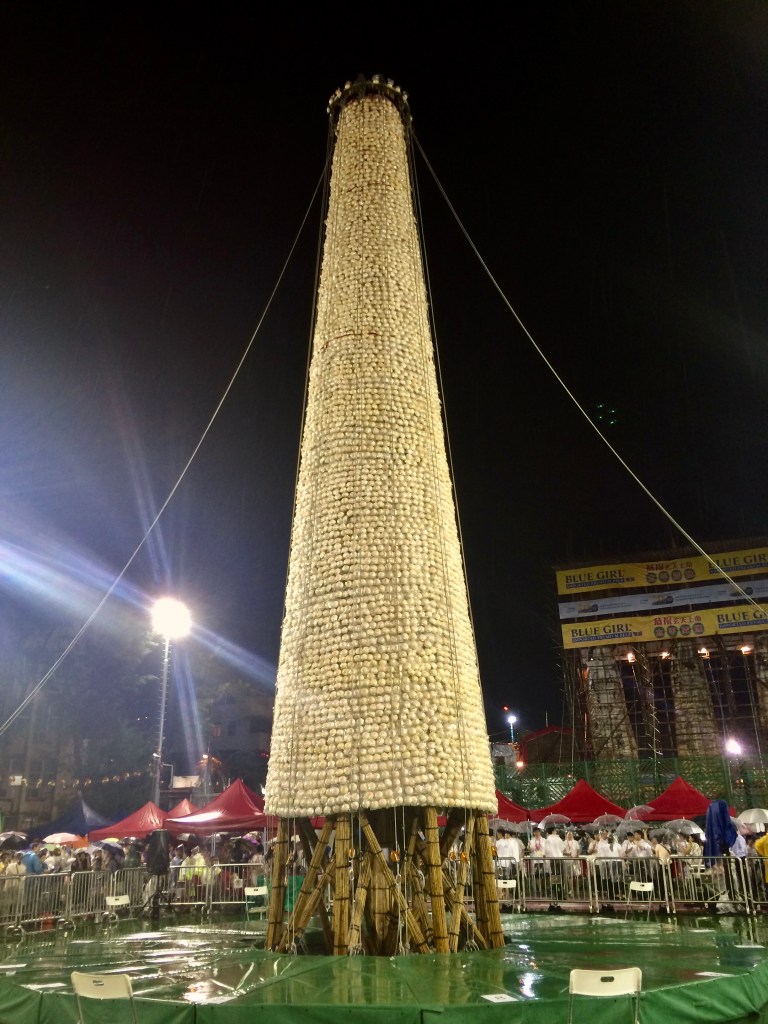
One of the main attractions of the festival is the bun tower, a towering structure made of buns that is erected in the center of the village. The buns, which are symbolically offered to the deities, are decorated with traditional Chinese characters and are said to bring good luck to those who eat them.
Another highlight of the festival is the parade, which features floats adorned with colorful decorations and performers in elaborate costumes. The parade winds its way through the streets of the village, culminating in the bun tower.
One of the most exciting parts of the festival is the bun-snatching competition, where participants race to the top of the bun tower and try to snatch as many buns as they can. It is a thrilling spectacle that is not to be missed.
In addition to the bun tower and parade, the festival also features a variety of other traditional activities, including lion dances, martial arts demonstrations, and traditional music and dance performances.
If you’re planning a visit to Hong Kong, be sure to put the Cheung Chau Bun Festival on your itinerary. It’s a truly unique and unforgettable experience that is sure to be a highlight of your trip.
Funky Facts: Usually known for Maggie Cheung, Anita Mui, Stock markets, Mongkok, Bruce Lee, Lan Kwai Fong, and the Ladies Market. This city has a ton to explore as well as some amazing food. Did you know that most of the food consumed in Hong Kong is imported from mainland China?!
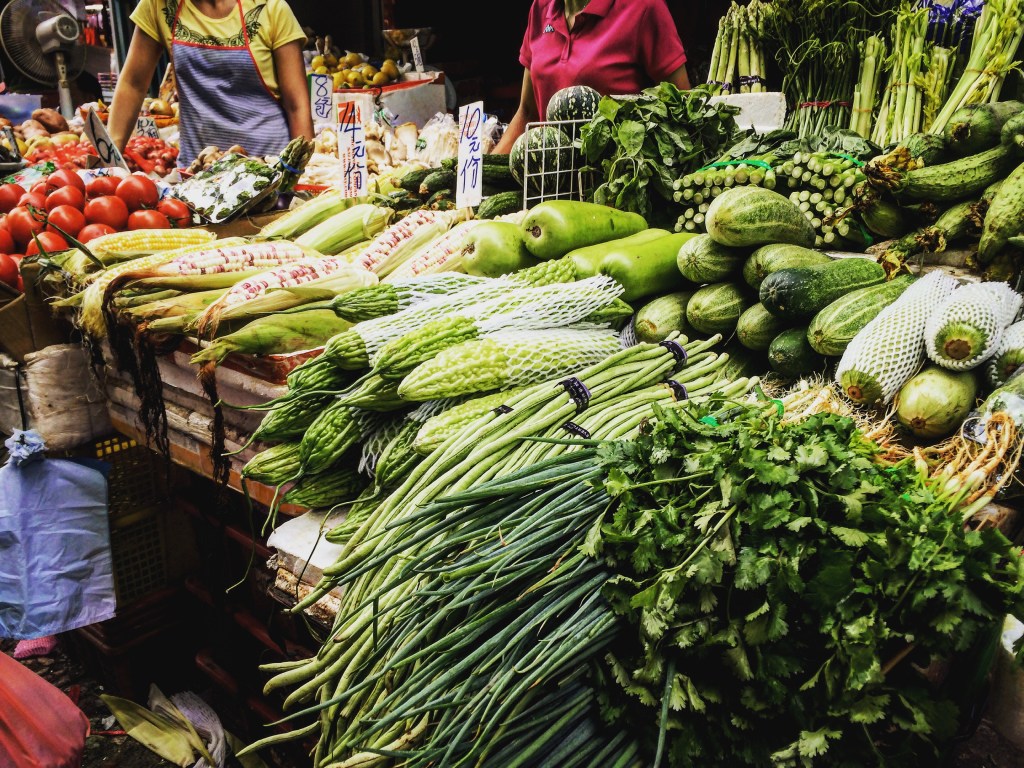
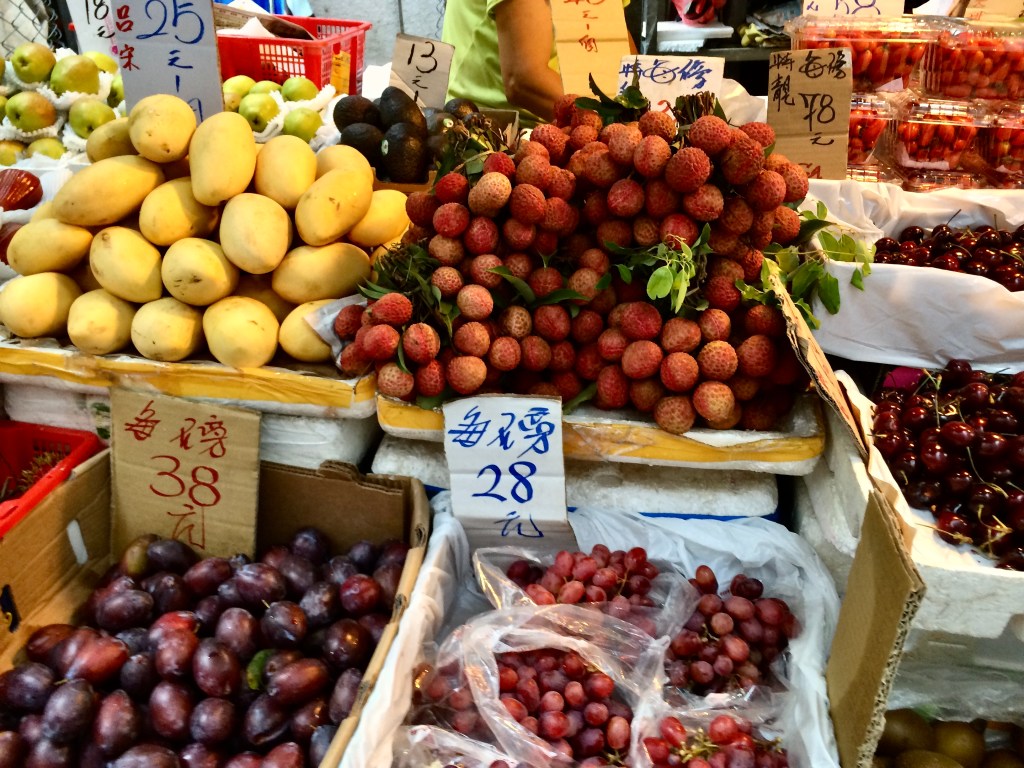
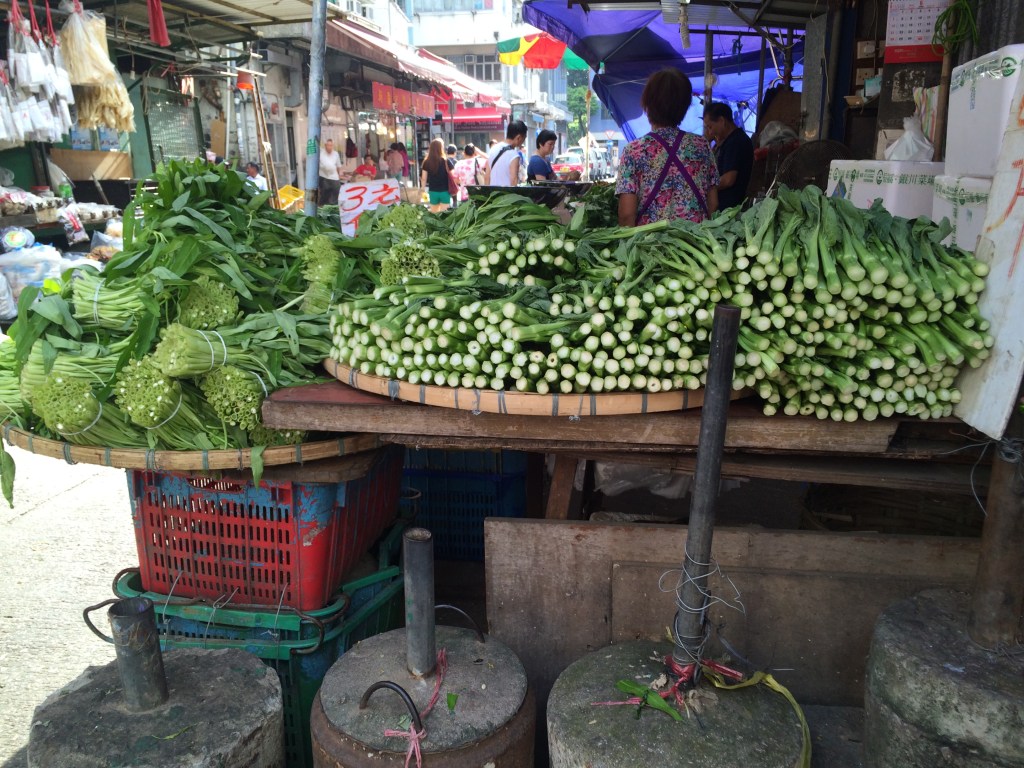
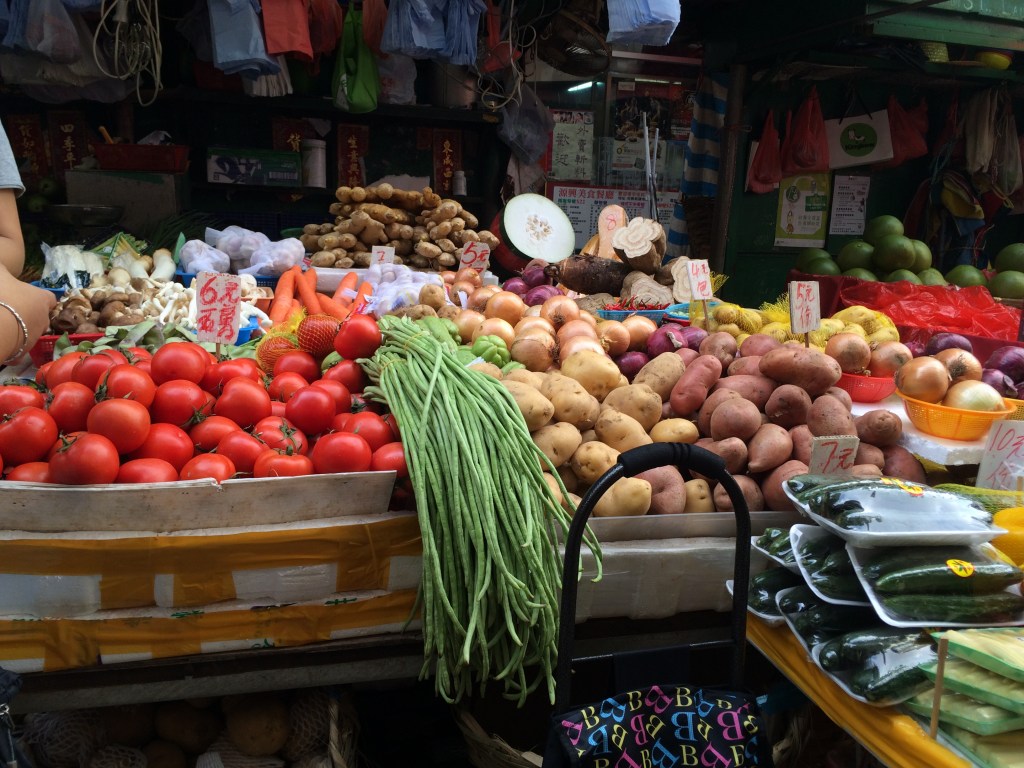
Hong Kong is a foodie paradise, with a wide variety of cuisines and ingredients available at its many fruit and vegetable markets. Here are 5 unique foods you can find at these markets, all of which are worth trying if you’re adventurous enough.
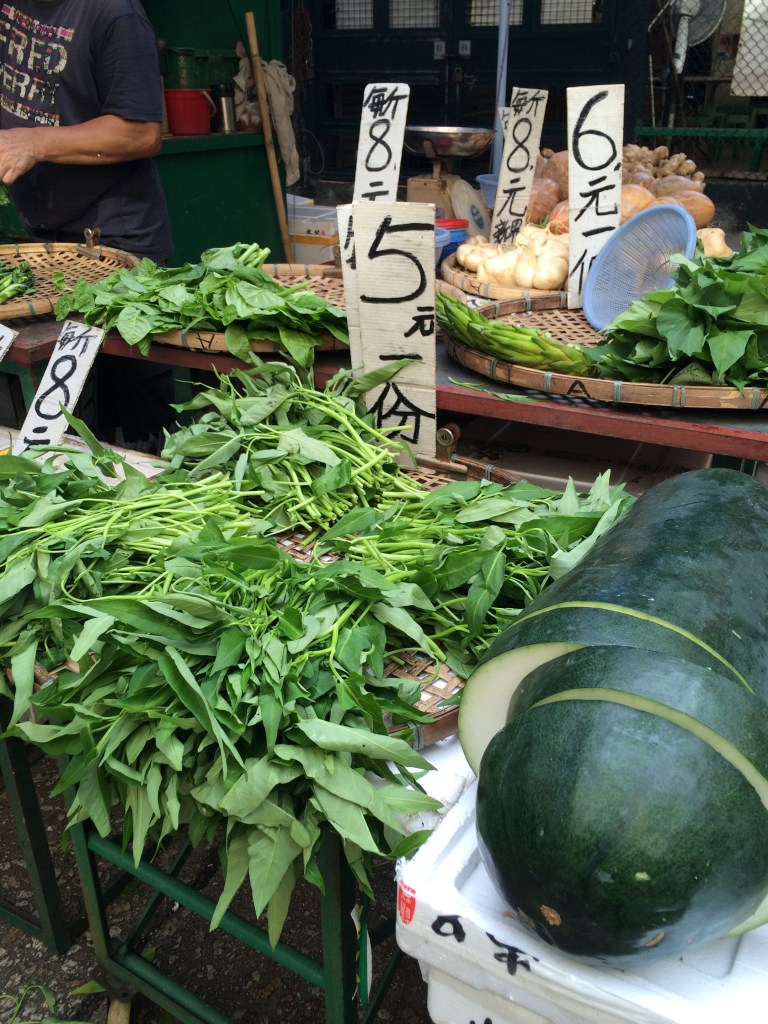
NOTE: Make sure to bring cash and small bills. The stalls hate making change with larger bills (Don’t be that tourist and break your big bills at a 7/11 beforehand)! I also bring a translation app, or paper with: 幾多錢呀 on it. Lot of the sellers are local farmers or gardeners and will not speak English. You can have them write the number you owe them, or use your hands to sign it. Just note that their hand sign for 6 and 10 are a little different then how westerners finger count.
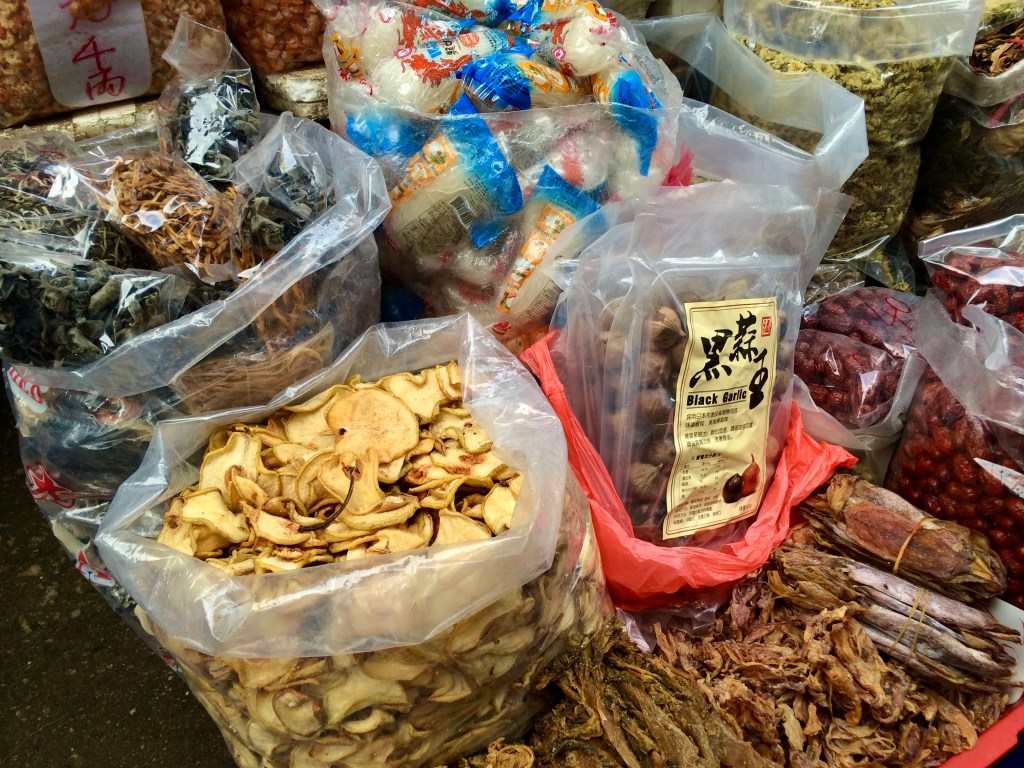
1. Dried fish: This might not sound particularly appealing, but dried fish is a popular snack in Hong Kong and can be found in many markets. It’s usually made from anchovies or other small fish, which are salted and then dried in the sun. The resulting product is crunchy and has a strong, fishy flavor.
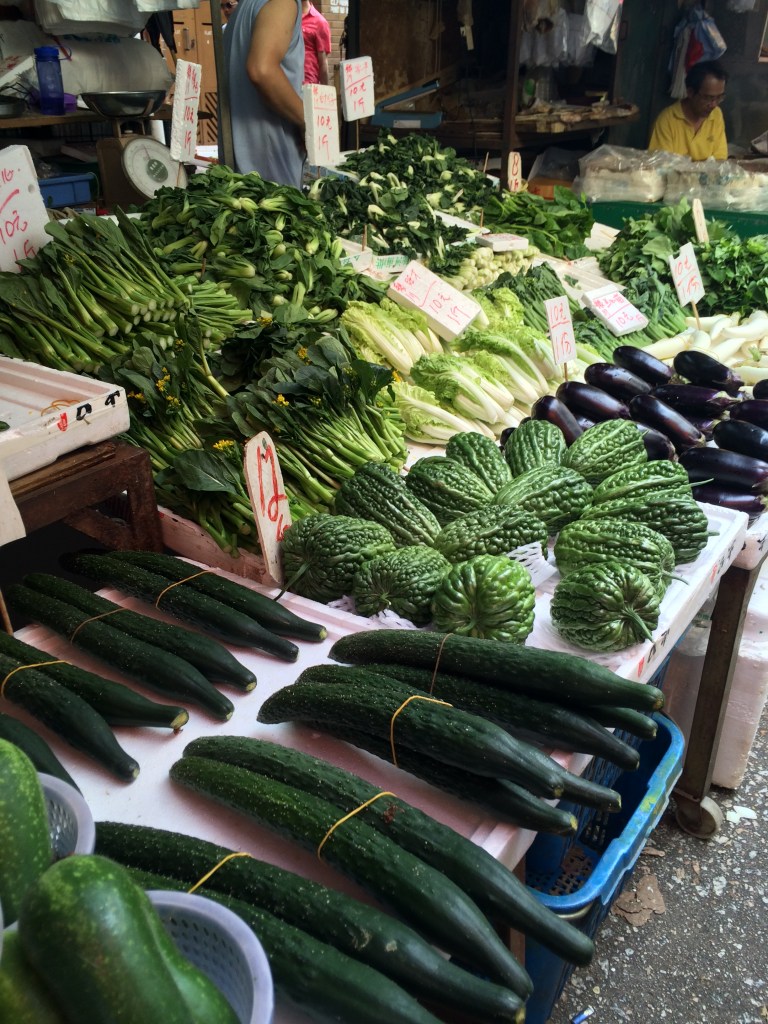
2. Bitter melon: Bitter melon, also known as bitter gourd, is a green, oblong fruit with a warty exterior and a bitter taste. It’s often used in Chinese cooking, where it’s typically sliced and stir-fried with other vegetables or meats. Despite its name, bitter melon is actually quite good for you, as it’s high in nutrients and has been shown to have anti-diabetic properties.
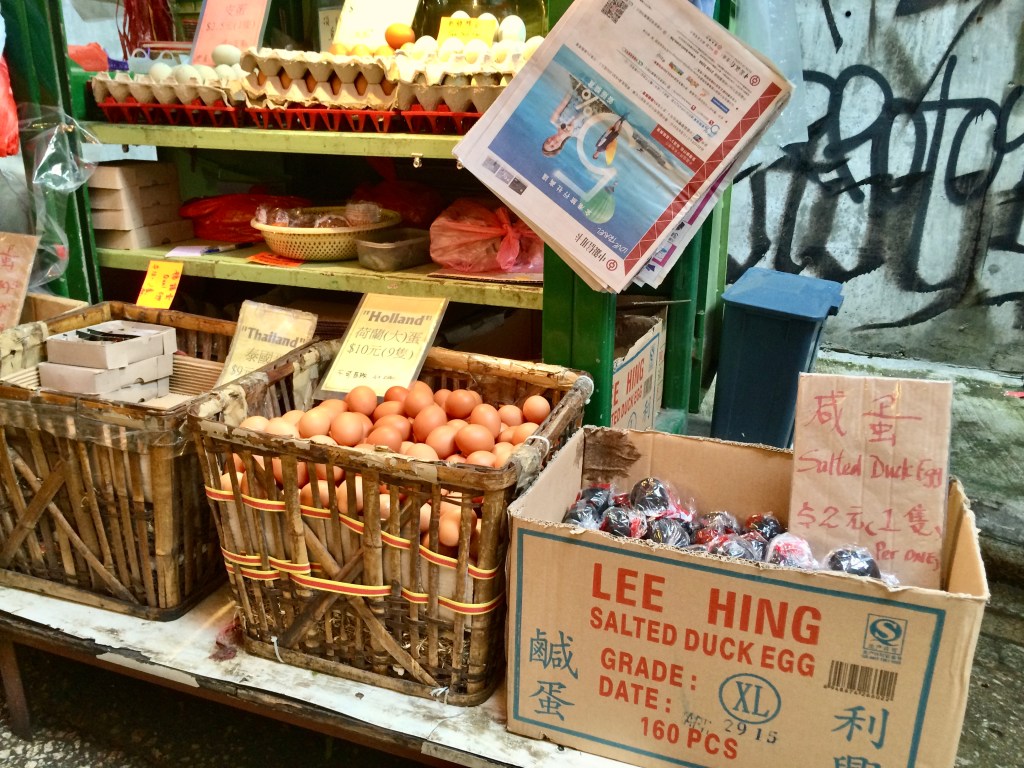
3. Salted duck eggs: These eggs are a staple in many Chinese dishes and are made by soaking regular duck eggs in a brine solution for several weeks. The result is a brown, wrinkled egg with a rich, salty flavor. Salted duck eggs are often used as a condiment or as an ingredient in dishes like congee (a type of rice porridge) and steamed buns.
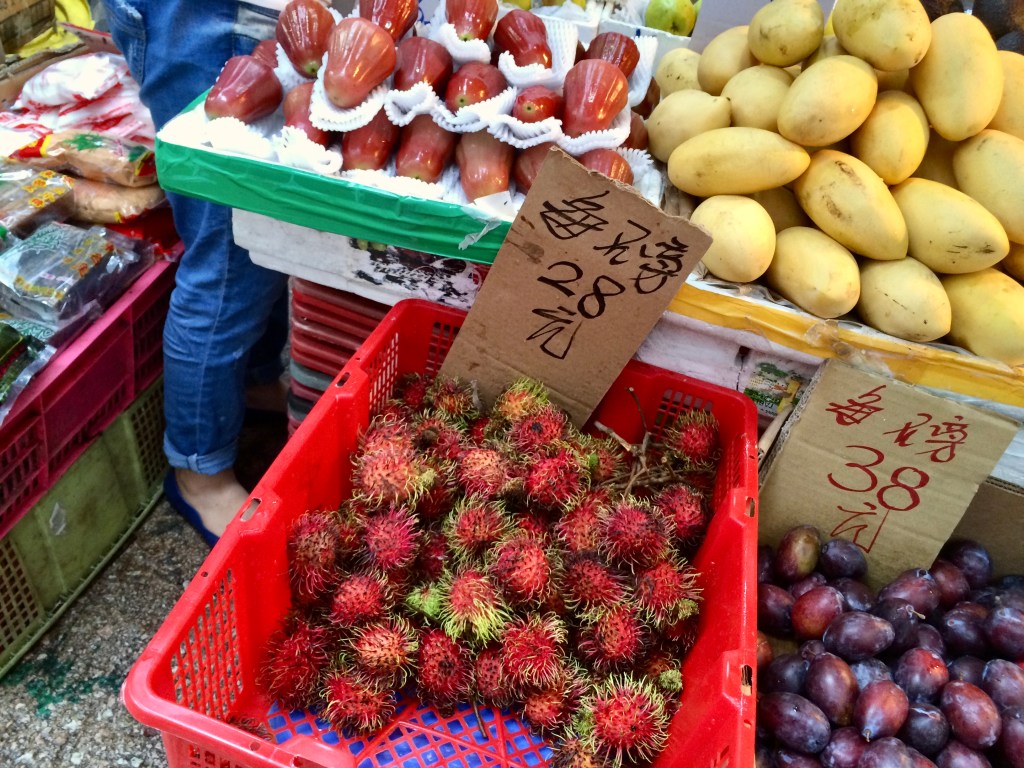
4. Rambutans: These tropical fruits are native to Southeast Asia and are related to lychees. They have a spiky, hairy exterior and a sweet, juicy flesh inside. Rambutans are often eaten on their own as a snack, but they can also be used in desserts or salads.
5. Litchis: Litchis, also known as lychees, are another popular tropical fruit in Hong Kong. They have a thin, red skin and a white, fleshy interior that’s sweet and slightly floral in flavor. Litchis are often eaten fresh, but they can also be found canned or dried.
Other unique foods you might find at a Hong Kong fruit and vegetable market include durian (a spiky, pungent fruit), longan (a sweet, grape-sized fruit native to Southeast Asia), and taro (a starchy, potato-like root vegetable often used in Chinese and Southeast Asian cooking).
No matter what you choose to try, the fruit and vegetable markets in Hong Kong are a great place to explore and experience new flavors. Whether you’re a local or a visitor, be sure to stop by and see what’s on offer. You never know what tasty new discovery you might make!
Here is a list of just a few awesome markets around Hong Kong:
If you’re a fan of marine life and want to get up close and personal with some of the world’s most majestic creatures, then a whale shark swim at Oslob in the Philippines is definitely something you should consider.
The best place to go for a whale shark swim in the Philippines is Oslob, a small town on the coast. Oslo is known for its abundant population of whale sharks, which migrate to the area from November to May.
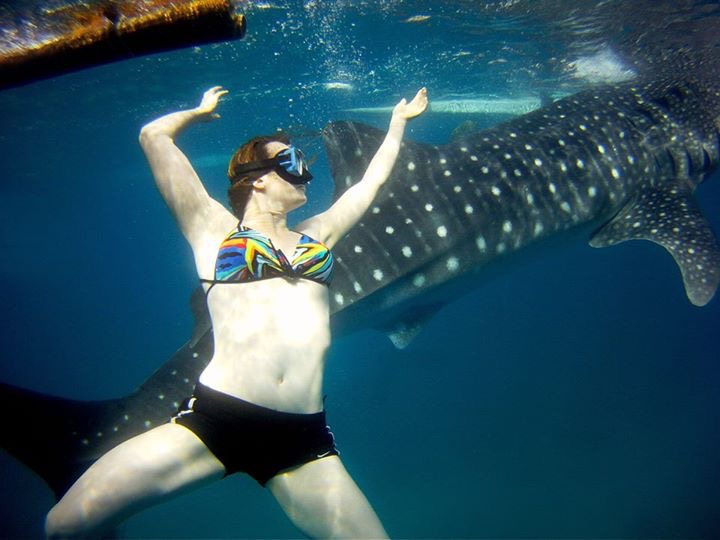
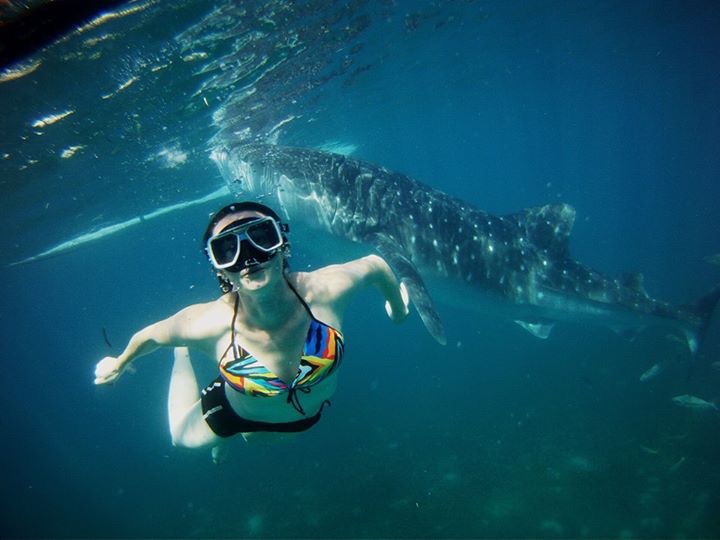
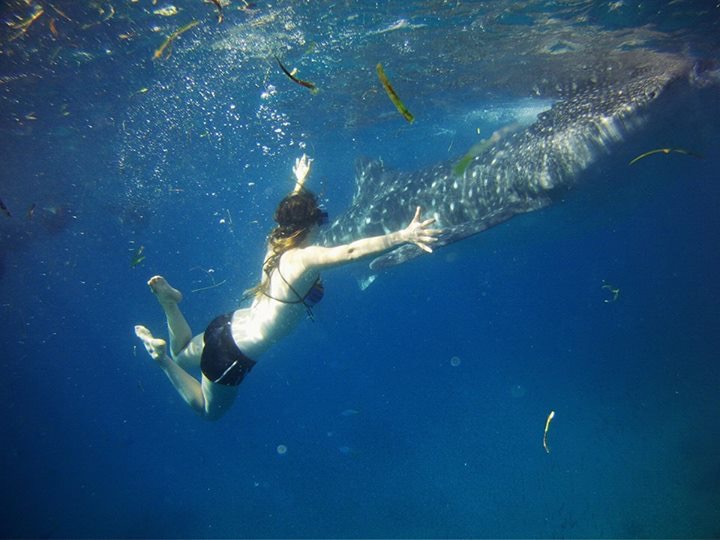
Check out the tours here: Oslob Whale Shark Swim it cost between 30-60 make sure to tip. I asked my guide to dive with me as my photographer and gave him a fat tip, he was so happy and we had a blast. All the other divers in my group were petrifed after they saw the size of the creature and stayed on the boat. I would like to note that I did have a life jacket at the surface and am a VERY good free diver and swimmer. The water was very calm in the morning and much easier to swim in.
The whale shark, also known as the “gentle giant,” is the largest fish in the world, reaching lengths of up to 40 feet and weighing as much as 20 tons. They are generally docile and non-aggressive, making them the perfect species for a close encounter. The Whale sharks I saw during this dive were around 15 feet long.
Tourists can book a tour with a local operator who will take them out on a boat to see the whale sharks up close. The tour usually includes snorkeling equipment and a guide who will teach you how to swim alongside the sharks in a safe and respectful manner.
The experience of swimming with these magnificent creatures is truly unforgettable. As you glide through the water, you’ll get to see the whale sharks in all their glory, with their massive bodies and distinctive markings. You might even get to see them feeding on plankton, their favorite food.
Theres not just whale sharks – there’s also a wealth of other marine life to see during your swim. You might spot colorful coral reefs, schools of colorful fish, and even dolphins and manta rays.
Aside from the thrill of swimming with whale sharks, a tour in Oslob is also a great way to support the local community. Many of the operators are run by locals who are passionate about protecting these animals and their habitat. By booking a tour, you’ll be contributing to the conservation efforts in the area.
A whale shark swim in the Philippines is an incredible adventure that should be on every nature lover’s bucket list. So if you’re ready to get up close and personal with some of the world’s most majestic creatures, head to Oslob and experience the thrill of a lifetime.
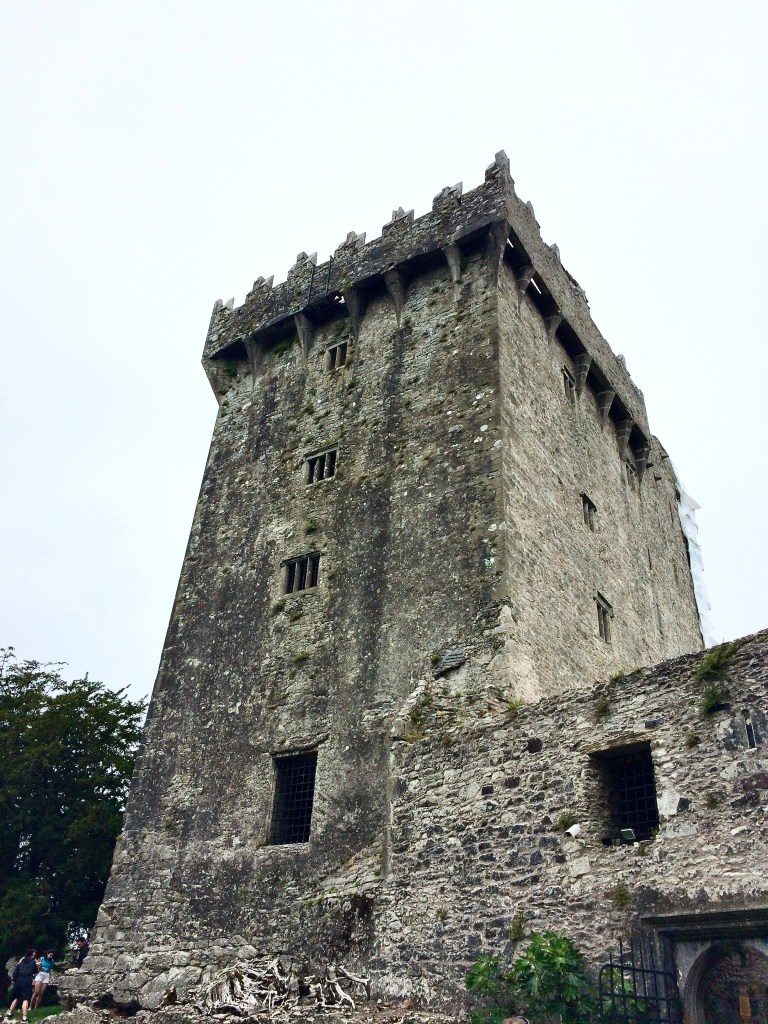
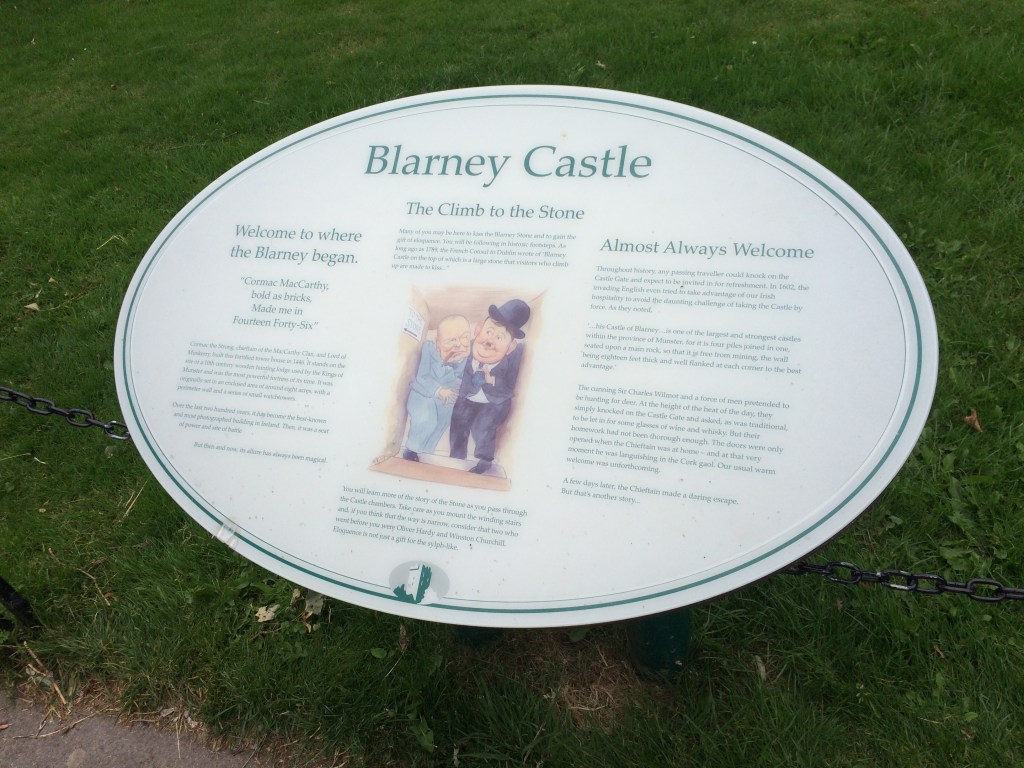
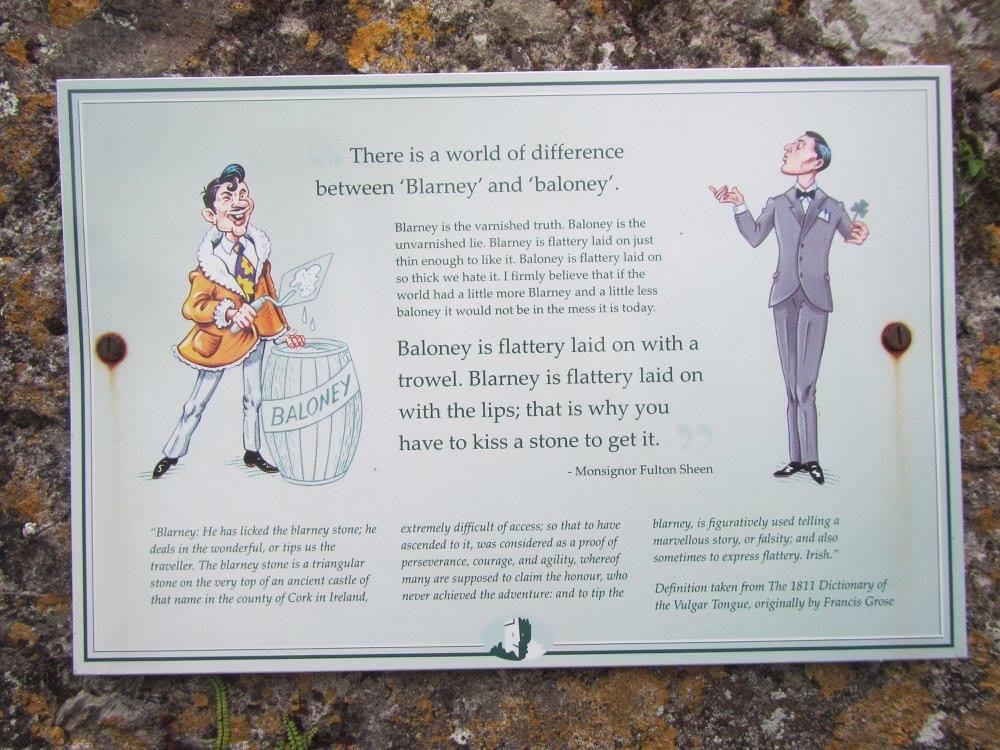
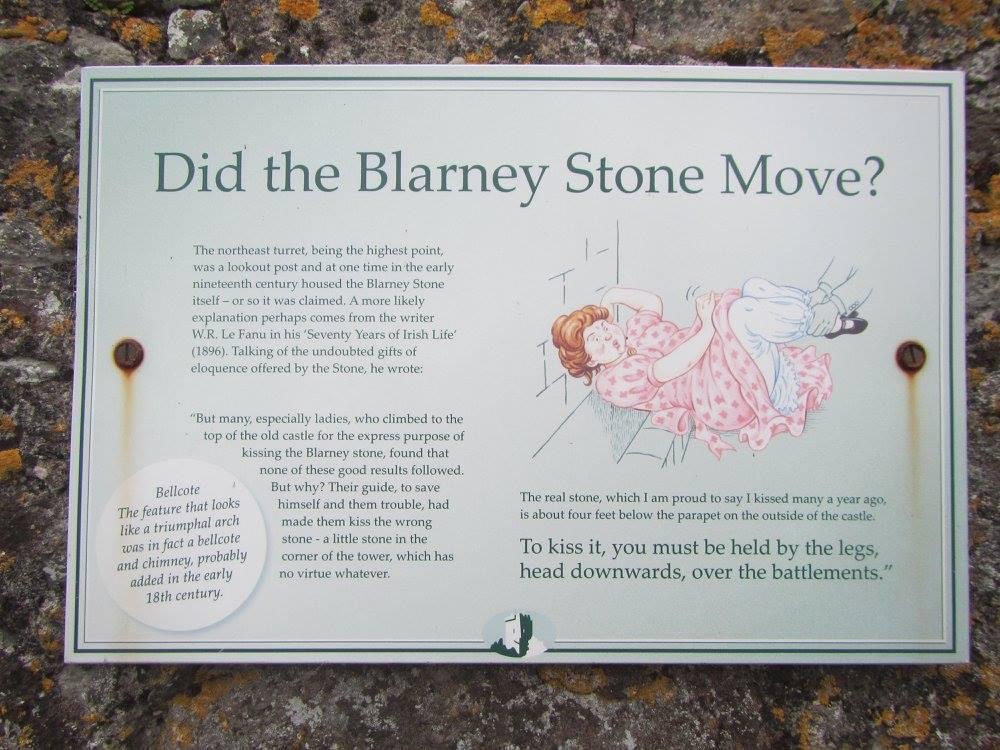
Funky Facts: Join Eddie Redmayne, Winston Churchill, Mick Jagger, and the Simpsons in kissing the famed stone. Kiss the Blarney stone for the ‘gift of gab’. The Blarney stone’s power has some witchcraft to thank. The powers were supposedly gifted by a thankful witch. Her spell was a thank you to the king who saved her life after a near-drowning scare. It’s estimated that 400,000 people kiss the stone every year.
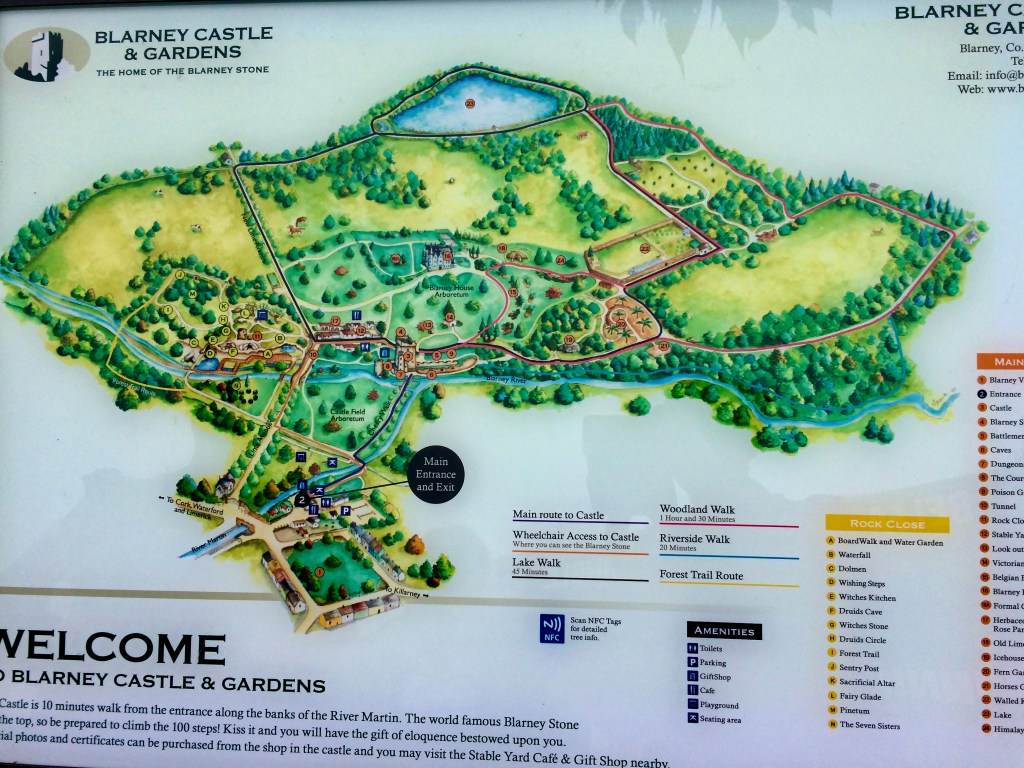
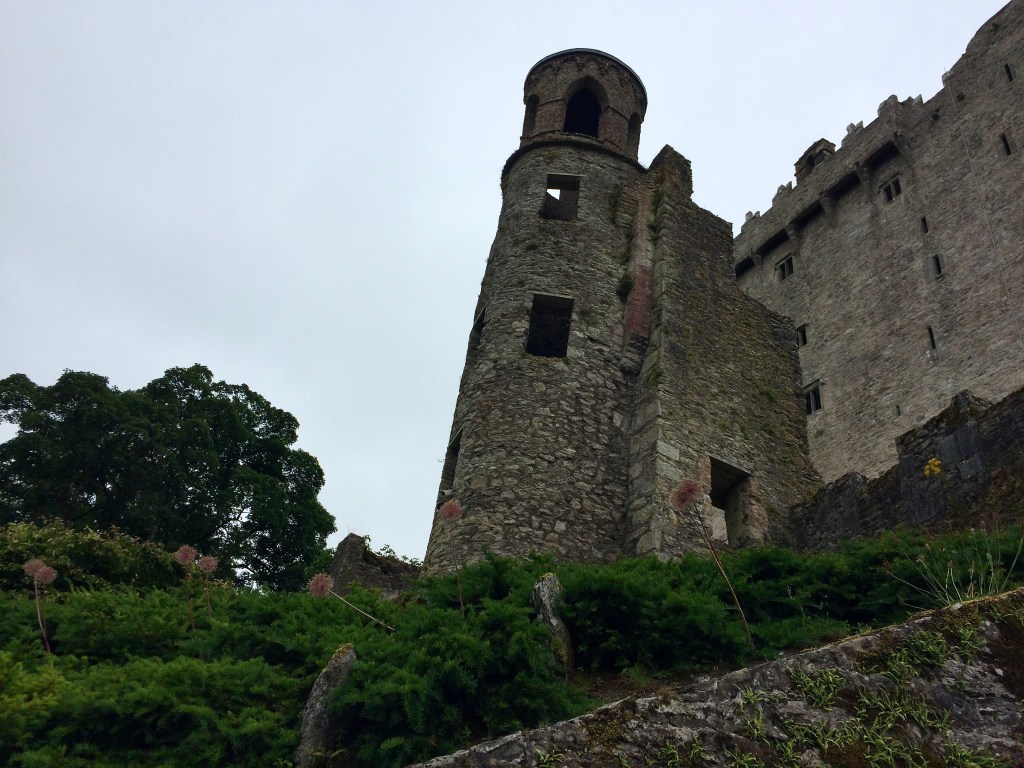
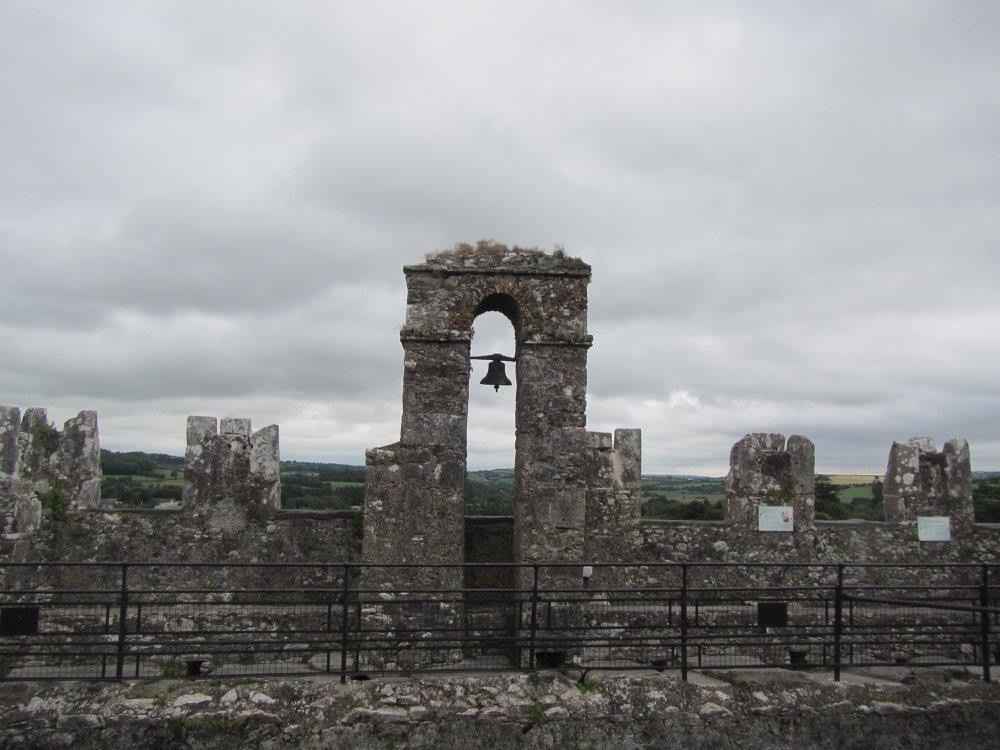
Kissing the Blarney Stone in Ireland is a tradition that dates back hundreds of years. Located at the top of Blarney Castle in County Cork, this small piece of stone is believed to bestow the gift of eloquence upon those who kiss it.
The legend behind the Blarney Stone goes back to the 16th century, when Queen Elizabeth I demanded that the Lord of Blarney Castle, Cormac McCarthy, swear his allegiance to her. McCarthy, known for his clever wit and ability to evade giving a straight answer, told the queen that he would give her his word, but only after he kissed the Blarney Stone. When McCarthy kissed the stone, he was said to have received the gift of the “gab,” or the ability to speak persuasively and eloquently.
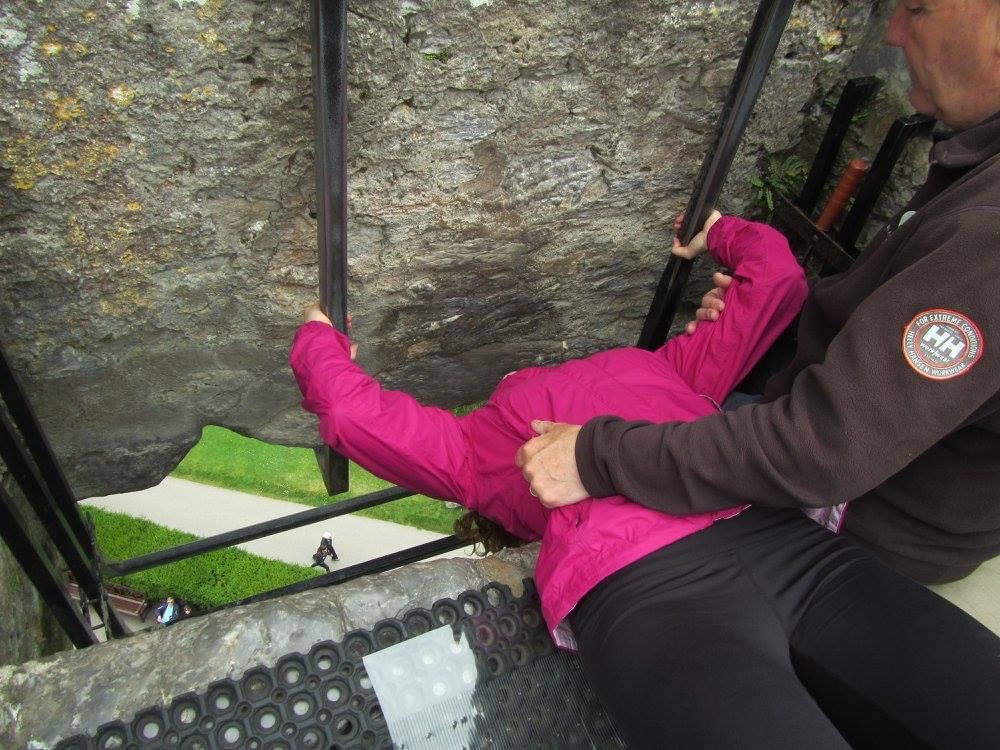
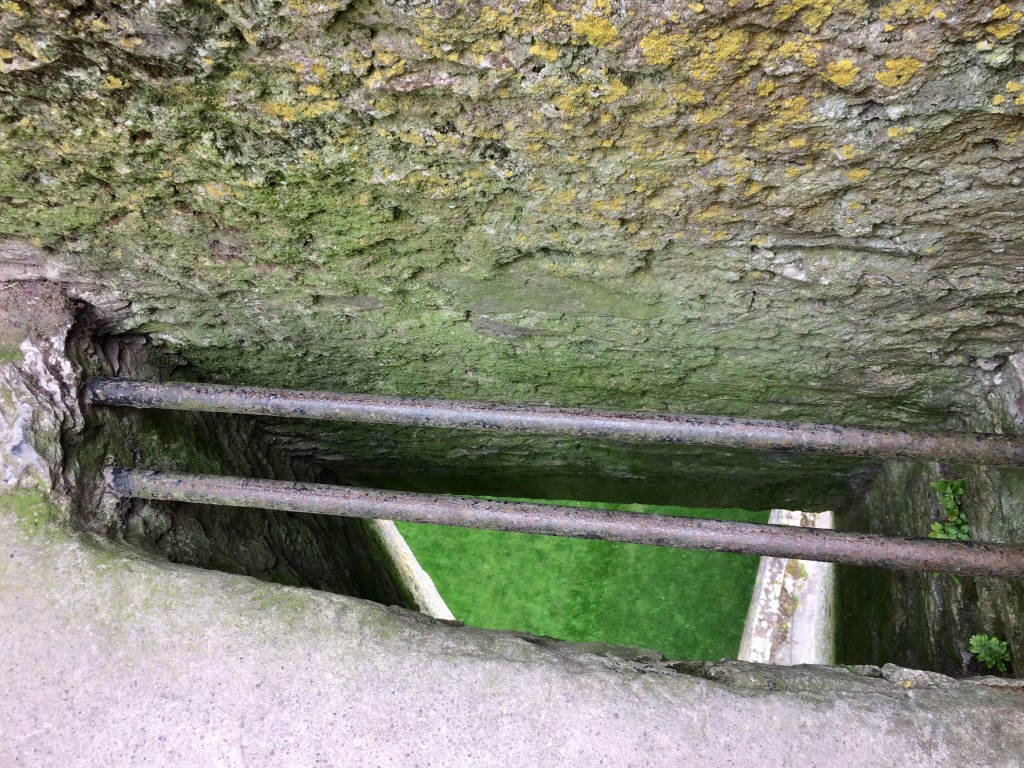
Today, visitors from all over the world flock to Blarney Castle to experience this tradition for themselves. To reach the stone, visitors must climb to the top of the castle and lean backwards over a ledge, holding onto iron bars for support while a castle employee helps guide them to the stone. The stone is located in the wall of the castle, and visitors must pucker up and give it a good smooch in order to receive its gift.
Kissing the Blarney Stone is not for the faint of heart, as it requires a bit of bravery and a willingness to trust those who are helping guide you to the stone. It’s also not for those with a fear of heights, as the castle is quite tall and the view from the top can be dizzying.
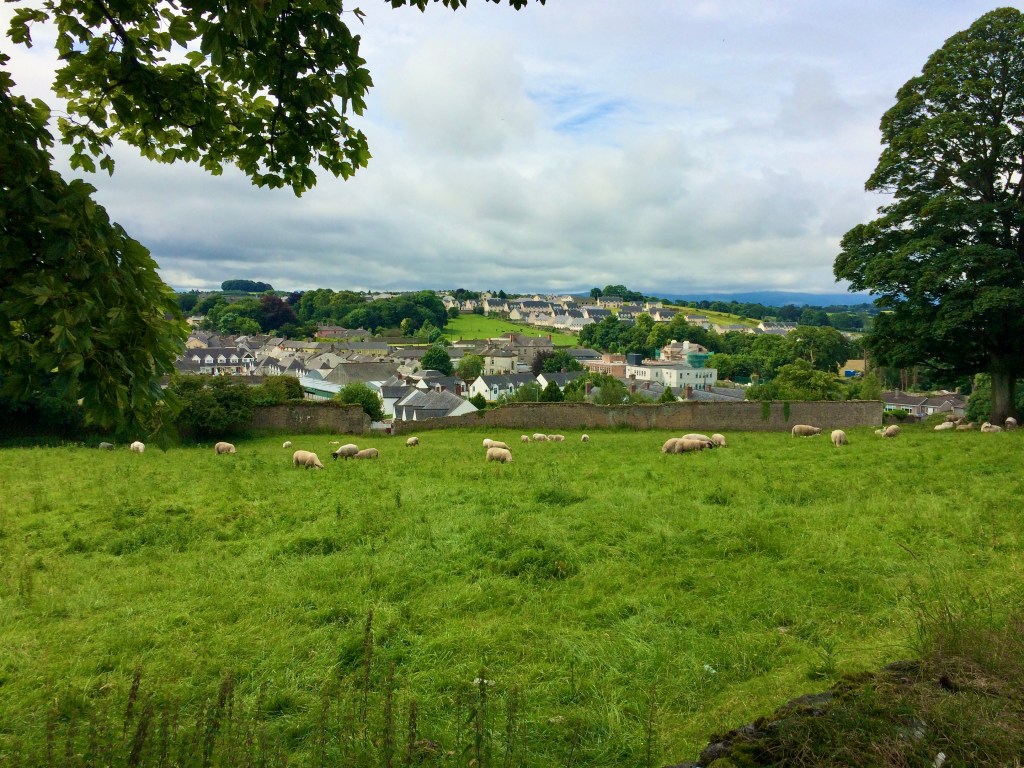
But for those who are brave enough to undertake the journey, kissing the Blarney Stone is a truly unique and memorable experience. Not only do visitors get to take part in an age-old tradition, but they also get to witness breathtaking views of the Irish countryside from the top of the castle.
In addition to kissing the Blarney Stone, visitors can also explore the rest of Blarney Castle and its grounds. The castle is home to beautiful gardens, a poison garden full of plants with toxic properties, and a gift shop where visitors can purchase souvenirs and gifts.
Kissing the Blarney Stone is a must-do for anyone visiting Ireland. It’s a fun and memorable experience that combines history, culture, and a bit of adventure. So if you’re planning a trip to the Emerald Isle, be sure to add this tradition to your itinerary – and don’t forget to bring a rain coat and umbrella with you!
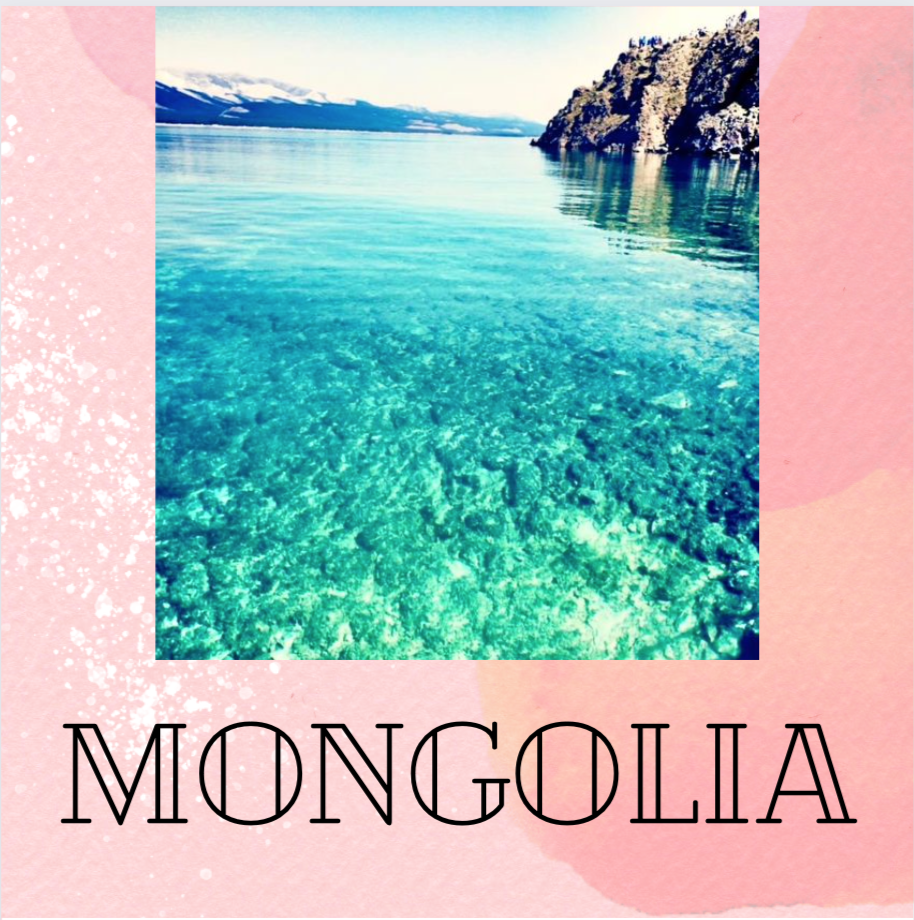
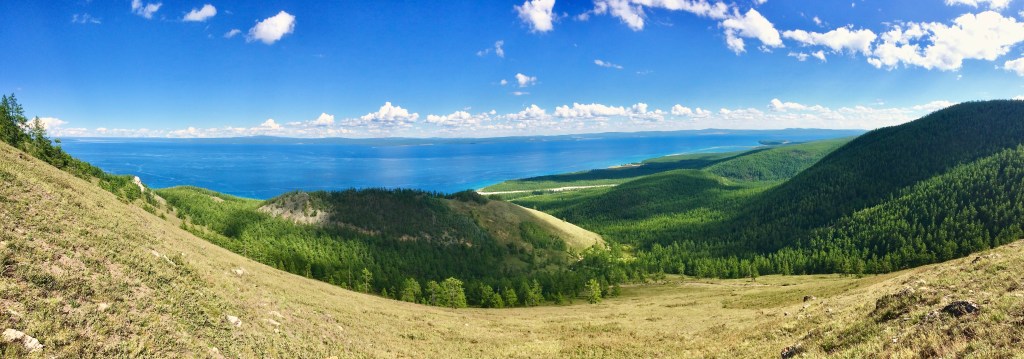
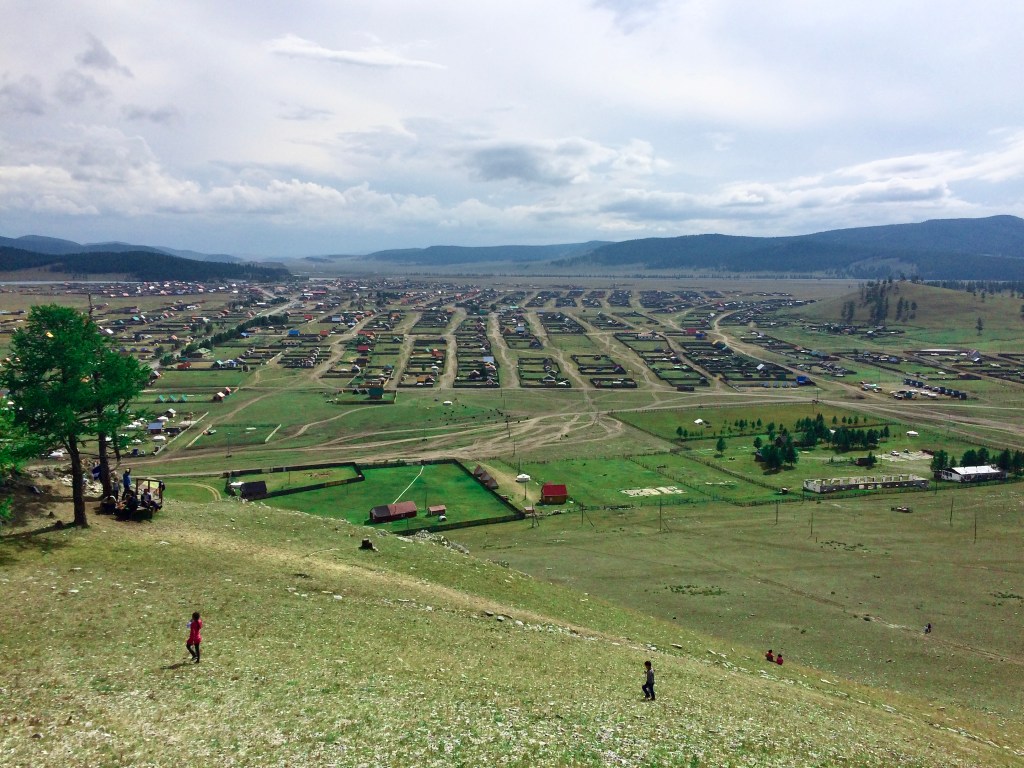
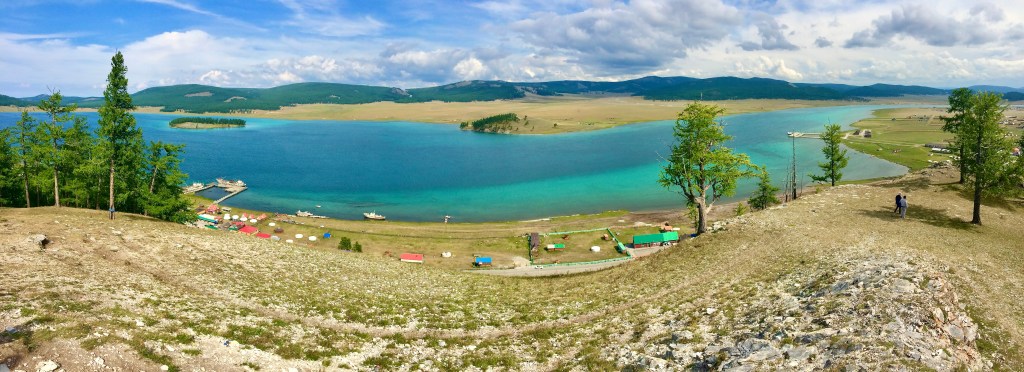
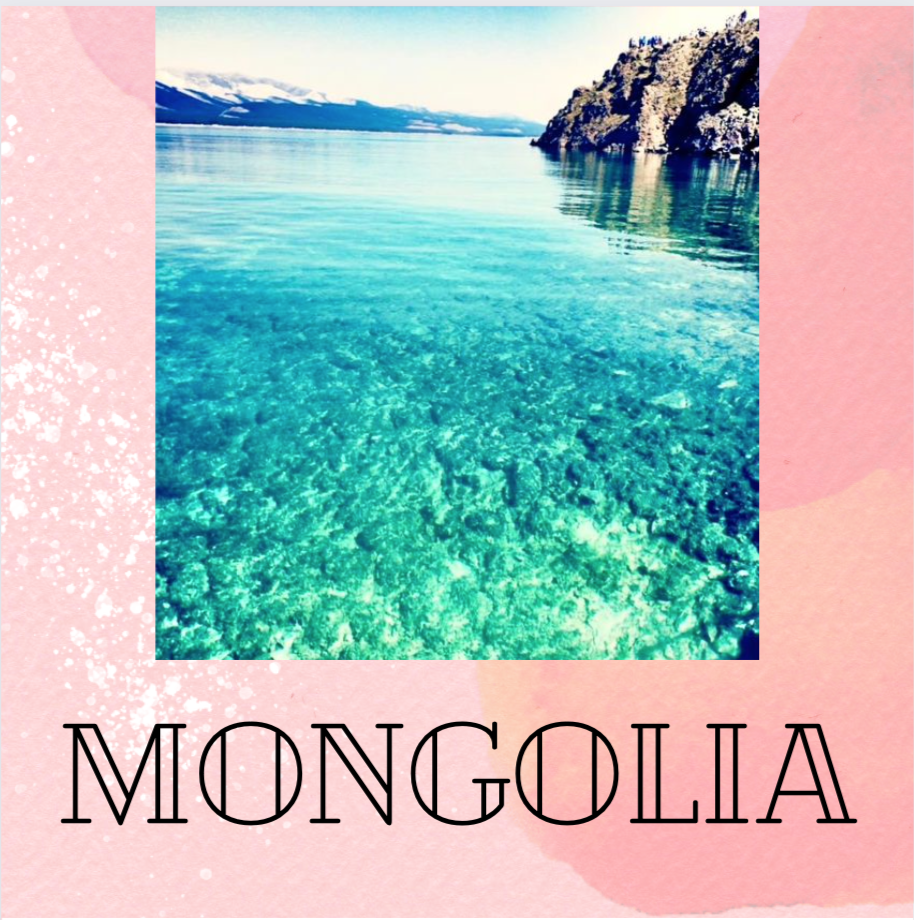
Funky Fact: Exploring the country famous for Genghis Khan, is a true treasure. Lake Khövsgöl in the North of the country is the largest freshwater lake by volume in Mongolia.
As a lover of nature and adventure, visiting Lake Khövsgöl in Mongolia was a dream come true for me. Located in the far north of the country, this breathtaking lake is surrounded by rolling hills and forests, making it a paradise for outdoor enthusiasts like myself. Here are my top 8 things to see and do at Lake Khövsgöl:
Hiking: The surrounding landscape of Lake Khövsgöl is perfect for hiking, with plenty of trails to explore. From easy, flat paths to more challenging routes, there is something for everyone. Some of the best trails offer stunning views of the lake and the surrounding countryside.
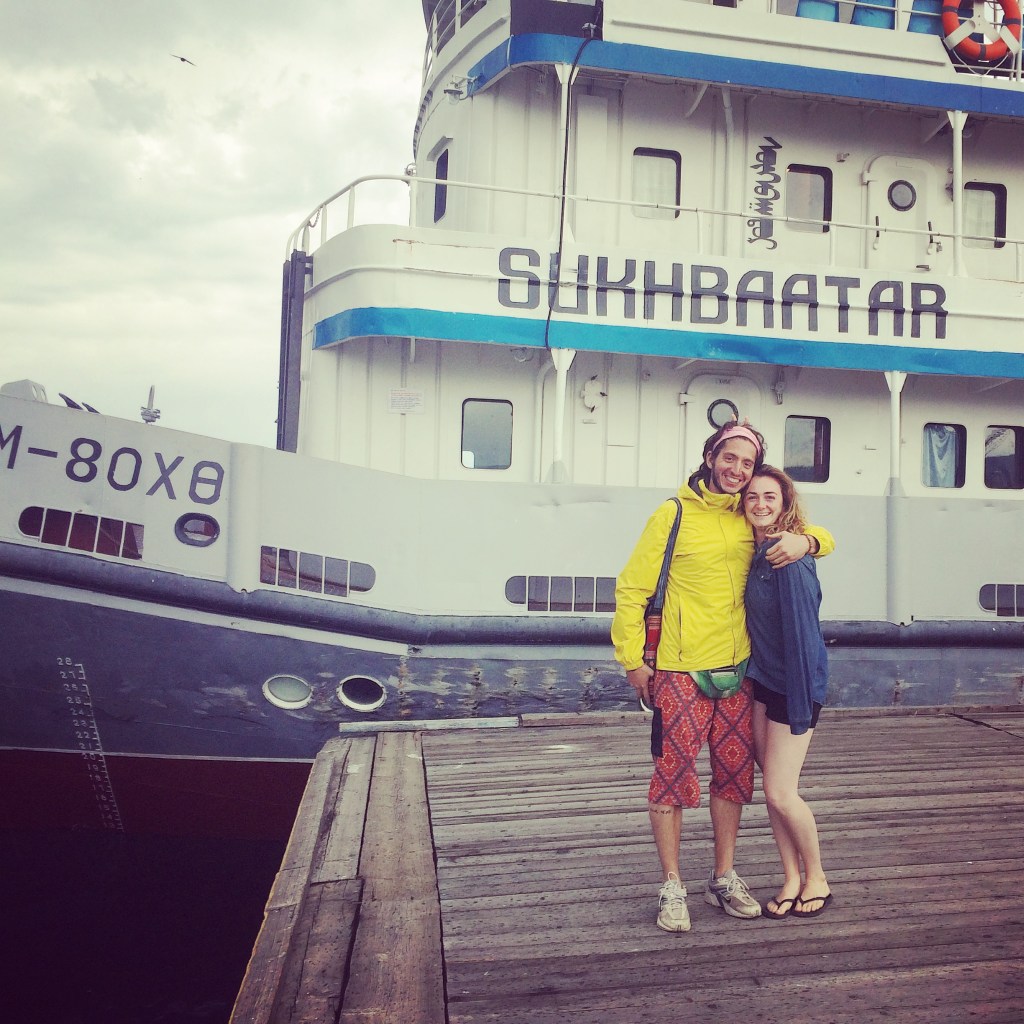
2. Boat ride: There are several boat tour companies operating at Lake Khövsgöl, offering a range of different trips. You can choose to take a leisurely tour around the lake, or opt for a more energetic white-water rafting adventure. Either way, the views from the water are breathtaking.
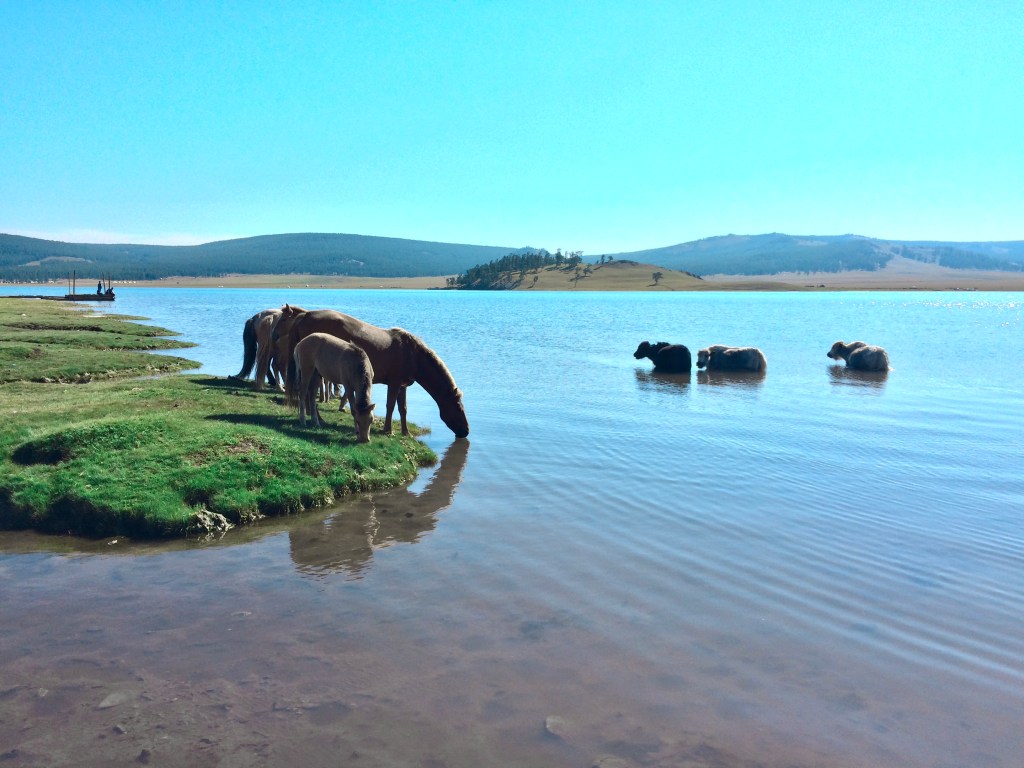
3. Horseback Riding: Horseback riding is a popular activity at Lake Khövsgöl, with many companies offering guided tours through the surrounding countryside. This is a great way to experience the landscape in a more traditional way and get off the beaten track.
4. Star Gazing: As the lake is located in a remote area, the night sky is a sight to behold. The stars are bright and clear, and there are several companies offering guided stargazing tours. This is a great way to relax and take in the beauty of the night sky.
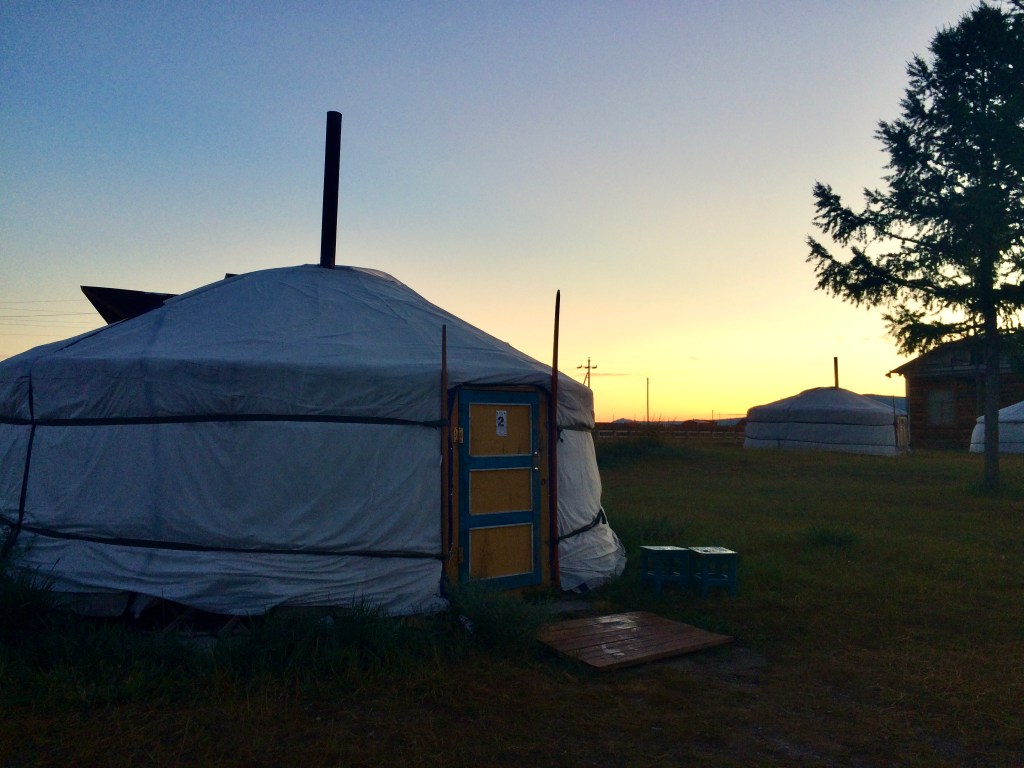
5. Sleeping in a Ger (yurt): A Ger (yurt) is a traditional Mongolian tent made of felt and canvas. Many of the accommodations at Lake Khövsgöl offer the chance to stay in a yurt, giving you the chance to experience the local culture firsthand.
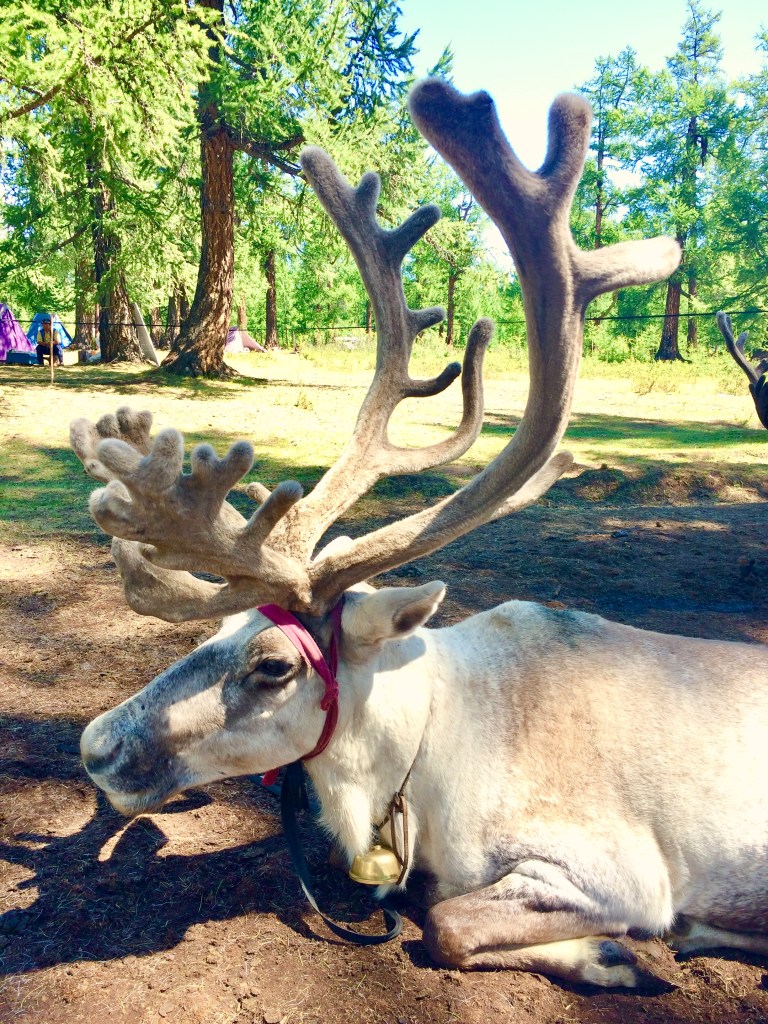
6. Visiting the reindeer herding tribe: One of the most unique experiences at Lake Khövsgöl is the opportunity to visit a reindeer herding tribe. You can learn about their traditional way of life and even get the chance to help out with the reindeer, they come down in the summer months from the high mountains.
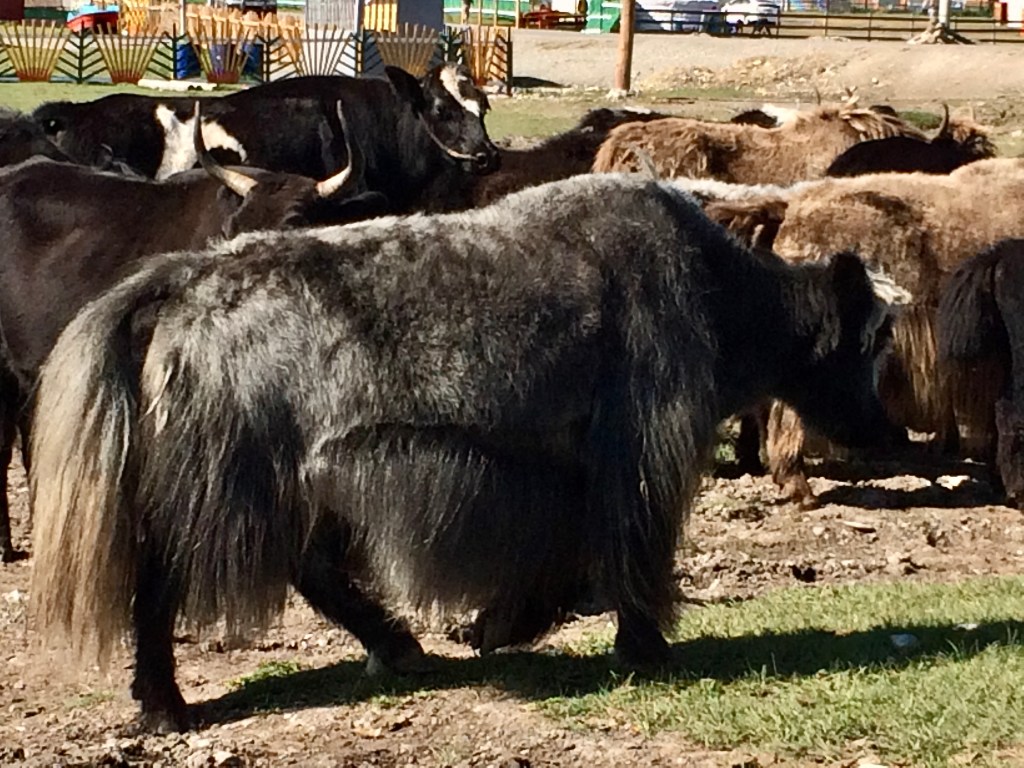
7. Petting a Yak: Another fun activity at Lake Khövsgöl is the chance to pet and feed a yak. These majestic animals are a common sight in the area, and you can get up close and personal with them.
8. Meeting a Golden Eagle: The Golden Eagle is an iconic symbol of Mongolia, and at Lake Khövsgöl, you can see one up close and even have the chance to see one yourself (under the guidance of a trained professional, of course). It’s an experience you won’t forget!
Lake Khövsgöl is an incredible destination that offers something for everyone. Whether you’re into hiking, horseback riding, or just soaking up the beauty of nature, this place has it all. So, if you’re looking for an adventure, put Lake Khövsgöl at the top of your list.
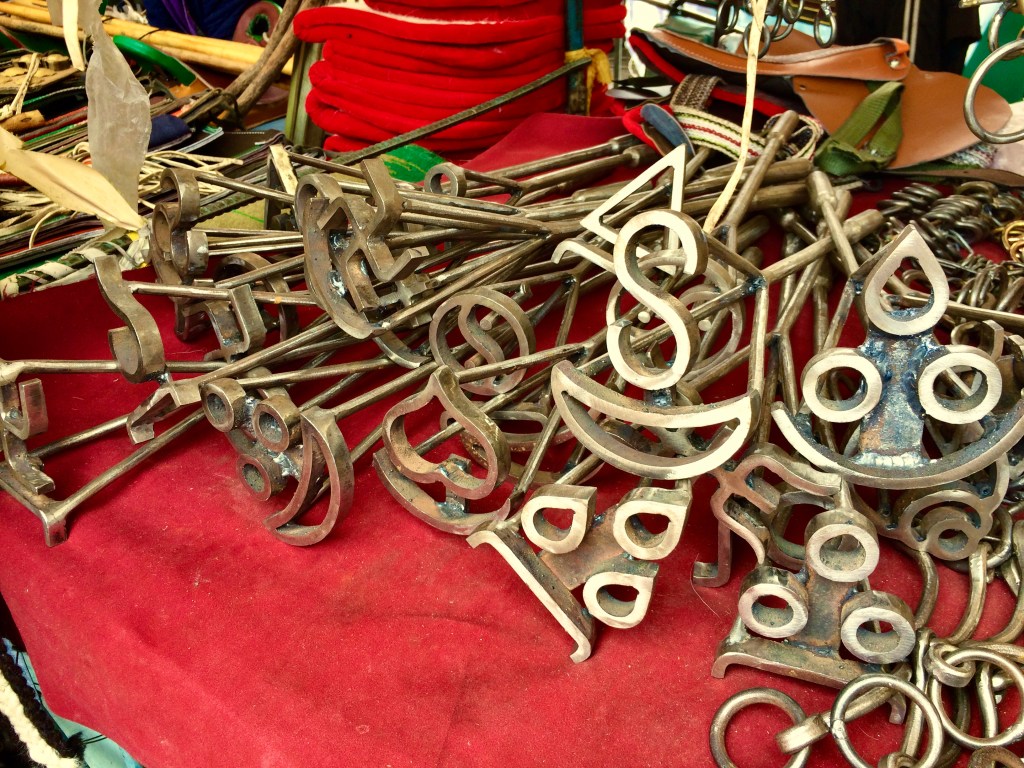
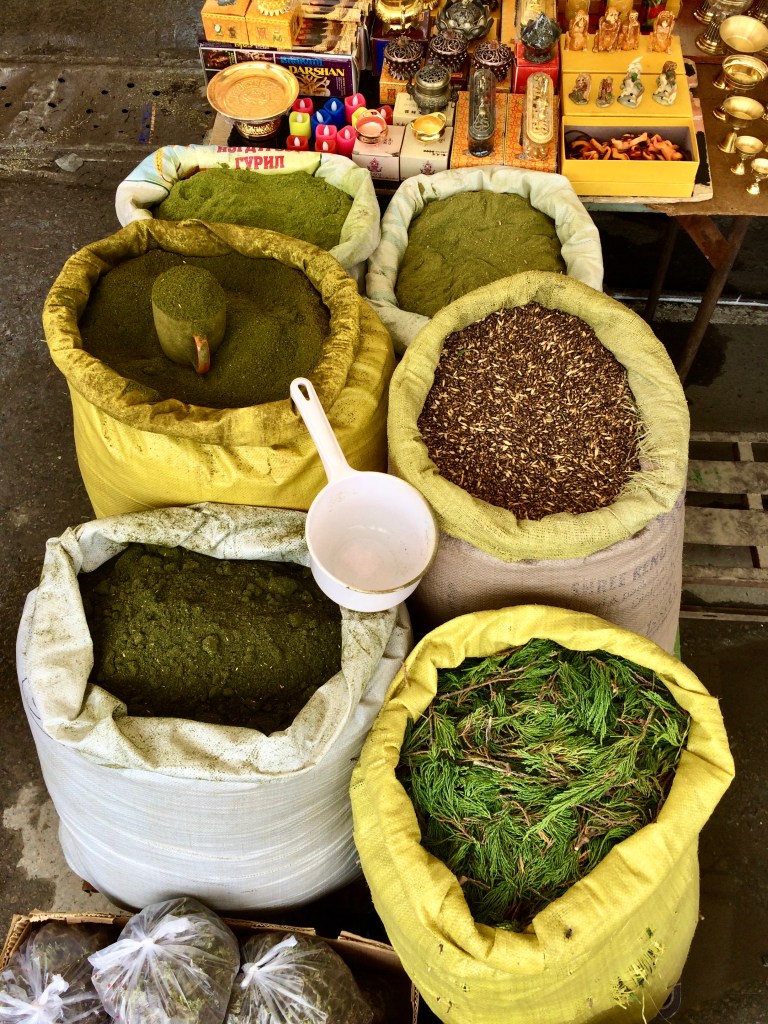
As I walked through the bustling Naran Tuul Market in Ulaanbaatar, Mongolia, I am immediately struck by the abundance of unique and exotic goods on display. From high mountain herbs and spices to building materials, there seems to be something for everyone.
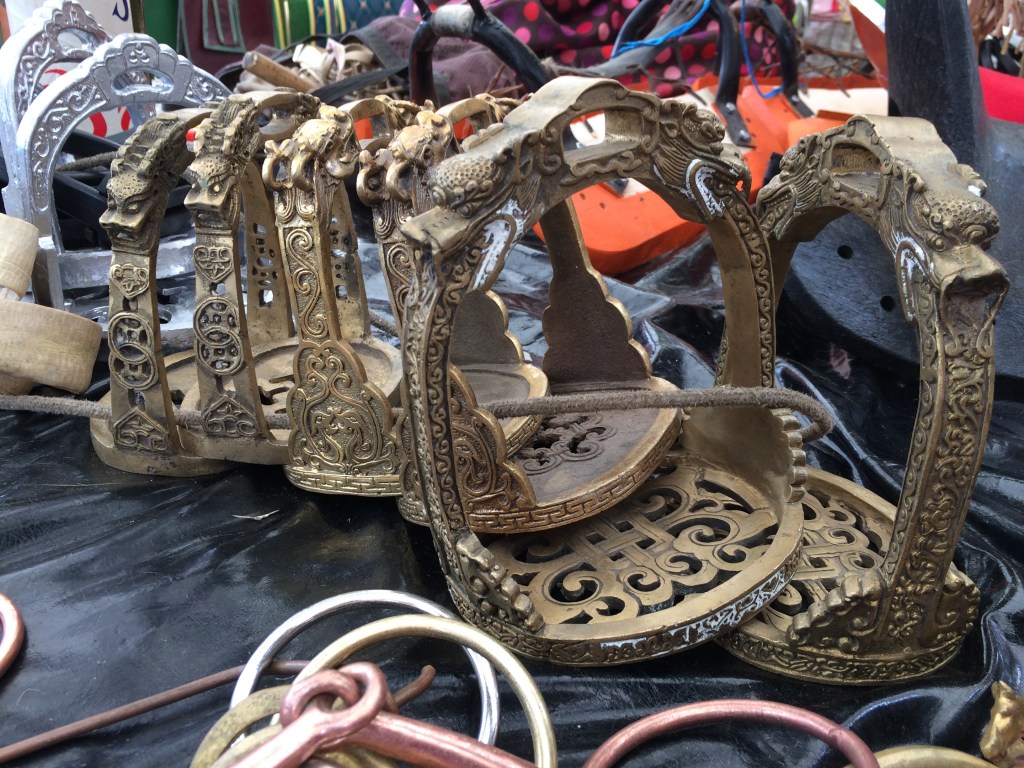
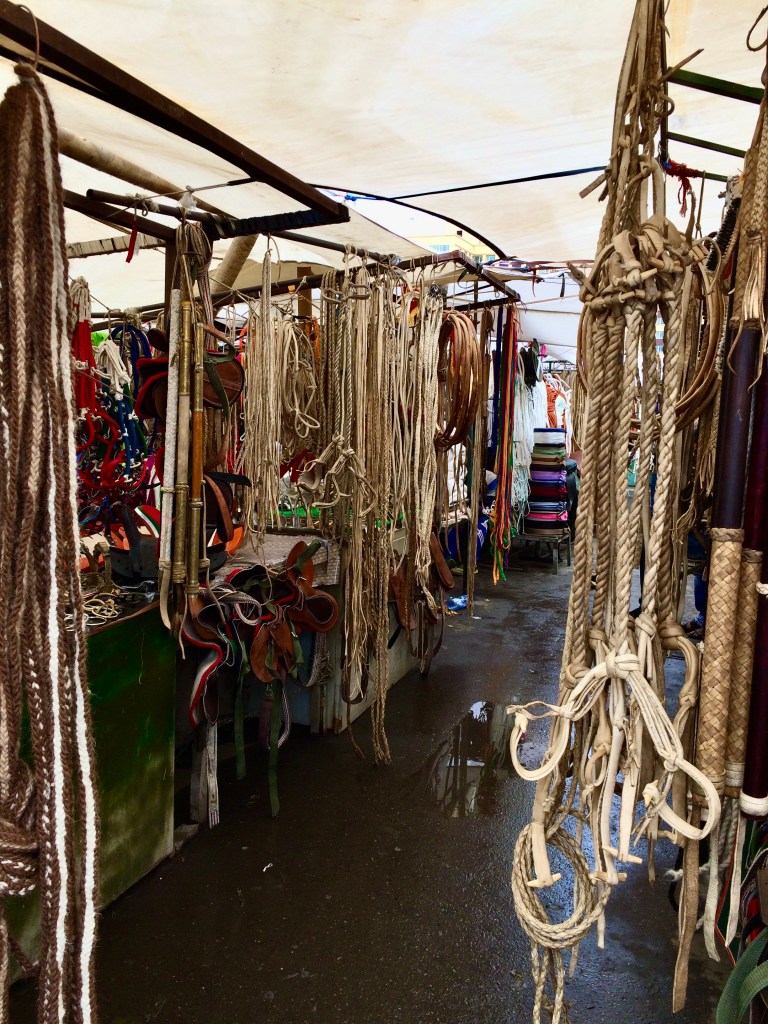
One of the first things that caught my eye was a stall filled with horse and camel riding saddles. The intricate and beautifully crafted saddles, whips and ropes are a testament to the nomadic heritage of the Mongolian people.
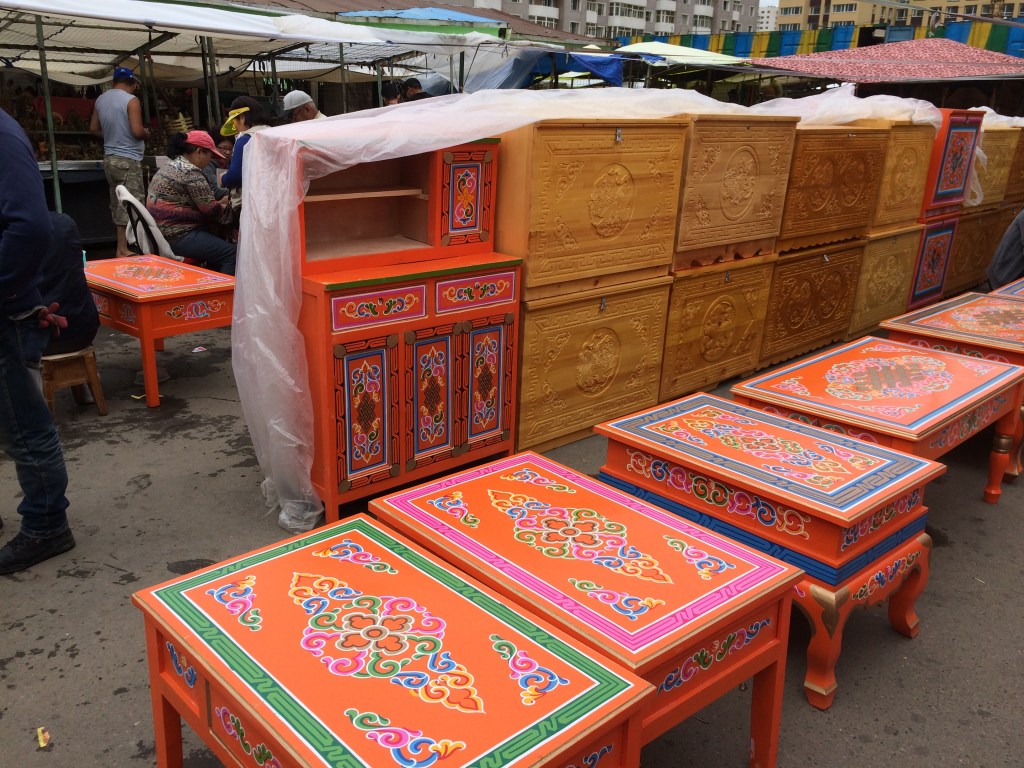
As I continued down the crowded aisle, I came across a booth filled with hand-painted Mongolian furniture. These pieces are truly one-of-a-kind, with intricate patterns and designs that reflect the vibrant culture of this fascinating country. I am tempted to buy a piece for myself, but decide to hold off for now and continue exploring.
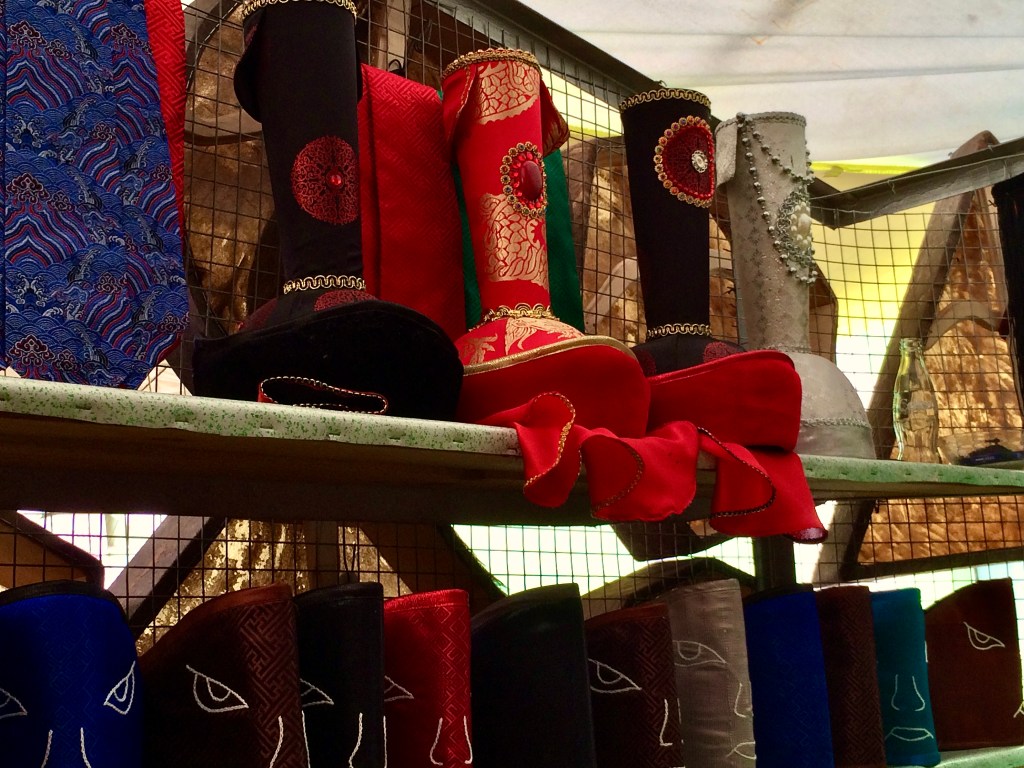
I saw a stall selling traditional Mongolian hats and clothing. I have to admit, I couldn’t resist trying on a few of the colorful and intricately embroidered hats. I am in awe of the craftsmanship and attention to detail that goes into each and every piece.
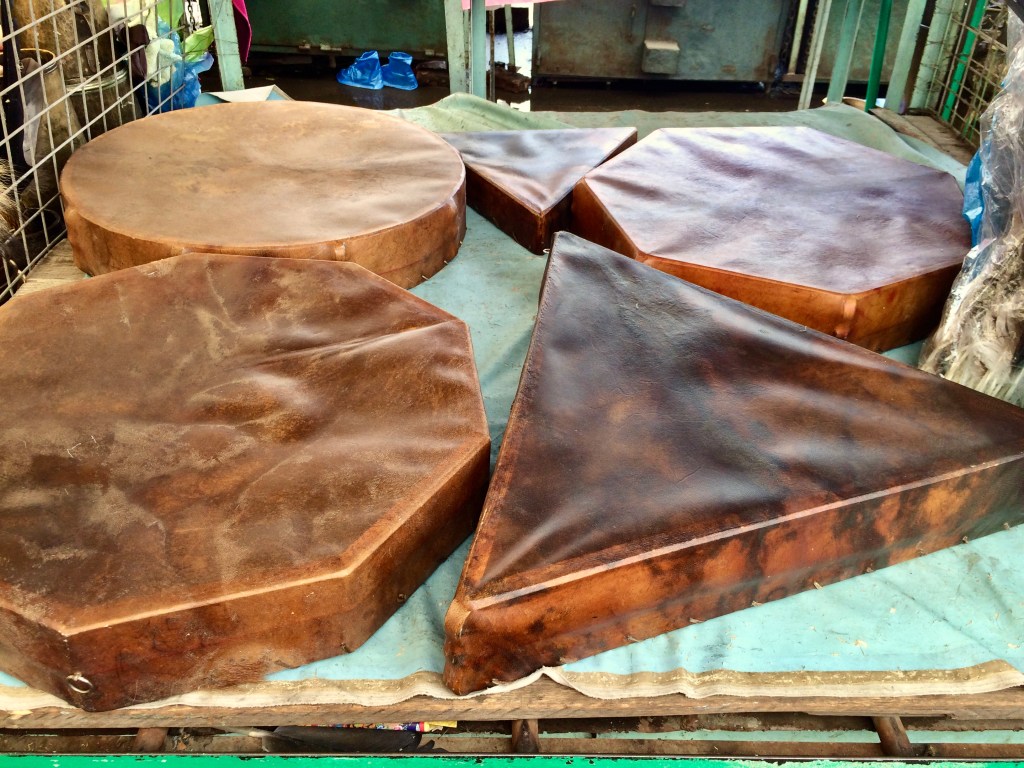
Wandering further into the market, I was drawn to a stall selling trinkets and leather crafts such as hide drums. I can’t help but admire the intricate patterns and designs on these beautiful instruments.
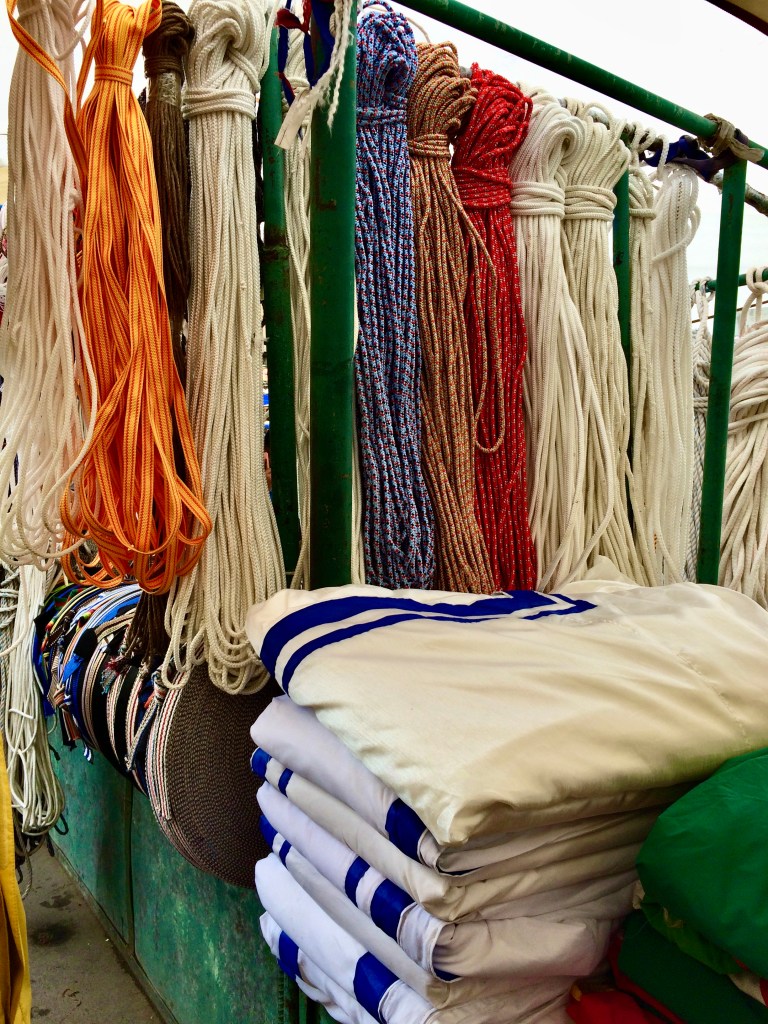
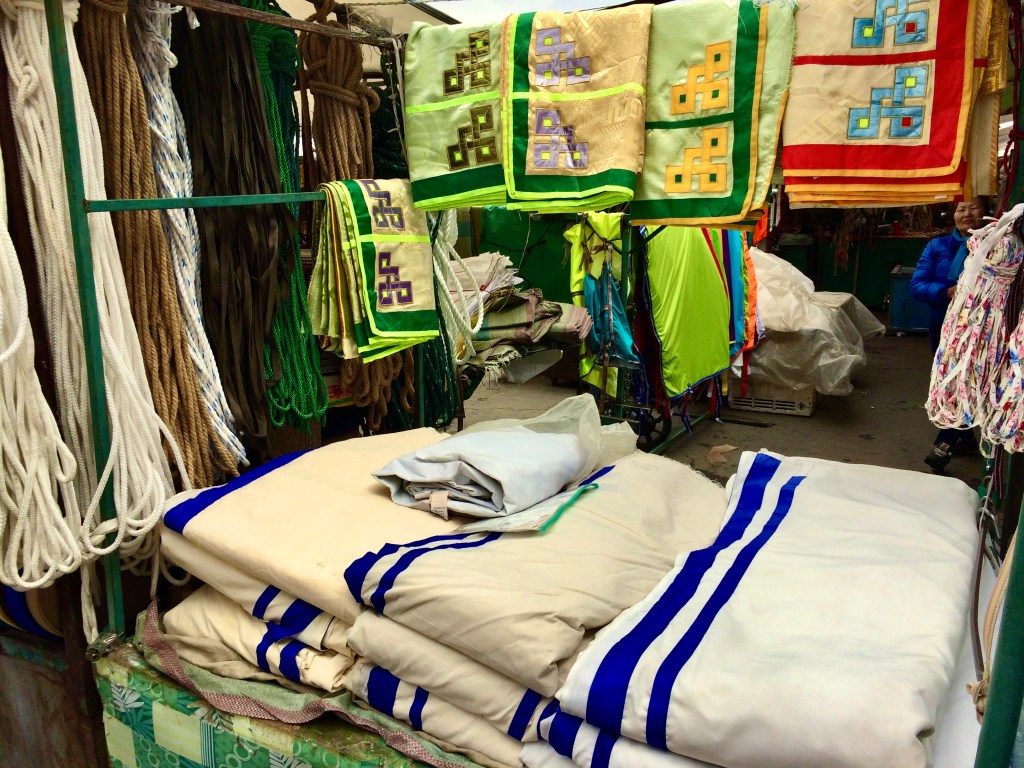
One of the coolest thing at this market was Ger (yurt) building materials. These portable tents are used by nomadic Mongolian families. They are made from a wooden frame covered in felt, then wrapped in waterproof fabric an secured with rope. All the materials used to create these yurts, including the felt, wood, and ropes, can all be found here. It was so interesting that while at the market, you can also house shop for a new Ger! In the U.S.A. supplies for a Yurt cost a few thousand dollars, while here at this market its a few hundred.
Visiting the markets in Ulaanbaatar was a truly memorable and eye-opening experience. From the wide array of goods on offer to the friendly and welcoming vendors, I have truly felt immersed in the culture and traditions of this fascinating country. I can’t wait to return!
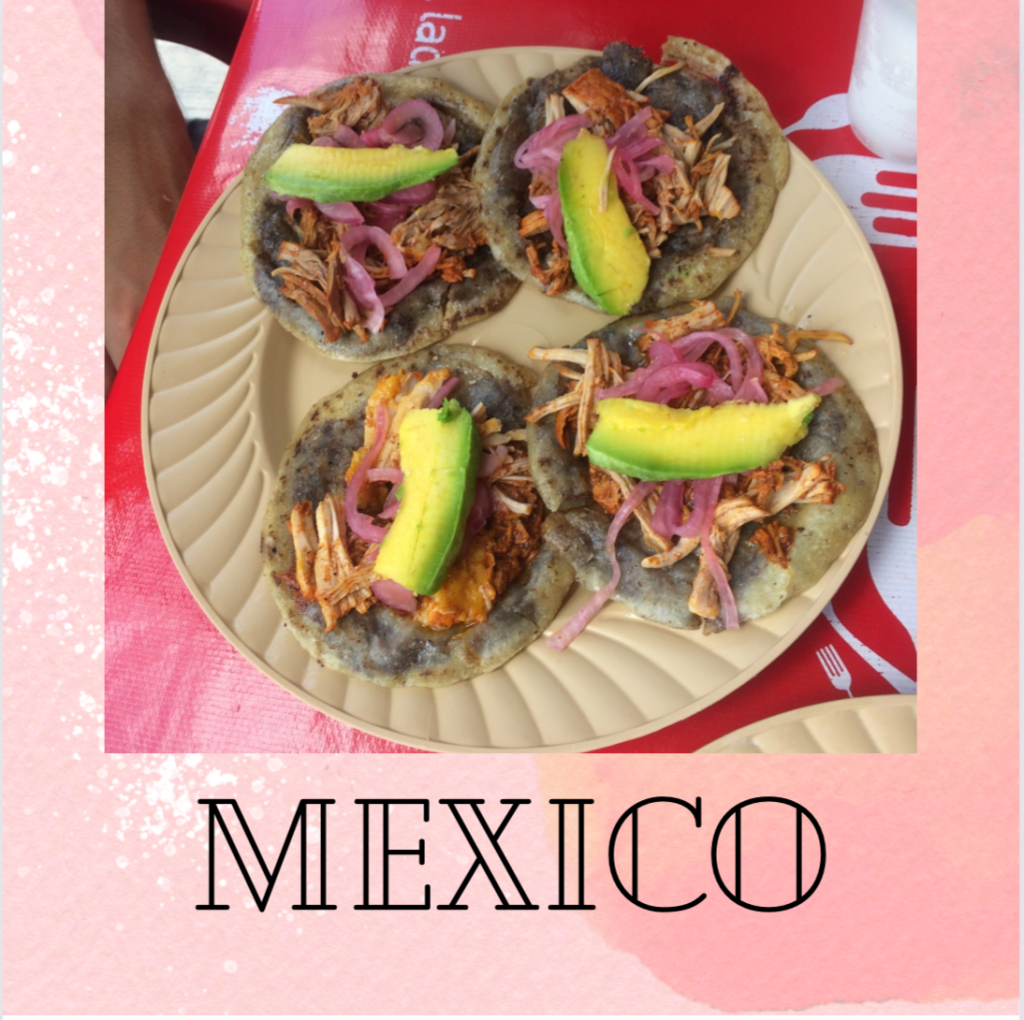
Funky Facts: Home to Frida Kahlo, Guillermo del Toro, Carlos Santana, and Salma Hayek, Mexico has some of the world’s best food. The cuisine from Mexico won the honor of being listed by UNESCO as an Intangible Cultural Heritage of Humanity.
As someone who loves trying new and exciting foods, Mexico is definitely a country that I have always wanted to visit. From the rich flavors of mole to the spicy kick of salsa, Mexican cuisine has always fascinated me. Here are my top 10 amazing foods to try in Mexico:
1. Chilaquiles: This traditional Mexican breakfast dish is made with fried tortilla chips, salsa, and often scrambled eggs or chicken. It’s a perfect combination of crunchy and savory, and it’s definitely a must-try for anyone visiting Mexico. I have seen them in red and green sauces, my preference was the red sauce.
2. Al Pastor: Tacos Al Pastor are a staple of Mexico City cuisine and for good reason. The best are filled with grilled meat cooked on a giant trompo (upright rotisserie wheel). I especially love the street vendors who serve up freshly cut pineapple in their tacos.
3. Tamales: Tamales are a traditional Mexican dish made of masa (corn dough) that is steamed or boiled in a banana leaf or corn husk. They can be filled with a variety of ingredients, including meat, cheese, and vegetables, and are a popular street food in Mexico.
4. Enchiladas: Enchiladas are another popular Mexican dish made of corn tortillas rolled around a filling and covered in a spicy sauce. The filling can be made of a variety of ingredients, such as chicken, beef, or vegetables, and the sauce is usually made from chili peppers.
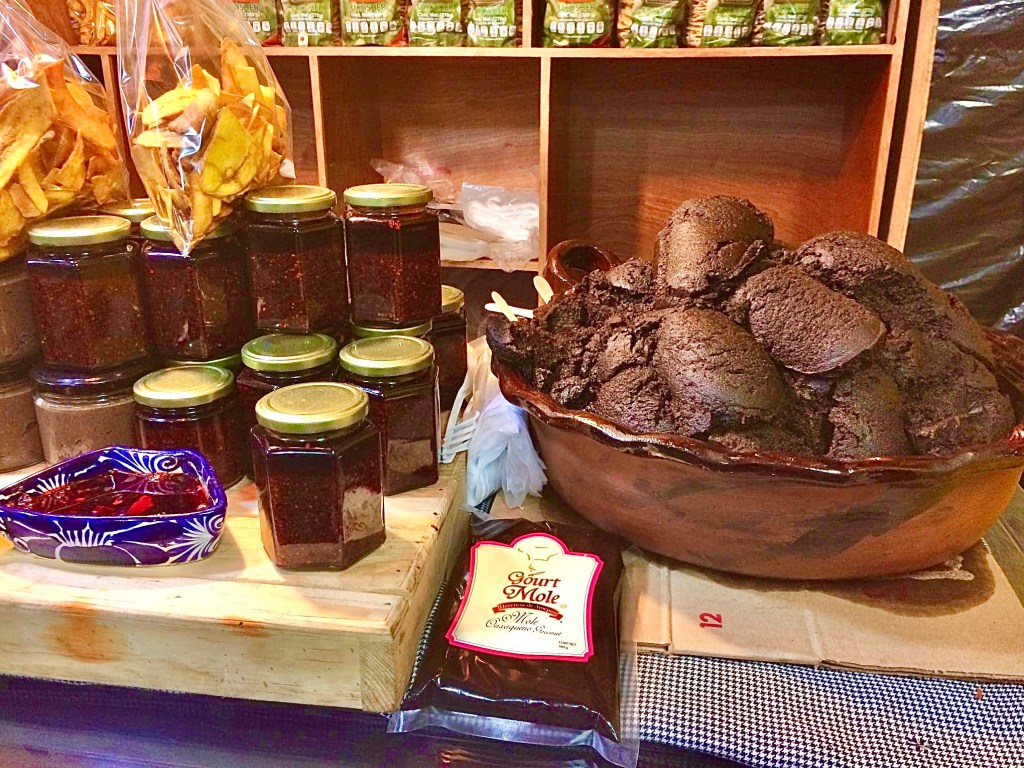
5. Mole: Mole is a traditional Mexican sauce made from a blend of spices, nuts, and chocolate that is used to flavor dishes like chicken and beef. It is typically served with rice and beans and is a staple at special occasions and celebrations in Mexico.
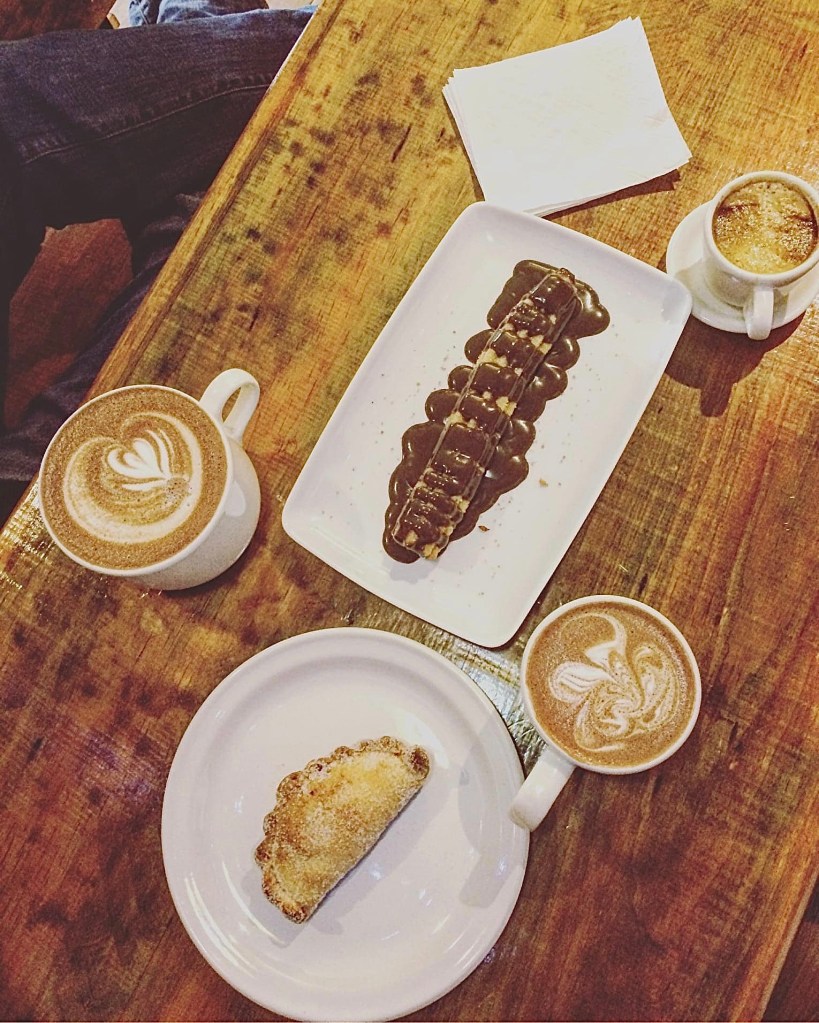
6. Churros: Churros are a popular sweet treat in Mexico, made of deep-fried dough and coated in sugar. They are often served hot and are a popular street food, especially during the cooler months.
7. Ceviche: Ceviche is a seafood dish made with raw fish or seafood that is marinated in citrus juice, typically lime or lemon. It is a popular dish in coastal regions of Mexico and is often served with chips or crackers as a snack.
8. Empanadas: Empanadas are a type of pastry that is filled with a variety of ingredients, including meat, cheese, and vegetables, and then baked or fried. They are a popular snack in Mexico and are often served at parties and special events.
9. Pozole: Pozole is a traditional Mexican stew made with hominy (corn kernels) and meat, typically pork. It is often flavored with spices and chilies and is served with a variety of toppings, such as lettuce, avocado, and radishes.
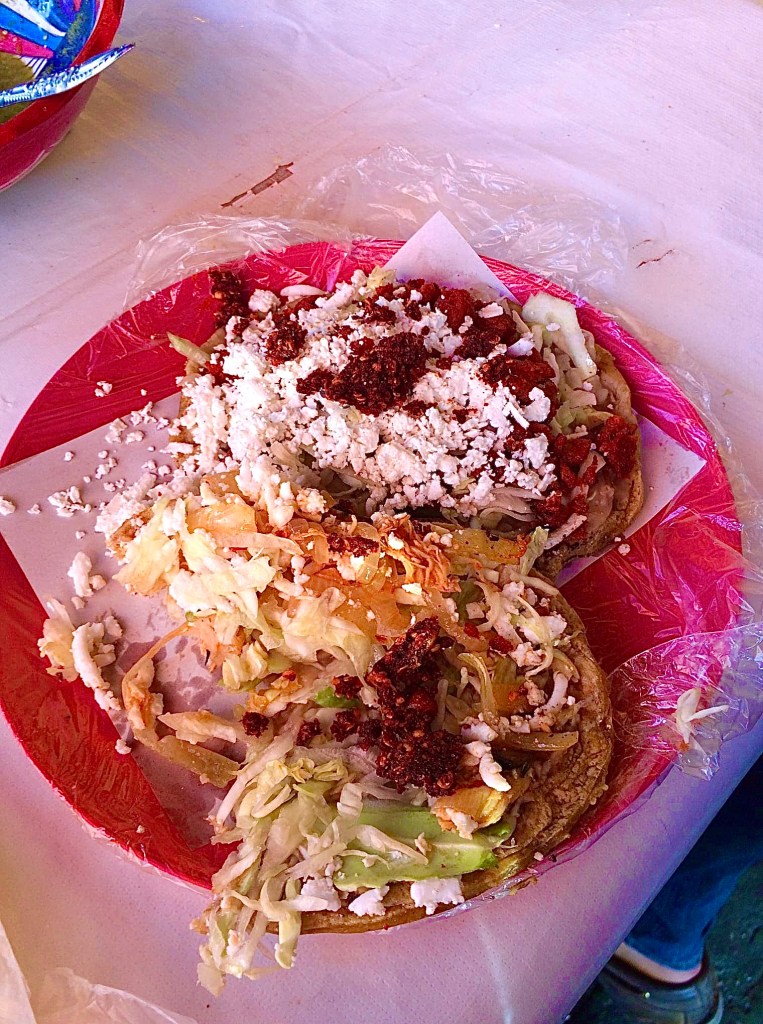
10. Tostadas: Tostadas are a popular Mexican street food made of a deep-fried or toasted tortilla topped with a variety of ingredients, such as beans, cheese, and meats. They are a great option for a quick and satisfying snack while on the go in Mexico.
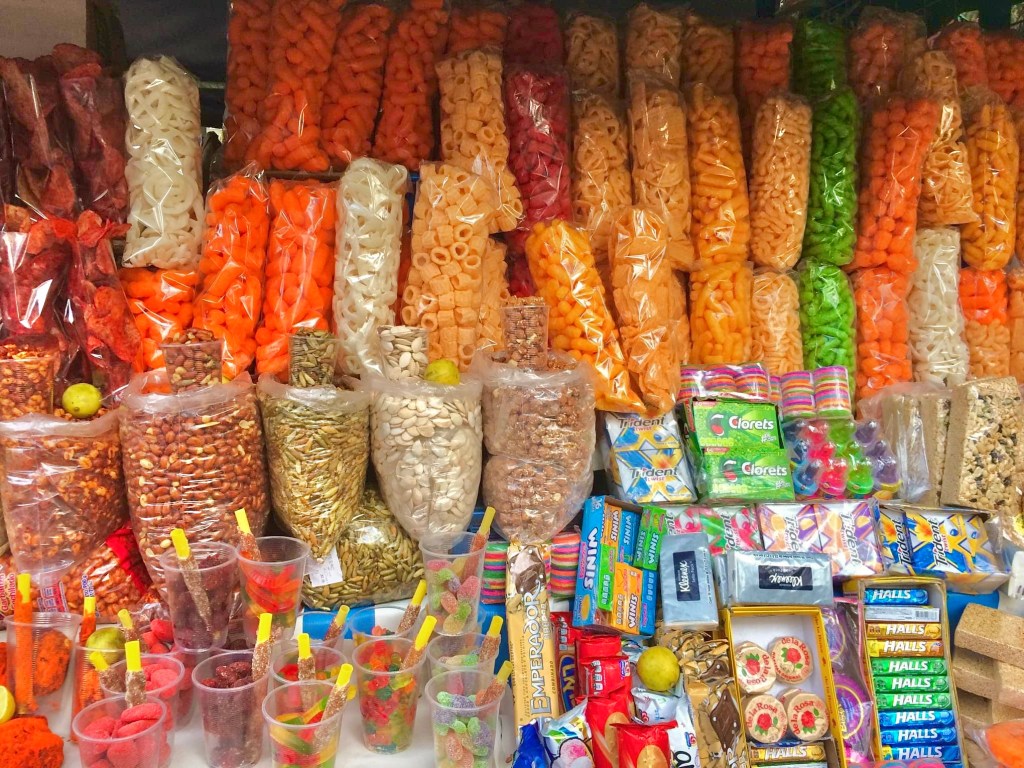
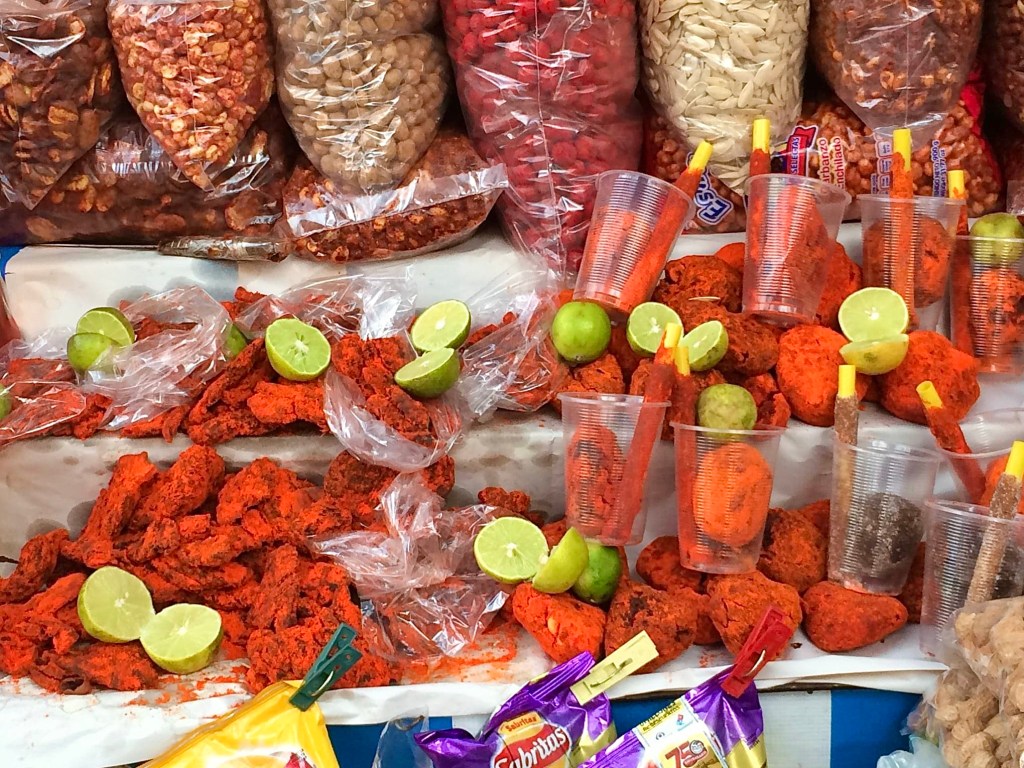
11. Fresh Fruit or Candy with Chamoy: The ingredients in a Mexican fruit cup include chile, Chamoy, Sugar and lime with a variety of fresh fruit, such as mango, papaya, and pineapple or candy. To add a spicy kick, the fruit/candy is typically sprinkled with a blend of ground chile powder, sugar and lime juice. Other ingredients may include a splash of orange juice or honey for added sweetness. This refreshing and colorful dish is a popular snack in Mexican cuisine and is often served from street carts.
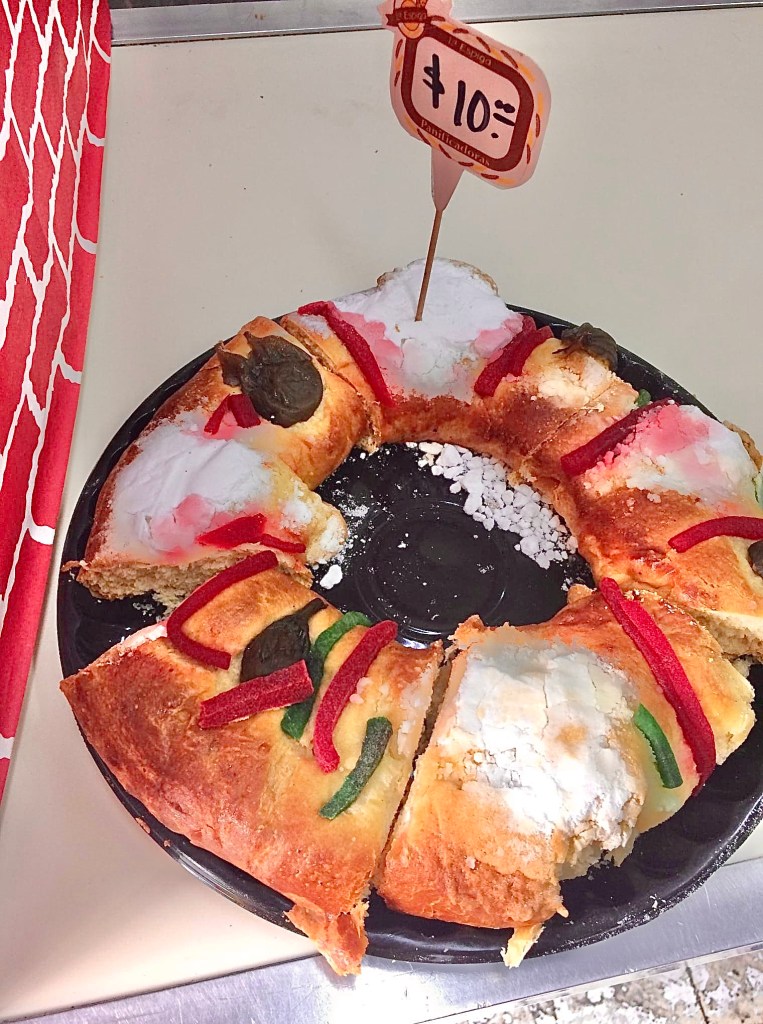
12. Rosco de Reyes: Rosco de Reyes desert is a traditional Mexican dessert that is typically served on January 6th, also known as Epiphany or Three Kings’ Day. It is a sweet bread that is baked in the shape of a crown and is filled with small figurines that represent the baby Jesus. The person who finds the figurine in their slice of Rosco de Reyes is expected to host a party on February 2nd, also known as Candlemas. The desert is often served with a hot beverage, such as chocolate or coffee, and is enjoyed by people of all ages. It is a special treat that is associated with the celebration of the holiday season in Mexico.
The food in Mexico is so amazing and diverse, there is always something new and exciting to try! If you are a foodie like me, be sure to add these amazing foods to your list of must-tries on your next visit to Mexico.
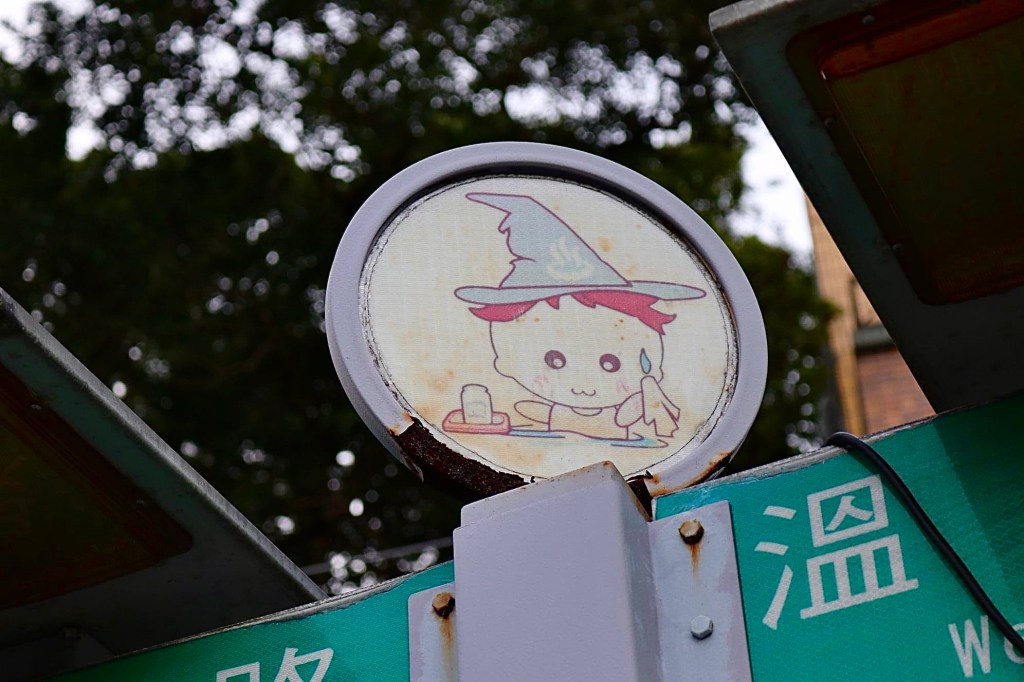
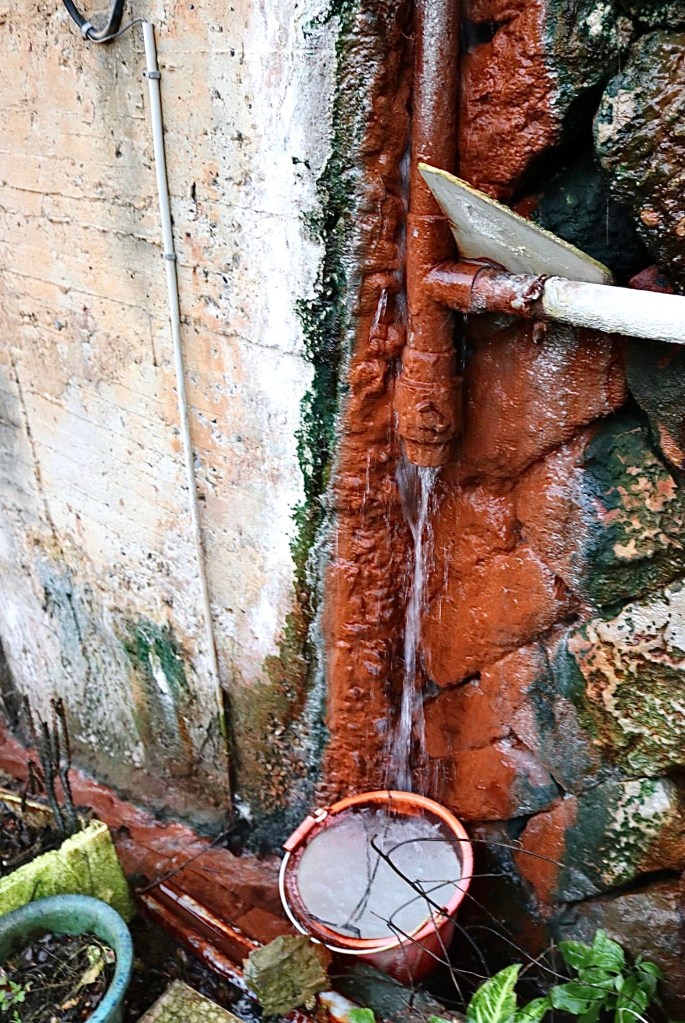
Located right next to the hot springs, this museum offers a fascinating look at the history of the area and how it became a popular destination for soaking and relaxation. You’ll learn about the different types of hot springs found in Beitou, as well as the various minerals that are believed to have health benefits. The museum also has a collection of vintage bathtubs and other artifacts from the early days of the hot springs.
2. Take a walk along the Beitou River:
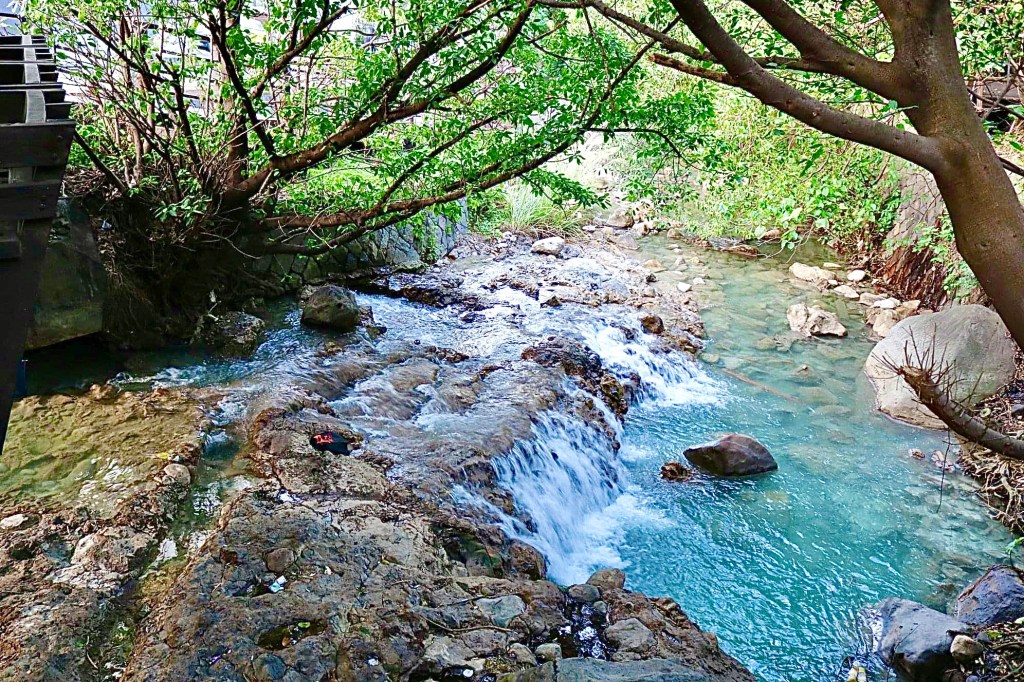
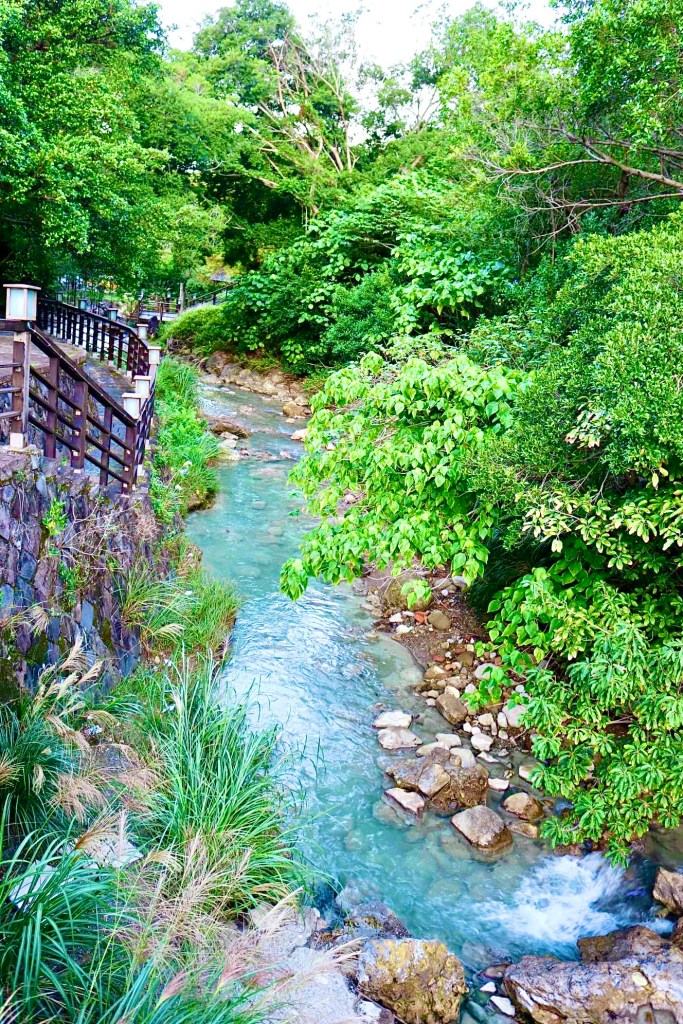
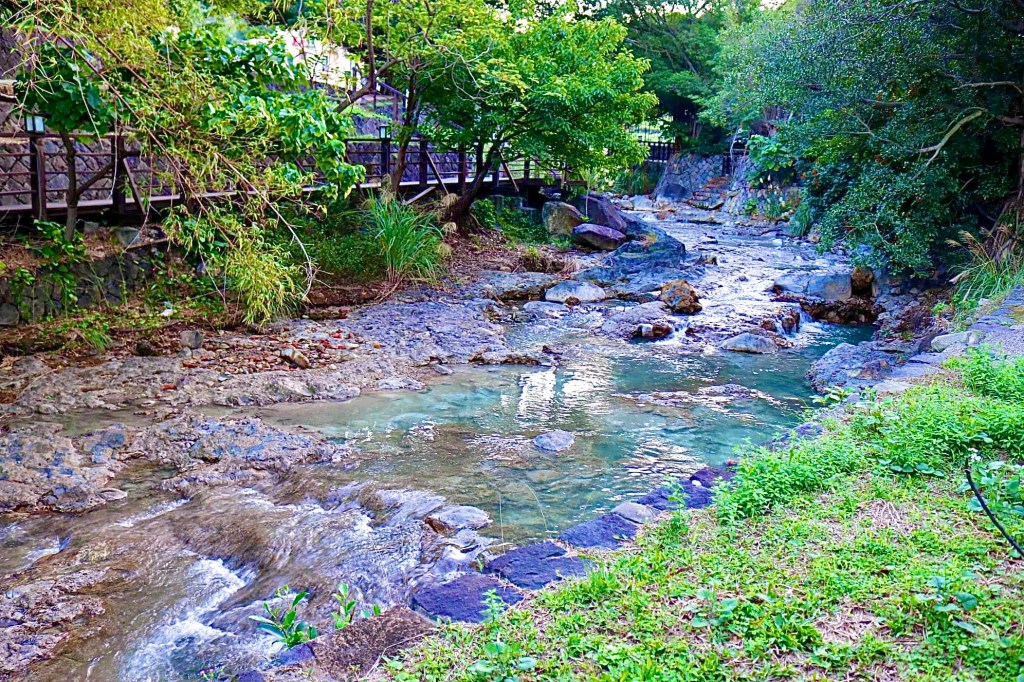
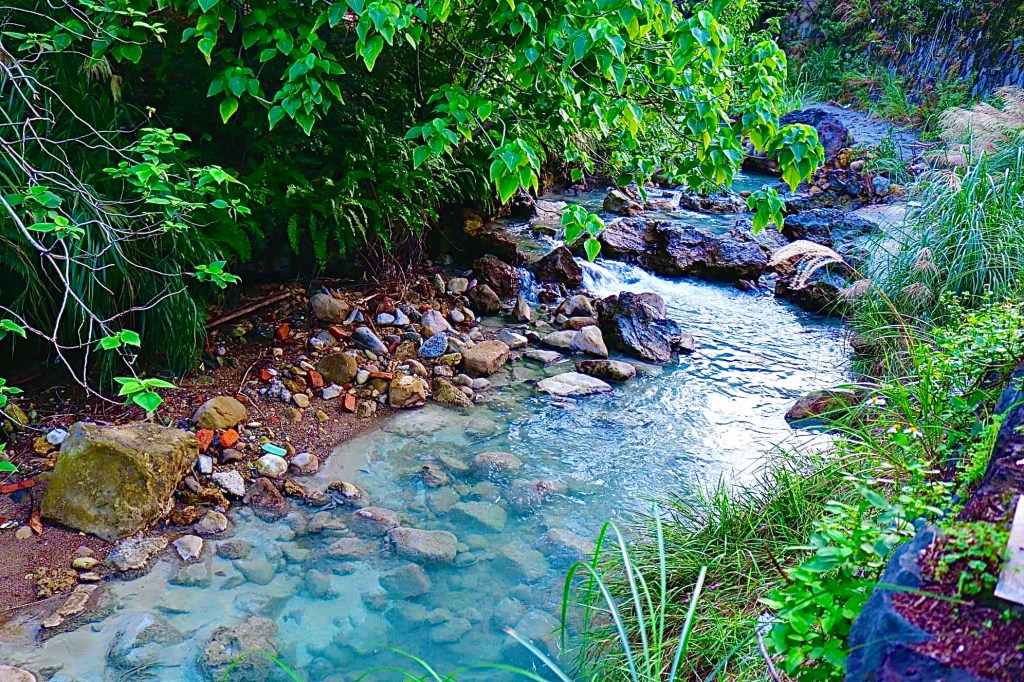
After soaking in the hot springs, take a leisurely stroll along the river that runs through the town. The river is surrounded by lush vegetation, and you’ll see a number of small bridges and waterfalls along the way. It’s a peaceful and tranquil spot to relax and take in the sights and sounds of nature.
3. Ride the MRT to Beitou:
To get to the hot springs, you can take the MRT (Taiwan’s mass rapid transit system) to the Beitou station. From there, it’s just a short walk to the hot springs area. The MRT is an easy and convenient way to get around Taipei and the surrounding areas, and it’s a great way to avoid traffic and parking issues. The Beitou line is uniquly themed like the inside of a Hot Springs Spa.
4. Learn about the history of Beitou as a Japanese hot springs:
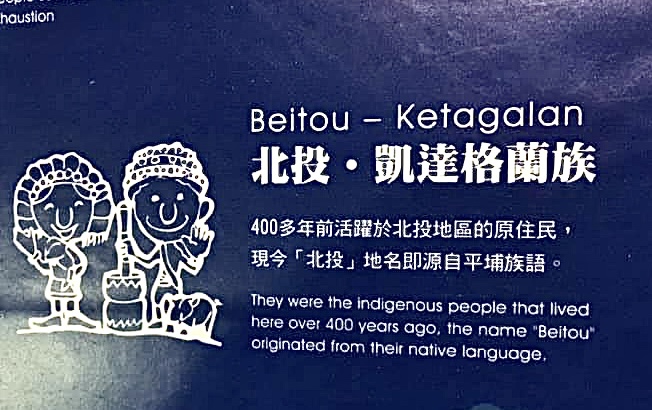
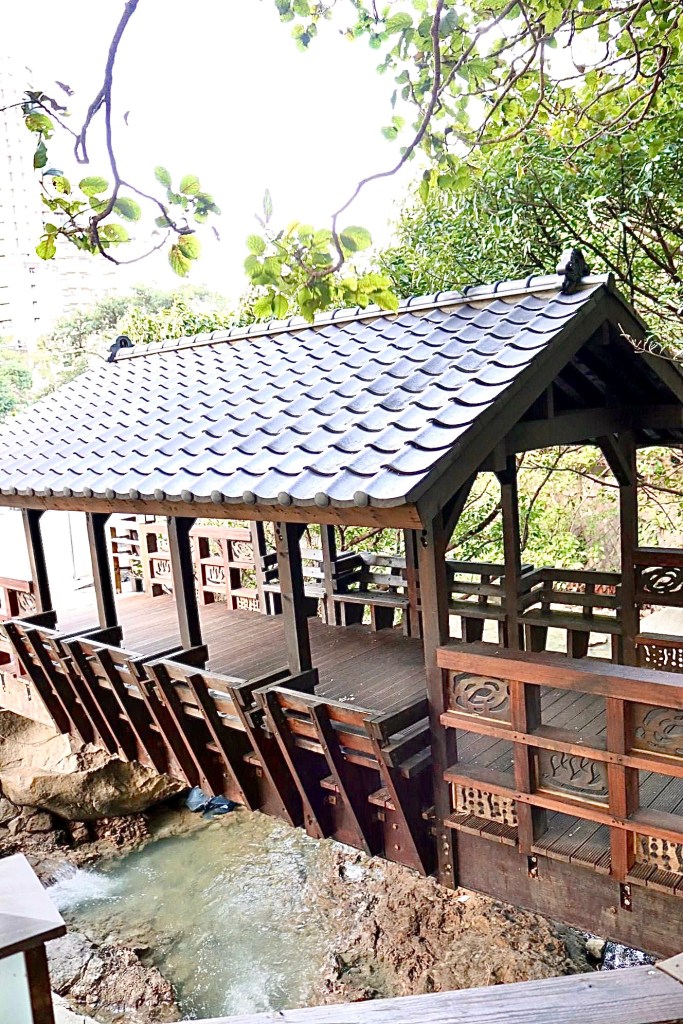
Beitou has a rich and interesting history and was developed during the Japanese occupation in Taiwan. In the late 19th and early 20th centuries, Beitou was known as a fashionable and luxurious spot for soaking and relaxation. Today, you can still see some of the remnants of that history in the traditional Japanese-style baths and buildings that are found throughout the area.
5. Visit a Hot Spring!
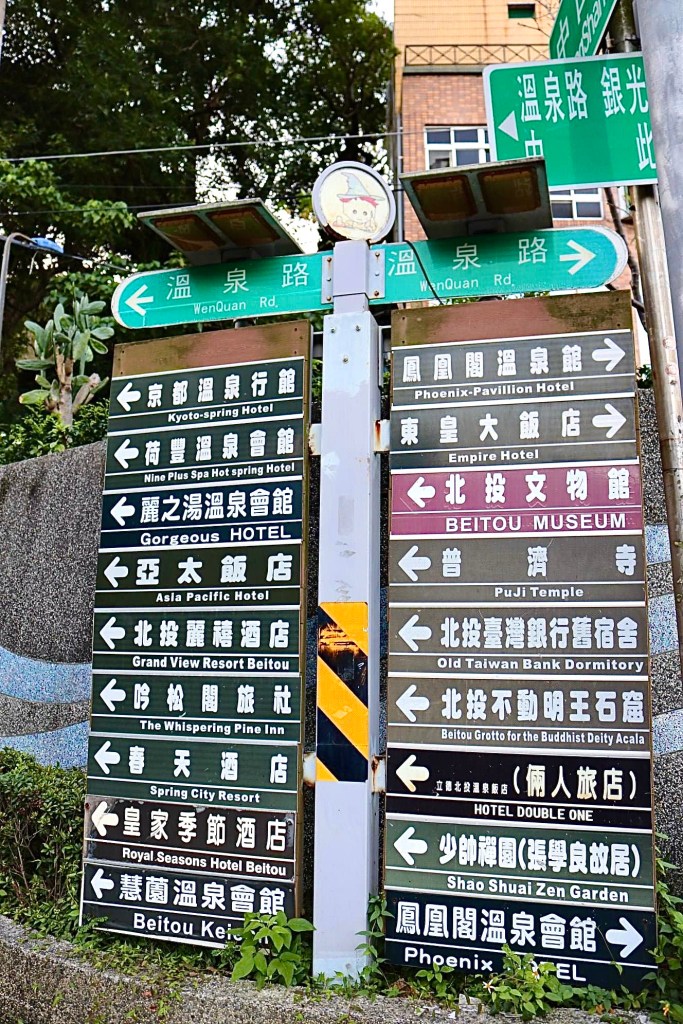
There are dozens scattered around the small town. You can chose a public or a private spring.
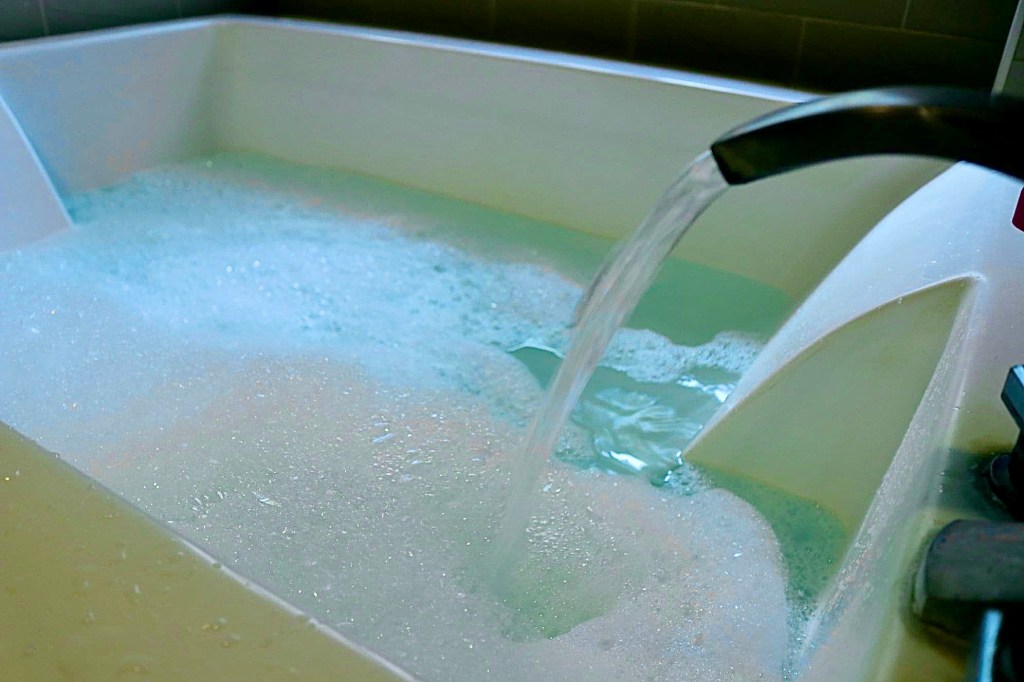
NOTE: I found that some public springs require swim caps, and conservative bathing suits, and do NOT allow visible TATTOOS. So I choose to rent a private hotel room for the night that had a hot springs bathtub! It was awesome and cost about $100 USD.
Beitou Hot Springs is a must-visit destination for anyone interested in hot springs, history, or just looking for a relaxing and rejuvenating getaway. Whether you’re soaking in the hot springs, exploring the museum, or taking a walk along the river, there’s something for everyone in magical Beitou.
Funky Fact: Nature is all over in Portland, sometimes in the city there are sighting of bald eagles, great blue herons, peregrine falcons, and coyotes.
As an avid photographer living in Oregon, I have had the pleasure of exploring and discovering some truly breathtaking photography spots throughout the state. From lush forests to rugged coastlines, Oregon has no shortage of awe-inspiring natural beauty. Here are my top 10 picks for the best Oregon aesthetic photography spots:
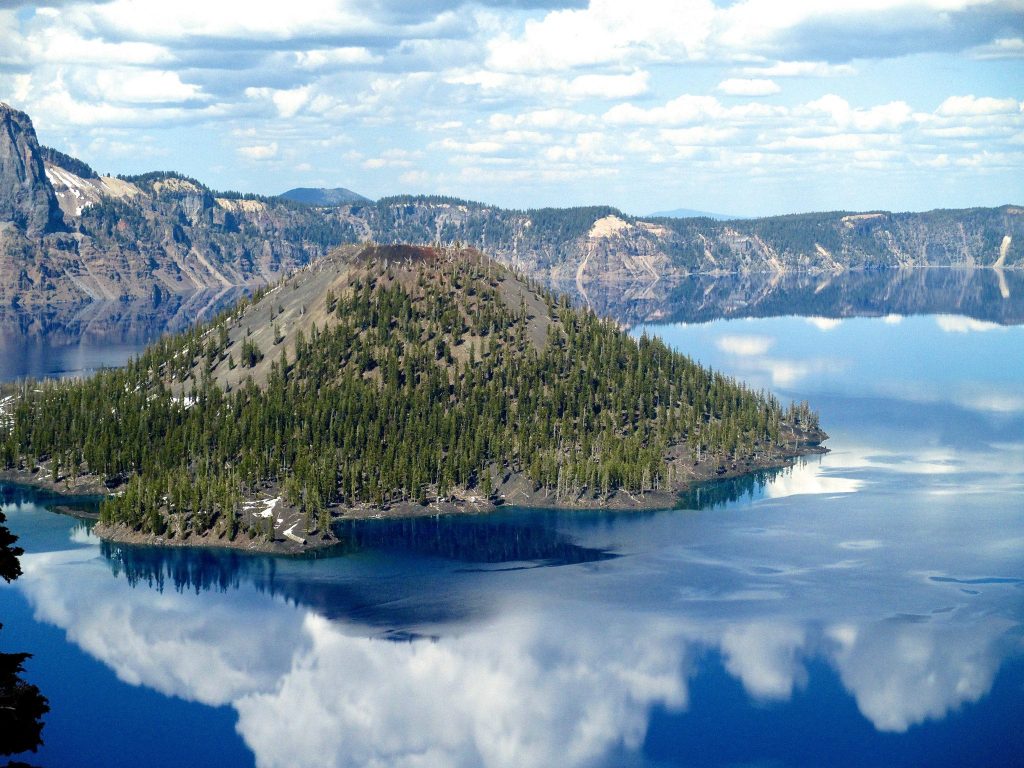
1 Crater Lake – Crater Lake National Park is stunning lake, located indside a colapsed mountain in the Cascade Range. It offers breathtaking views of the crystal clear water and surrounding landscape.
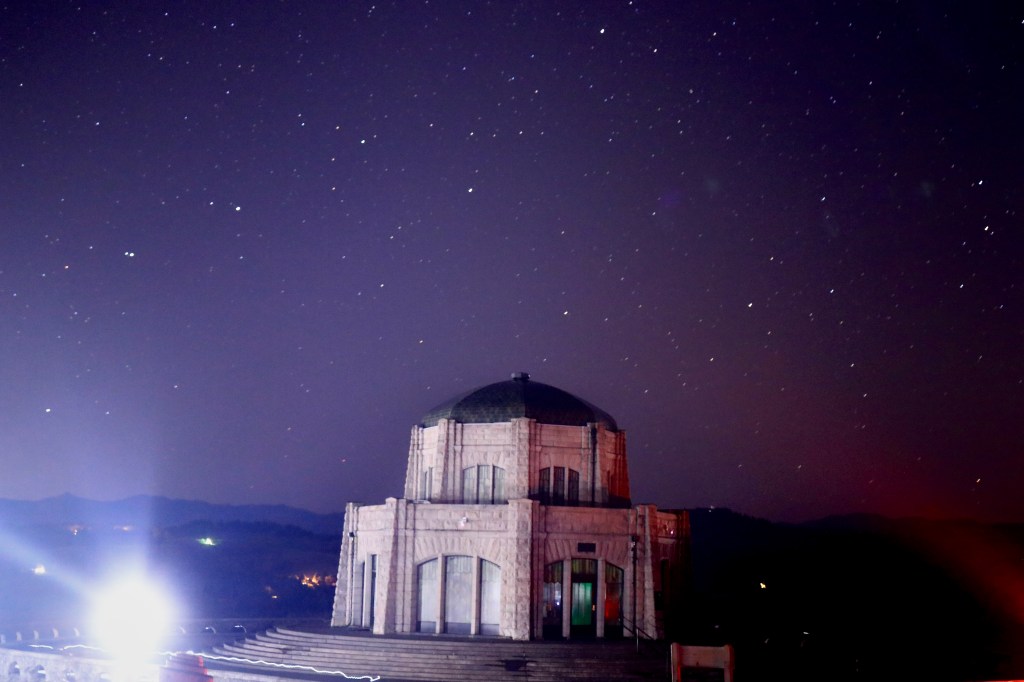
2. The Gorge – The Columbia River Gorge offers a variety of landscapes including waterfalls, forests, and cliffs, making it a great spot for capturing stunning images.
3. Mount Hood – The tallest mountain in Oregon, Mount Hood offers stunning views of the surrounding landscape and is a great spot for capturing dramatic mountain scenes.
4. Portland Japanese Garden – This beautiful garden located in Portland is filled with serene waterfalls, koi ponds, and stunning plants and trees.
5. The Oregon Coast – The coast offers a variety of landscapes including sandy beaches, rocky cliffs, and stunning sunsets.
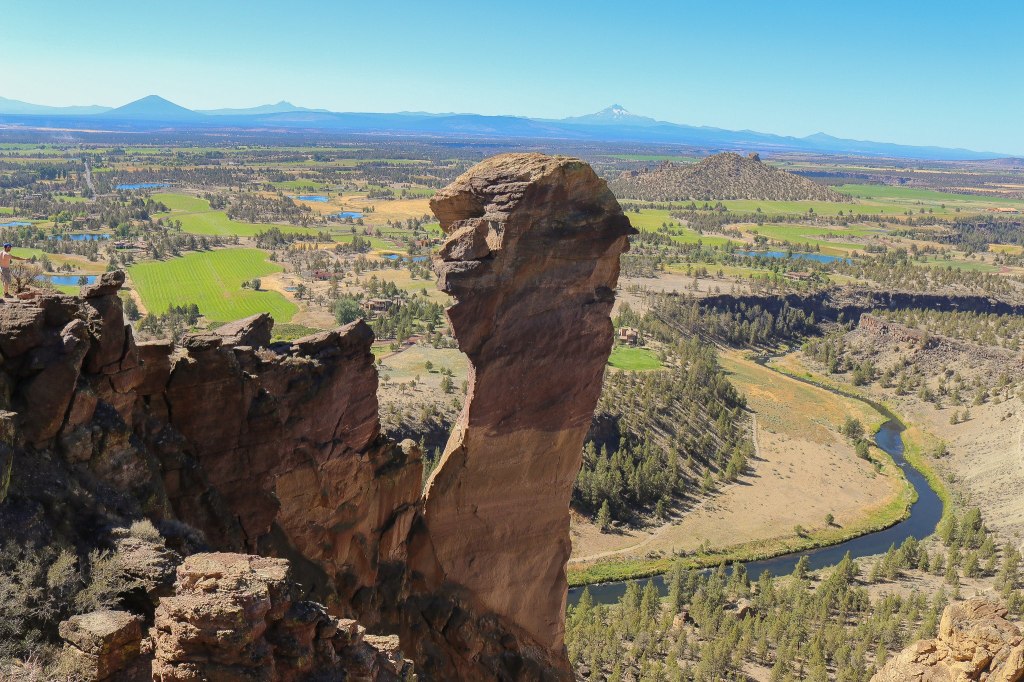
6. Smith Rock State Park – Smith Rock State Park offers stunning rock formations, cliffs, and waterfalls, making it a great spot for capturing dramatic landscape images.
7. Multnomah Falls – This iconic waterfall located in the Columbia River Gorge is a must-visit spot for any photographer.
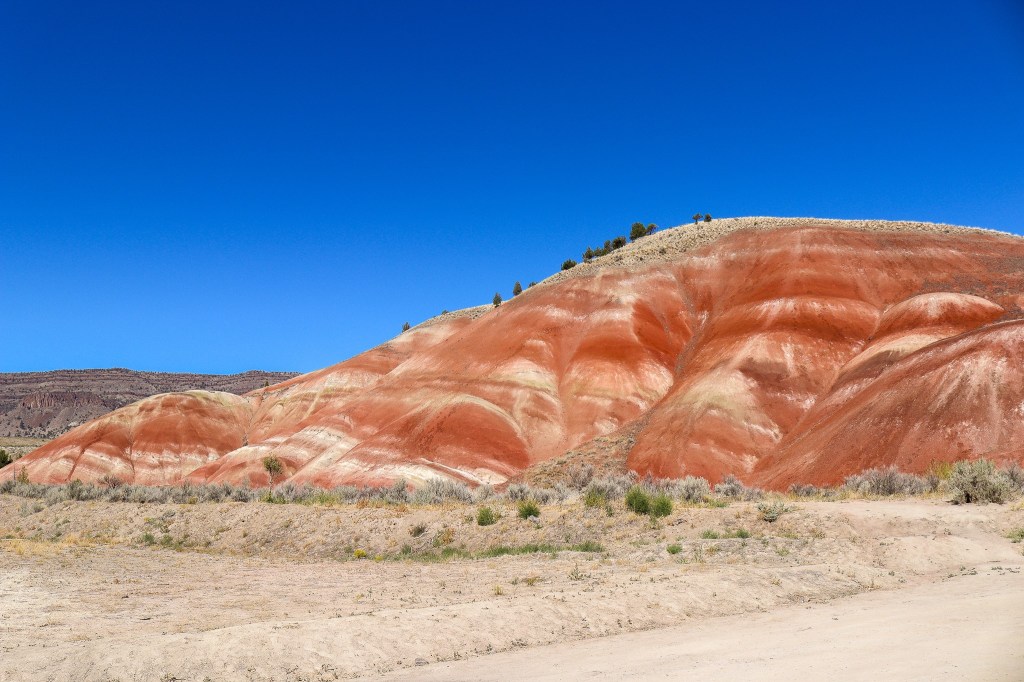
8. Painted Hills – Located in the John Day Fossil Beds National Monument, the Painted Hills offer stunning views of colorful hills and valleys.
9. The Wallowa Mountains – The Wallowa Mountains offer breathtaking views of the surrounding landscape and are a great spot for capturing stunning mountain scenes.
Oregon is a photographer’s paradise, offering endless opportunities for capturing breathtaking shots of nature and beauty. Whether you’re a seasoned photographer or just starting out, these top 10 Oregon aesthetic photography spots are sure to inspire and delight.
Funky Fact: The original creator of the hit tv show: The Simpsons is from Portland.
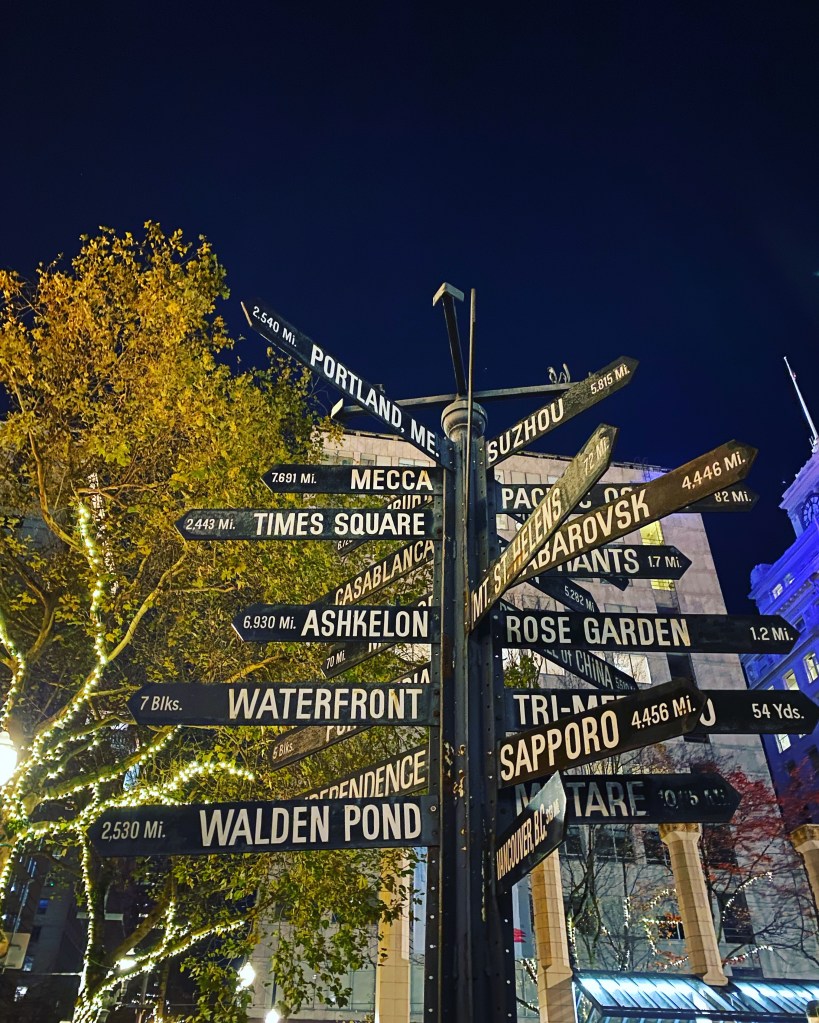
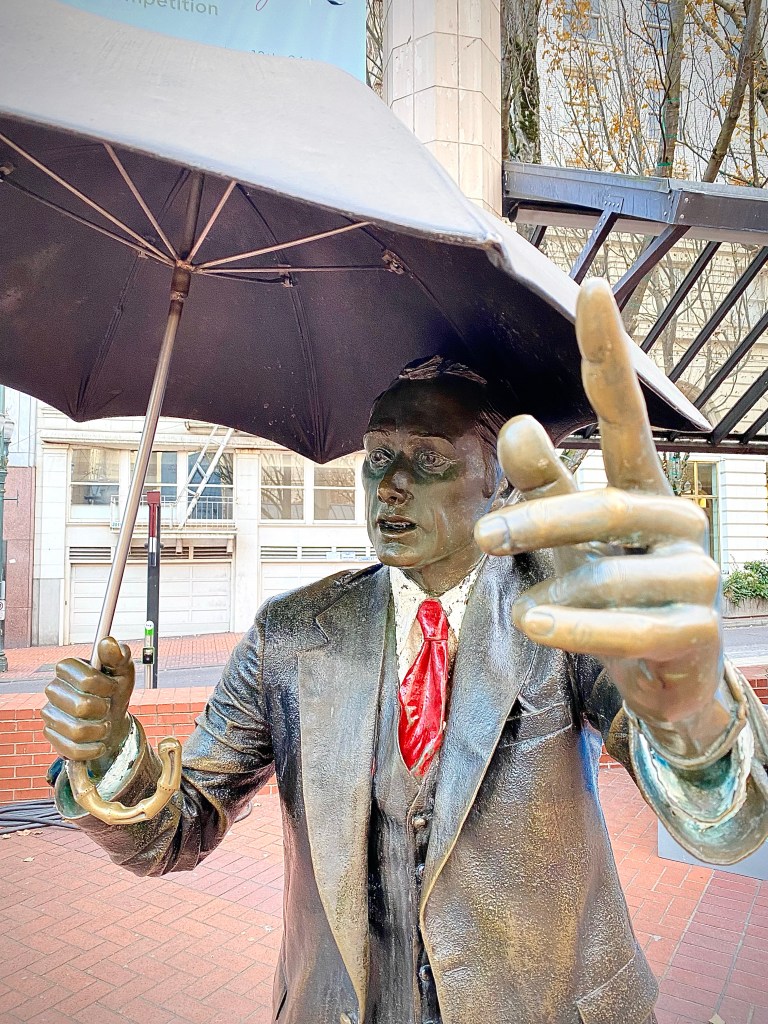
Portland is known for its vibrant art scene, and you can find many quirky and unique art installations and sculptures throughout the city. Check out the Portland City website for more cool sighs.
Some popular examples include:
1. The Portlandia Statue: This massive copper statue of a woman holding a trident is located above the entrance to the Portland Building, and is a recognizable symbol of the city.
2. The Portland Man: This sculpture by Raymond Kaskey is located in the South Park Blocks, and depicts a figure with a hammer and anvil, representing the city’s industrial and creative spirit.
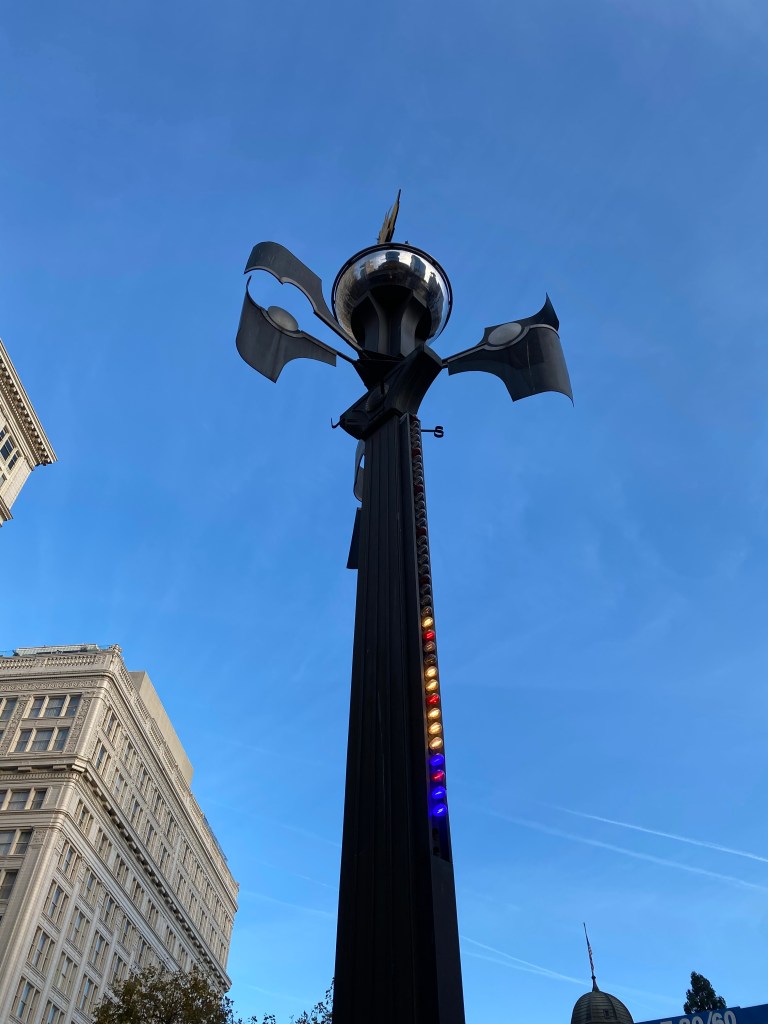
3. The Weather Machine: Located in Portlands living room (Pioneer Courthouse Square), this interactive sculpture allows makes weather predictions daily. It’s a fun and unique way to experience the elements.
4. Paul Bunyan: This giant statue of the legendary lumberjack can be found in the Kenton neighborhood. It’s a popular spot for photos and a reminder of Portland’s history as a logging town.
5. The Salmon Street Sculpture: This aesthetic sculptures is perched high up on a building off Salmon Street, its easy to miss but it represent the city’s connection to the Columbia River.
There are many other quirky and interesting art installations and sculptures to discover in Portland, so be sure to keep an eye out as you explore the city!























 jet lag journaling