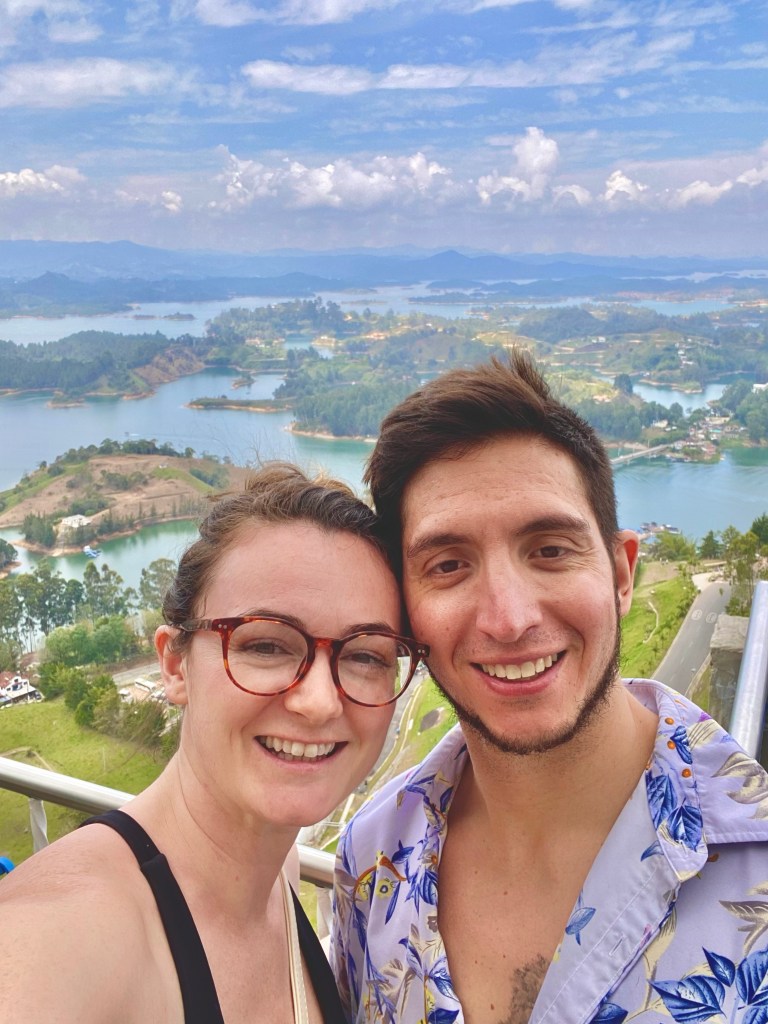
Tips and Tricks for Writing Your First Blog

Funky Fact: You don’t need to be Charles Dickens, J.K. Rowling or William Shakespeare to write and run a blog. There are 600 million blogger in the world and you should be one of them!

Author and Editor: Gabriella Grace

Writing your first blog can be an intimidating task, but it doesn’t have to be. Whether you’re a seasoned writer looking to start a personal blog or a beginner trying to share your thoughts and experiences with others, there are a few tips and tricks you can follow to make the process a little easier.

First, choose a platform, I personally use: WordPress. I’ve also tried Wix in the past but found lots of glitched while using a Mac. Once you set up your account and choose a theme, your ready to start writing!

  1. Choose a specific topic.

Before you start writing, it’s important to decide on a specific topic for your blog. This can be anything from personal experiences and travel to hobbies and interests. Having a clear focus will help you stay organized and ensure that your content is relevant and engaging.

  1. Do your research.

Once you’ve chosen a topic, it’s time to do some research. This can help you find new ideas and perspectives on your topic, as well as provide you with valuable information to include in your blog. Don’t be afraid to do a deep dive into your research – the more you know about your topic, the more you’ll be able to share with your readers.

  1. Plan your content.

Before you start writing, take some time to plan out your content. This can help you organize your thoughts and ensure that you cover all the important points in your blog. You can do this by creating an outline or simply jotting down your ideas on paper.

  1. Write a strong introduction.

The introduction to your blog is crucial – it’s what will draw readers in and convince them to keep reading. Make sure to start your blog with a strong, attention-grabbing opening that introduces your topic and gives readers a taste of what’s to come.

  1. Use subheadings and bullet points.

To make your blog more readable and easier to digest, consider using subheadings and bullet points. These formatting techniques help break up long blocks of text and make it easier for readers to skim through your content.

  1. Use images and videos.

Including images and videos in your blog can add visual interest and make your content more engaging. Just be sure to use high-quality, relevant images and videos that enhance your blog rather than distract from it.

  1. Edit and proofread.

Before you hit publish, be sure to edit and proofread your blog. This will help you catch any typos or grammatical errors, as well as make sure your content is clear and well-written. I suggest using Grammarly! You can copy and past your text in for free editing or install the free extension on your browser and it will make suggestions as you write.

By following these tips and tricks, you can confidently write your first blog and share your thoughts and experiences with the world. Happy writing!
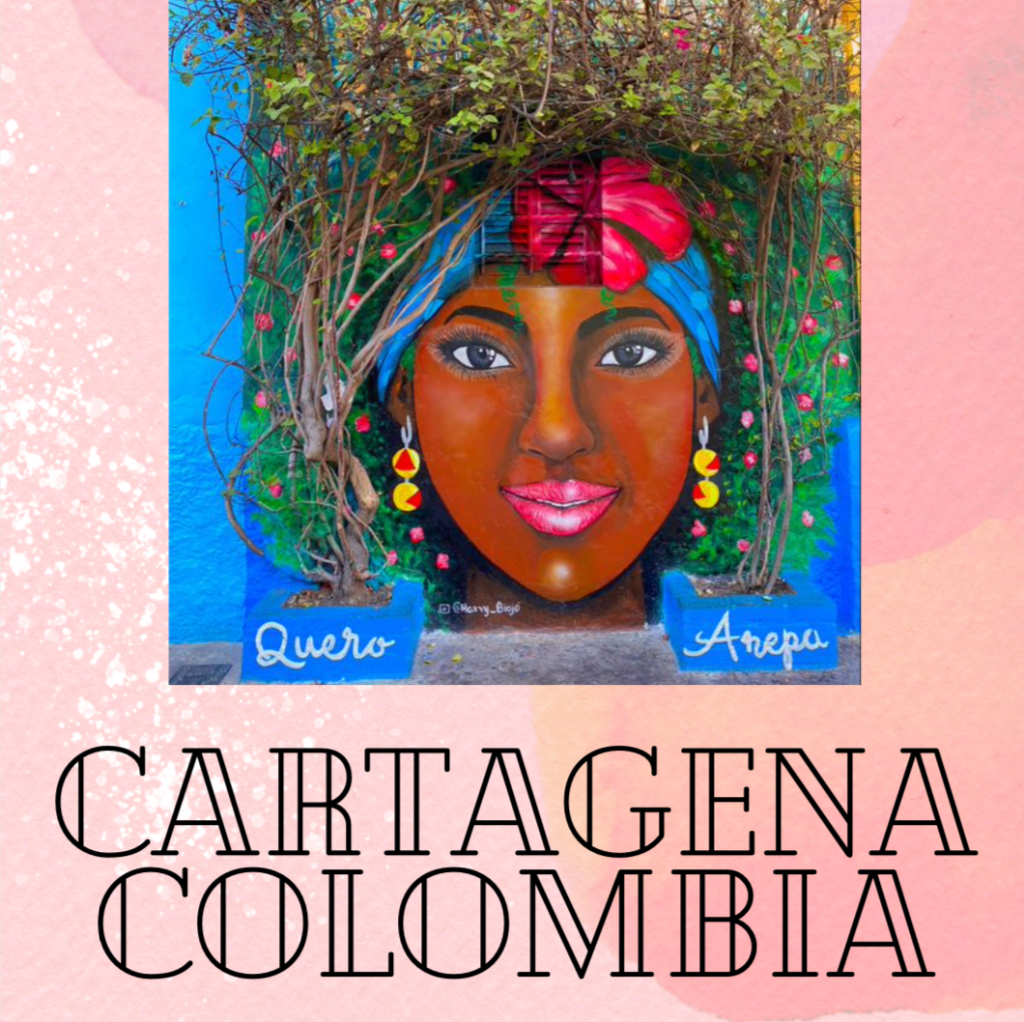

Bars in Cartagena, Colombia

Cartagena, located in the Caribbean coast of Colombia, is a popular tourist destination known for its rich colonial architecture, stunning beaches, and vibrant nightlife. With so many bars and clubs, it can be difficult to choose which ones to visit. Here are my top bars in Cartagena that are worth a visit.

  1. Cafe Havana – Café Havana is a classic Cuban-style bar and restaurant located in the heart of Cartagena’s historic center. With its lively atmosphere, delicious food, and fantastic drinks, this bar is a must-visit for those looking for a good time. You can listen to live music, enjoy a mojito, or dance the night away to the sounds of salsa.
  2. Donde Fidel – Donde Fidel is a funky bar located in the Getsemani neighborhood. With its graffiti-covered walls and street-art inspired decor, this bar is a unique and exciting place to hang out. The bar serves up a variety of cocktails, including the popular “Fidel’s Special,” and offers live music on weekends.
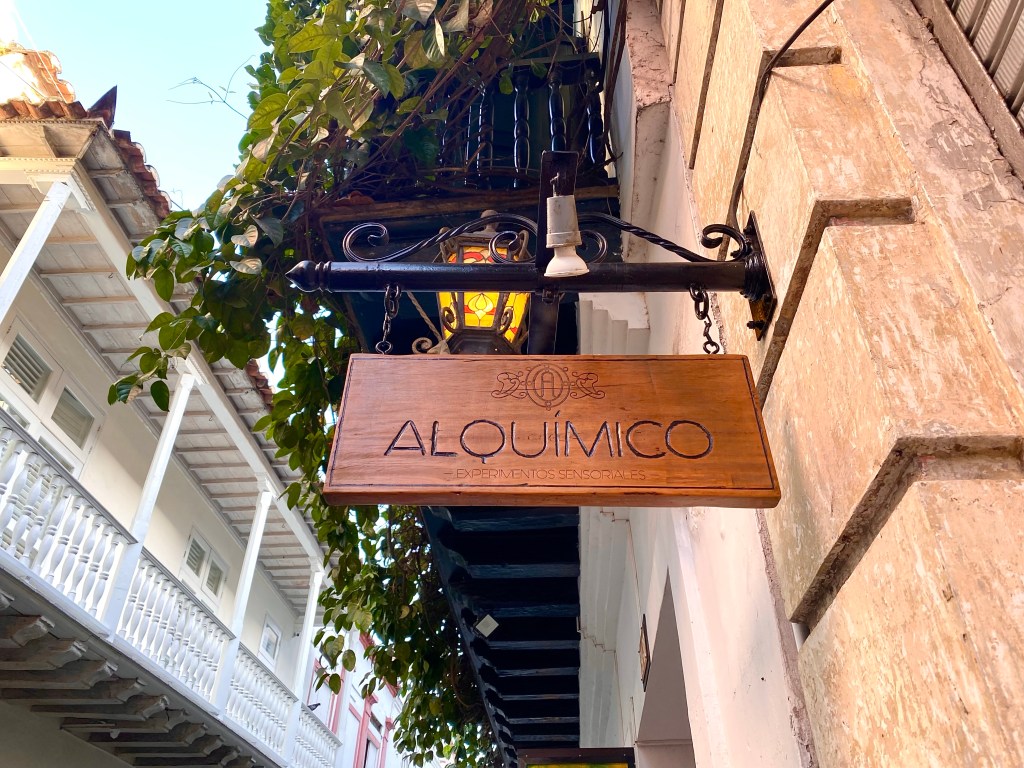
  3. Alquimico – Alquimico is a chic and sophisticated bar that serves up some of the best cocktails in Cartagena. This bar is known for its creative and innovative drinks, and the bartenders are true mixology masters. The bar is located in the trendy Bocagrande neighborhood and has a stylish atmosphere, making it the perfect place to enjoy a drink after a long day of exploring the city.
  4. Donde Tony – Donde Tony is a popular bar located in the Getsemani neighborhood. This bar is known for its lively atmosphere and its cheap drinks. You can dance the night away to reggaeton, salsa, and other Latin beats, and you can also enjoy a delicious mojito for just a few dollars.
  5. La Cevicheria – La Cevicheria is a lively seafood bar that is perfect for those who love fresh fish and seafood. The bar is known for its delicious ceviche and its fruity cocktails. With its lively atmosphere and great food, this bar is the perfect place to spend a night out with friends.
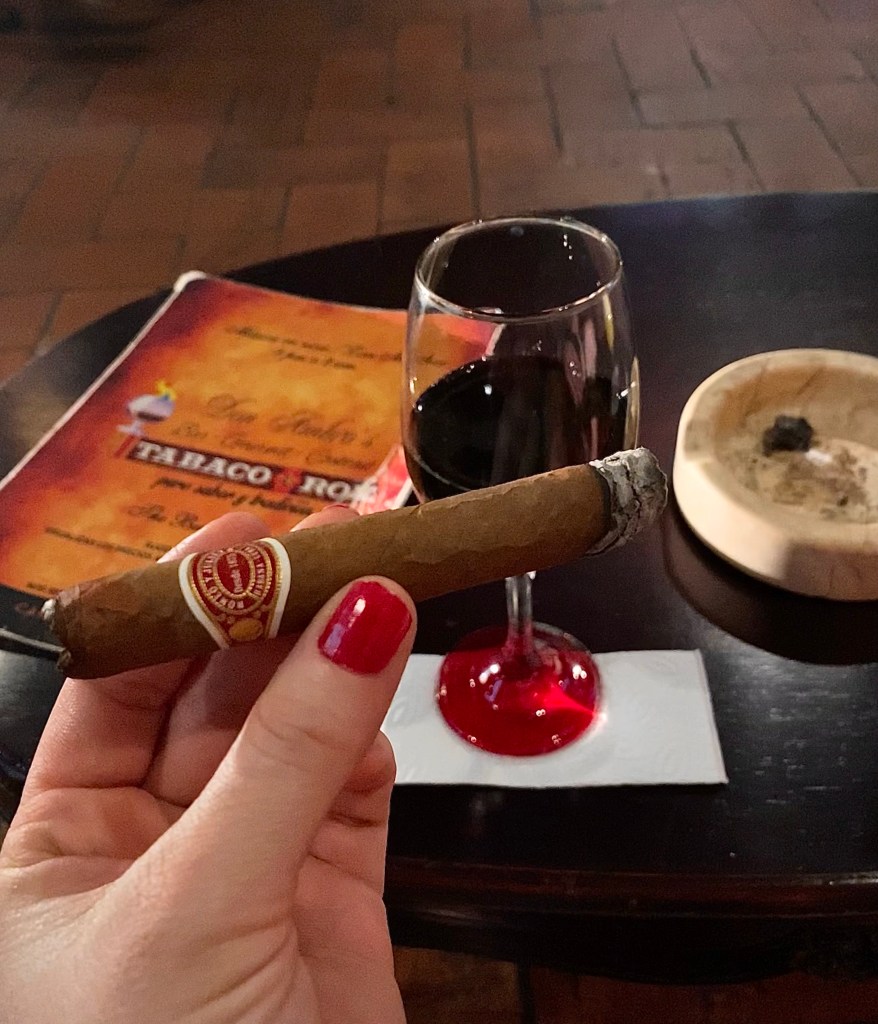
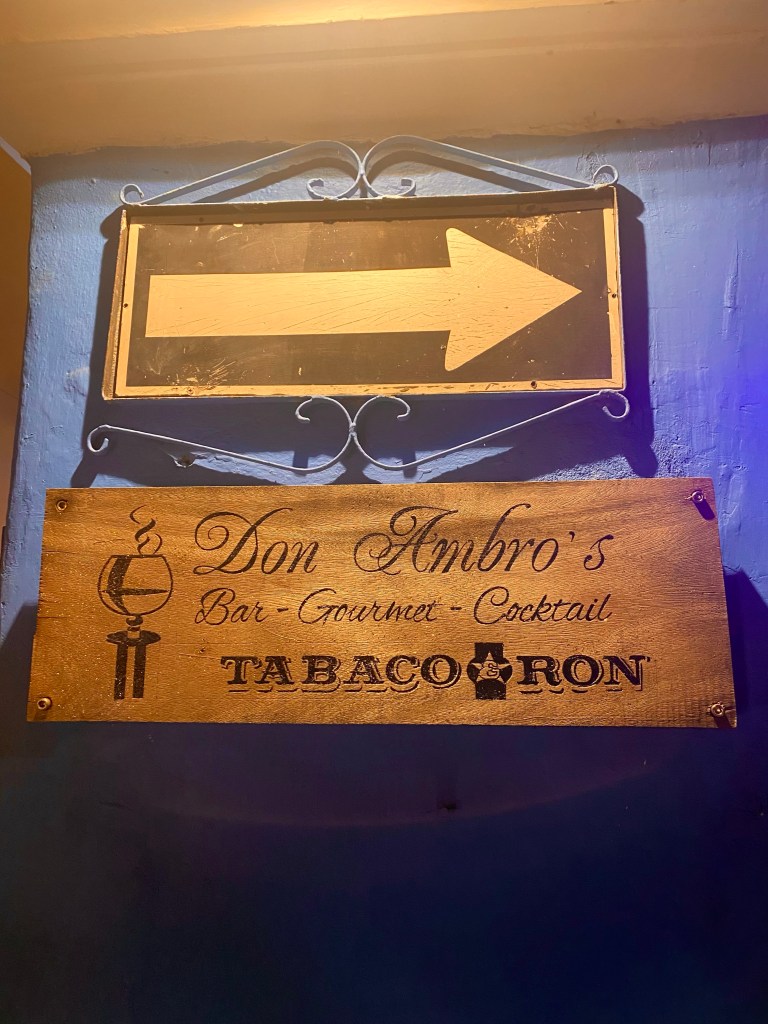
  6. Don Ambro’s Cigar and Art bar is a hidden gem in the heart of Cartagena, located in the historic Getsemani neighborhood. The bar is a one-of-a-kind venue that combines the charm of an old-world lounge with the sophistication of a modern art gallery. The walls are adorned with an ever-changing collection of contemporary art, and the air is infused with the smell of cigars, making this bar a unique and stylish place to spend an evening.

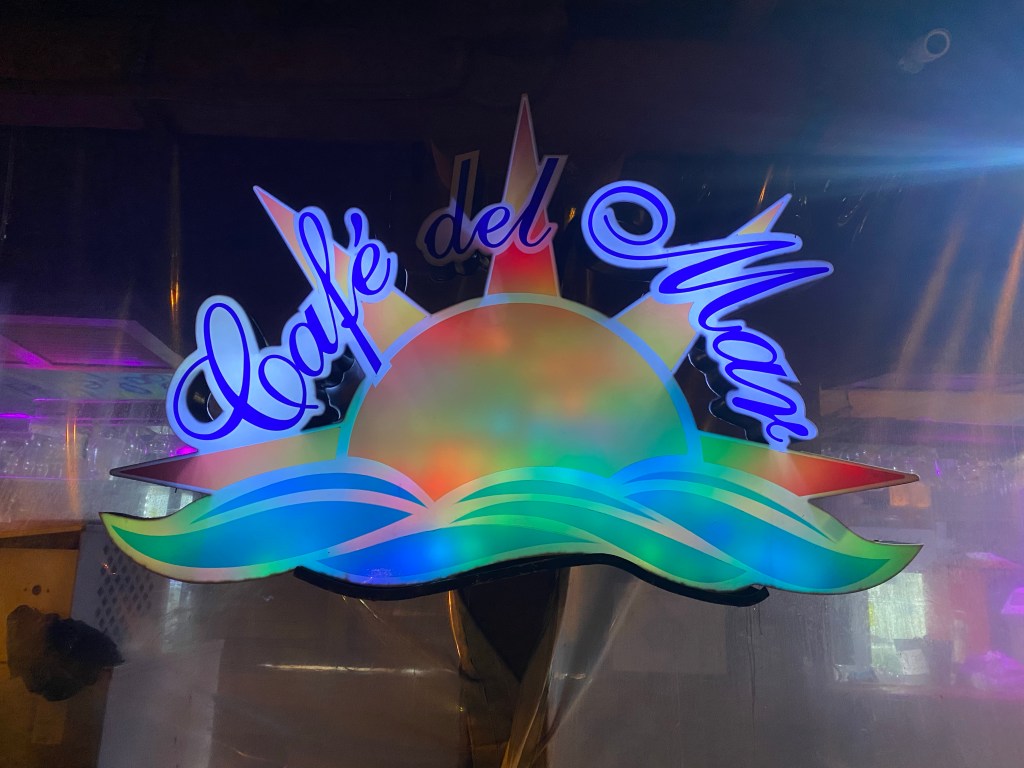
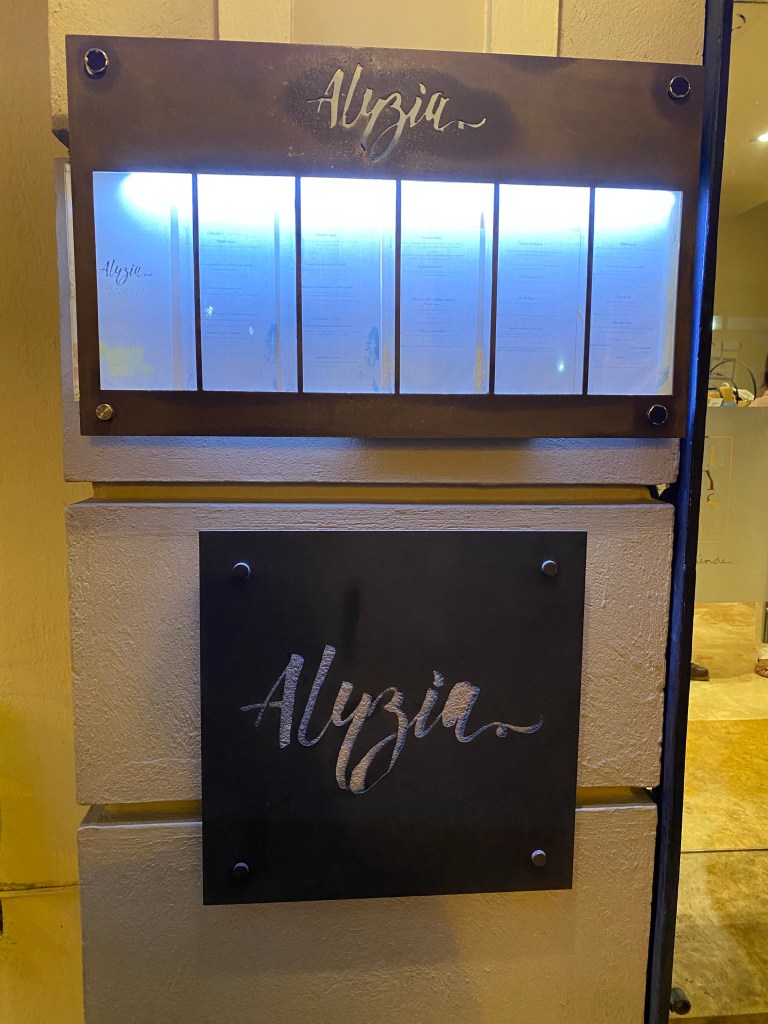
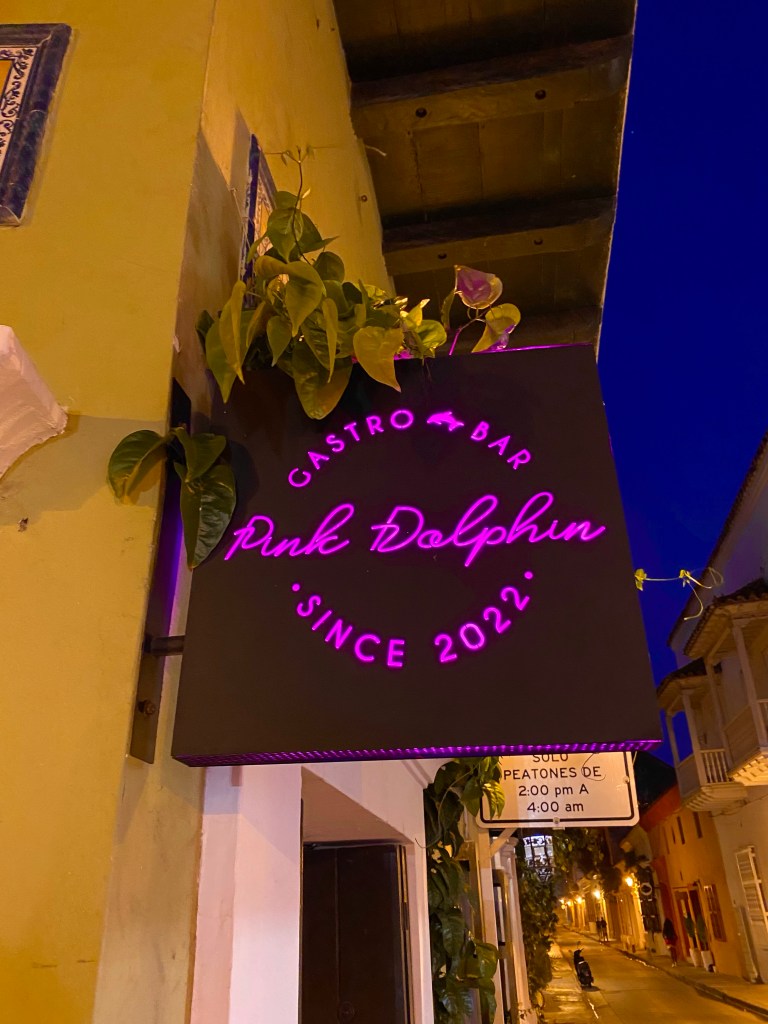
These are just a few of the many great bars in Cartagena, each offering something unique and special. You may also love the Pink Dolphin, Mar y Zielo, Café Del Mar or Alyzia. Whether you’re looking for a sophisticated drink, a lively night out, or just a good time, these bars have got you covered. So grab a drink, enjoy the atmosphere, and dance the night away in Cartagena!

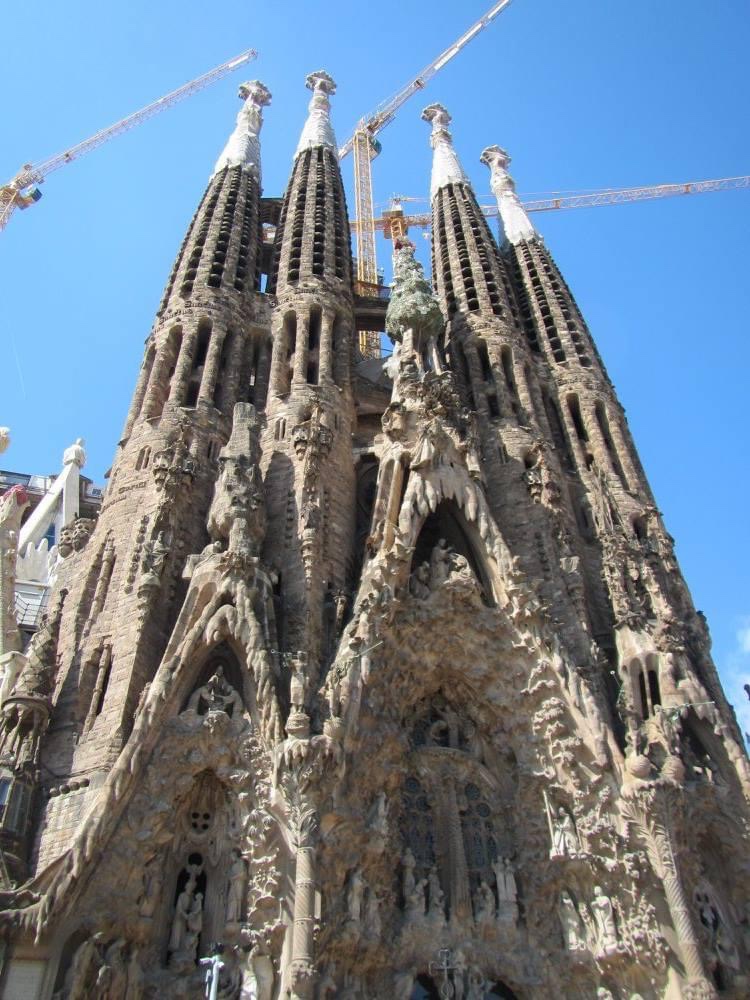
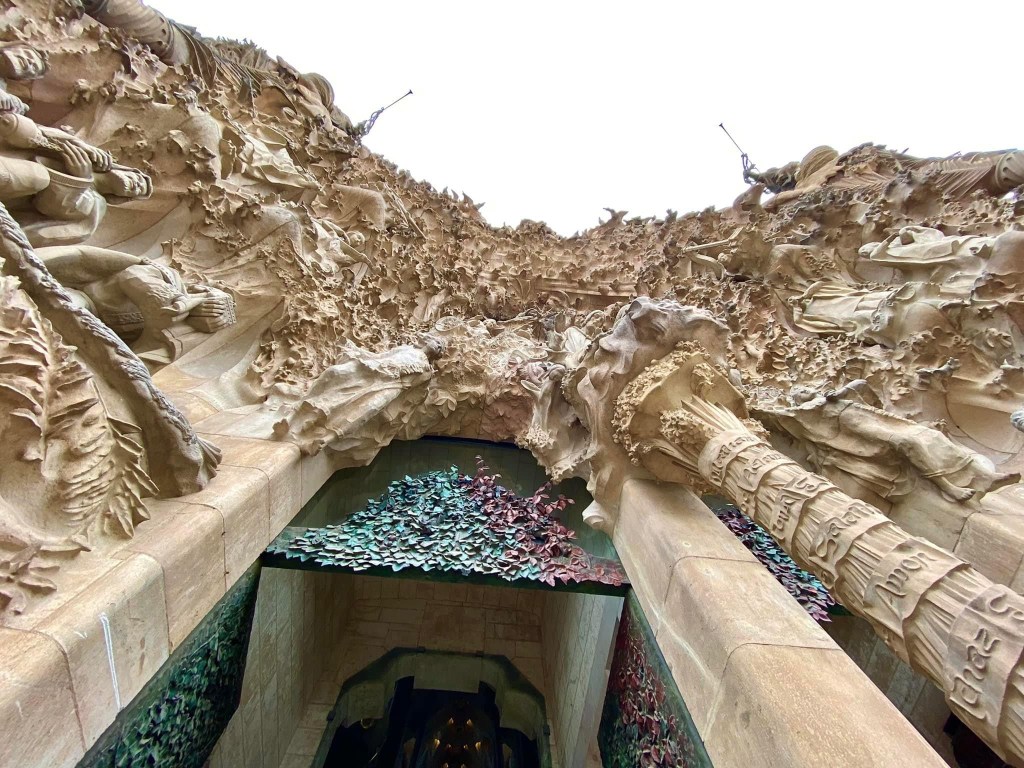
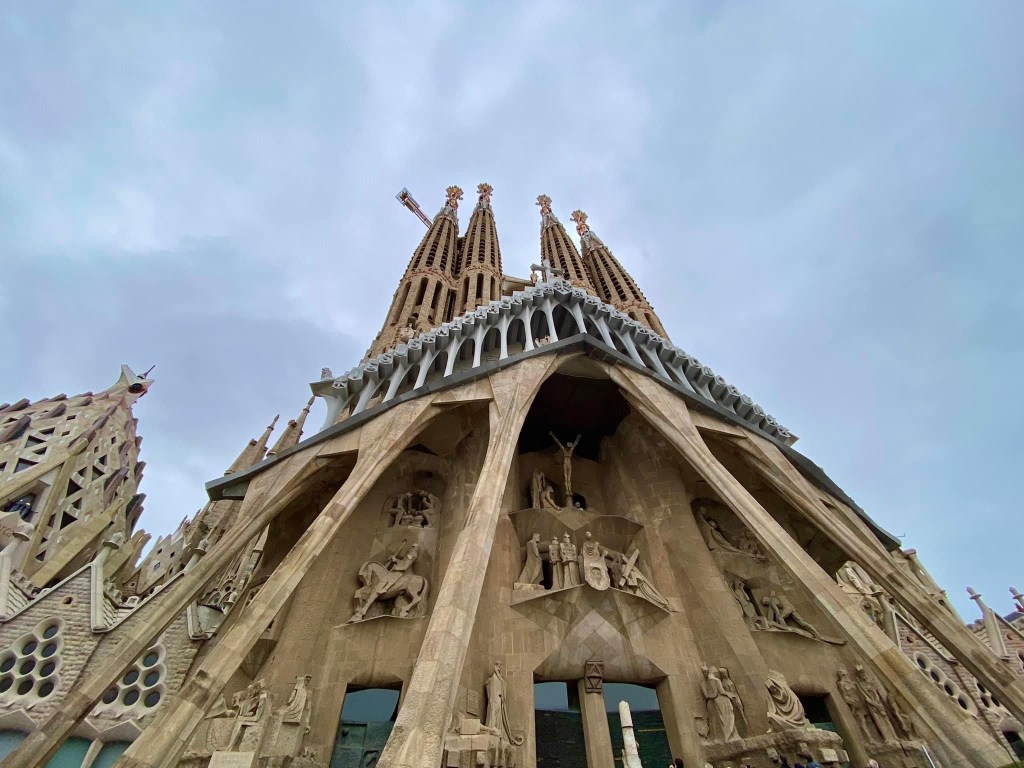
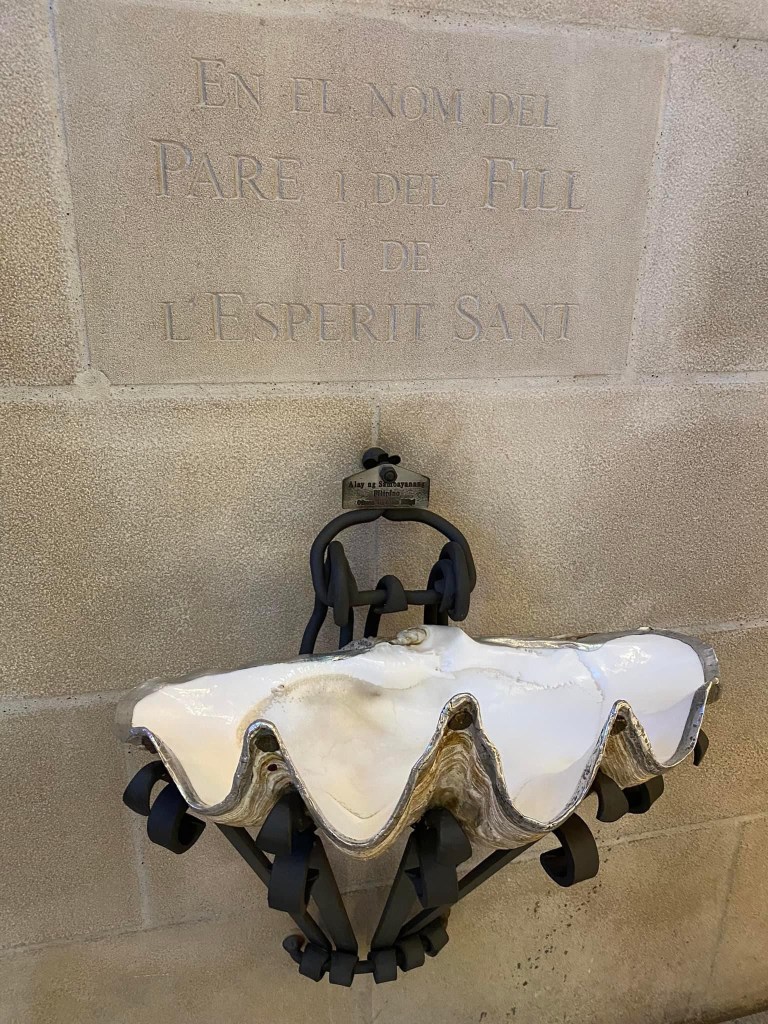
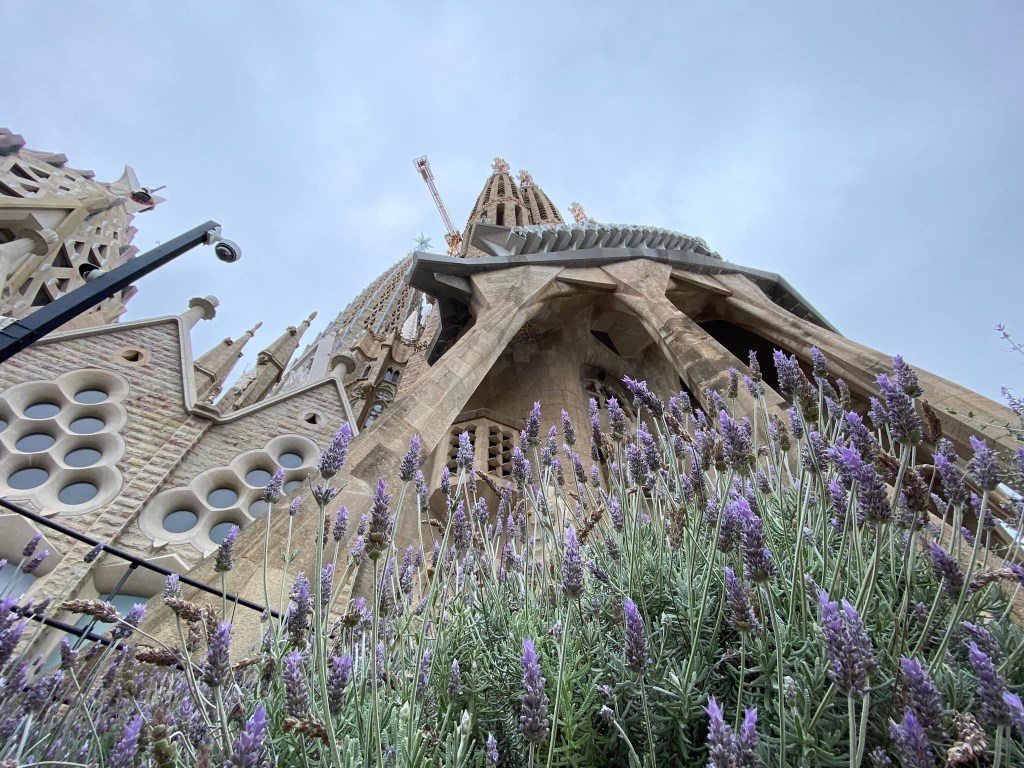
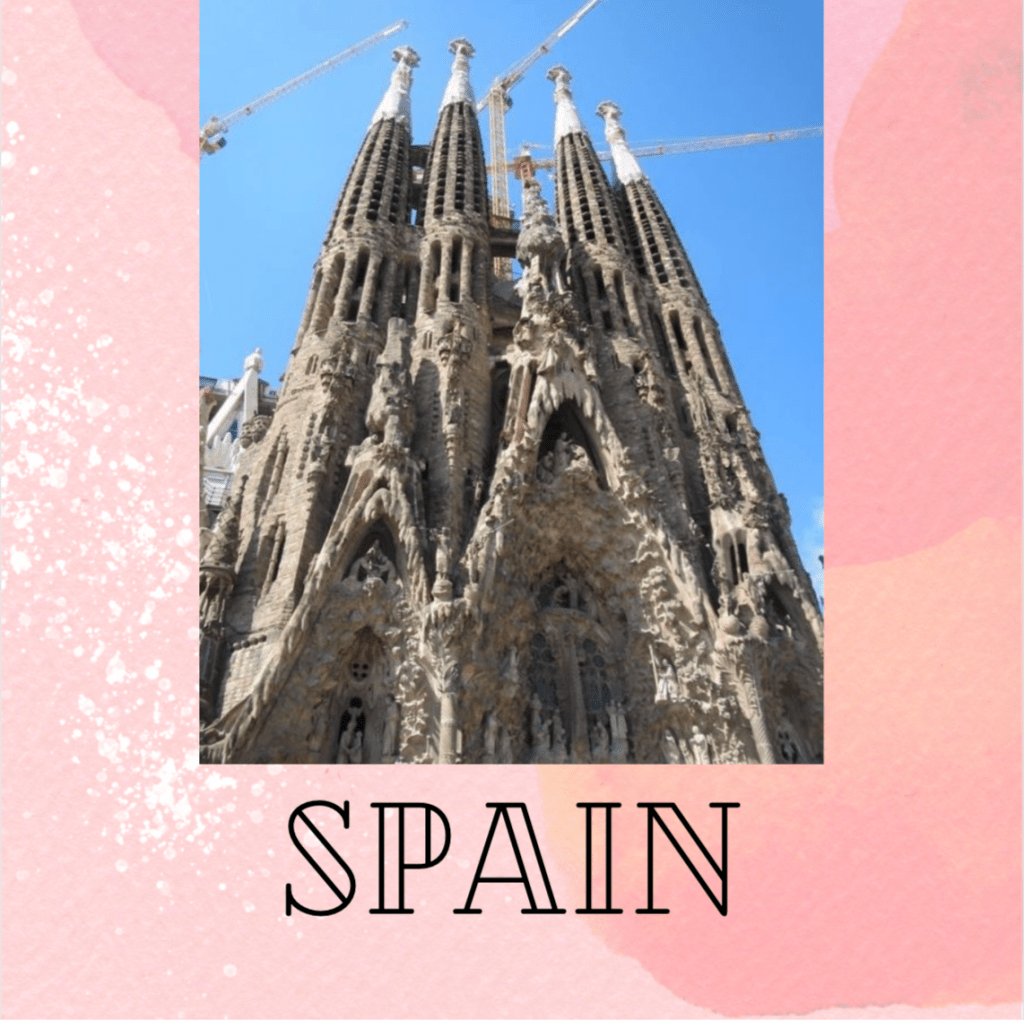
Visiting Sagrada Família, Barcelona

  1. Buy tickets in advance: If you want to skip the long lines at the ticket office, you can buy tickets online. This will also allow you to choose a specific time slot for your visit. Tickets run 20 Euros per adult and less for students, the elderly and youth.
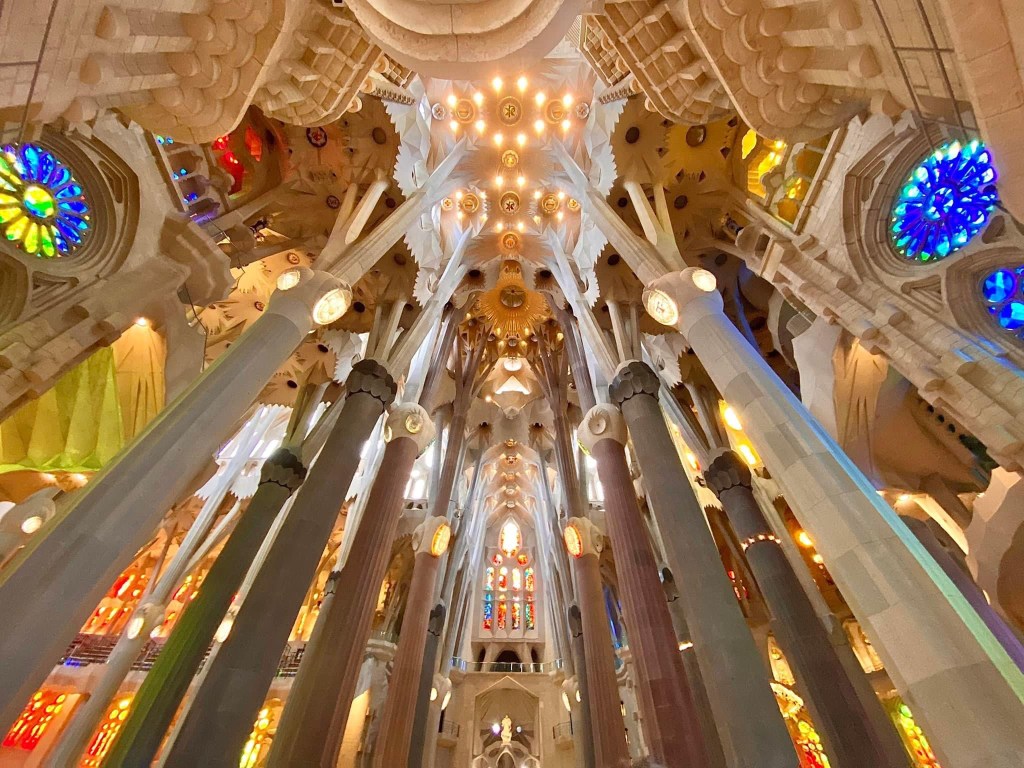
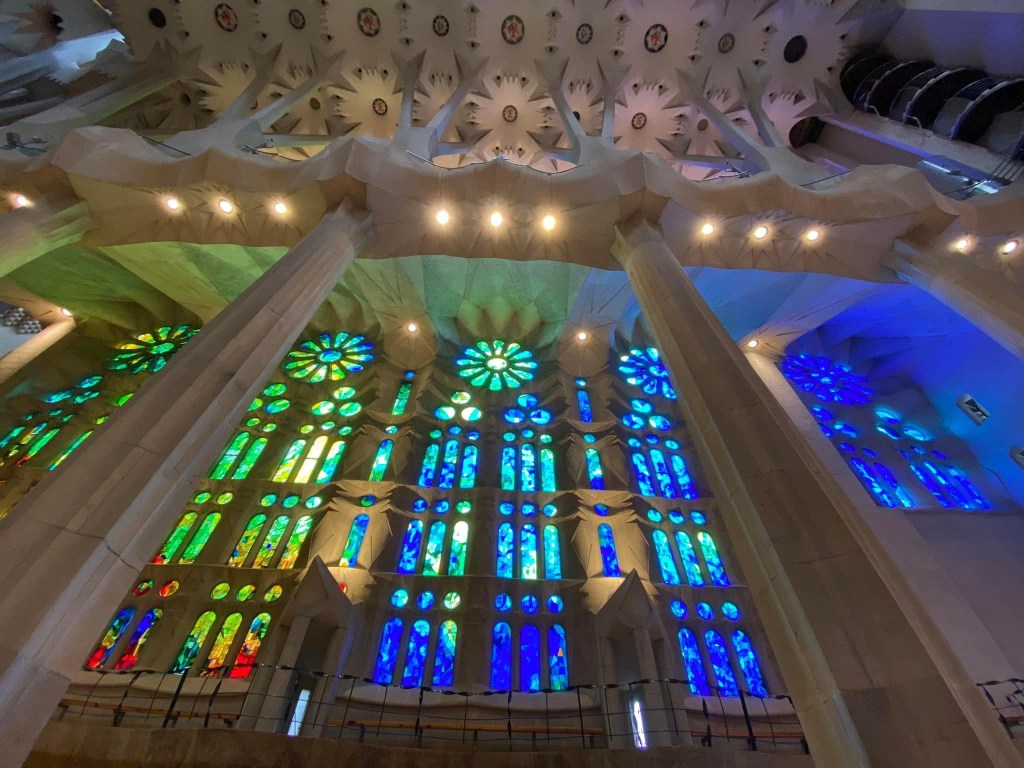
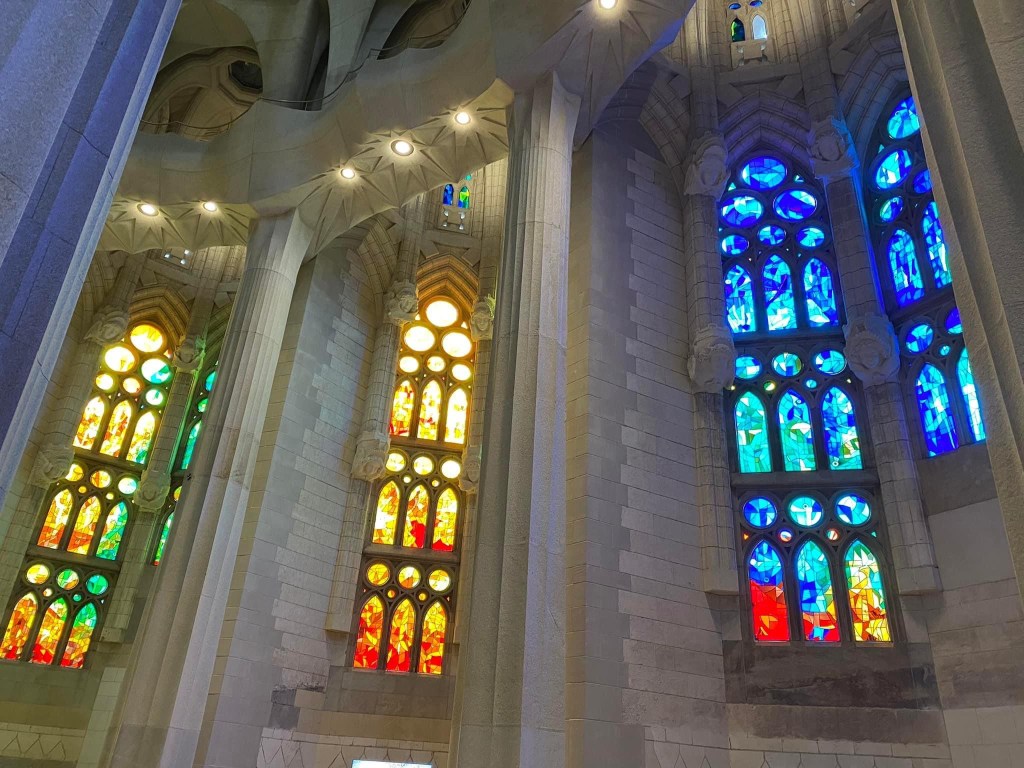
  2. Go early or late: To avoid the crowds, try visiting early in the morning or later in the evening. The Sagrada Família is open from 9:00am to 6:00pm, with extended hours in the summer. The most important reason to go early is the morning sun. when the days 9-10 am rays hit the wall of stained glass it creates magic inside the cathedral! Trust me, I found this out by accident and I want everyone to see it.
  3. Take a guided tour: A guided tour can help you learn more about the history and architecture of the Sagrada Família. You can find tours in multiple languages and with different lengths, ranging from 30 minutes to 2 hours.
  4. Wear comfortable shoes: The Sagrada Família has a lot of stairs, so you will be doing a lot of walking. Wear comfortable shoes to make your visit more enjoyable.
  5. Protect yourself from the sun: If you are visiting during the summer, make sure to bring a hat and use sunscreen to protect yourself from the sun. The Sagrada Família does not have much shade.
  6. Use the audio guide: The audio guide, available in multiple languages, is a great way to learn more about the history and symbolism of the Sagrada Família. You can rent an audio guide at the ticket office or download a smartphone app.
  7. Take breaks: The Sagrada Família is a large and complex building, and you may find yourself getting tired after walking around for a while. Take breaks and rest in one of the benches inside the church.
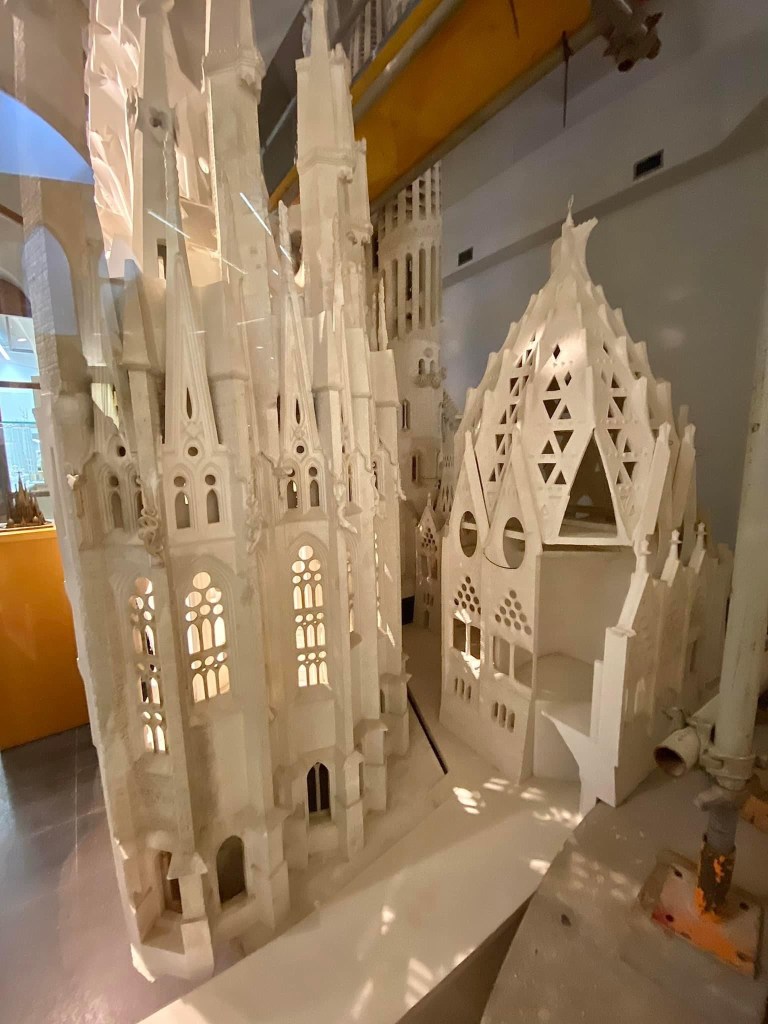
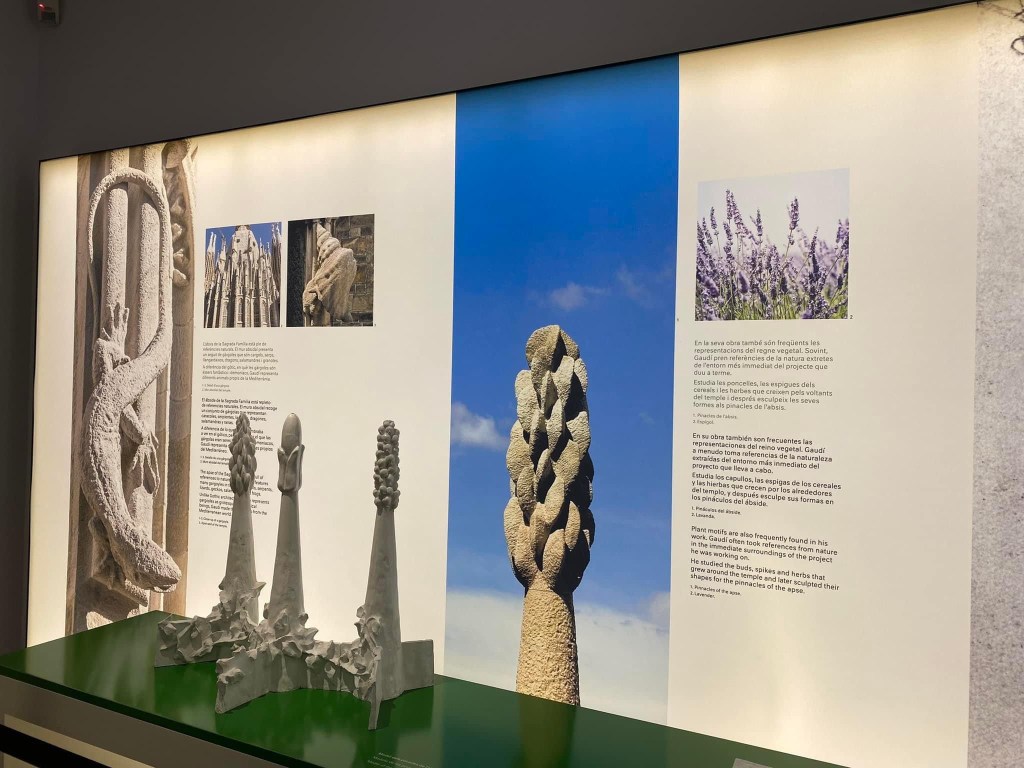
  8. Make sure to visit the basement! Filled with historical remnants, models of the church and even windows to peek into the workshops of the artists building the church right now. The basement is a fascinating spot to peek behind the scene of the churches design. Also, it’s nice and cool down there.

I hope these tips will help you have a great visit to the Sagrada Família. Enjoy your trip!

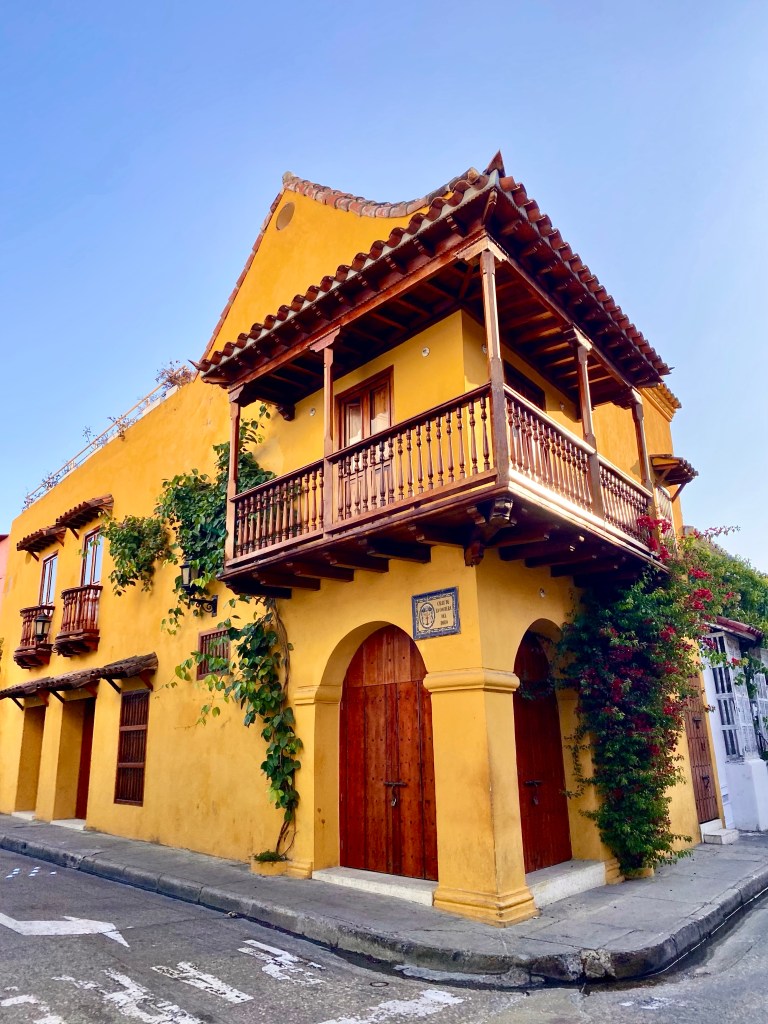
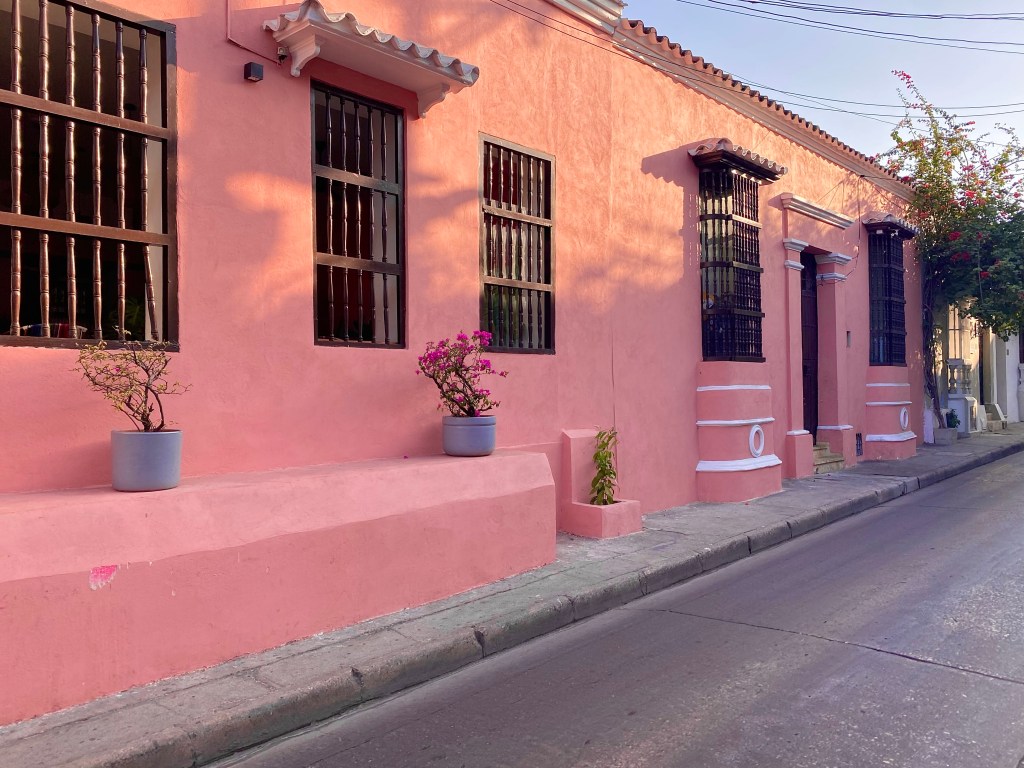
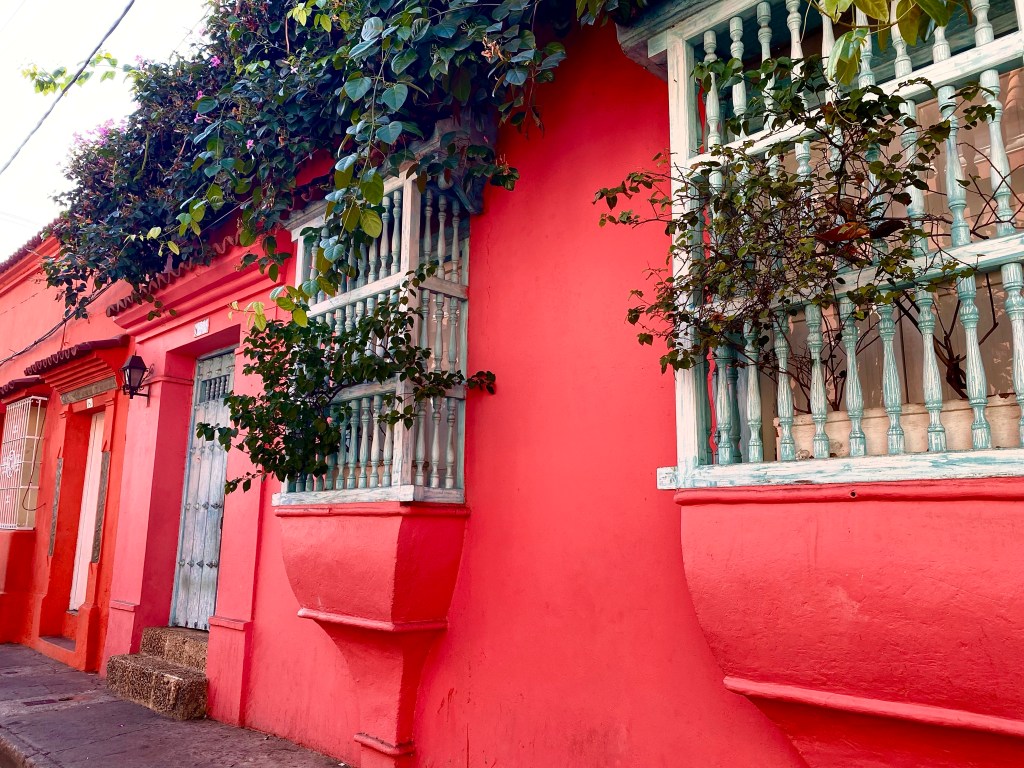
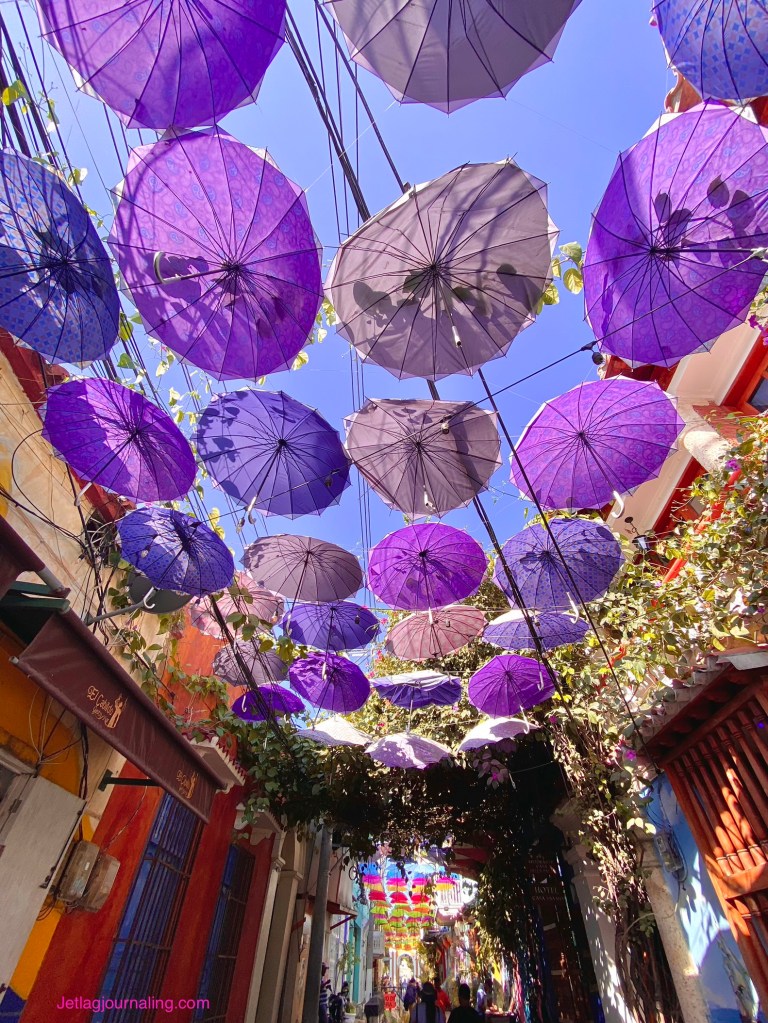
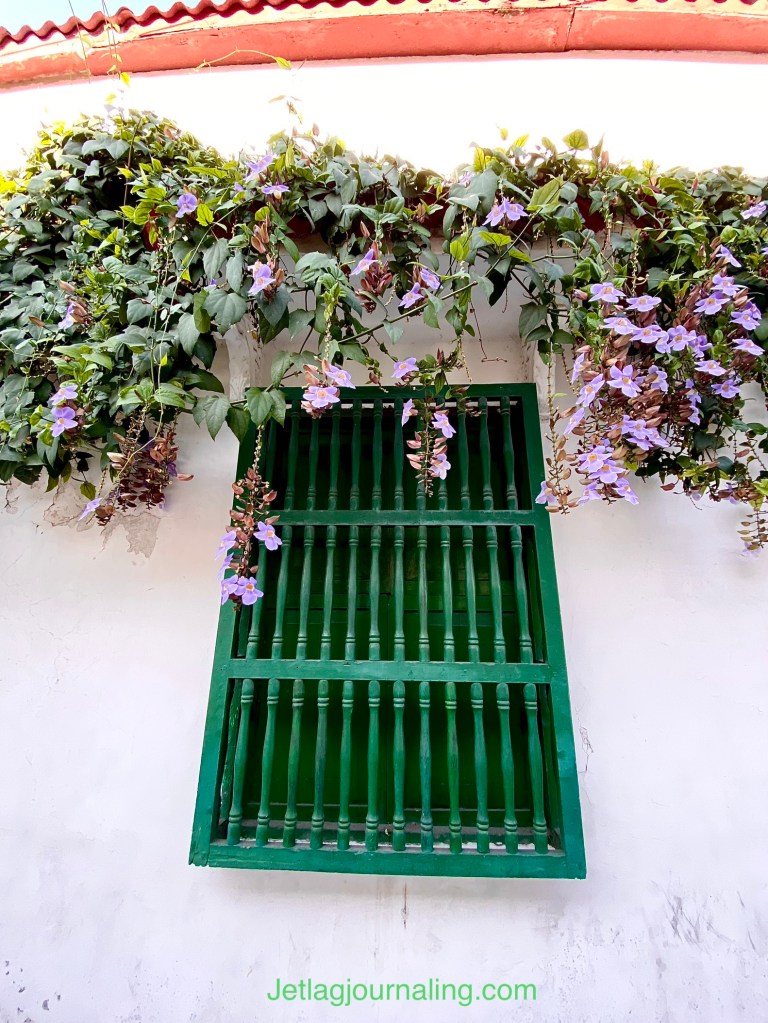
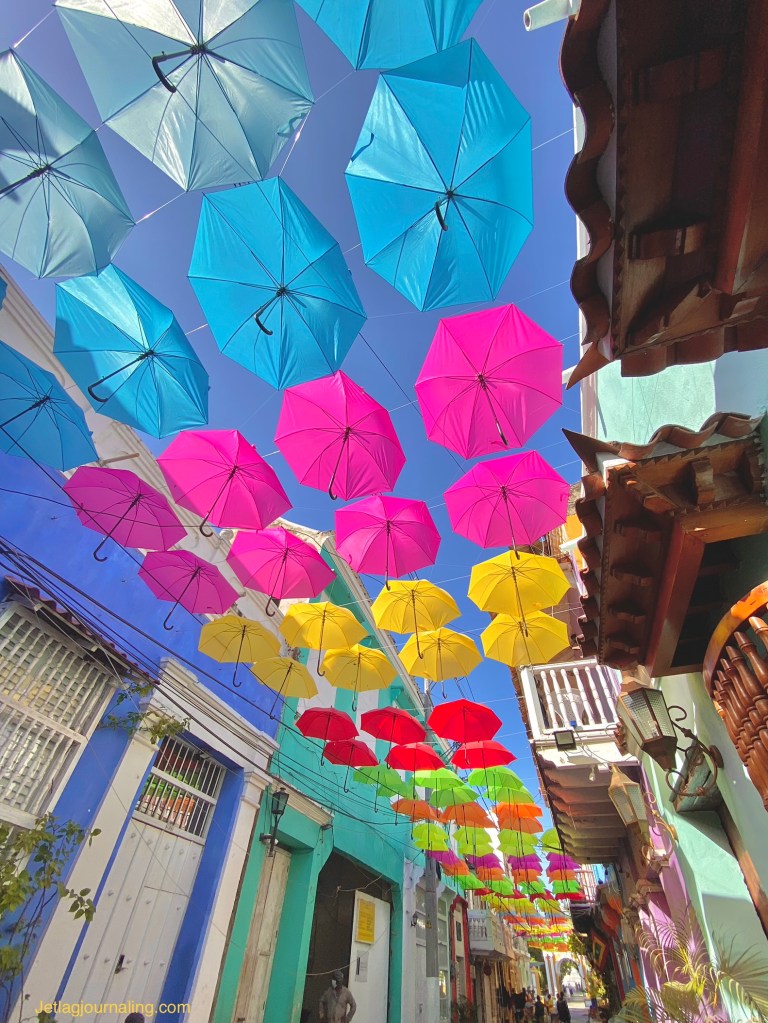
Colorful Streets in Cartagena, Colombia

Cartagena, a city located on the northern coast of Colombia, is known for its rich history, stunning architecture, and vibrant culture. The city’s colorful streets add to its charm and make it one of the most picturesque destinations in South America. From the historic center to the more modern neighborhoods, Cartagena is a visual feast for the eyes. Here are the top 10 colorful streets in Cartagena that you shouldn’t miss.

  1. Calle del Curato: This street is located in the historic center of Cartagena and is considered one of the most picturesque in the city. The buildings here are painted in bright colors and decorated with flower pots, giving the street a charming, tropical vibe.
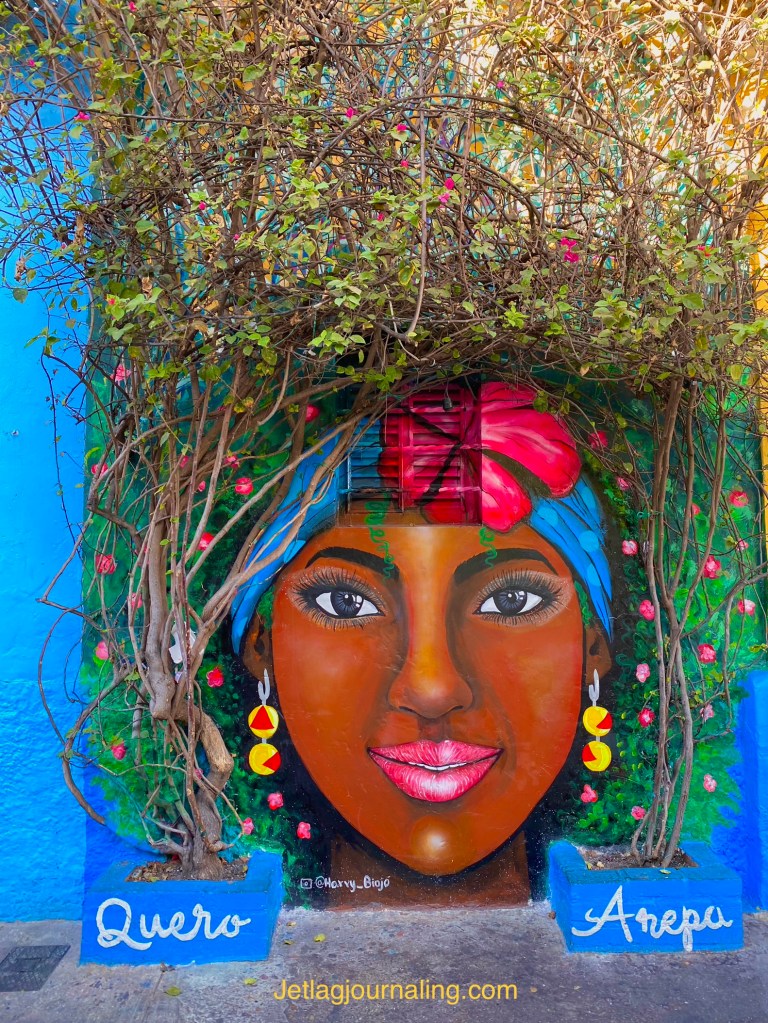
  2. Calle de la Sierpe: Located in the Getsemani neighborhood, Calle de la Sierpe is a narrow, colorful street lined with colonial-style houses. The street is known for its street art, which adds to its vibrant atmosphere.
  3. Calle de las Bovedas: This street is located in the walled city of Cartagena and is known for its bright yellow and blue buildings. The street is lined with shops selling local handicrafts, making it a popular spot for tourists and locals alike.
  4. Calle de la Merced: This street is located in the historic center of Cartagena and is known for its colorful colonial-style buildings. The street is lined with street vendors selling local food and souvenirs, making it a popular spot for visitors.
  5. Calle del Obispo: This street is located in the historic center of Cartagena and is known for its bright red and yellow buildings. The street is lined with street vendors selling local food and souvenirs, making it a popular spot for visitors.
  6. Calle de la Umbria: This street is located in the Getsemani neighborhood and is known for its bright yellow buildings. The street is lined with street vendors selling local food and souvenirs, making it a popular spot for visitors.
  7. Calle de la Universidad: This street is located in the San Diego neighborhood and is known for its bright red and yellow buildings. The street is lined with street vendors selling local food and souvenirs, making it a popular spot for visitors.
  8. Calle de la Media Luna: This street is located in the Getsemani neighborhood and is known for its bright yellow and blue buildings. The street is lined with street vendors selling local food and souvenirs, making it a popular spot for visitors.
  9. Calle de la Virgen: This street is located in the Getsemani neighborhood and is known for its bright red and yellow buildings. The street is lined with street vendors selling local food and souvenirs, making it a popular spot for visitors.
  10. Calle de la Macarena: This street is located in the San Diego neighborhood and is known for its bright red and yellow buildings. The street is lined with street vendors selling local food and souvenirs, making it a popular spot for visitors.

Cartagena’s colorful streets are a testament to the city’s rich history and vibrant culture. Whether you’re strolling through the historic center or exploring the more modern neighborhoods, you’re sure to be captivated by the city’s stunning architecture and vibrant atmosphere. So, make sure to add these top 10 colorful streets to your itinerary the next time you visit Cartagena!

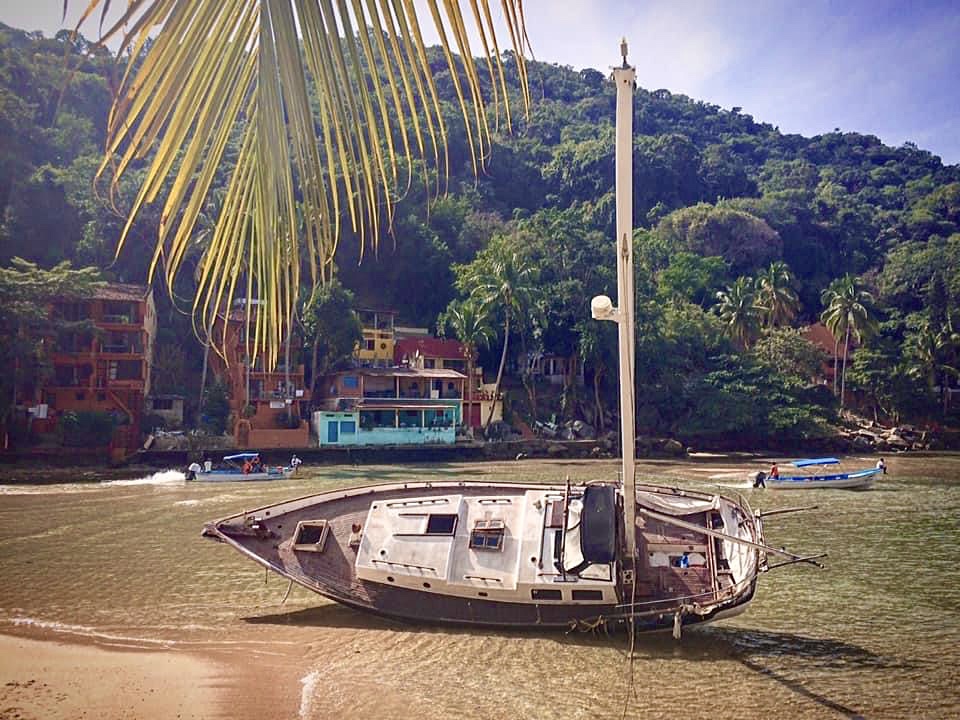
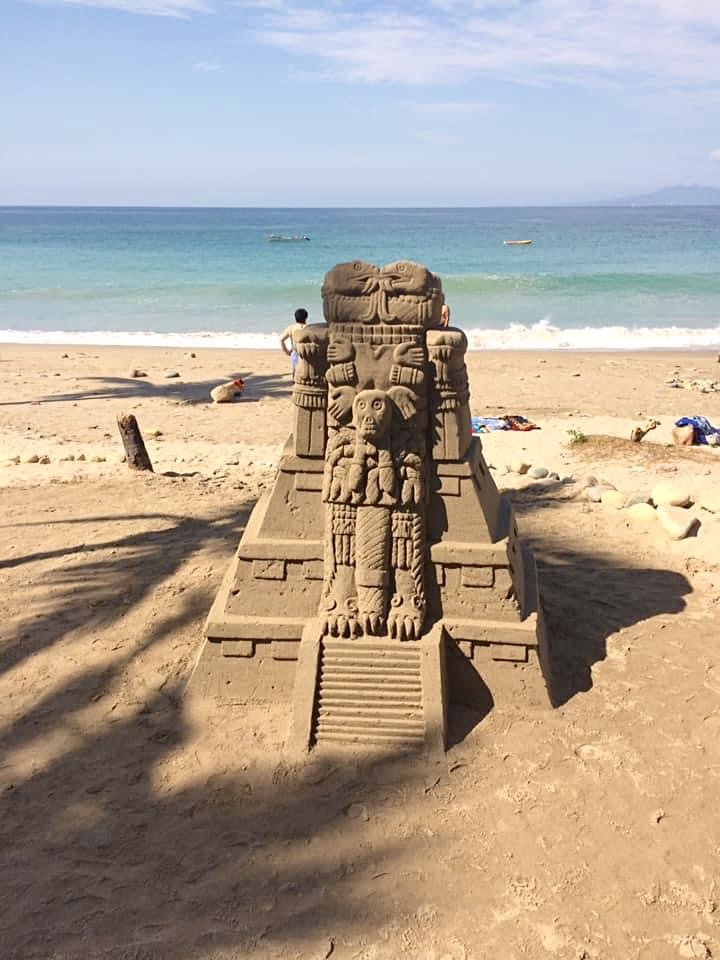
Puerto Vallarta, Mexico


Puerto Vallarta, located on the Pacific coast of Mexico, is a popular vacation destination known for its beautiful beaches, vibrant nightlife, and rich cultural heritage. Whether you’re looking for adventure, relaxation, or a little bit of both, there’s something for everyone in this picturesque city. Here are the top 10 must-see things in Puerto Vallarta.

  1. The Malecon: This iconic oceanfront promenade is the heart of Puerto Vallarta’s downtown area. Stroll along the Malecon to take in the beautiful views of the Bay of Banderas and admire the colorful street performers and vendors.
  2. El Arco: This natural rock arch is one of Puerto Vallarta’s most famous landmarks. Take a boat tour to see El Arco up close and enjoy the beautiful scenery along the way.
  3. Los Muertos Beach: This popular beach is located in the heart of Puerto Vallarta’s Old Town. Spend the day lounging on the beach, swimming in the ocean, or enjoying a cold drink at one of the beachside bars.
  4. The Cathedral of Our Lady of Guadalupe: This beautiful cathedral is located in the heart of Puerto Vallarta’s downtown area. Take a tour to learn about the history and architecture of the cathedral, and admire the beautiful stained glass windows and intricate sculptures.
  5. The Botanical Gardens: Take a stroll through the lush tropical gardens of the Botanical Gardens to see a wide variety of exotic plants and flowers. The gardens also feature a butterfly sanctuary and a koi pond.
  6. The Puerto Vallarta Zoo: This popular zoo is home to a wide variety of animals, including lions, tigers, monkeys, and elephants. Take a guided tour to learn about the animals and their habitats.
  7. The Puerto Vallarta Museum: This small museum is located in the heart of Puerto Vallarta’s Old Town and is dedicated to the history and culture of the city. Take a tour to learn about the history of Puerto Vallarta and the surrounding area.
  8. The Tequila Museum: This small museum is dedicated to the history and production of tequila. Take a tour to learn about the process of making tequila, and sample some of the different varieties.
  9. The Marina: Take a stroll along the marina to see the boats and yachts of the local residents and visitors. The marina is also home to a variety of restaurants and bars.
  10. The Puerto Vallarta Nightlife: Puerto Vallarta is known for its vibrant nightlife. Take a stroll through the city and enjoy the live music, dancing, and street performers.

Puerto Vallarta is a beautiful city with a lot to offer. Whether you’re looking for adventure, relaxation, or a little bit of both, there’s something for everyone in this picturesque city. So, if you are planning your next vacation, Puerto Vallarta should be on the top of your list.

Puerto Vallarta, located on the Pacific coast of Mexico, is a vibrant and lively destination with plenty to see and do. Here are some of the top sights to add to your bucket list when visiting this exciting city:

  • Playa los Muertos: This popular beach, named “Beach of the Dead,” is a must-see while in Puerto Vallarta. With soft, golden sand and clear, turquoise waters, it’s the perfect spot to relax and soak up the sun.
  • Malecon: The Malecon is a lively boardwalk that runs along the beach and is home to a variety of restaurants, bars, and souvenir shops. It’s the perfect place to take a leisurely stroll and people watch.
  • Marietas Islands: These beautiful islands, located just off the coast of Puerto Vallarta, are a haven for snorkeling and diving enthusiasts. The crystal clear waters are home to a variety of colorful marine life, including sea turtles and dolphins.
  • El Teatro Vallarta: This historic theater, built in the 1950s, is a cultural hub in Puerto Vallarta. It hosts a variety of live performances, including plays, concerts, and dance performances.
  • Church of Our Lady of Guadalupe: This beautiful church, located in the center of town, is a popular spot for tourists and locals alike. Its ornate architecture and peaceful atmosphere make it a must-see while in Puerto Vallarta.
  • Guadalajara: Located just a short drive from Puerto Vallarta, the city of Guadalajara is home to a variety of cultural attractions, including the historic center, the Catedral Metropolitana, and the Mercado San Juan de Dios.

Whether you’re looking to relax on the beach, indulge in local cuisine, or experience the vibrant culture of Mexico, Puerto Vallarta has something for everyone.

Semana Santa (Holy Week) – Seville, Spain

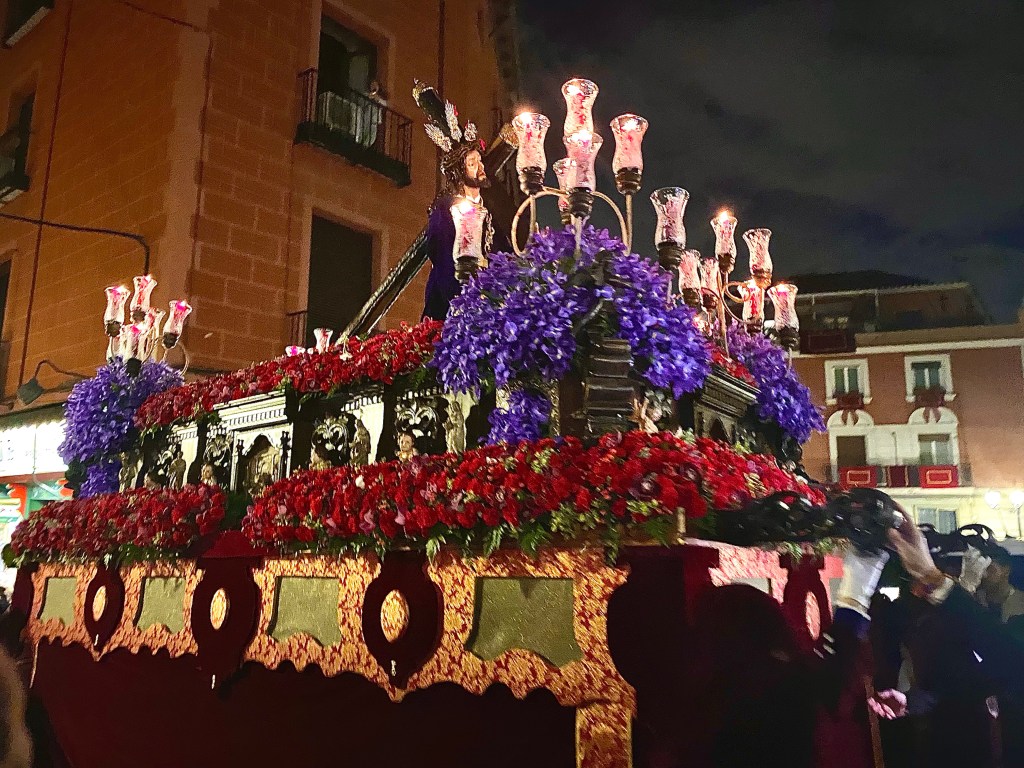
Semana Santa, or Holy Week in Seville, Spain is known for its religious devotion and cultural tradition, and the notable events that takes place in the city each spring is Semana Santa, also called Holy Week. This annual celebration is a time for Catholics to honor the passion, death, and resurrection of Jesus Christ and is one of the most important religious events in the country.

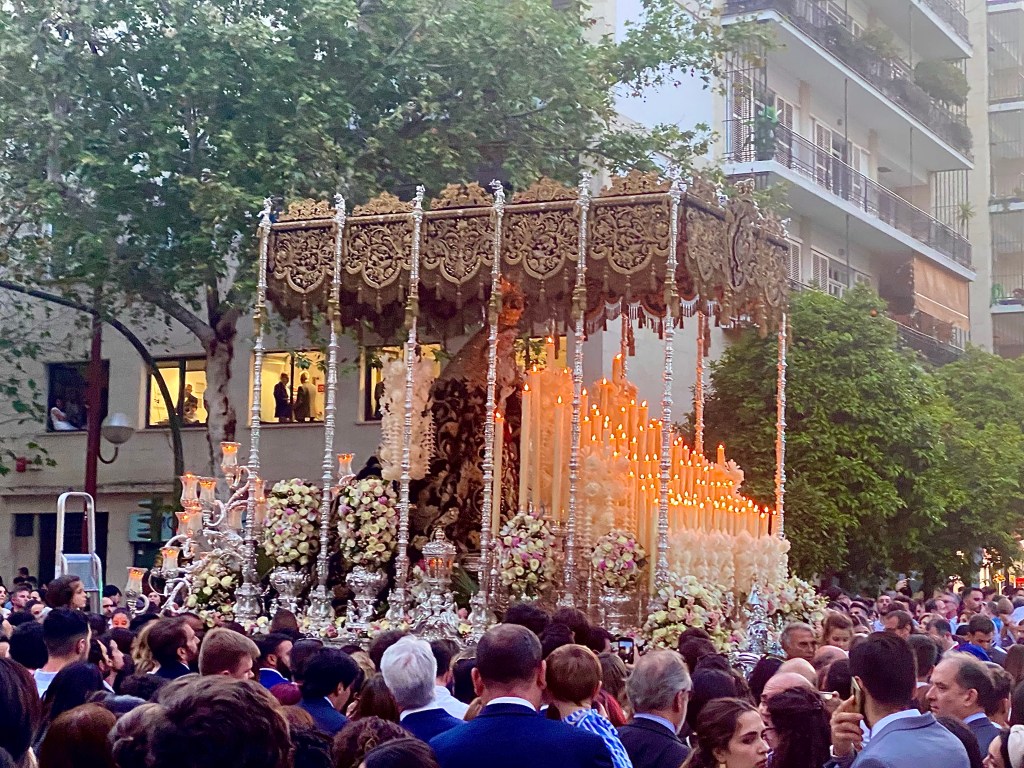
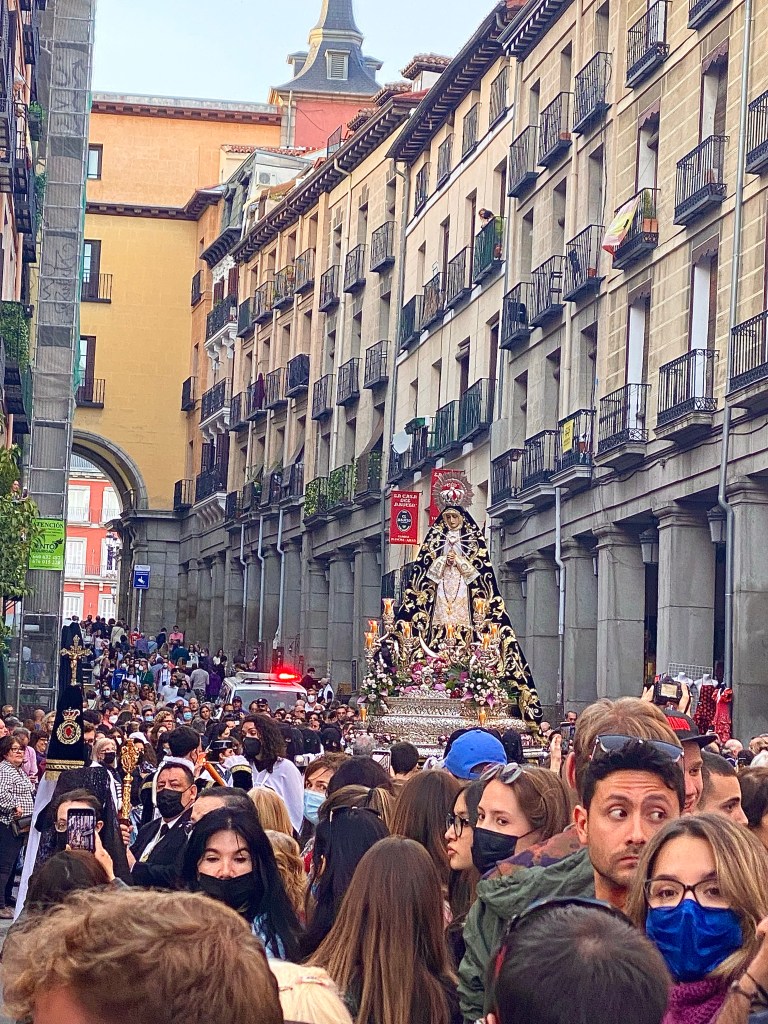
During Holy Week, visitors to Seville will have the opportunity to witness a variety of unique and colorful celebrations that take place throughout the city. The most notable of these celebrations is the processions, which feature ornate floats known as pasos, depicting scenes from the Bible and carried by members of local religious brotherhoods known as cofradías.

The processions take place in the streets of Seville and are accompanied by thousands of people dressed in traditional robes, known as nazarenos, who walk alongside the floats while holding candles and singing hymns. The processions are also accompanied by marching bands, playing traditional music, and are an impressive sight to behold.

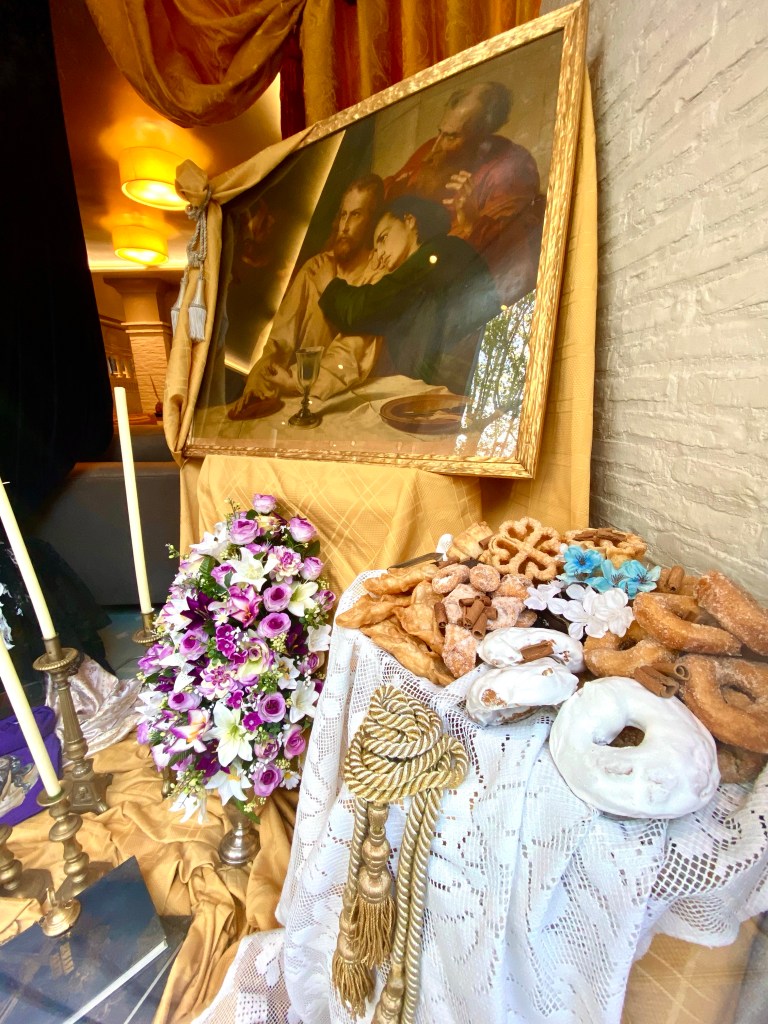
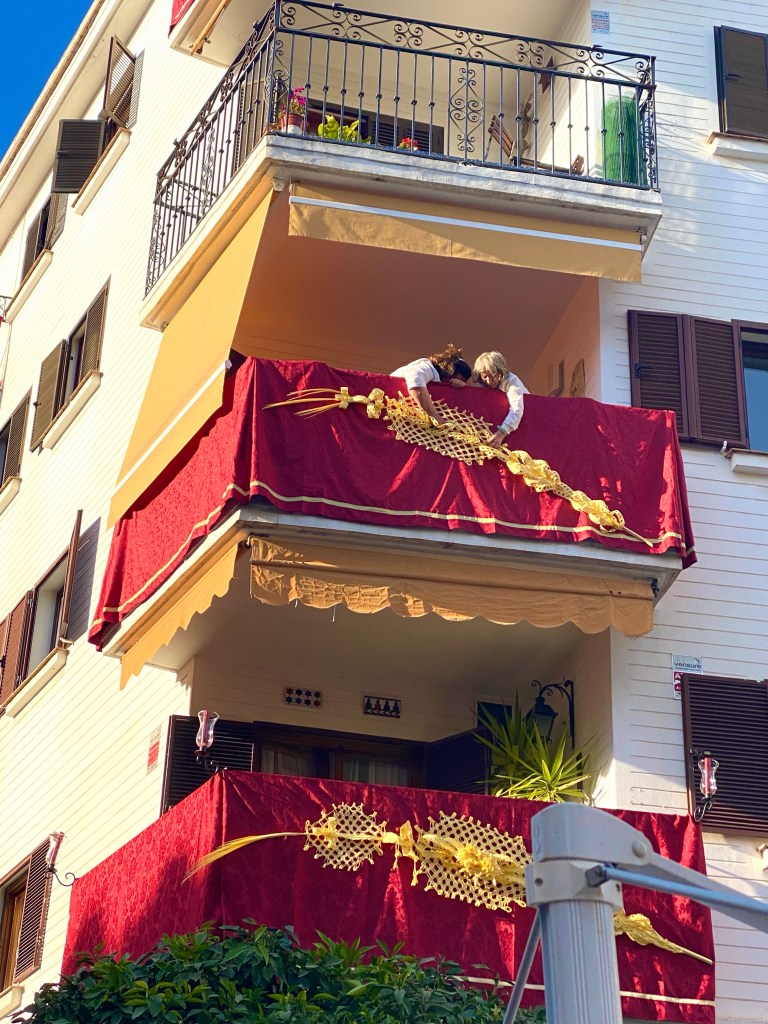
Another significant aspect of Holy Week in Seville is the beautiful floral decorations that adorn the city’s streets and buildings. These decorations are created by local florists and often feature brightly colored flowers and intricate designs. They are used to decorate the pasos, as well as the streets, squares, and churches throughout the city.

In addition to the processions and floral decorations, visitors to Seville during Holy Week will also have the opportunity to witness other traditional celebrations such as the “procesión del silencio” on Maundy Thursday, where the streets are silent, and the “madrugá” on Good Friday, where the processions begin in the early hours of the morning.

Holy Week in Seville is an unforgettable experience for visitors. The processions, floral decorations, and other traditional celebrations make for an unforgettable and moving experience that showcases the richness of the city’s culture and history. If you are planning a visit to Seville, make sure to plan your trip during Holy Week to experience all that the city has to offer.

Safety and Police in Medellin, Colombia

Medellin, once considered one of the most dangerous cities in the world, has undergone a major transformation over the past two decades. Today, the city is working towards being one of the safest in South America and a top destination for travelers and expats alike.

One of the key reasons for this transformation has been the city’s focus on improving public safety. In the 1990s- early 2000, Medellin experienced a high level of violence and crime, fueled by drug trafficking and armed guerrilla groups. However, the city has since implemented a number of innovative and effective strategies to tackle these problems.

One of these strategies is the development of community-based policing programs. The city has worked to establish close relationships between local police and the communities they serve, creating a more collaborative and effective approach to law enforcement. This has helped to build trust between the police and the public, making it easier to identify and address crime in high-risk areas.

Another important initiative has been the development of public spaces that promote safety and well-being. This includes the creation of parks, plazas, and bike lanes, which provide safe places for people to gather and enjoy the city. The city has also invested in the development of public transport systems, including the world-renowned Metrocable, which provides a safe and affordable way for people to get around.

In addition to these physical improvements, Medellin has also focused on addressing the root causes of crime and violence. This includes initiatives to improve education, job opportunities, and access to healthcare in high-risk areas. By addressing these underlying issues, the city has been able to create a more stable and safe environment for its residents.

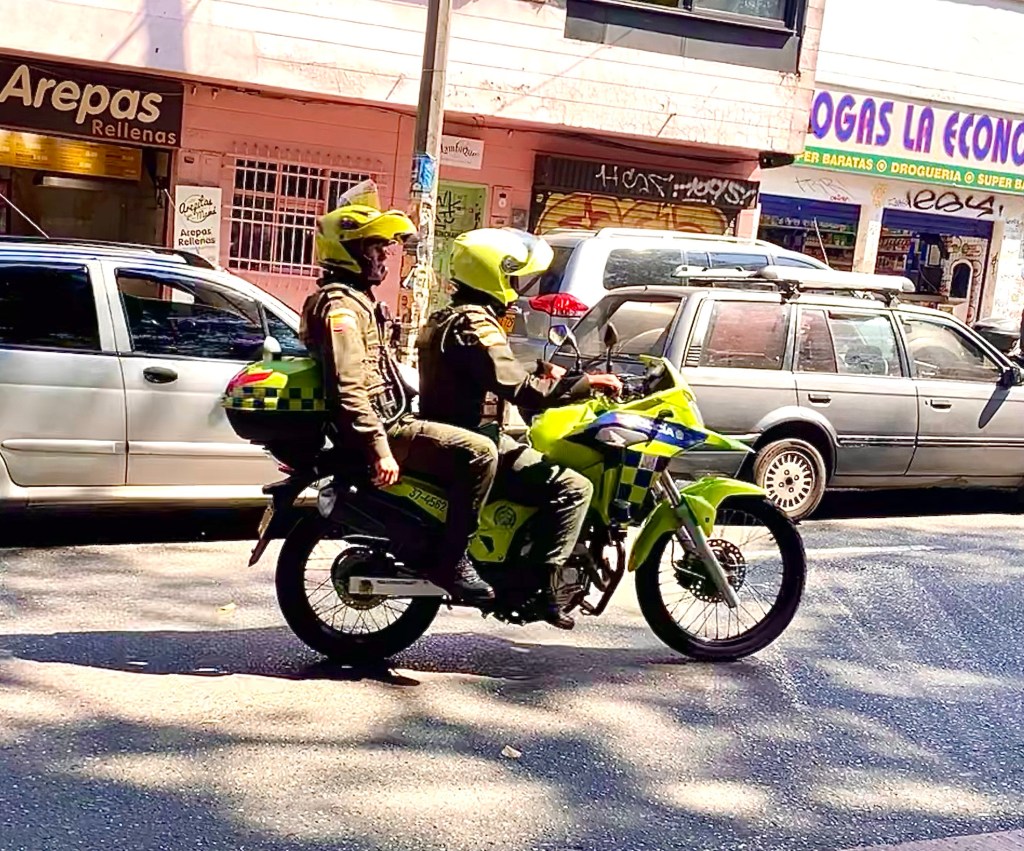
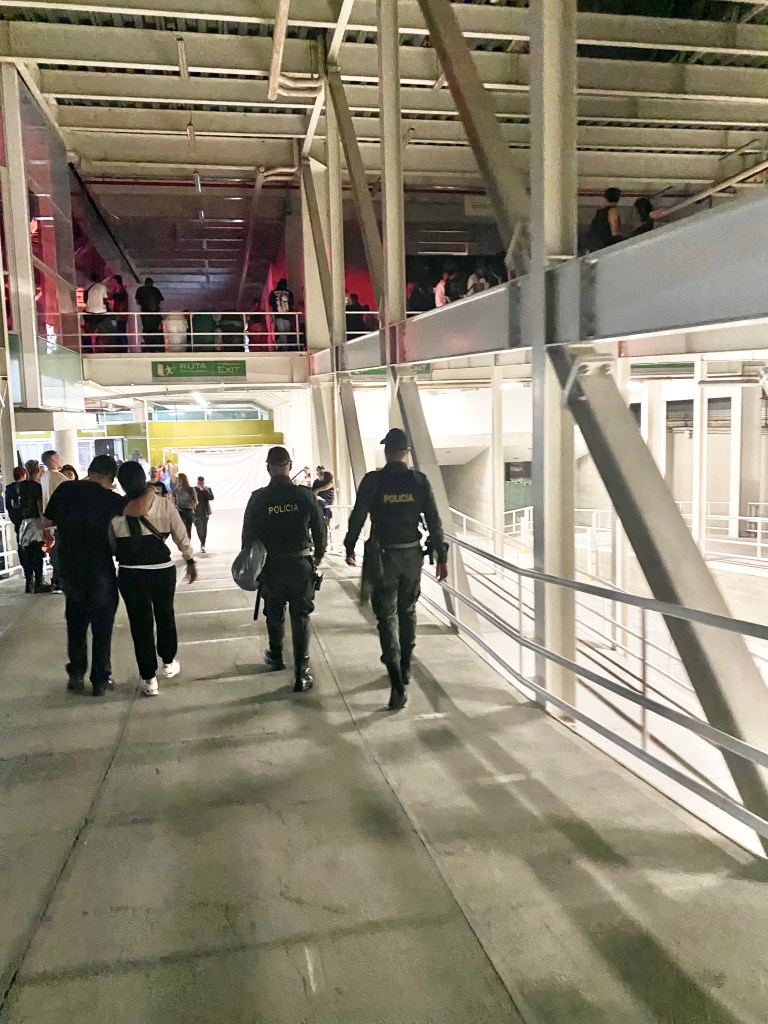
Despite these efforts, Medellin is not without its challenges. The city continues to experience some levels of crime and violence, and visitors should take precautions to ensure their safety. However, the city’s focus on public safety has made it one of the up and coming safer destinations in South America, and visitors should feel confident in exploring Medellin such as El Poblado and Comuna 13. While the city does have its streets and areas to avoid such as: Parque de El Poblado and Park Lleras. When traveling through Medellin, I met lots of helpful Police that helped be with directions and made areas fee pretty safe. While reading about safety in Medellin. I came across a fact from a few years ago saying streets are 33% unsafe during the day and that statistic dropped to 60% unsafe after dark. Take that as you will. I found no issues getting around after dark along very crowded streets and always called a Didi (local Uber app) for a 8,000-15,000 peso ride home if it required walking more than a few streets. I took over a dozen rides and had lovely drivers.

Medellin’s focus on public safety has transformed it from one of the most dangerous cities in the world into one of the safest destinations in South America. With innovative initiatives aimed at improving the lives of its residents and promoting a safer environment, Medellin is an example of what can be achieved through a commitment to public safety.

Personal opinion: I personaly found Medellin far safer than I read about online. I was really nervous about getting dinner after dark and being mugged at gunpoint. This never happened. I felt really safe actually. I did do a few things as preventative measures:

-I wore a dress and shorts with pockets underneath.

-I only carried my credit card, small amount of cash and phone in my shorts pockets under my dress.

-I DID NOT carry a purse or wear any jewelry.

-I had a passcode put in my phone with everything erased after 10 attempts.

-I deleted my banking account off my phone.

-I only pulled out my phone inside a restaurant or bar. I was sparring at checking it on the metro.

I found these things felt overly cautious after the first few days. I’d still suggest caution. Although I’d say anyone could come to visit with no issues.

Happy Travels!

How to get from Medellin to Guatape or El Peñol on a Cheap Bus

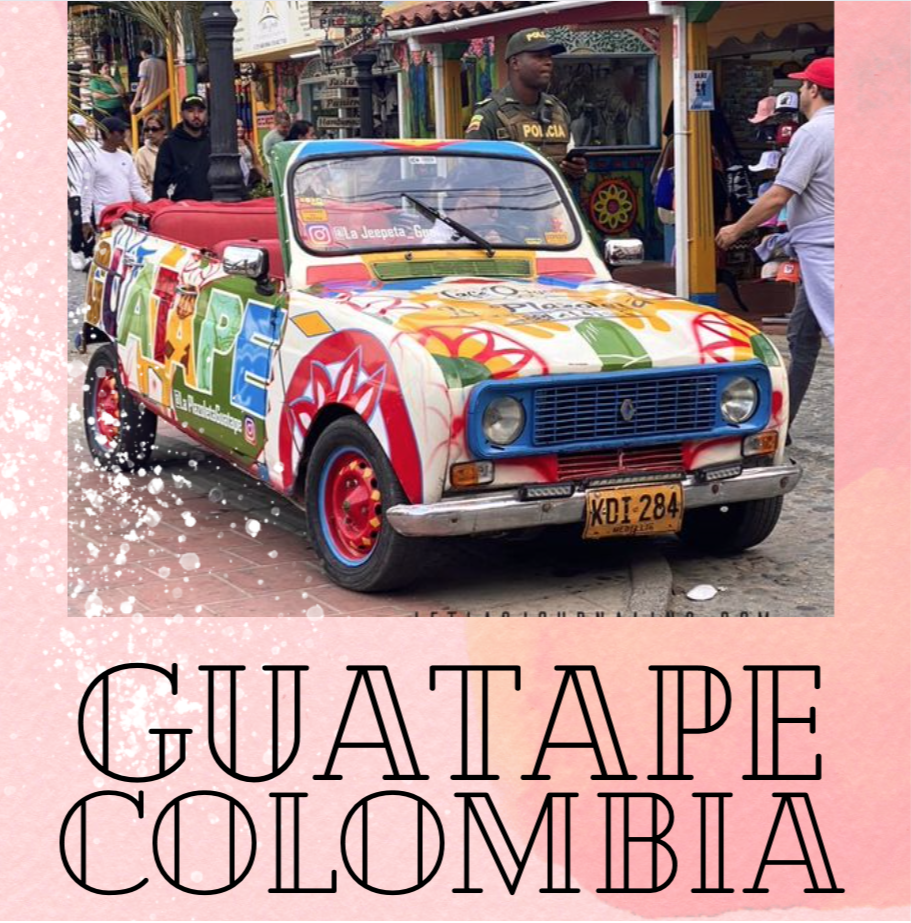
Guatape is a popular day trip destinations in Colombia known for unique colorful streets, great food, Pablo Escobar, and hiking El Peñol. While there are several ways to travel from one place to the other, taking a bus is one of the most convenient, affordable, and scenic options. I will discuss everything you need to know about taking the bus from Medellin to Guatape.

Getting to the Bus Station:

The first step is to get yourself to the bus station. You’ll have a few options:

-By Taxi: From wherever your staying hail a cab to Terminal de transporte Norte. Taxis are 16,000-25,000 from El Poblado.

-By Didi or Uber: You can order via the apps. They are usually less expensive than the taxi drivers. Set the destination too: Terminal de transporte Norte, rides are 7,000 -18,000 from El Poblado.

-By the Metro: Take the metro to Caribe Station. Its a walking bridge away from the Bus Station. Rides are 2,500 COP each way, you’ll need to get a Cívica card (Metro Card).

The city has several bus terminals, and the one I chose was in the north. Most buses from Medellin to Guatape depart from Terminal Norte (on Google maps: Terminal de transporte Norte) which is located in the north of the city and is easily accessible.

The Bus Terminal in Medellin:

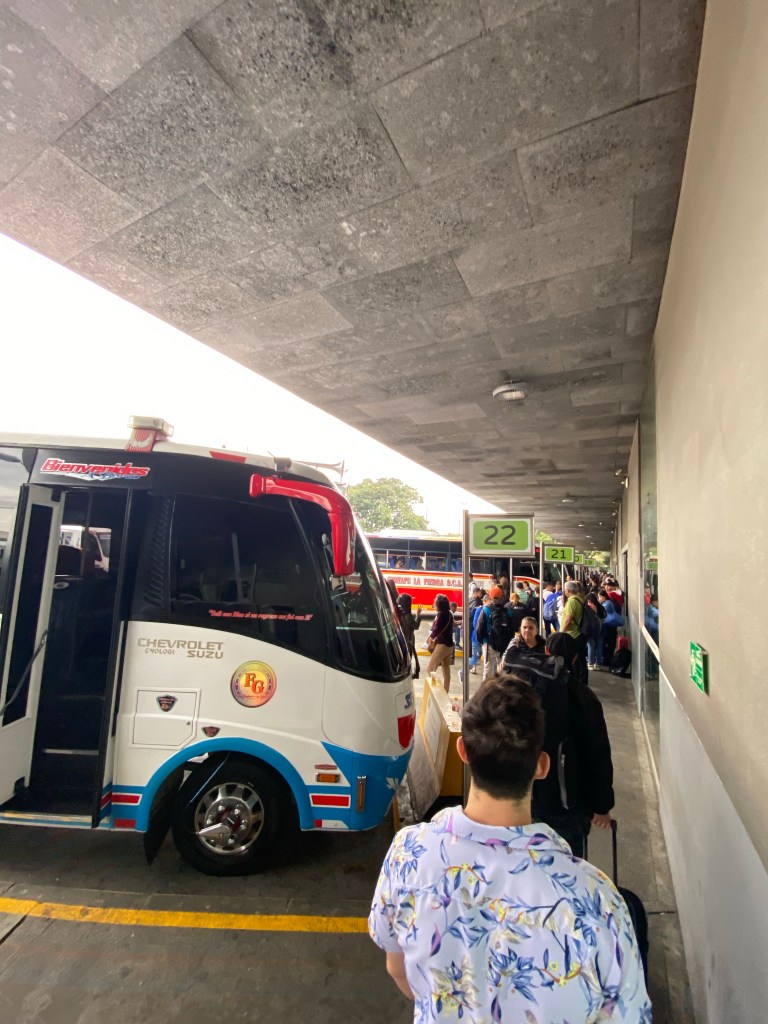
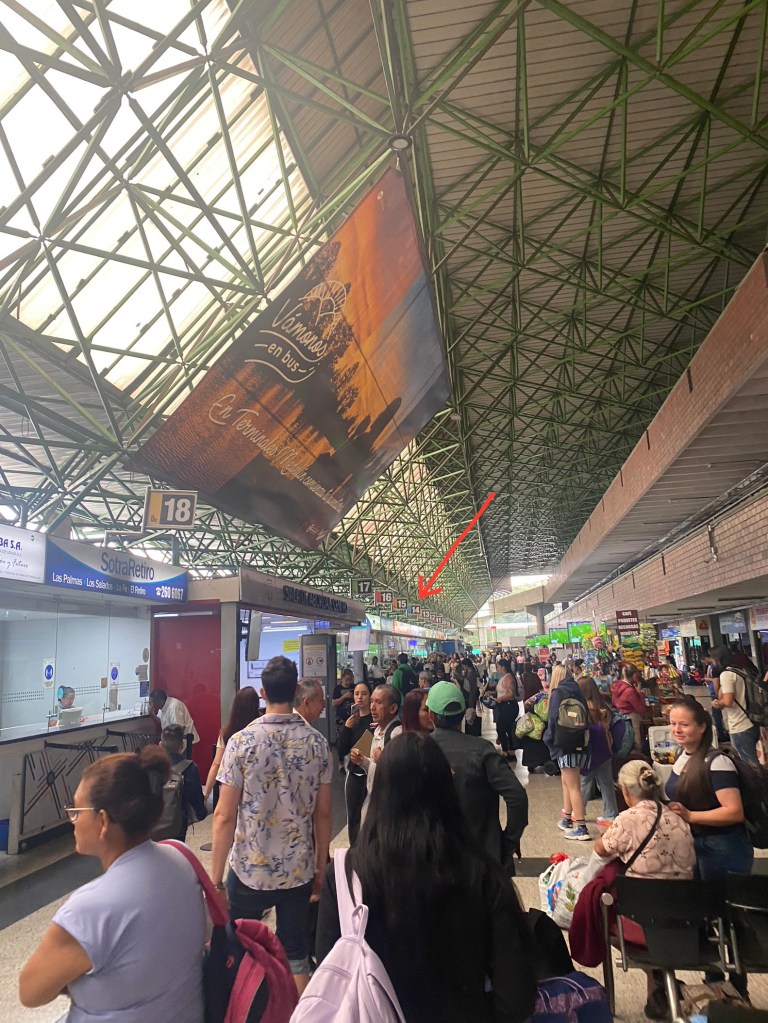
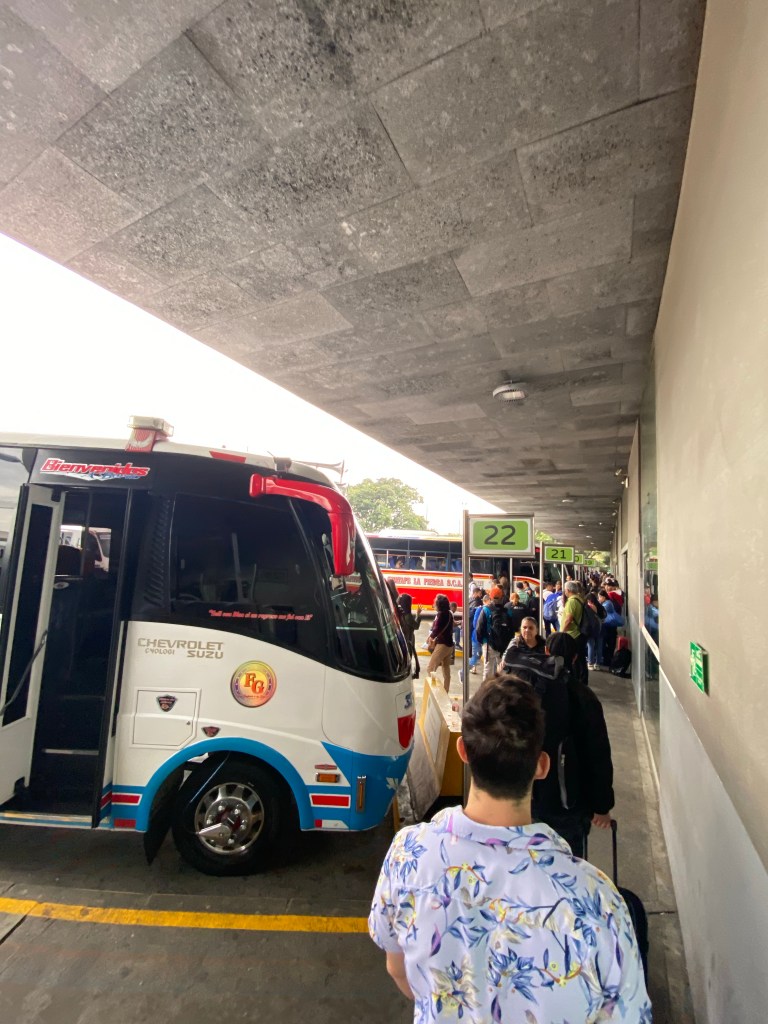
The second step of your journey is to book your trip out of the bus terminal in Medellin. This station is HUGE and has dozens of ticket windows. It takes a bit to navigate it especially during rush hour. I’d suggest to be there 20-30 min before you want to leave to get snacks, wait in line, use the restroom and find the right bus slot. Busses leave on the hour (…ish…) we arrived at 8:45 to buy a ticket for the 9:00am bus. We got the last two seats and were pretty rushed.

Taking the Bus from Medellin to Guatape

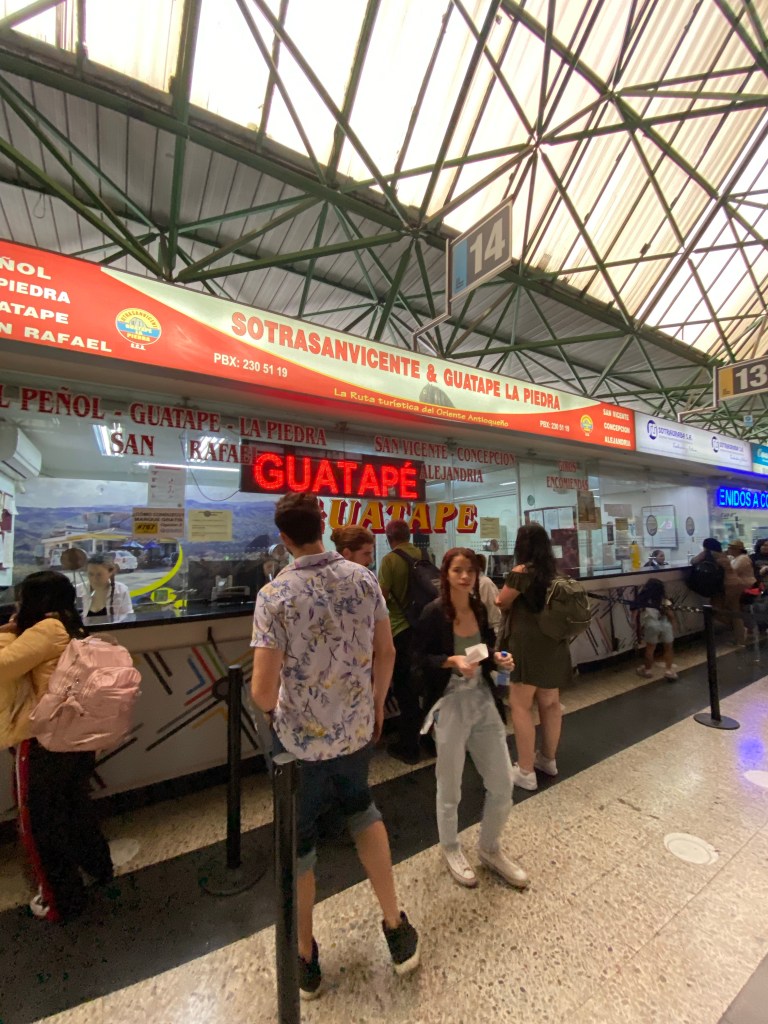
At 8:45 am the station was packed. If you get stressed easily allow extra time for the crowds. Look for number 14.
Window number 14. This is where you get tickets 🙂

Once you arrive at the bus terminal, you can purchase your ticket at window 14 and board the bus to Guatape. NOTE***use the bathroom before the bus ride *** the bus doesn’t stop for any breaks.

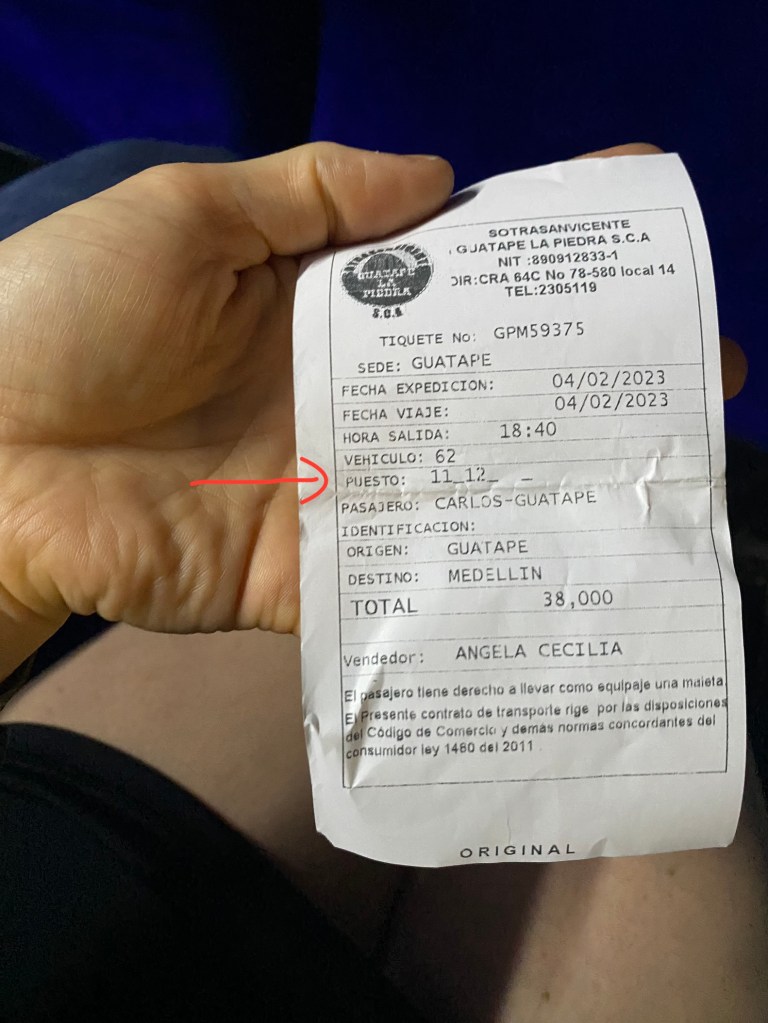
Puesto is your seat number we were seats 11 and 12.
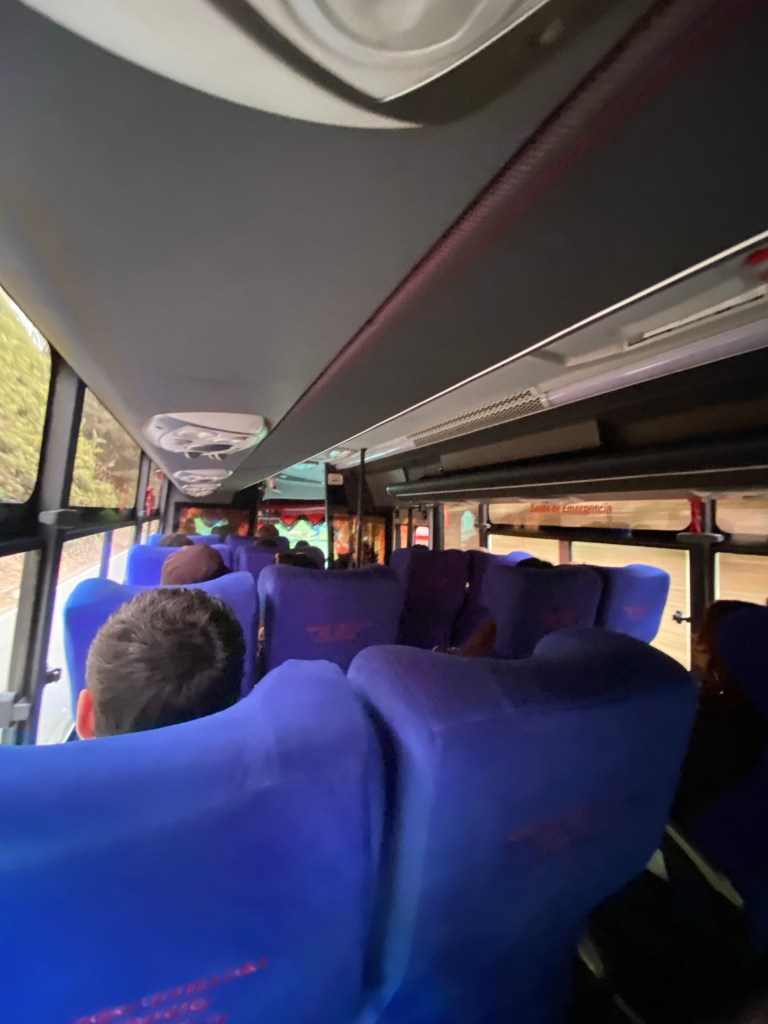
Very comfy seats!
Your ticket will have a seat number and you sit in your assigned seat. I was in seat 17 on the return trip. The numbers are stitched into the headrests.

The journey takes approximately two hours, and during this time, you can sit back, relax, and enjoy the scenic views of the Andes Mountains and the countryside. Most busses have comfortable seating and windows that open.

Arrival in Guatape

When you arrive in Guatape, you will be dropped off at the bus terminal near the town center. From here, you can walk or take a taxi to wander the city. Guatape is known for its stunning architecture and colorful houses, as well as its beautiful lake.

Tips for Taking the Bus from Medellin to Guatape

  • Purchase your bus ticket in advance to ensure that you get a seat at your time preferences.
  • Pack for the weather, there’s no bus a/c. The bus was cold at night and I wish I packed a sweatshirt. It was hot during the day and I’m glad I brought cold water.
  • Bring snacks and drinks, as the journey can be long and you may get hungry.
  • USE THE RESTROOM BEFORE YOU GO!
  • Bring sunscreen!
  • Bring bug repellent if you are prone to bug bites.
  • Download a Netflix movie or show for the ride if you get bored easily.

Option:

You can ride the bus all the way past El Peñol and towards Guatape. If you don’t want to see or hike the rock stay on the bus. But I’d suggest to get off at El Peñol first, hike it and then take a 3 wheel tuktuk into the city of Guatape for the last part of the trip. The trip cost 15,000 COP and too about 15 min. It was easy to catch the returning bus from the terminal in Guatape back to Medellin. The last bus runs at about 6-7pm. Check this and buy your ticket early so you know when to be back at the bus station.

Taking the bus from Medellin to Guatape is an easy and convenient way to travel between these two popular destinations. With comfortable seating, scenic views, and affordable prices, it’s no wonder that taking the bus is one of the most popular ways to travel in Colombia. So why not book your ticket today and enjoy the journey?

Top 10 Foods to try in Colombia

Colombia is a country that is renowned for its rich cultural heritage and delicious cuisine. From traditional dishes to modern fusion creations, the country has a wide variety of food options that cater to every taste bud. Here are the top 10 foods that you should try while in Colombia.

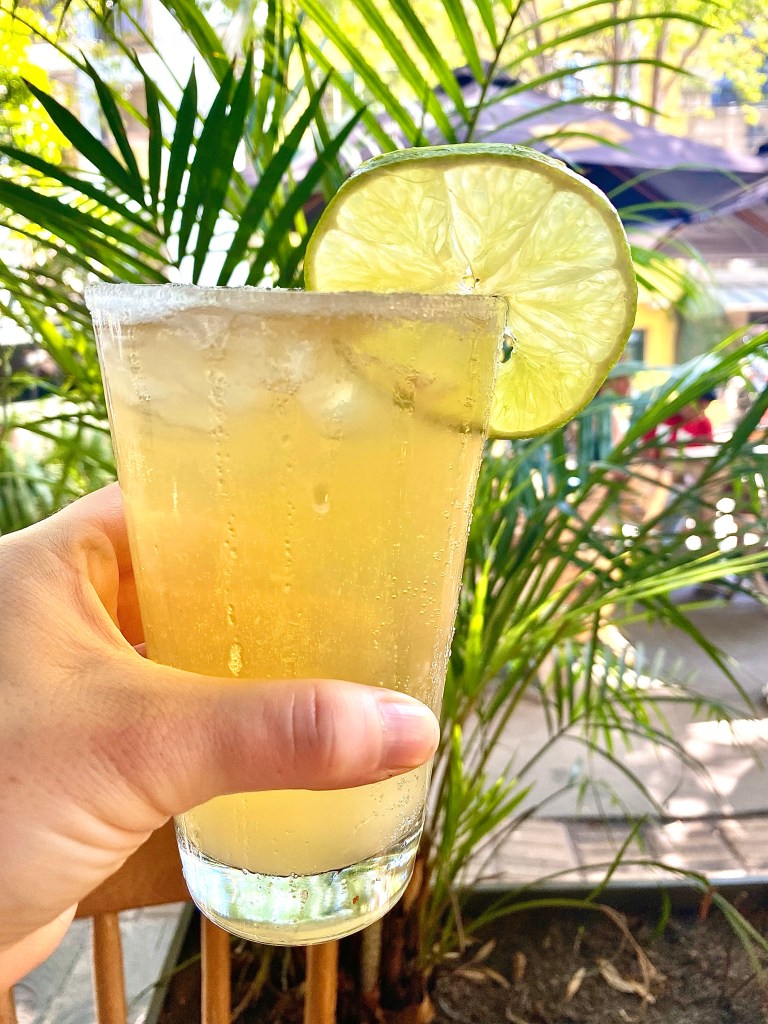
1. Michelada – A popular drink in Colombia, Michelada is made from beer, lime juice, salt, and spices. It’s the perfect drink to enjoy on a hot day, as it’s refreshing and delicious.

2. Arepas – Arepas are one of the most popular foods in Colombia and can be found in many restaurants and street stalls in Medellin. They are made from corn flour and are typically filled with cheese, meat, or vegetables.

3. Bandeja Paisa – This traditional dish is a hearty meal that consists of rice, beans, meat, plantains, avocado, and a fried egg. It’s a staple in Medellin and is a must-try for anyone who loves authentic Colombian cuisine.

4. Lechona – A specialty of Antioquia, Lechona is a pork dish that is stuffed with rice, spices, and herbs. It’s slow-cooked and served with a delicious salsa.

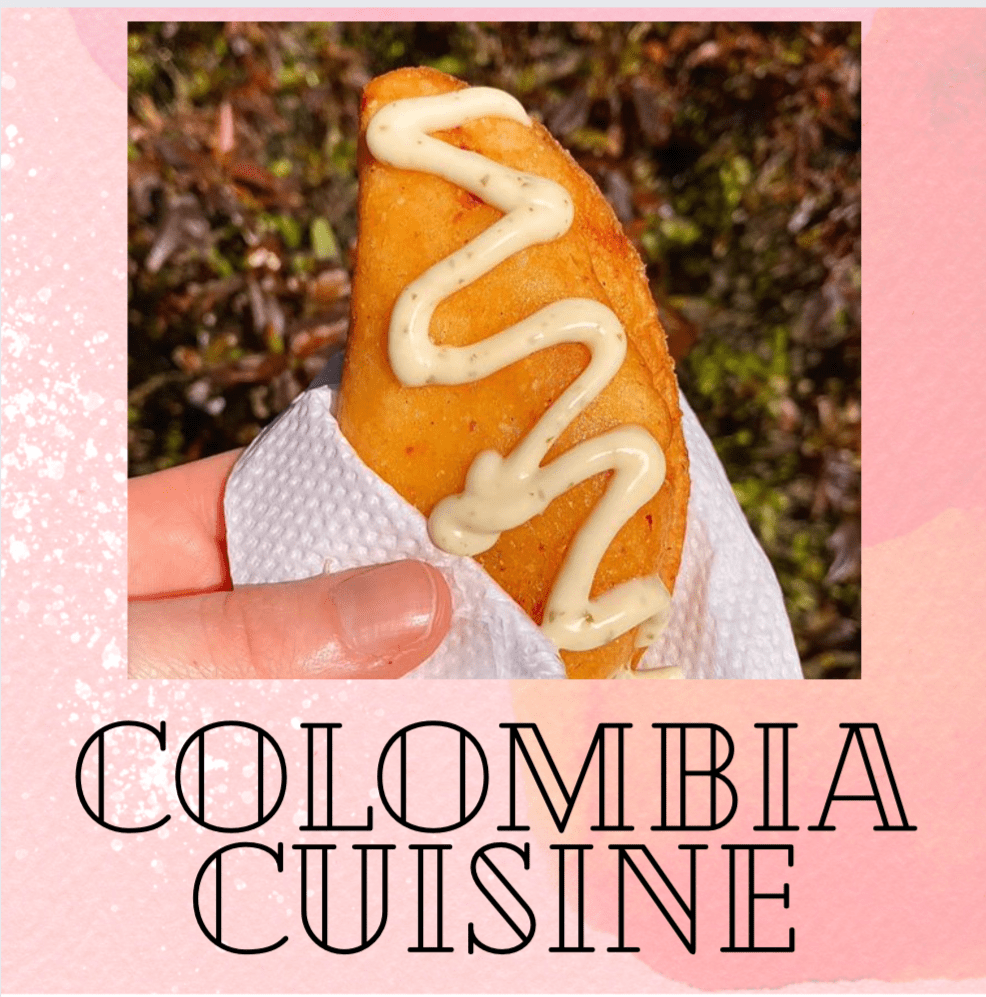
5. Empanadas – Empanadas are a popular snack in Colombia and are made from a dough that’s filled with cheese, meat, or vegetables. They’re perfect for a quick and satisfying bite.

6. Ajiaco – This traditional Colombian soup is made from chicken, potatoes, corn, and cilantro. It’s a comforting and hearty dish that’s perfect for a cold day.

7. Arroz con Pollo – This dish is a staple in Colombian cuisine and consists of rice cooked with chicken, spices, and vegetables. It’s a flavorful and filling meal that’s easy to prepare.

8. Churros – Churros are a popular dessert in Colombia and are made from a deep-fried dough that’s coated in sugar and cinnamon. They’re a perfect way to end a meal or enjoy as a snack.

9. Tamales – Tamales are a traditional dish in Colombia that’s made from corn dough that’s filled with meat, cheese, or vegetables. They’re a tasty and portable snack that’s perfect for on-the-go eating.

10. Limonada – Limonada is a popular drink in Colombia that’s made from fresh lime juice, sugar, and water. It’s a refreshing and hydrating drink that’s perfect for a hot day.

Colombia offers a wide variety of delicious foods that are sure to please every palate. From Michelada to arepas, there’s something for everyone to enjoy. So, if you’re in South America, be sure to try these top 10 foods and discover the flavors of Colombian cuisine.

A Day Trip to Guatape from Medellin, Colombia

Guatape is a popular tourist destination located in the province of Antioquia in Colombia, about two hours away from the bustling city of Medellin. The town is famous for its picturesque landscapes and vibrant culture, making it an ideal destination for those looking for a quick escape from the city. Here’s a guide on what to expect on a day trip to Guatape from Medellin.

Transportation

To get to Guatape from Medellin, visitors can take a bus ($4 USD) from the Terminal del Norte — go to ticket window 14, 20 min. Before the hour or take a taxi ($55-60 USD). It’s also possible to book a private tour ($20-60 USD) or rent a car, which gives visitors the freedom to explore the area at their own pace.

El Peñol or La Piedra del Peñol

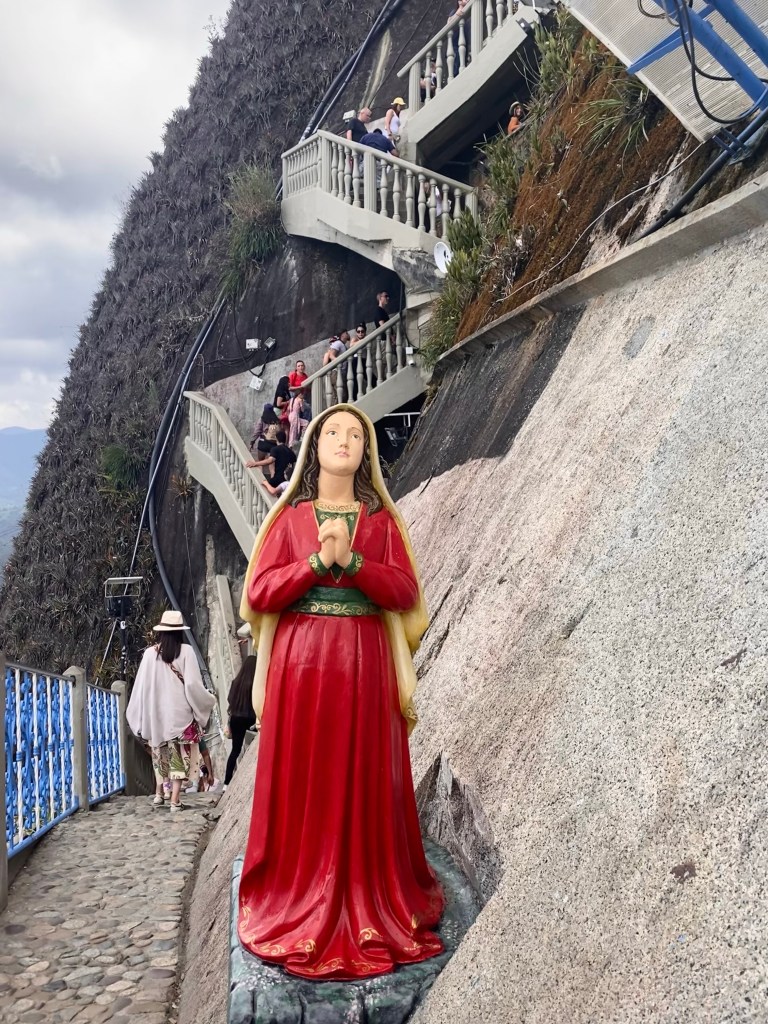
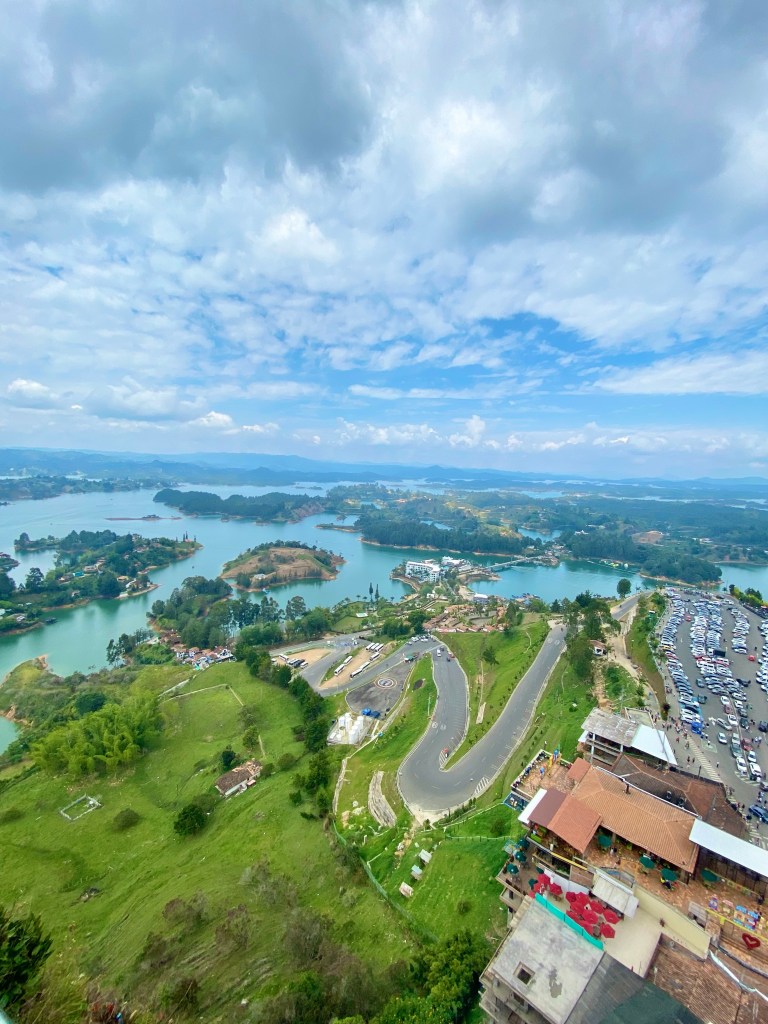
The first stop on the itinerary is La Piedra del Peñol, a giant rock formation located on the outskirts of Guatape. Visitors can climb the 700-step staircase to the top of the rock for a panoramic view of the surrounding area. The climb may be challenging, but the views are worth it!

Guatape Town

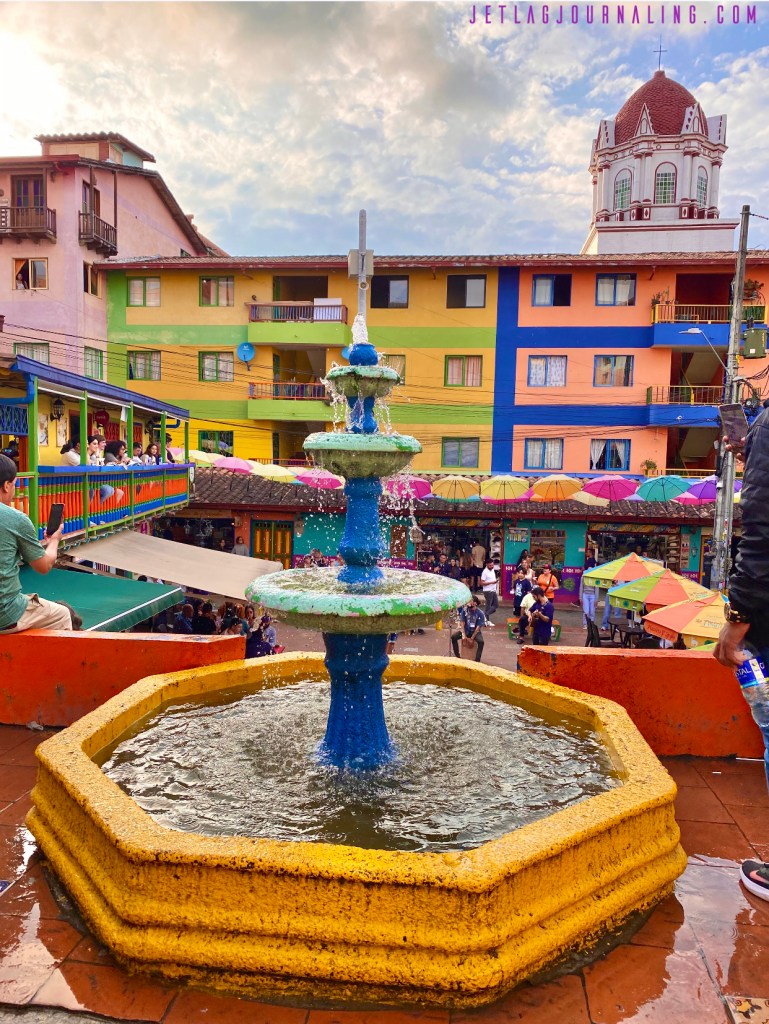
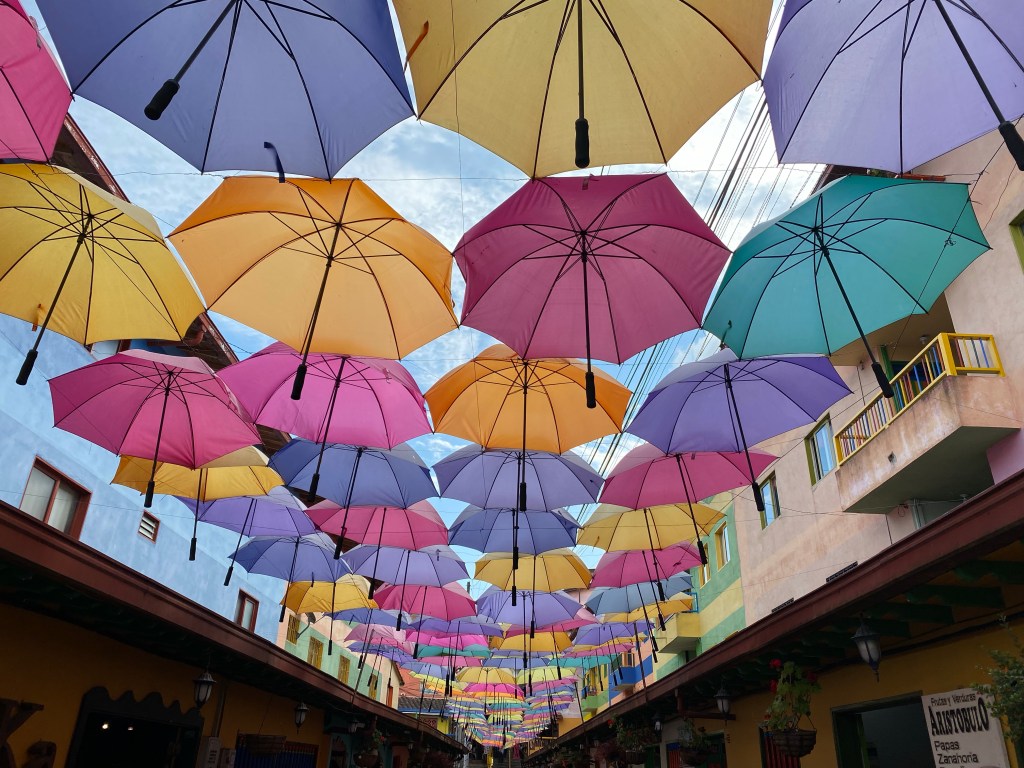
After the climb, visitors can head to the center of Guatape, where they’ll find a variety of street vendors, artisanal shops, and restaurants. Here, they can sample some of the local cuisine, such as arepas, and buy souvenirs. The town is also famous for its colorful buildings, each one painted in a different hue.

Lake Guatape

A visit to Guatape wouldn’t be complete without a trip to Lake Guatape. Visitors can rent a boat or take a guided tour to explore the lake and its surroundings. The lake is surrounded by rolling hills, making it the perfect place for a picnic or a swim. You can also book a helicopter tour around the city.

A day trip to Guatape is an excellent way to escape the hustle and bustle of Medellin and experience the beauty of the Antioquian countryside. With breathtaking views, vibrant culture, and plenty of activities to enjoy, visitors are sure to have a memorable day. So pack a picnic, grab your camera, and head out on a day trip to Guatape!