Travel Guide to Istanbul, Turkey

Top sites and must see places in beautiful and historic Istanbul, Turkey. The perfect bucket list for your next trip with instagram spots.

1. Blue Mosque

2. Simit Bread

3. Galata Bridge walk

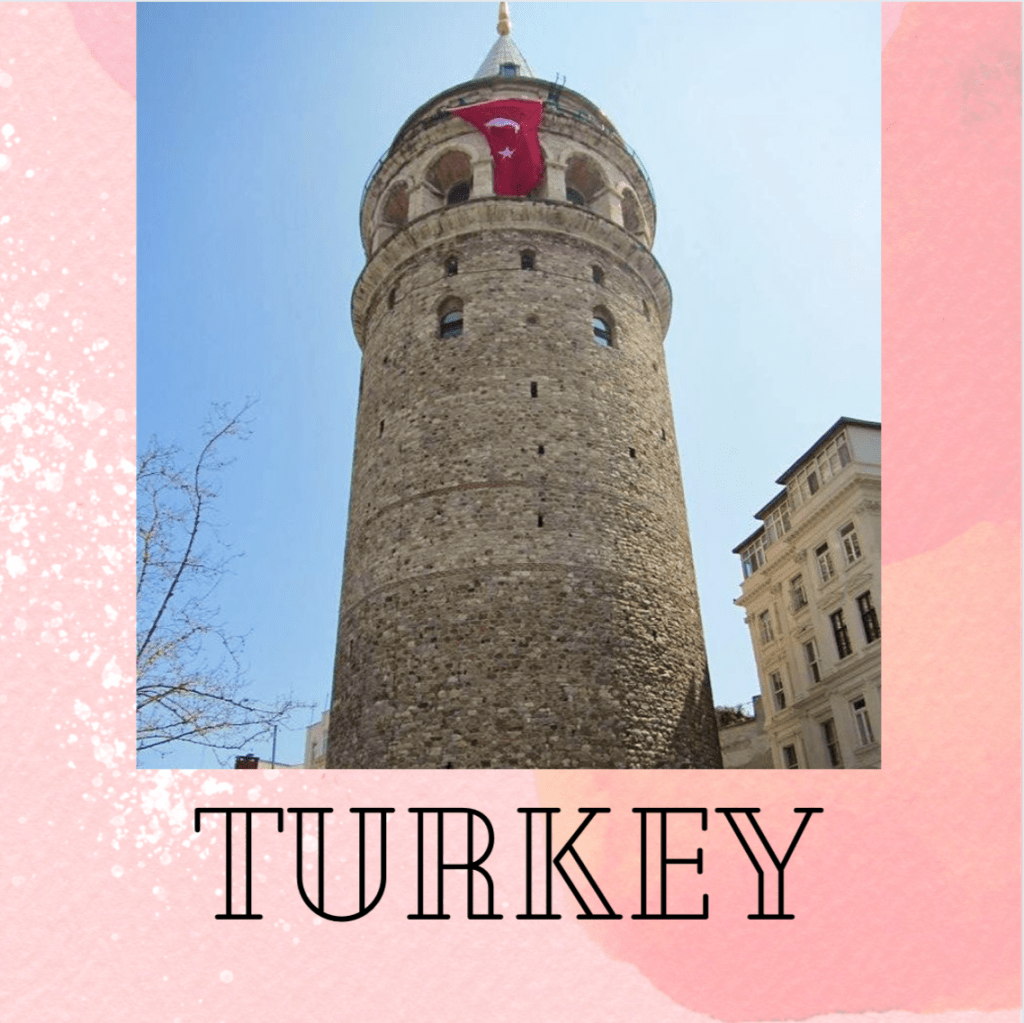
4. Galata Tower

5. The Hagia Sophia Mosque

6. Fener and Balat Neighborhoods

7. Bosphorus Boat Ride

8. The Grand Bazaar

9. Eminonu Square

10. The Spice Market (Mısır Çarşısı)

11. Mezze Platter

12. The Aqueduct of Valens

13. Umbrella Street in Kadikoy

14. Turkish Delights

15. Gold Shopping

16. Ablution Tap

17. Clay Pot (Testi) Kebab

18. Balik Ekmek the Famous Fish Sandwich Boat

19. Turkish Pizza (Lahmacun)

1. The Blue Mosque

Also called the Sultan Ahmed Mosque, was completed in 1616. With six sky piercing minarets, The blue mosque got it nickname form the stunning blue tiles that adorn the inside of the Mosque.
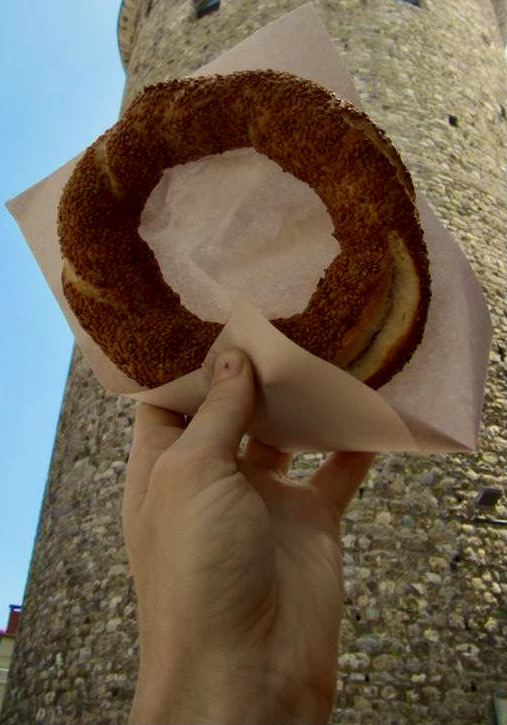
2. Simit Bread

A must try is Simit bread, its a better version of a bagel and resembles a crispy sesame bread ring. Its street food found all over the city and best in the morning when warm and freshly baked.

3. Galata Bridge walk

This bridge spans the Golden Horn which spans the divide between the continents of Asia and Europe.

4. Galata Tower

This stunning stone tower was built in the 14th century. The tower was used as a fire lookout, barracks, and a dungeon. It has an interior elevator you can ride and take in the best view of the city.
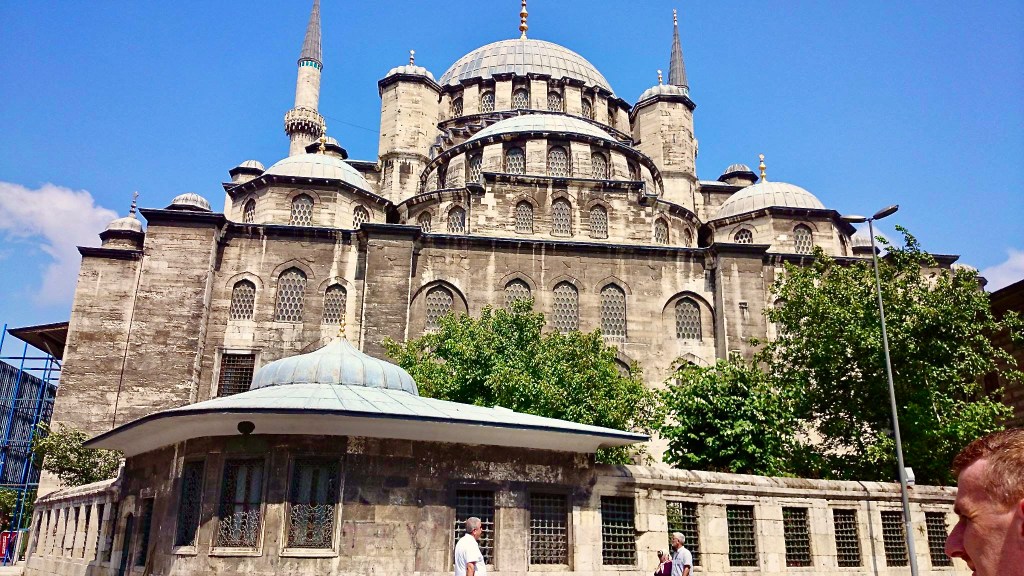
5. The Hagia Sophia Mosque

One of the most stunning domes in Europe. A little known visitors tip: One of the columns is known as the ‘wishing column’. Damp to the touch, the ‘sweating column’ has a bronze lined whole in the middle and it’s said to have the blessing of St. Gregory. If your hand emerges wet from the hole, your wishes will come to pass and you’ll be cured of illnesses.
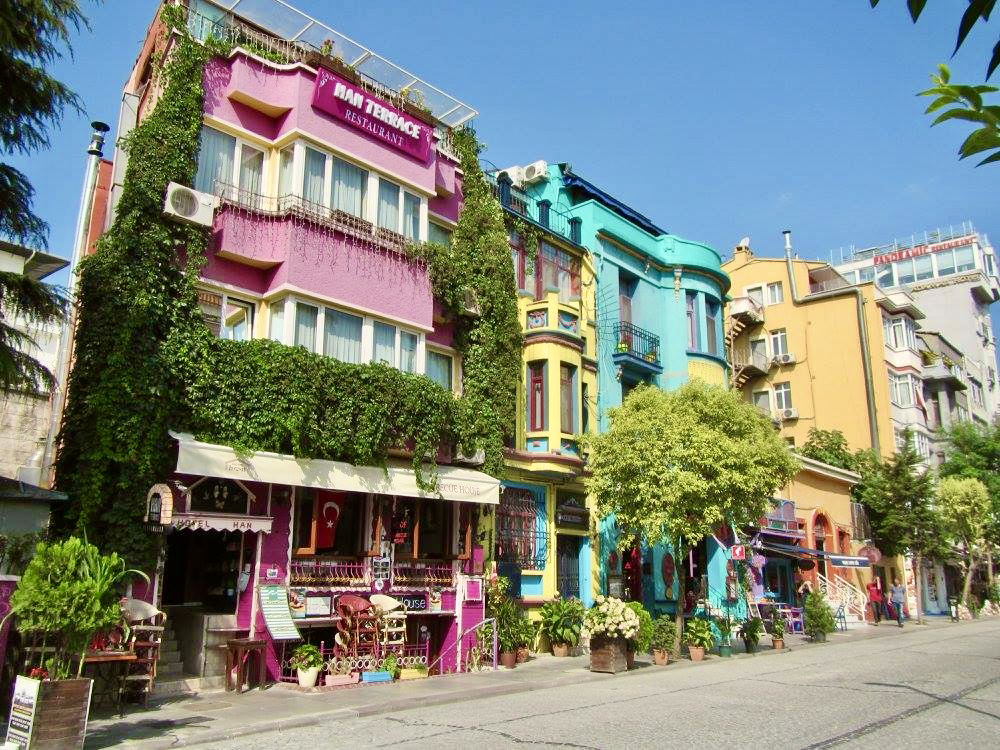
6. Fener and Balat Neighborhoods

The narrow cobbled streets and rows of wood houses plastered with color make this the must see. This historic Jewish neighborhood was built in 1492 and the crumbling colorfully painted old homes make for a photographers paradise.
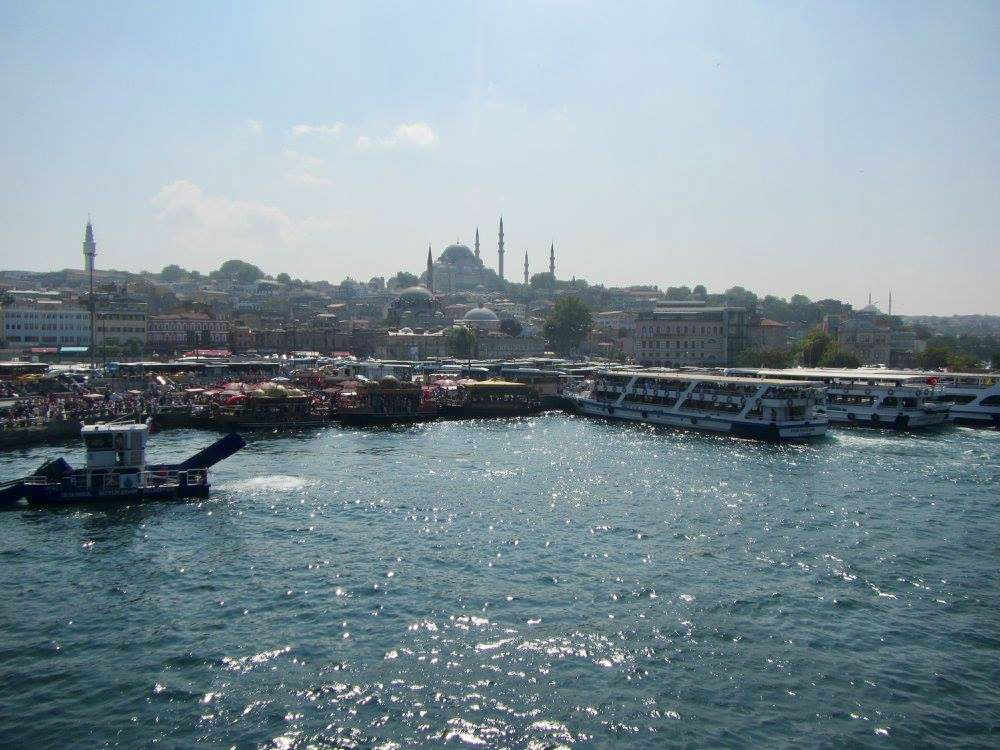
7. Bosphorus Boat Ride

Travel like the locals and take a trip on the Bosphorus Tour ferry. Options are a Full Circle (6 hours round trip) and Short Circle (2 hours). The Full Circle ride cost 25 TL (US$1.35) for adults.
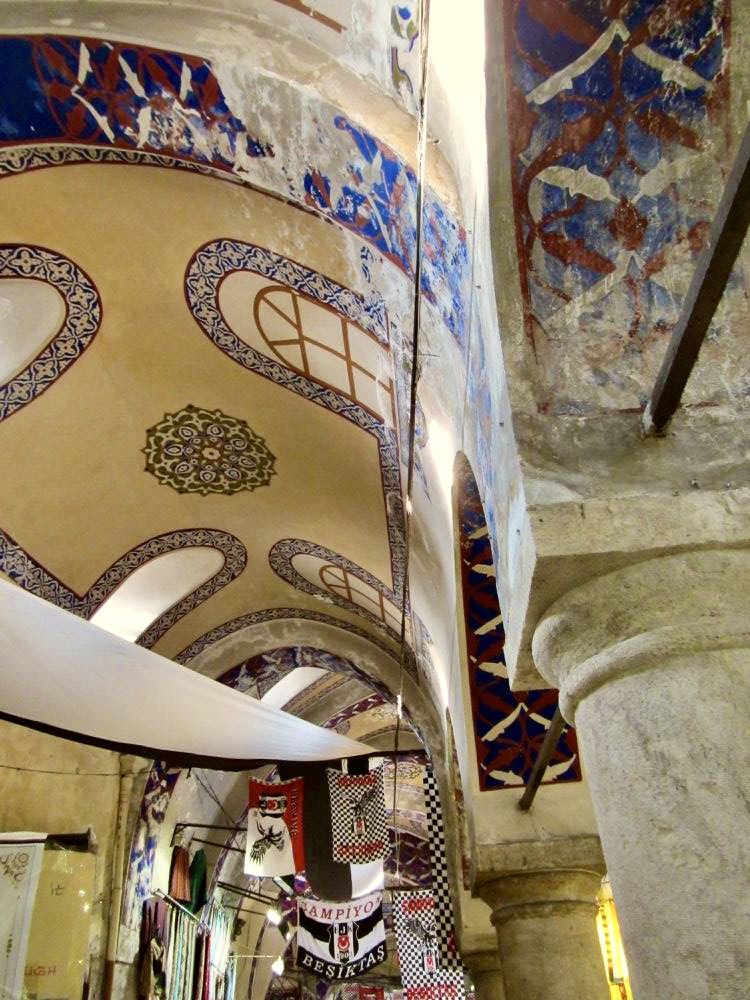
8. The Grand Bazaar

A shoppers paradise the Grand Bazaar is one of the oldest covered markets in the world, there are 61 covered streets and halls with 4,000+ vendors and stalls.
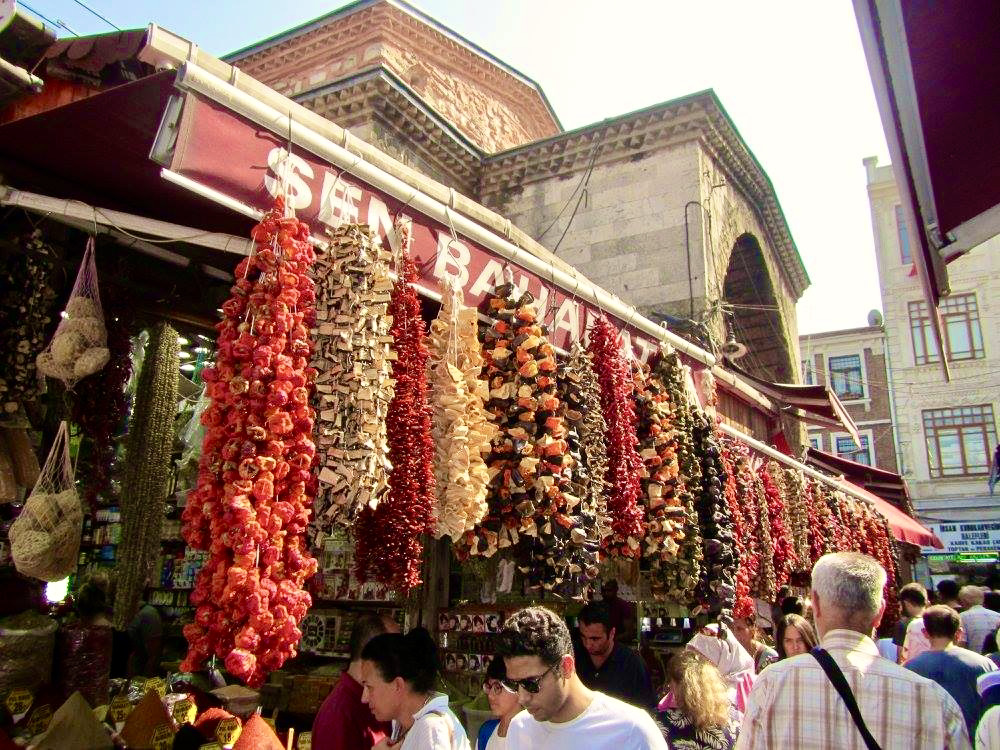
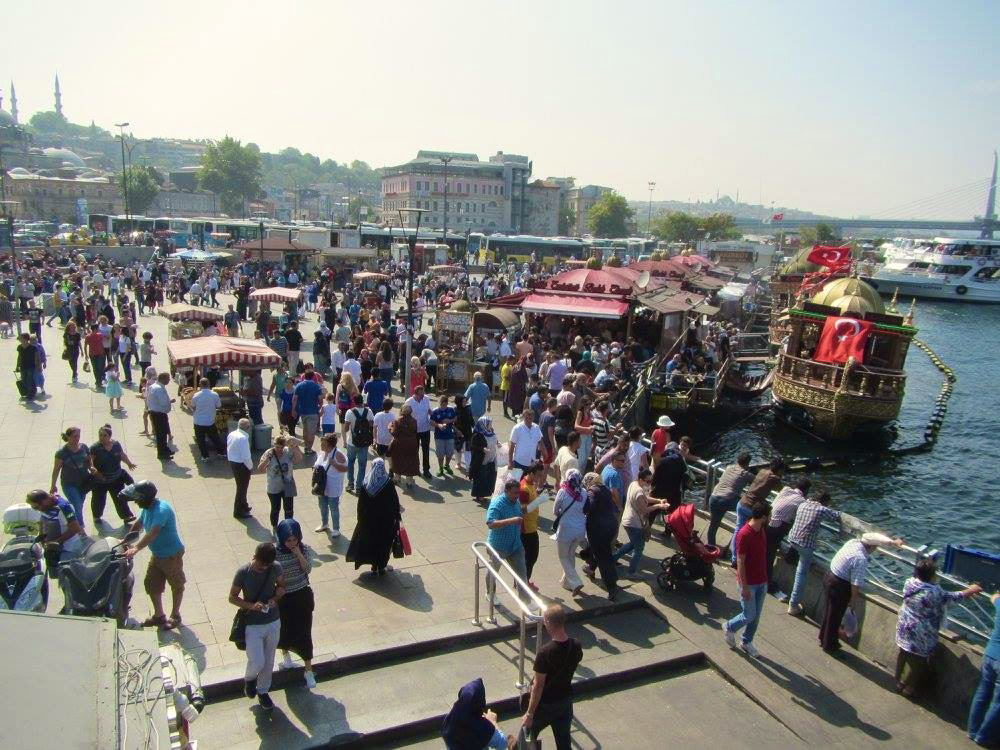
9. Eminonu Square

A massive main square that lies next to the Bosphorus, this square act as a transit point for many needing to catch a bus, ferry or taxi.
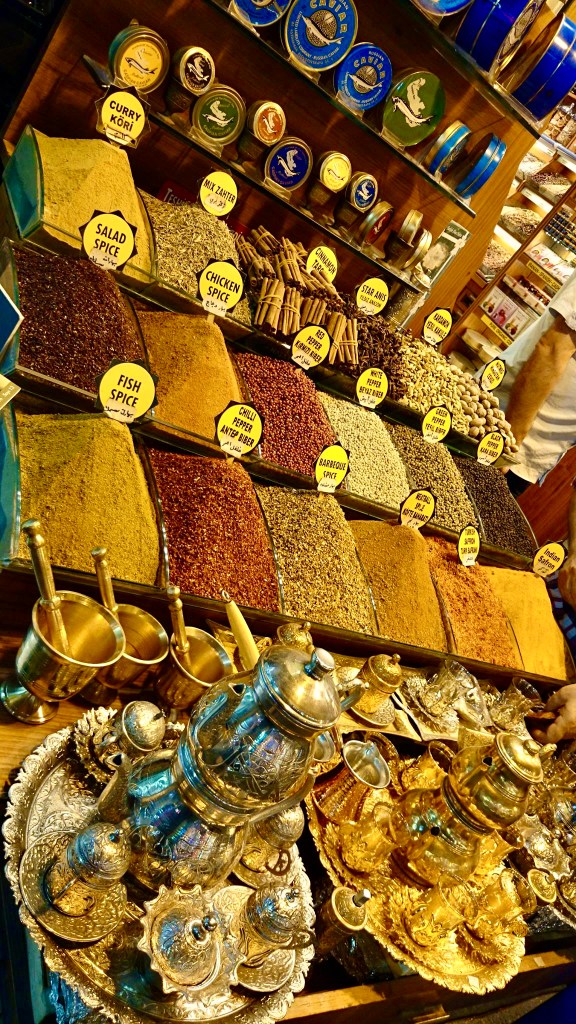
10. The Spice Market (Mısır Çarşısı)

Located in the. Eminönü quarter of the Fatih district, this market will have you dazzled with piles of fabulous smelling spices, nuts, dried fruits and candy.
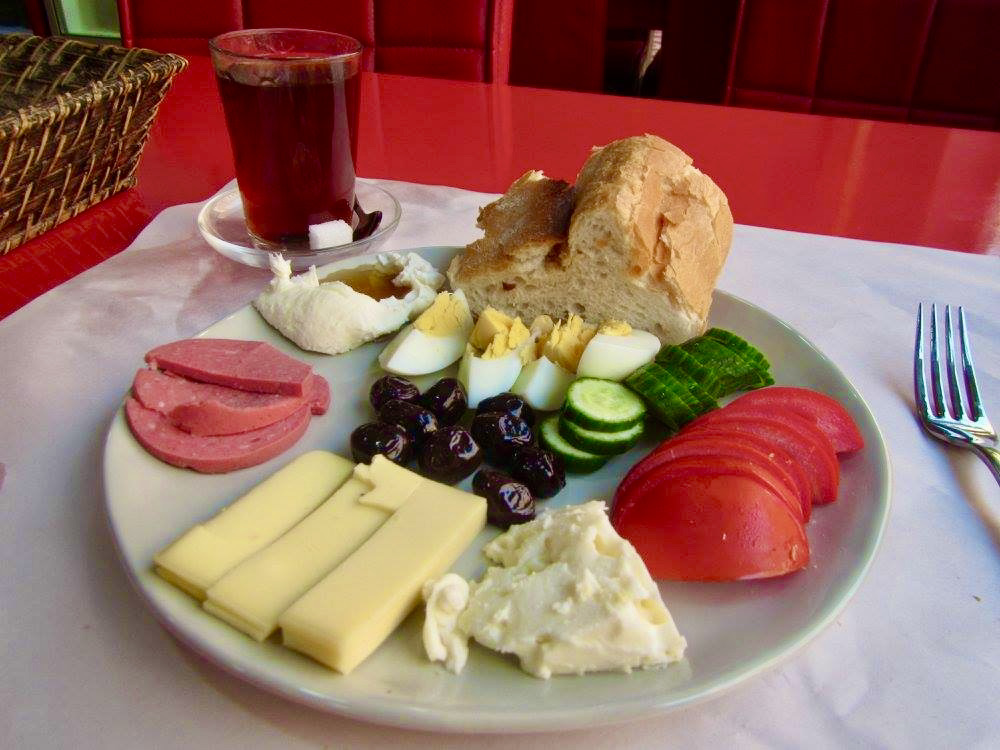
11. Mezze Platter

Seemly simple this is actually a dish with a long historical connection. In Turkey, a mezze platter can include olives, vegetables, dips, nuts, olive oil, drizzled feta cheese, mussels, fish, cured meat, salad, hummus, or breads. It a symbol of friendship and bonding and usually shared between groups. The mezze platter has a long history and is found in culinary remnants from the Ottoman Empire. Don’t forget to pair the platter with a hot cup of Turkish black tea.
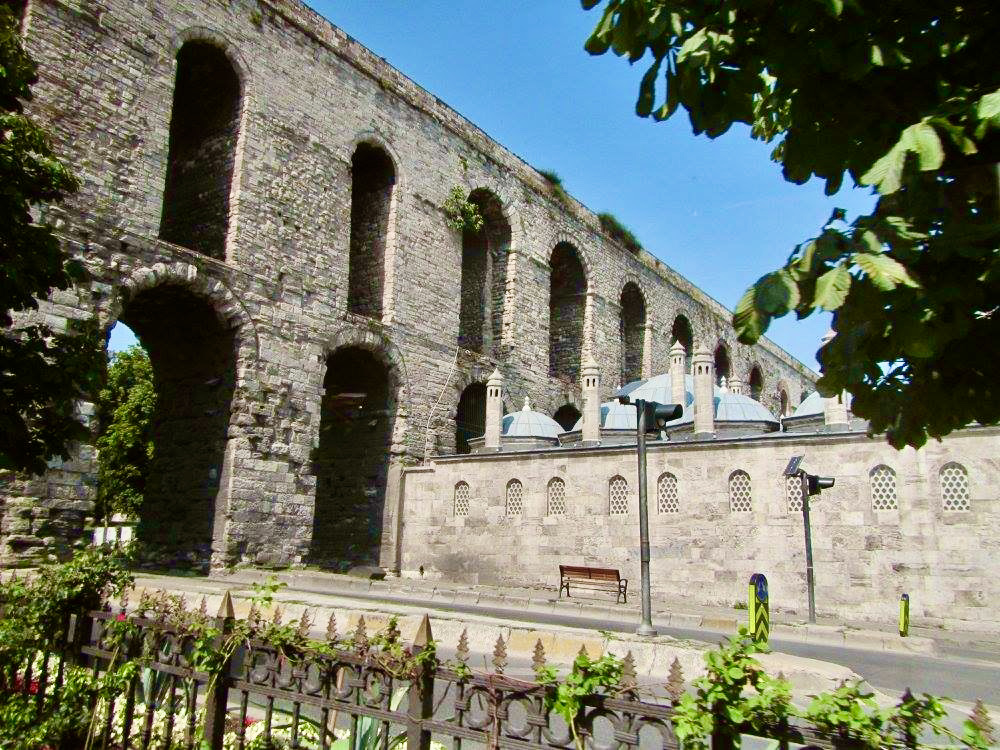
12. The Aqueduct of Valens

A fascinating historical remnant looms over part of the city known as the Aqueduct of Valens, its a Roman aqueduct system built, in 368 A.D., to supply Constantinople (ancient Istanbul) which was the capital of the Roman empire.  The sloped aqueduct system flushed clean water to the baths and cisterns of the city including the underground cistern called the Sunken Palace.
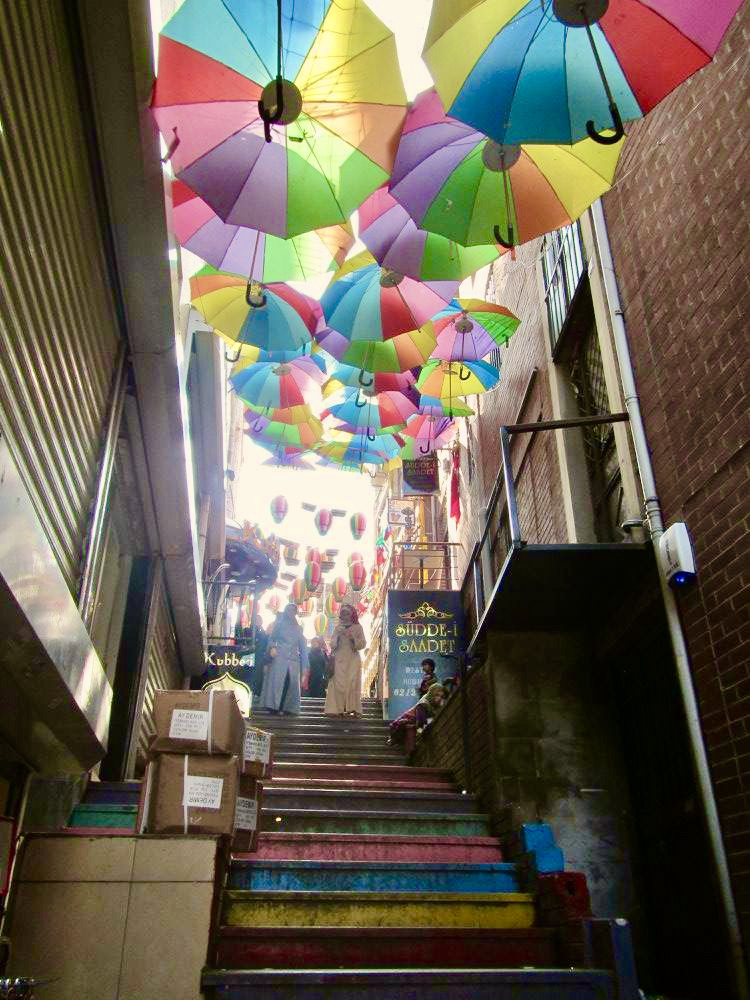
13. Umbrella Street in Kadikoy

Umbrella Street is a charming and very old street with brilliant umbrellas to block the sun’s rays for market visitors. This beautiful and unique street is also happens the be in the Fikirtepe region of Kadikoyone which is one of the oldest parts of the city and is estimated to be 5,000 years old.
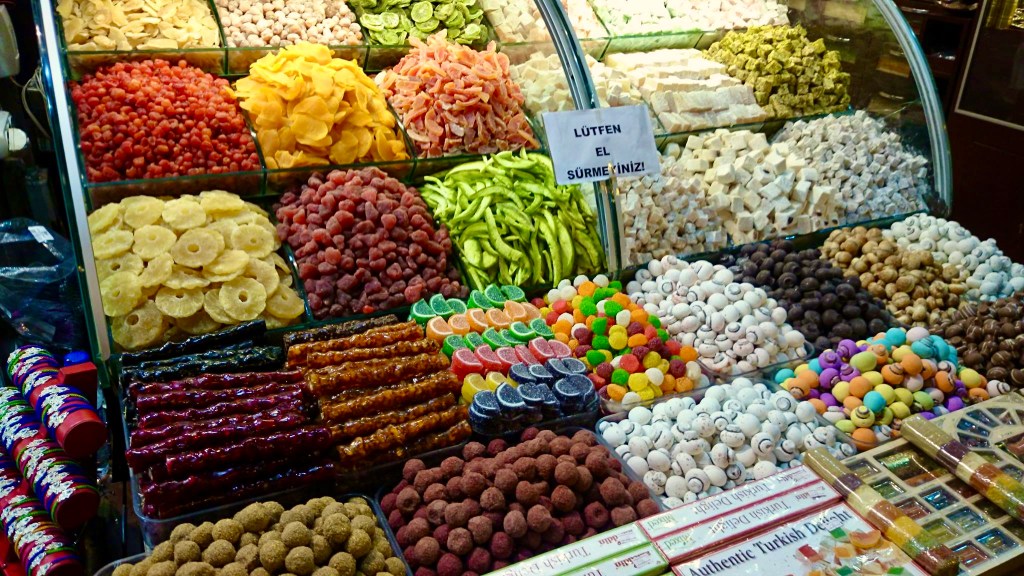
14. Turkish Delights

A must is Istanbul is trying the Turkish delights (also called lokum) they are jellied confection. You can also find, dried fruits and berries and undress of fascinating candies in the markets. Turkish delights are one of the oldest sweet still being made today and have been around for 500 years.
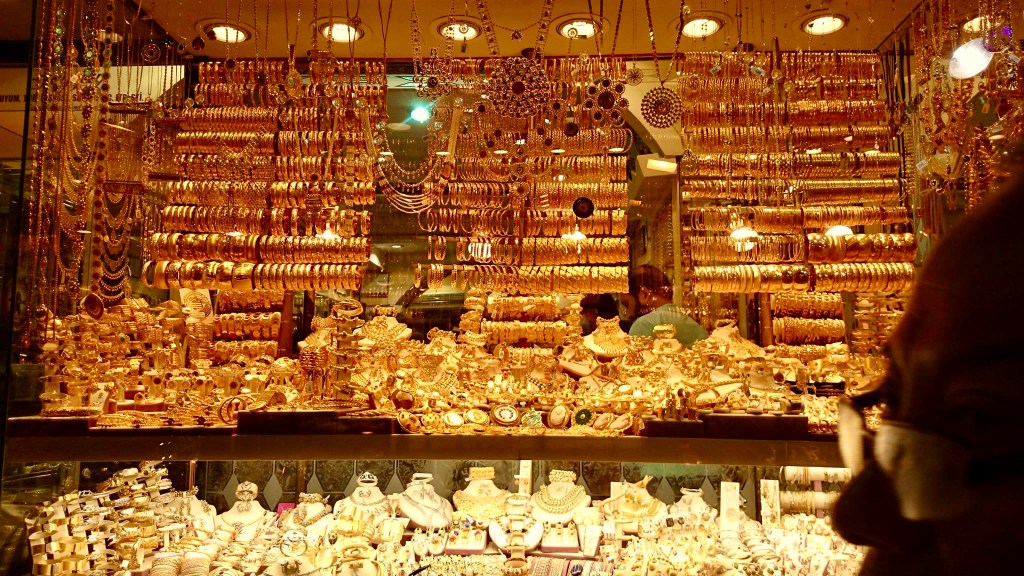
15. Gold Shopping

If you’re visiting Istanbul, then you’re at the heart of the gold exchange in Turkey. This is the best place to find exquisite and elaborate gold jewelry for fantastic prices.
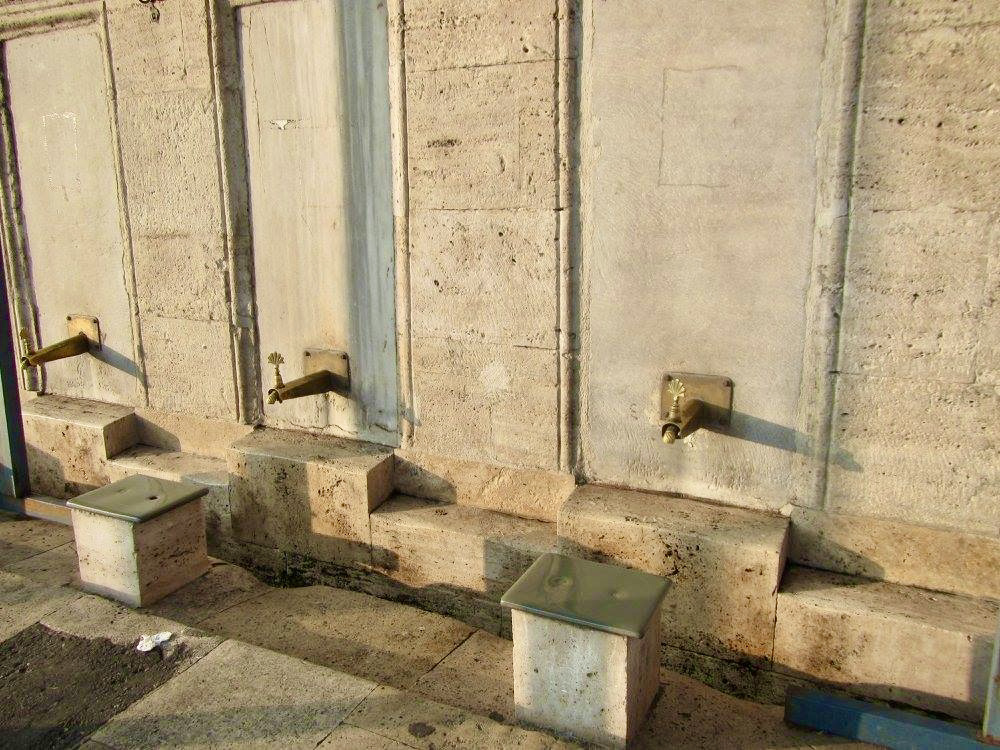
16. Ablution Tap

Wudu or Ablution water tap area. This is a place for practitioners to wash their hands and feet before entering the mosque.
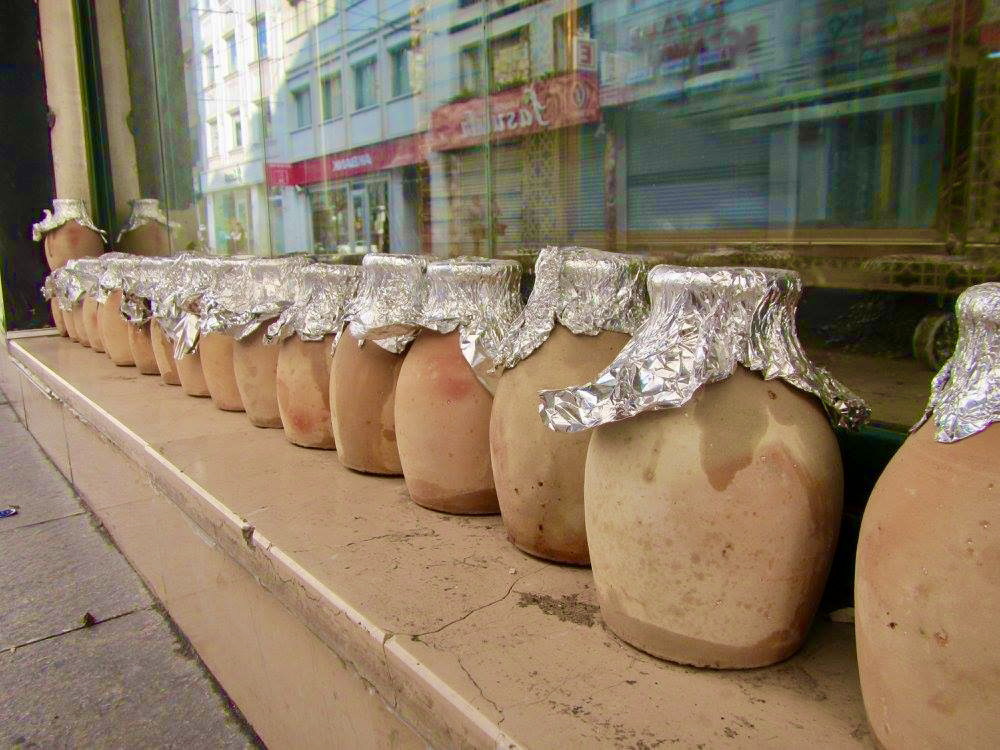
17. Clay Pot (Testi) Kebab

A tasty spectacle and must-try for visitors to Istanbul. These pots are filled with a meat (lamb, beef, or chicken), vegetables such as celery, onions, carrots, garlic, bell peppers, and potatoes and simmer with spices and herbs. They are slow baked in a clay oven for hours and its traditional to sealed the clay pot with a with a bread dough lid. The piping hot pot is brought out to drooling guests either spilled and arranged on a platter, sealed in the pot for you to open or cracked open (table side) on a platter in a theatrical manner.
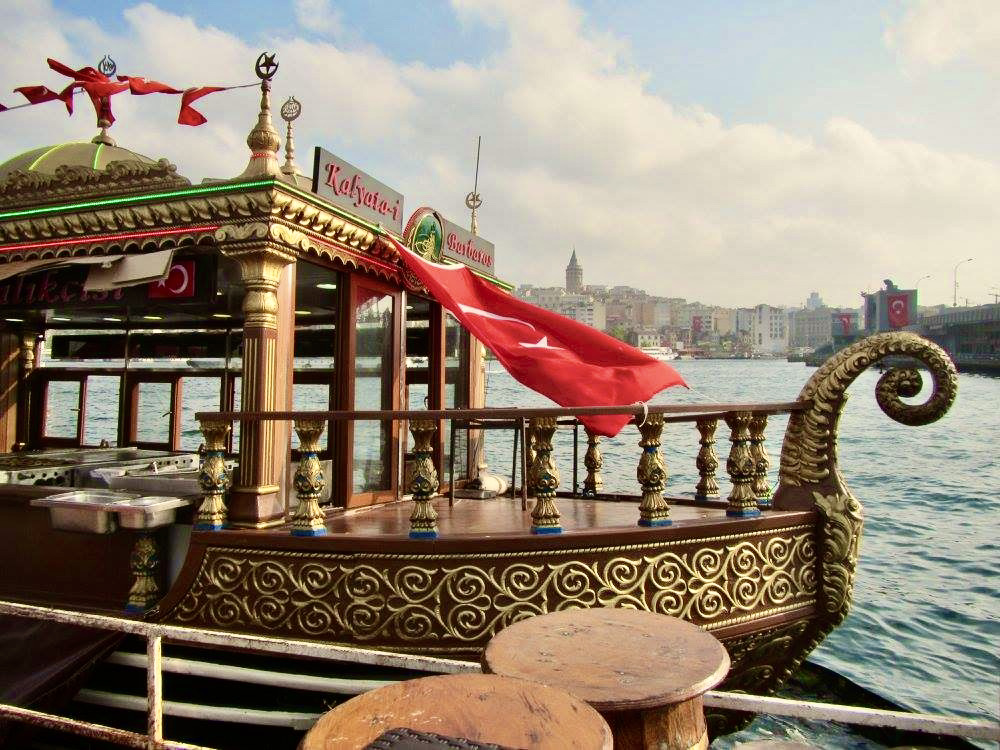
18. Balik Ekmek the Famous Fish Sandwich Boat

This sad historical sight has met its demise at the hands of city officials hungry to clamp down with regulations. It will remain on my list in hopes for future return and to document the changing of a city in the span of a few years. Fisherman have been catching, cooking, and selling fish here since the 1800s. They create a balık ekmek (fish bread), ingredients being: fish (usually mackerel), onions, lettuce, splash of lemon, in a white bread roll. It was historically a way for fishermen to off-load their excess catch from the day.
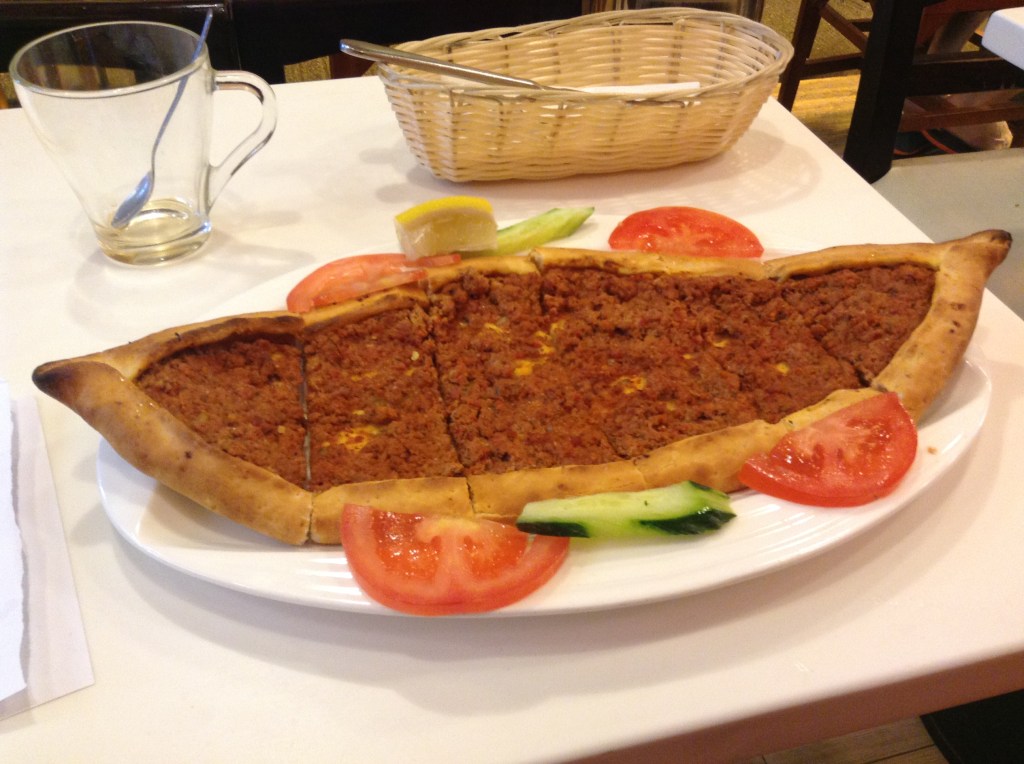
19. Turkish Pizza (Lahmacun)

Lahmacun or Turkish Pizza is made with a Middle Eastern flatbread as the crust and can be topped with meat, minced vegetables, onions, garlic, tomatoes, red peppers, and is sprinkled with chili, pepper, parsley, paprika, or lemon. They can sometimes have greek yogurt or ricotta cheese and are baked until extra crispy. Eaten at dinner or lunch, you’ll want seconds!

Keep Travel Funky.
Travel Guide to Athens, Greece

The top sites in Athens, Greece. The ultimate travel guide for culture, hidden gems, and secret sites.

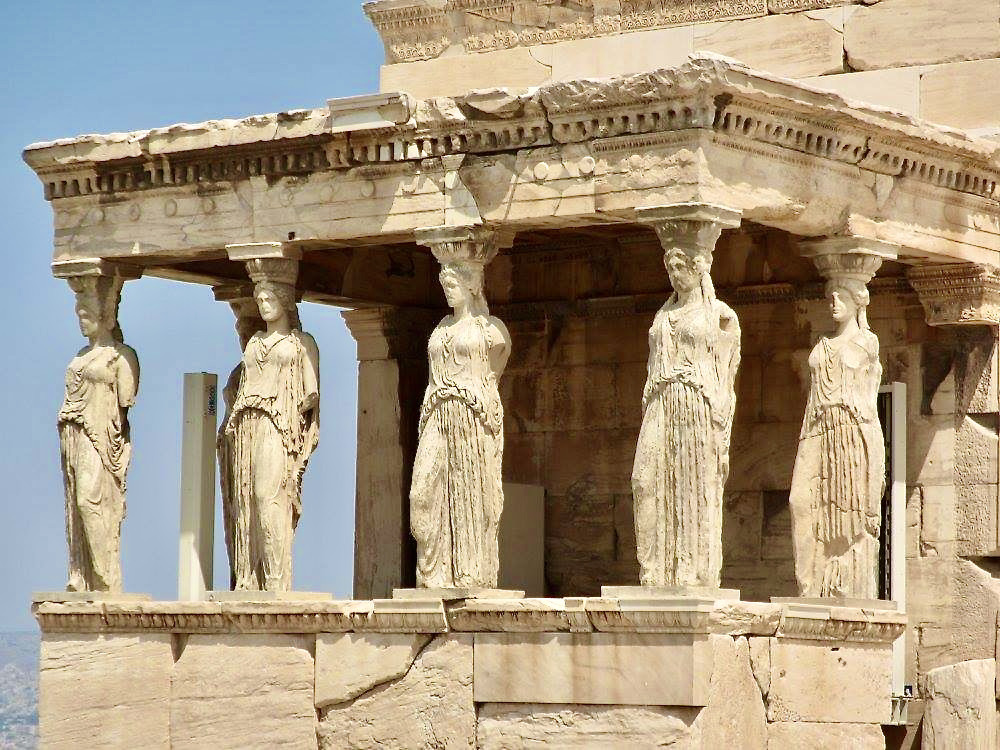
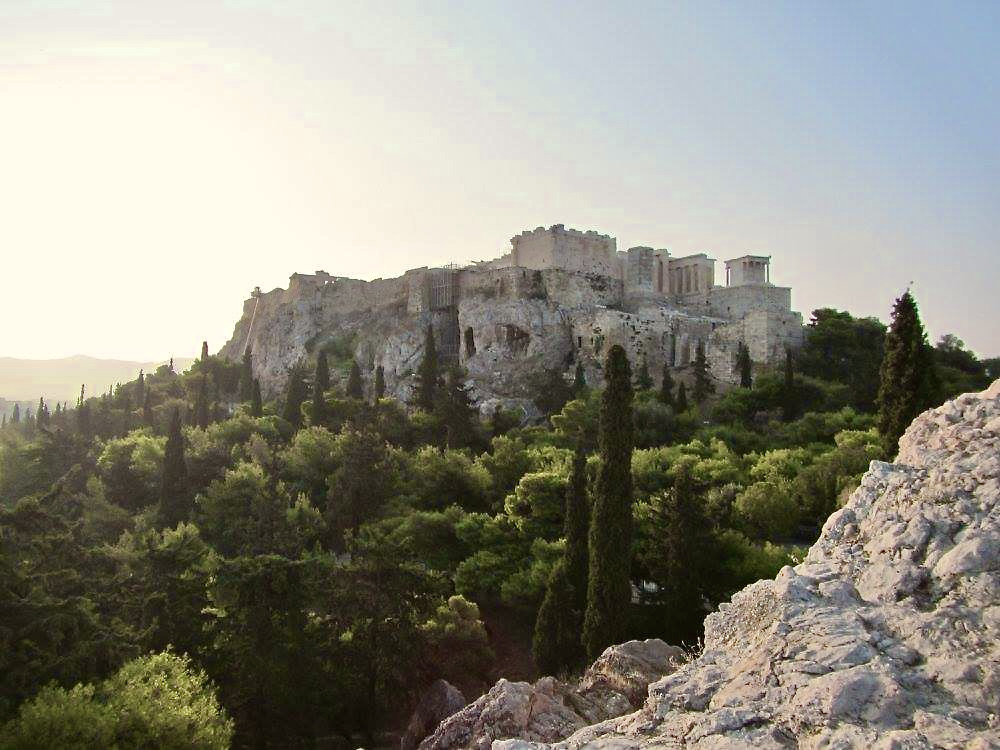
1. The Acropolis

The Caryatid Porch on the Erechtheum Temple at the Acropolis. There are six elegant female sculptures supporting the ceiling.

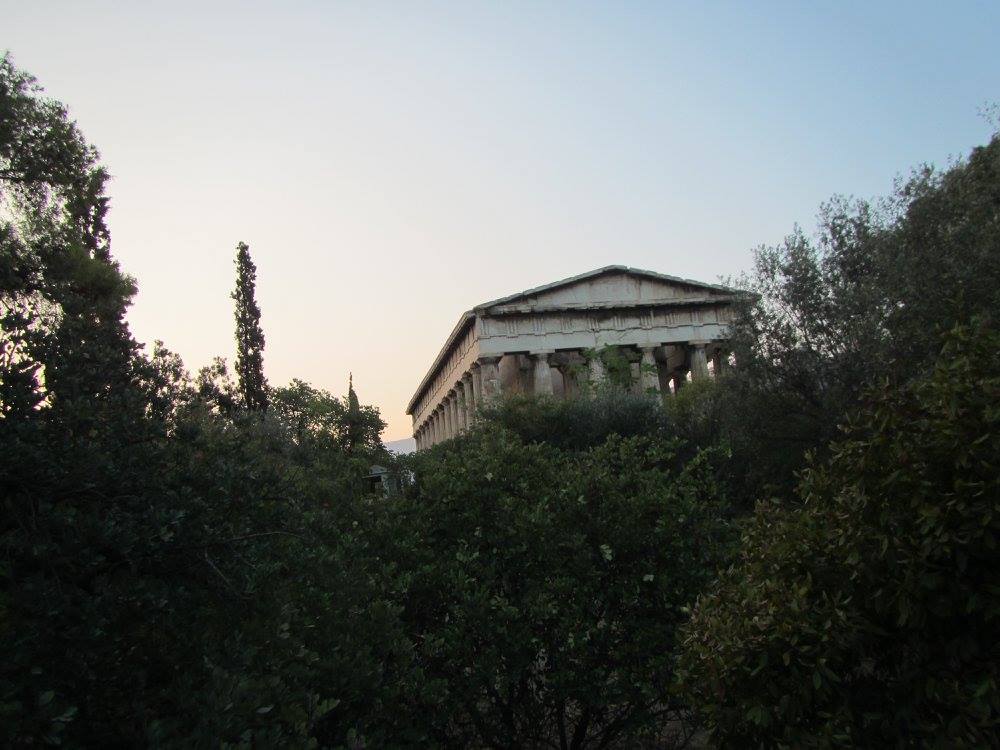
2. Parthenon

Built in celebration for the Hellenic victory after the Greco-Persian Wars. The Parthenon was used as the cities treasury and was built in 447 BC.

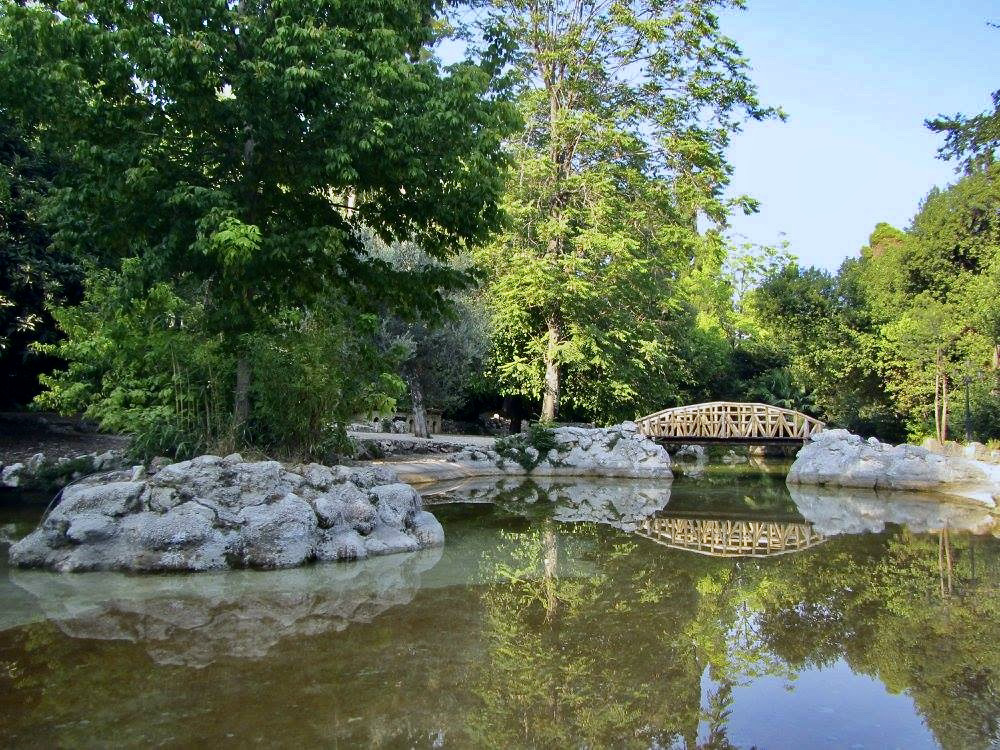
3. The National Garden

This tranquil place is home to hundred of local exotic and rare plants as well as ponds.

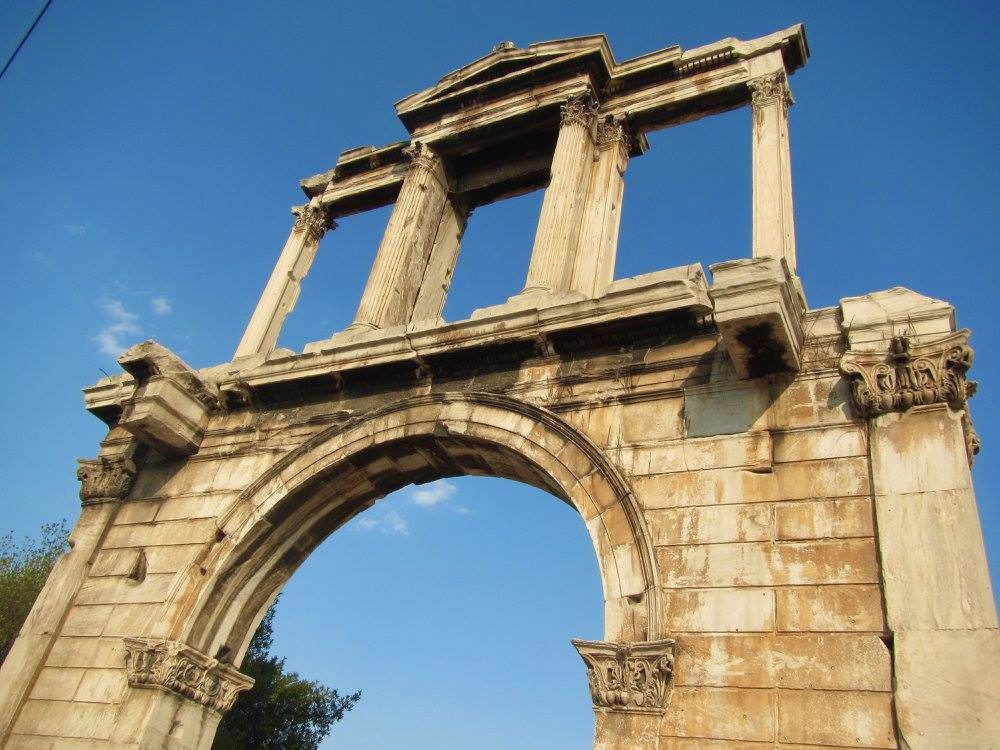
4. Arch of Hadrian

This triumph arch was built in 131/132 CE. It was originally an entrance to the old town and its stunning ancient marble towers over the nearby busy road.

5. Edem Beach

Very close to the city, it’s easily accessible by a 20 min. tram ride. The sandy beach is very crowded during the summer months, but worth the trip to beat the heat.

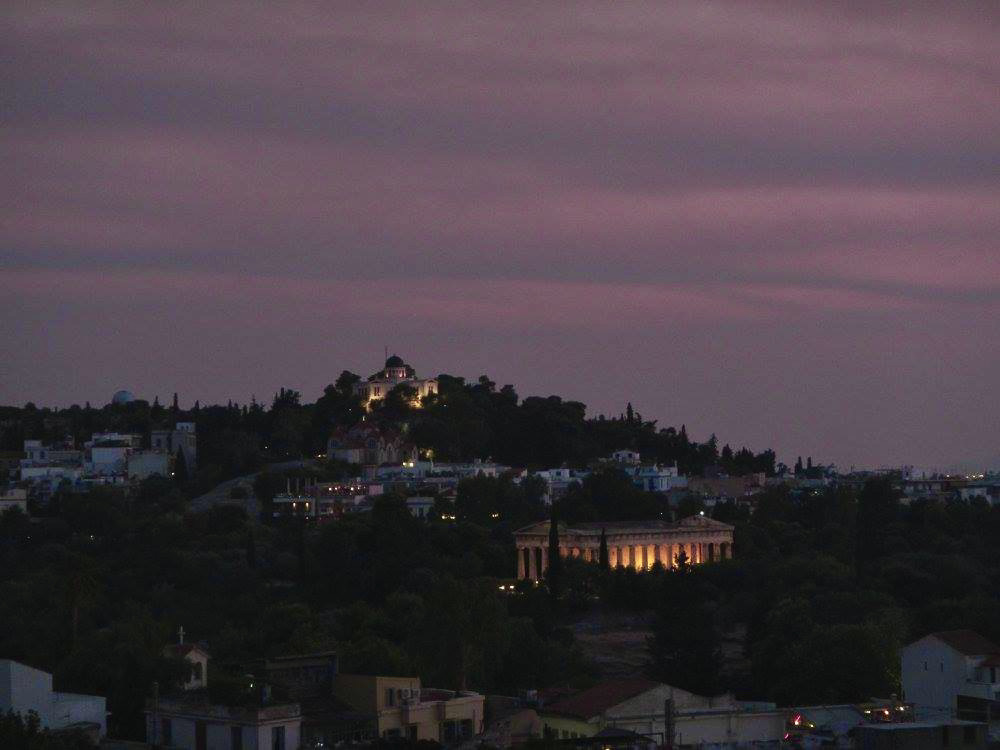
6. Rooftop Bars

Watch the sunset over the city from one of over a dozen rooftop terrace. It’s magical to watch the city light up and sky light up with color.

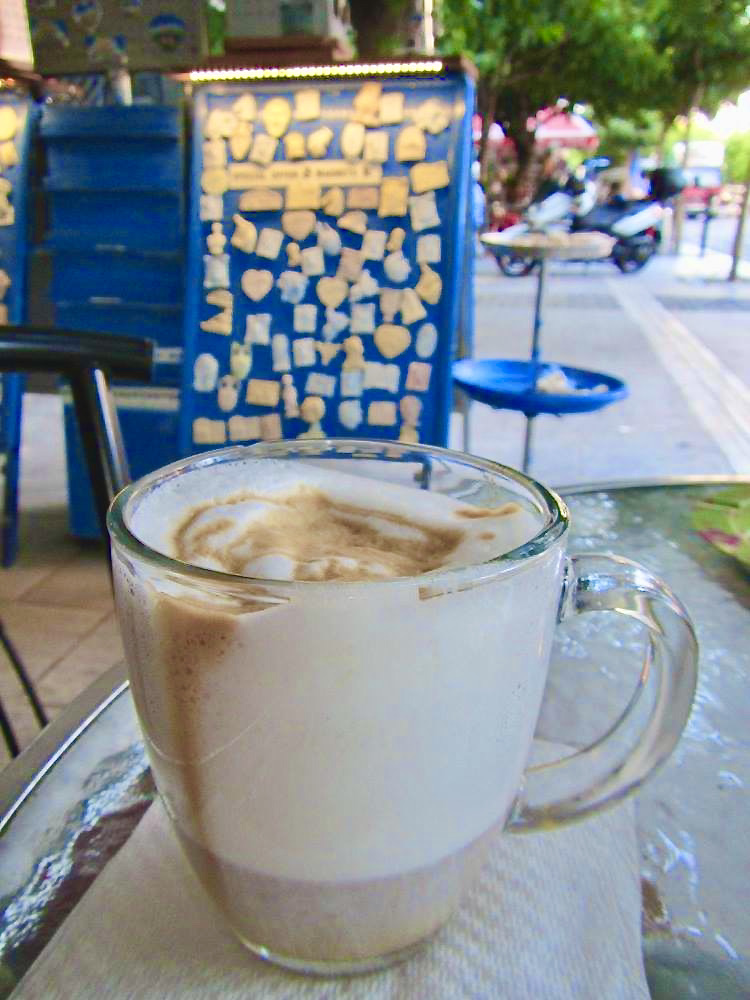
7. Greek Coffee (A Freddo Cappuccino)

A Freddo Cappuccino is a greek specialty made by mixing crushed ice, a shot of Espresso and sugar until it becomes light and frothy. 

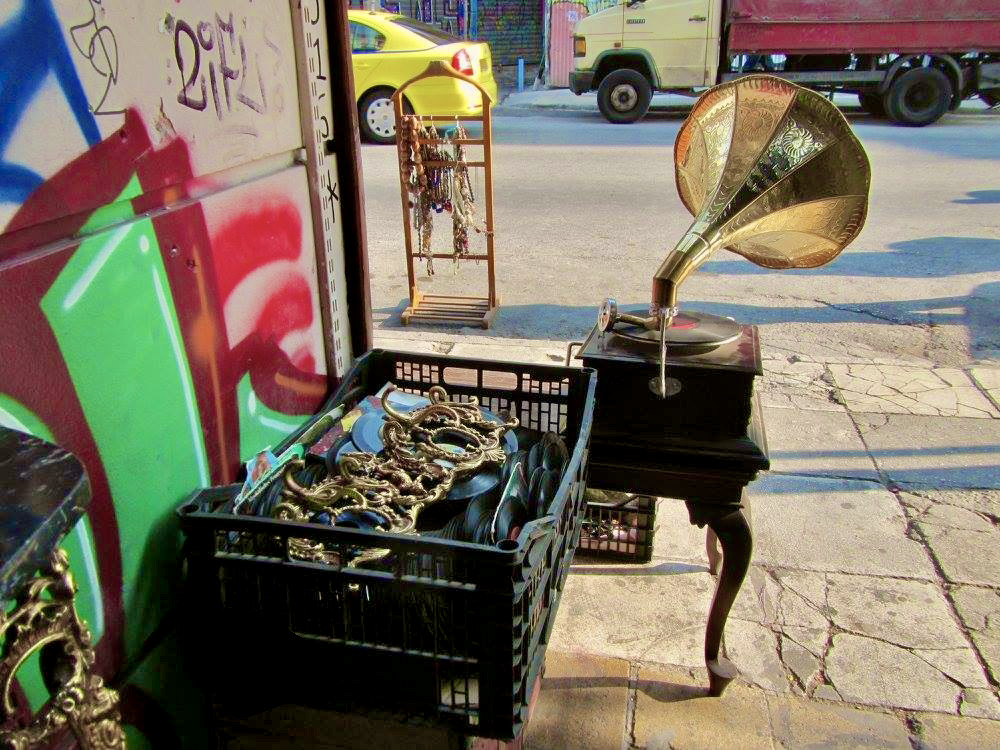
8. Monastiraki Flea Market

This market is an unbroken row of shops, stalls, souvenir sellers and antiques.

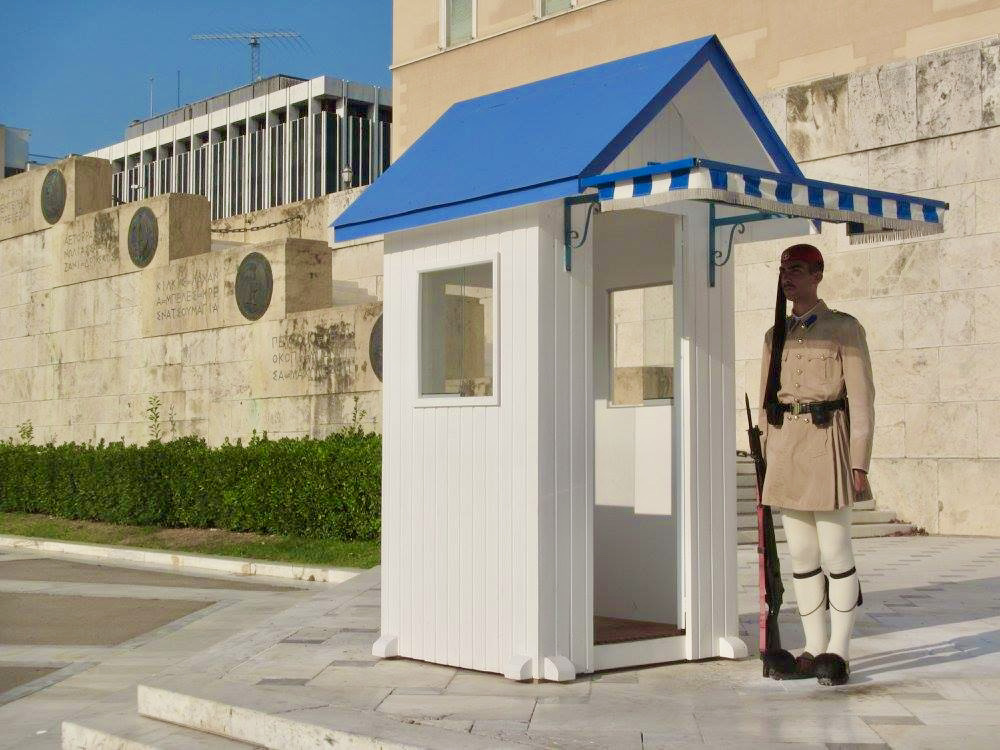
9.  The Guards at Parliament

Greek guards called “Evzones” are members of the Presidential Guard that guard Parliament. Every hour guard swap place is a lovely changing of the guards and stand proudly in perfect stillness.

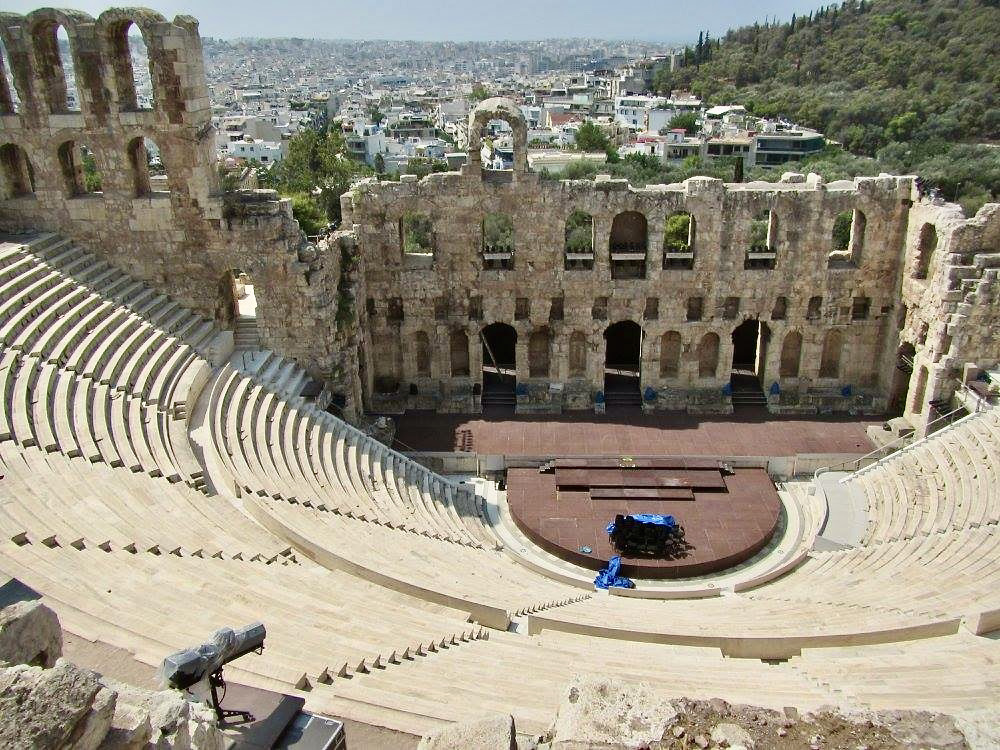
10. The Odeon of Herodes Atticus 

This stone Roman theatre is in the Acropolis and was built in 161 AD and can sit around 5,000 people.

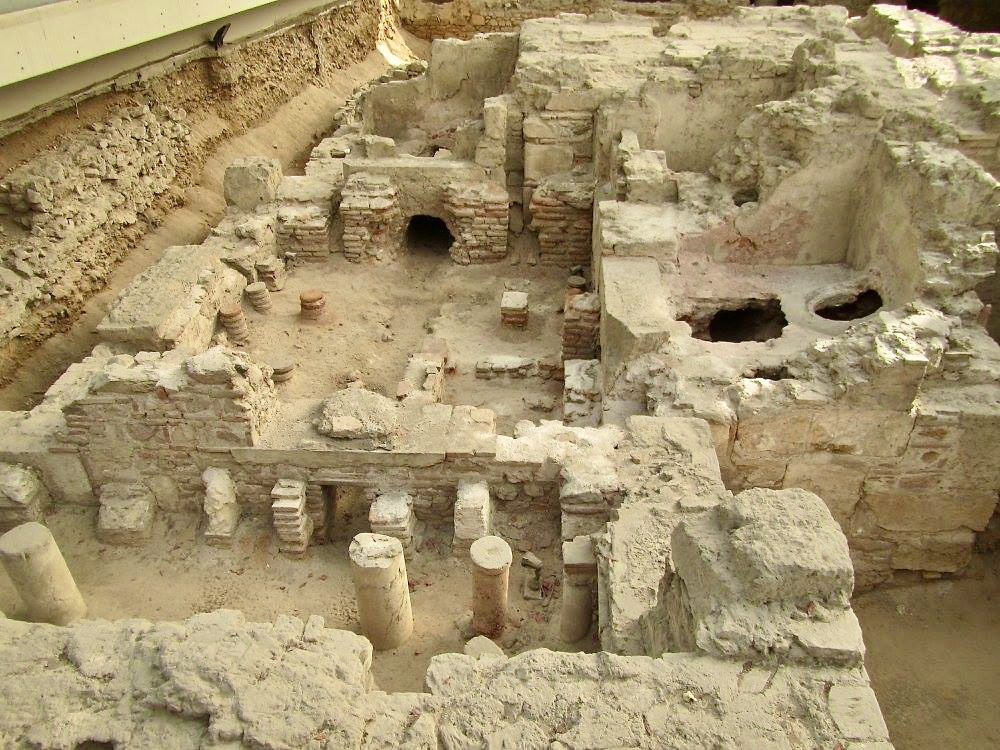
11. Roman Baths

This Roman bath complex was built in the 3rd century AD and was uncovered by accident when a vent for the new metro was needed. It’s remnants are now preserved and covered from the elements.

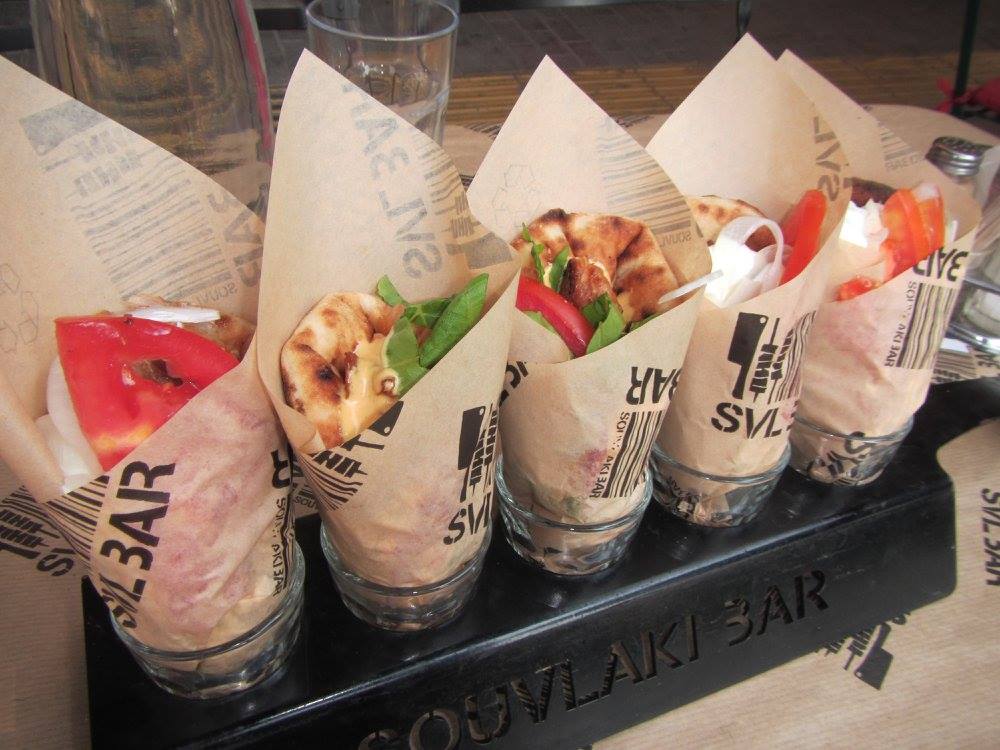
12. Gyros

The gyro was born in Greece in 1922, when the hundreds of thousands of Greek and Armenian refugees brought cuisine with them and it mixed with the onions, olives, yogurt common in greek cuisine.

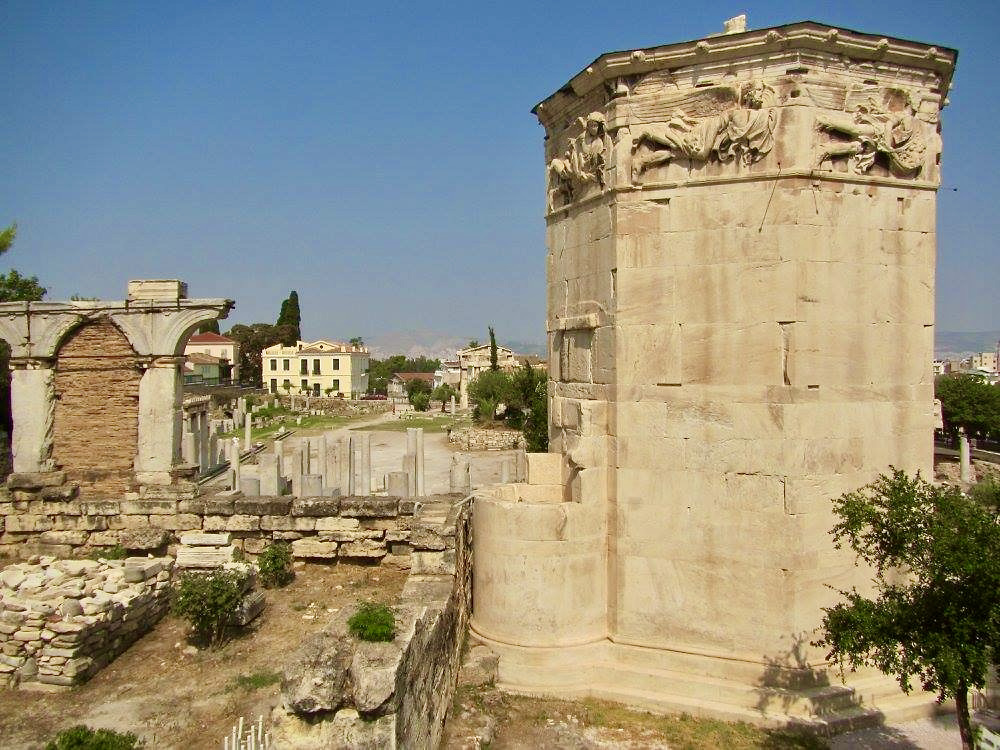
13. Tower of the Winds

The octagonal marble clocktower functioned as a ‘timepiece’ and estimate time using a sundial. It’s considered the world’s first meteorological station and was also used for forecasting with a water clock, and a wind vane.

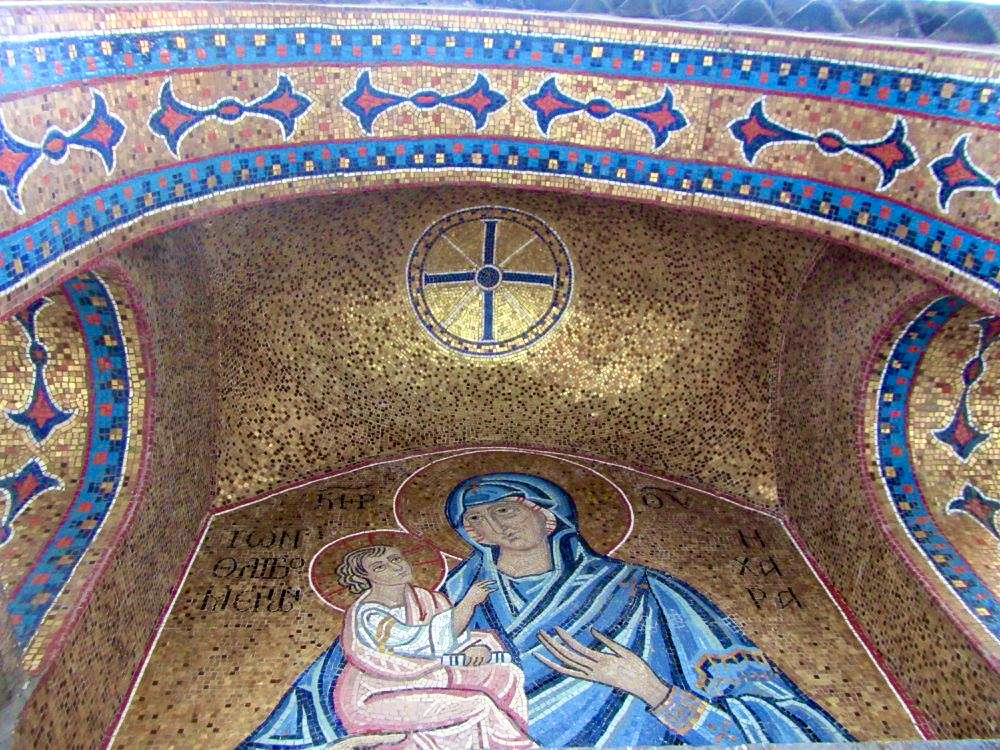
14. Mary Christ Mosaic

The arched entrance to the Agioi Theodoroi Greek Orthodox Byzantine Church. This dazzling mosaic glitters with gold leaf and is sure to welcome you to the stunning church.

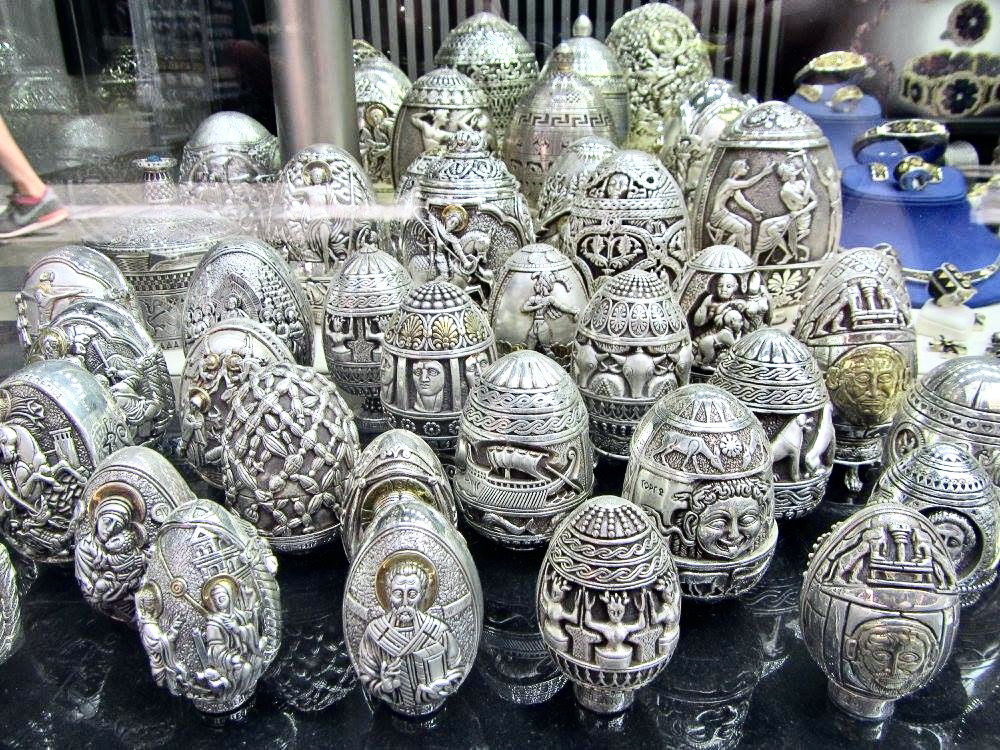
15. Greece Silver Egg

Silver eggs have mythical roots in Grecian history its believed that Chronos (the personification of time) created the silver egg of the universe. Today, beautifully carved silver souvenirs adorned with patterns, animals, and religious imagery can be found in specialty shops all over Athens.

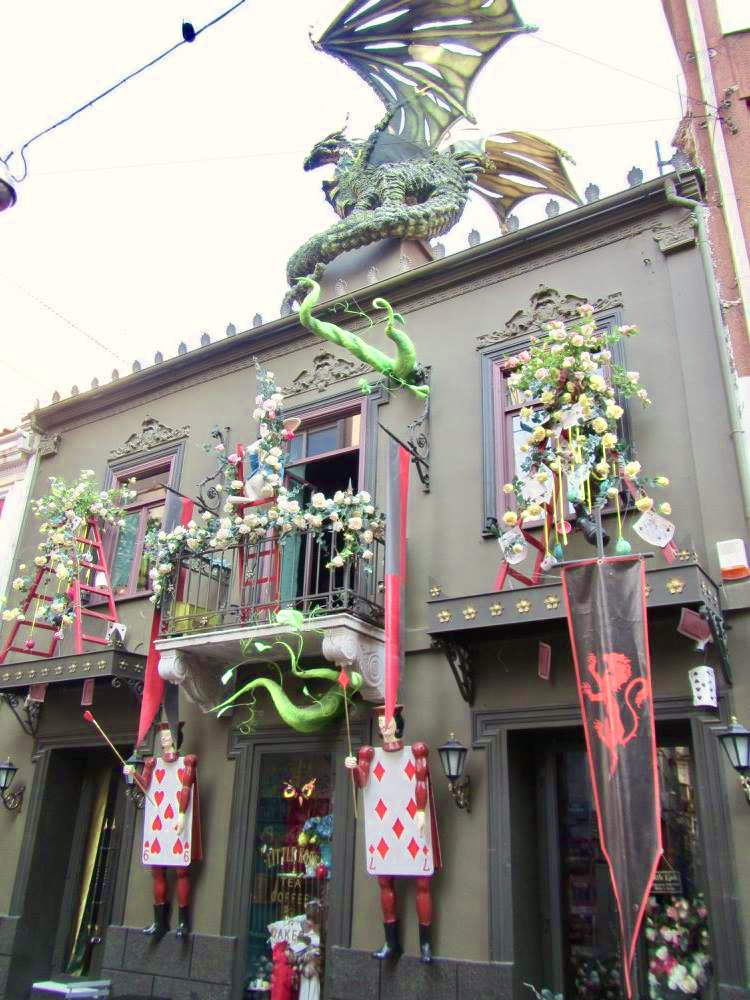
16. Little Kook

This seasonally themed coffee and cake bakery is ever changing with a constant rotation of creative decor. Its themes are usually fairytale-inspired and their menu contains sweet and savory crêpes, cakes and other sweet treats.

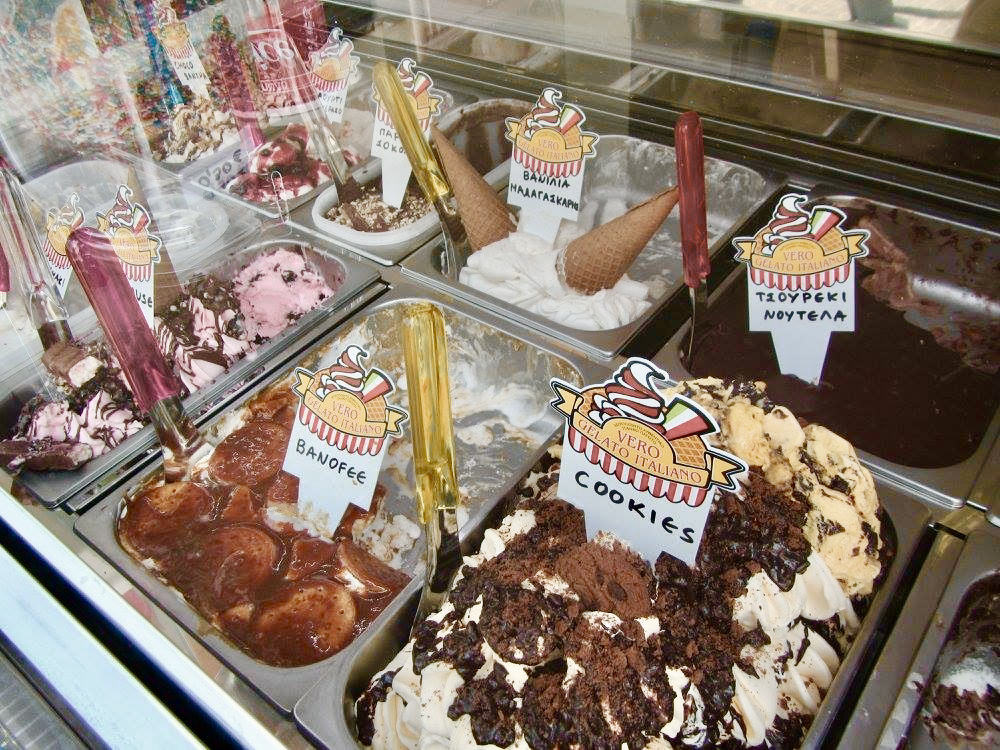
17. Gelato

Athens has dozens of gelaterias where Italian gelato traditions mix with fantastic Greek ingredients.

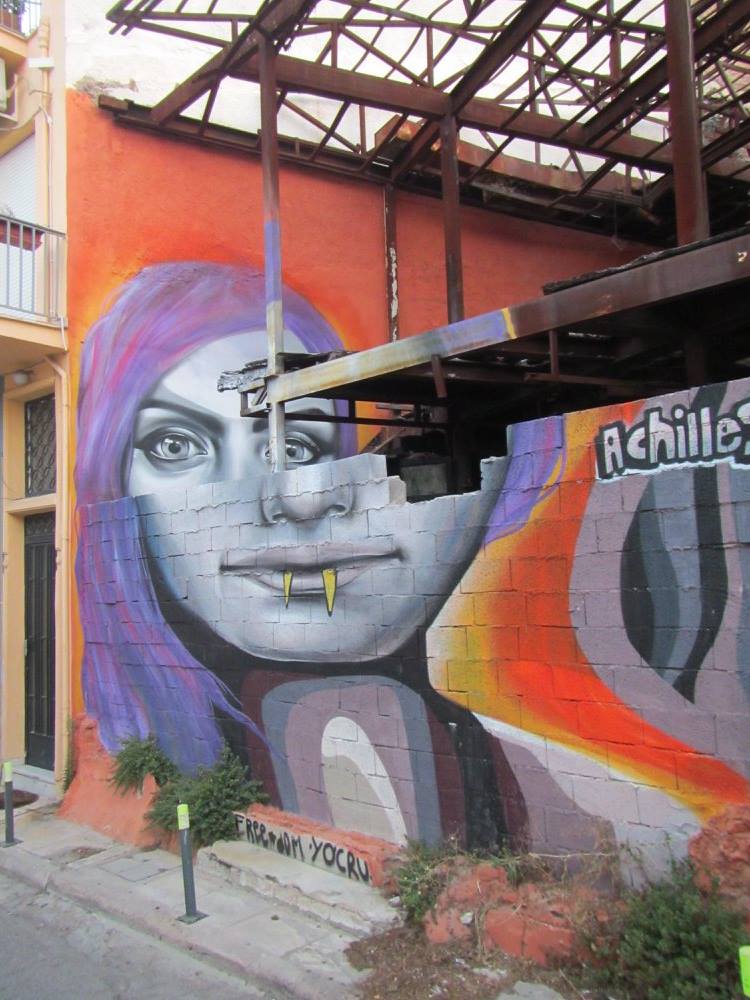
18. Street Art

A surprising find is around every street corner. Athens is filled with streets covered in Graffiti and some of the most talented muralists in Europe. Take a walking tour in town and you’re sure find hundreds of stunning pieces.

19. Sunset at Lycabettus Hill

This 90 min. hike will reward you with breathtaking sweeping views of the city. Lycabettus Hill being the highest peak in Athens is the best place to take in a stunning sunset vista of the city.

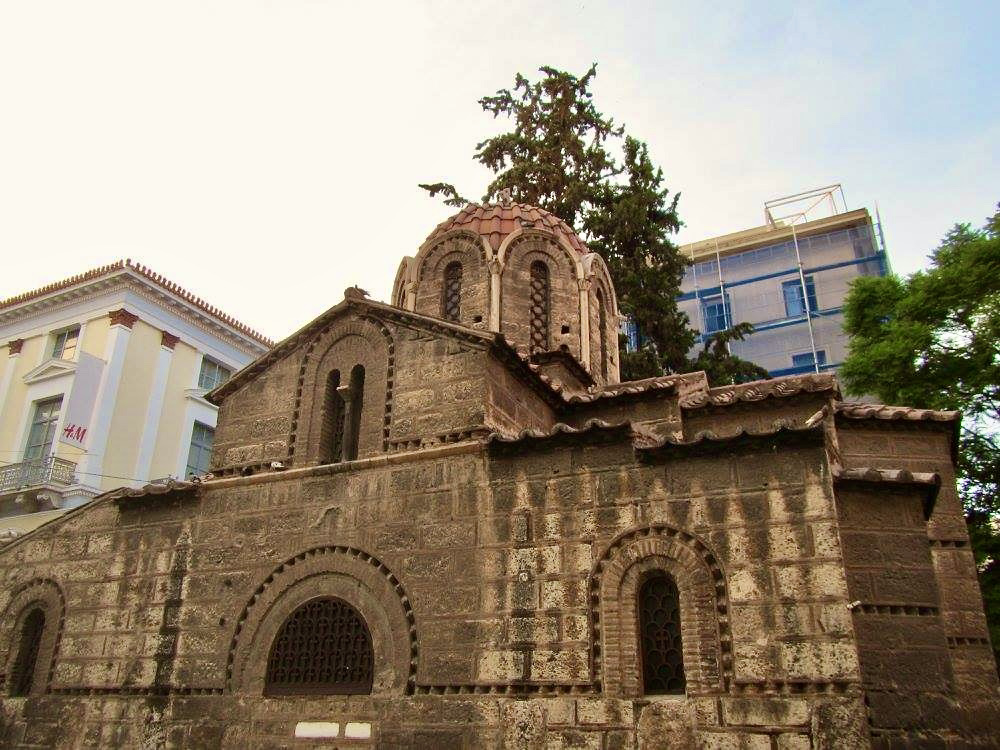
20. Agioi Theodoroi Church 

This Ancient Greek Orthodox Byzantine Church. This stunning ancient structure will give you a peek into other Athens. Built in 1043, the incredible construction showcases the beauty of Byzantine architecture.

Keep Travel Funky.
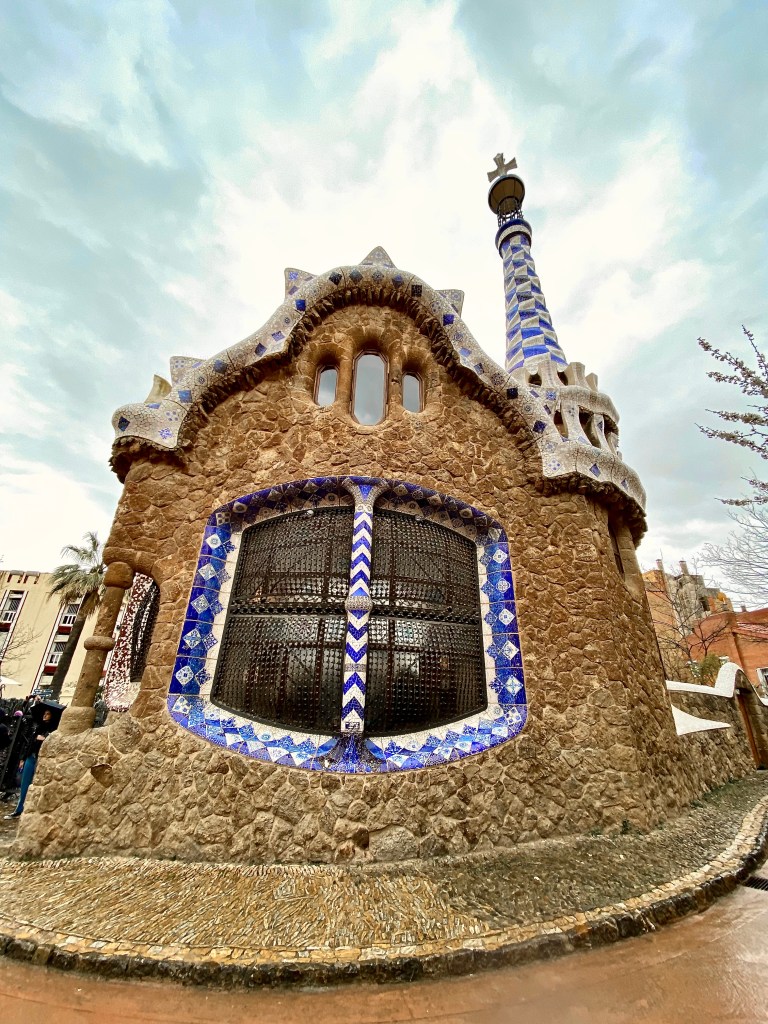
Travel Guide Barcelona, Spain

Top Sights Travel Guide Top sites and must-see places in colorful and historic Barcelona, Spain. The perfect bucket list for your next trip with Instagram spots and bucket list sights.

1. Park Güell

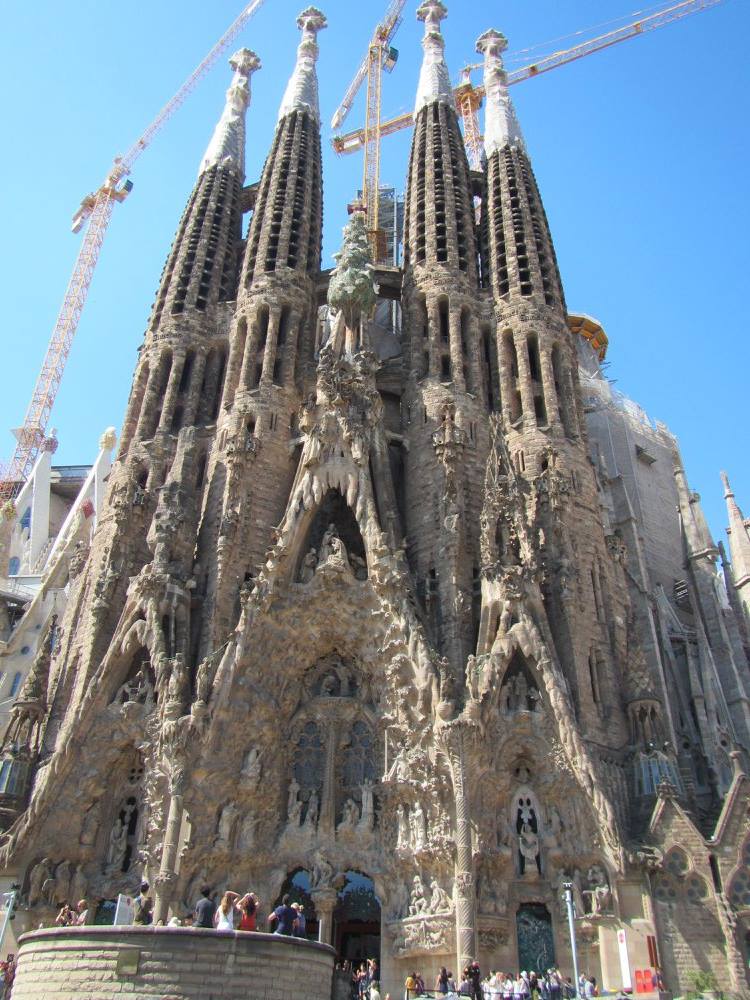
2. Sagrada Familia Exterior

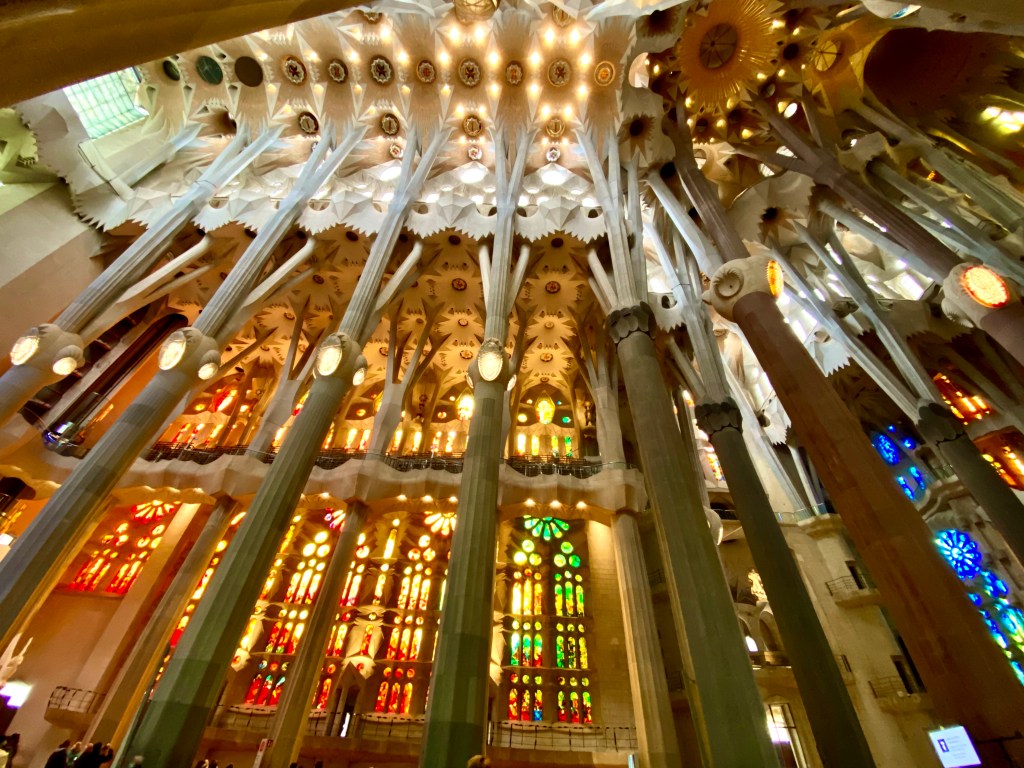
3. Sagrada Familia Ceiling

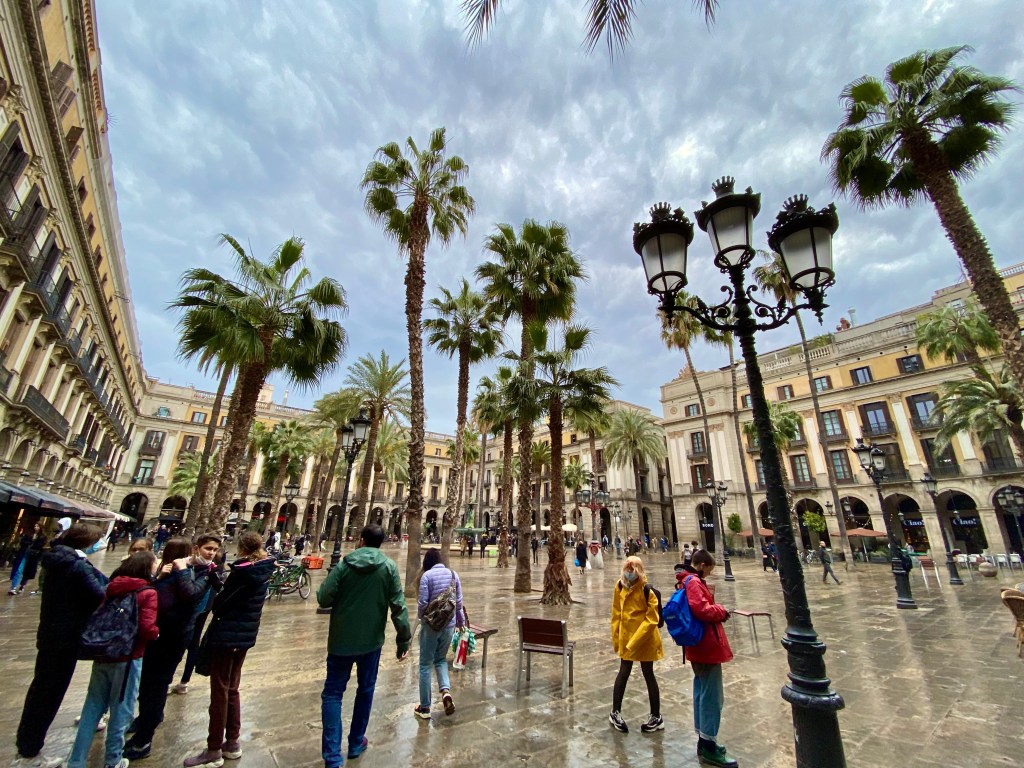
4. Placa Reial 

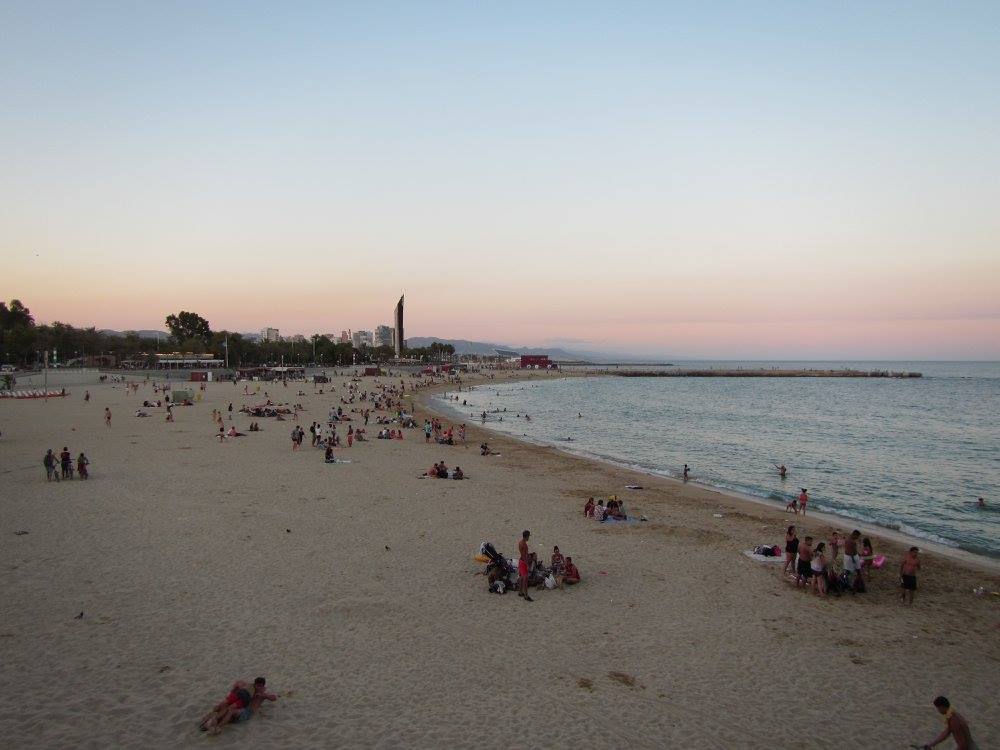
5. The 9 crescent beaches

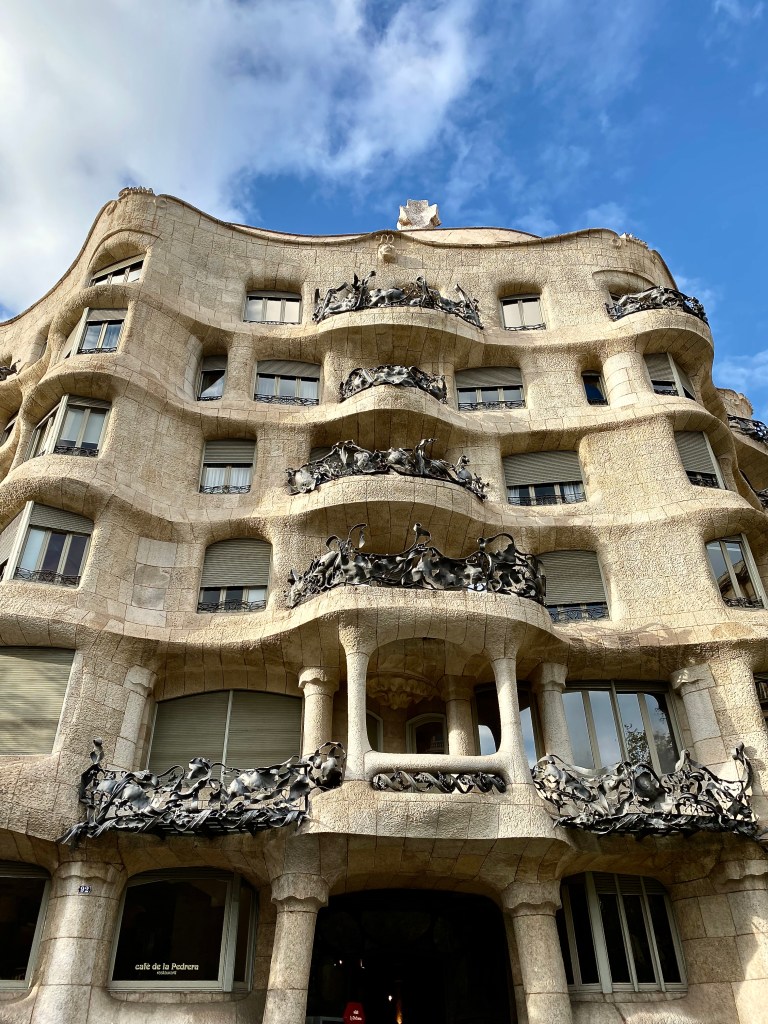
6. Casa Mila by Gaudi

7. Casa Batllo by Gaudi

8. Palau de la Musica Catalana

9. Sesamo

10. Catalan Modernisme

11. Los Caracoles

12. Cafe Life

13. La Ramblas

14. Dick Waffle

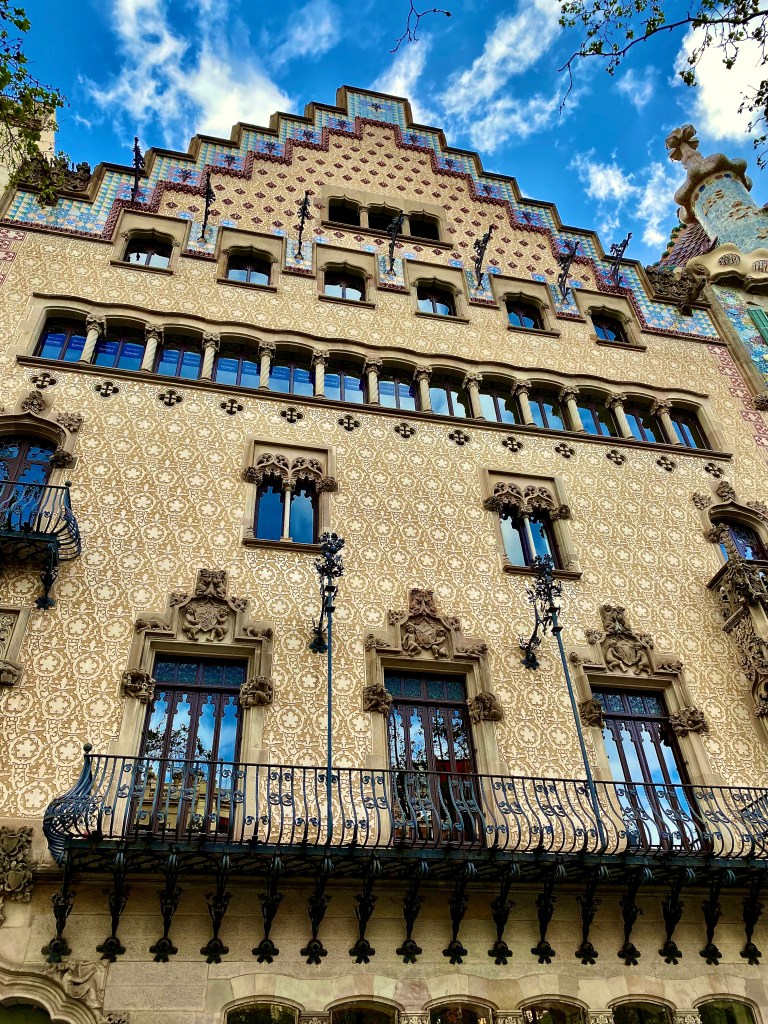
15. Casa Amatller

16. Knock, Knock

1. Parc Güell

Built by famed architect Antoni Gaudí for Eusebi Güell. Park Güell was originally intended to be a residential house project with over sixty homes. The project failed to secure investors and only two of the planned homes were built in the park. It opened to the public in 1926 as a private garden use for events and became a tourist destination. The park sits on 45 acres of elaborately designed terraced gardens woven together with wildly mosaic structures.

13668680_10155102364948696_4277766992899424363_o

2. Sagrada Familia Exterior

The exterior of the Church has three main façades. Each face depicts a portion of Jesus life. They tell the story of the nativity, passion and glory. Each section is elaborately carved with references to nature and religion.

3. Sagrada Familia Ceiling

This place deserves its own post and someday I’ll link that here.

Antoni Gaudí is the most famous architect from Spain and his unique style is an unusual combination of floral Art Nouveau, mixed with Catalan Modernism and sprinkled with Late Gothic influences. The interior of the Sangria Famile is a stunning example of his work. The tall pillars are modeled after tree trunks that support a forest canopy. the ceiling is like dappled sunlight streaming through thick branches. Visiting in the late afternoon fills the cathedral with afternoon sun that feel like a kaleidoscope of color filling a room with a 200 foot tall ceiling

4. Placa Reial

This stunning square has a beautiful Mediterranean vibe lines wit palm trees and filled with busker and music in the evening this place come to life.

13914152_10155104120618696_5568437444528778116_o

5. 9 Beaches

Beach life has become a part of life in Barcelona. Each beach has its own unique vibe. Theres youthful Nova Icària, and peaceful Caldetes. Every visitor is sure to find a place to enjoy the day.

6. Casa Mila by Gaudi

An unusual work by Gaudi, Casa Mila was finished in 1912. The ornamental detail on the exterior is derivative of nature and vines. The twisted metal cascades over the balconies of the apartments.

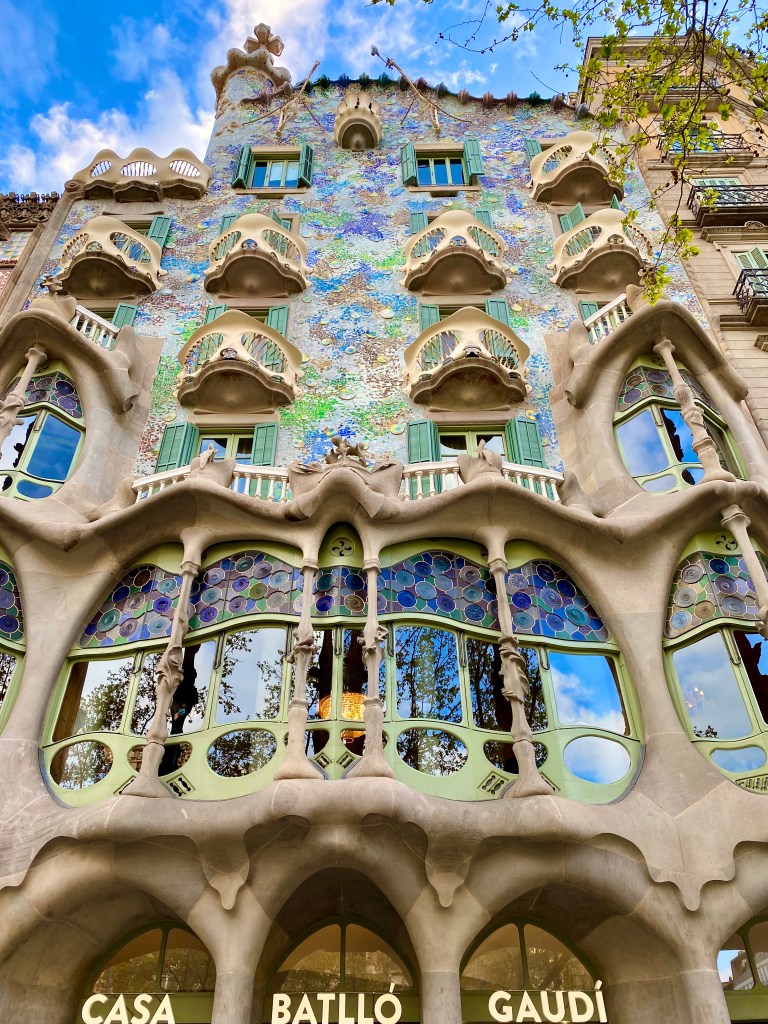
7. Casa Batllo by Gaudi

Redesigned by Gaudi in 1904. This UNESCO World Heritage site is also called the House of Bones because of its skeletal forms. The interior of the house utilizes natural light for ventilation and illumination. Gaudi had great difficulty with the cities building official when seeking approval for the architectural plans.

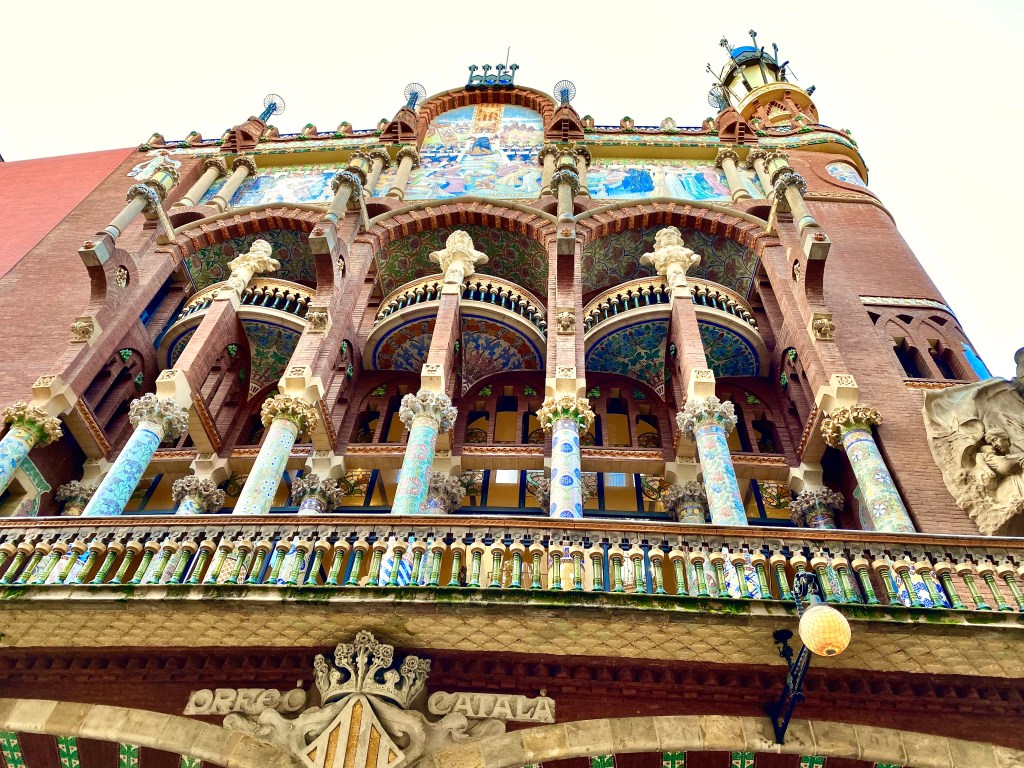
8. Palau de la Musica Catalana

A stunning Architectural gem by architect Lluís Domènech I Montaner. This Music hall is the only one in the world to receive World Heritage status by UNESCO.

8. Palau de la Musica Catalana

This stunning example of Catalan Art Nouveau incorporates all of the decorative arts by using sculpture, mosaic, stained glass and ironwork to make one stunning masterpiece.

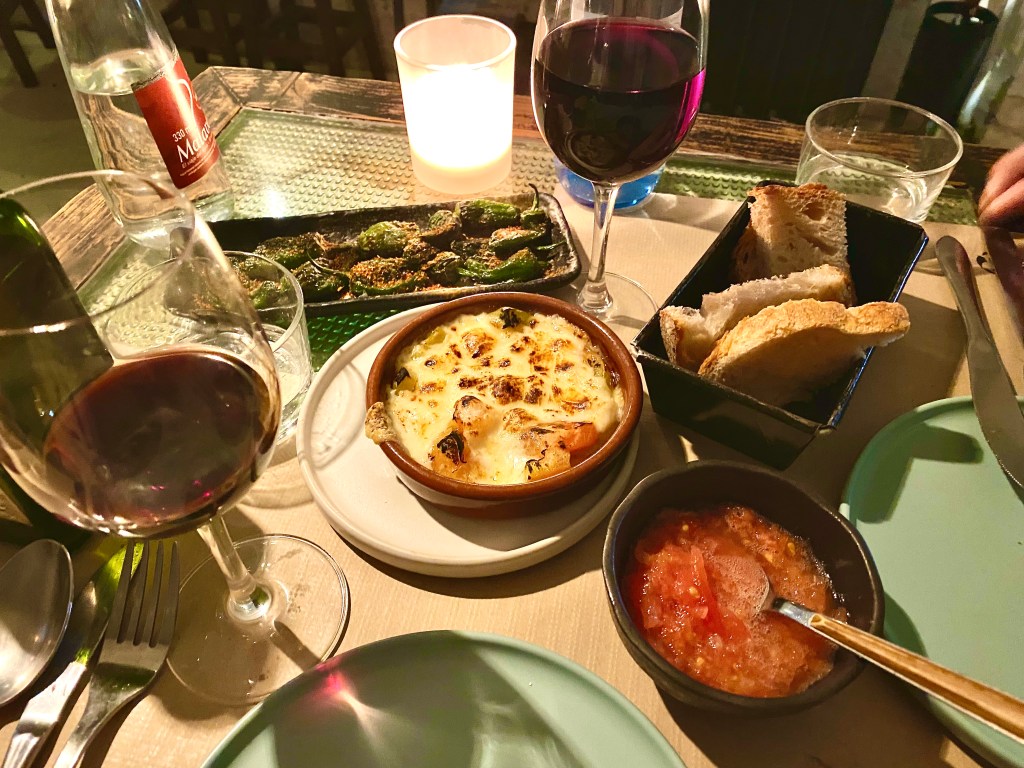
9. Dine

Eating in Spain in an absolute treat. I tried Sesamo which concocts innovative vegetarian and vegan bites. Every dinner in Spain should be paired with a glass of Spanish Red Wine.  Meals in Spain are slow and filled with conversation, take your time when you’re eating. We sat next to some friendly Catalonians who we chatted with all evening.

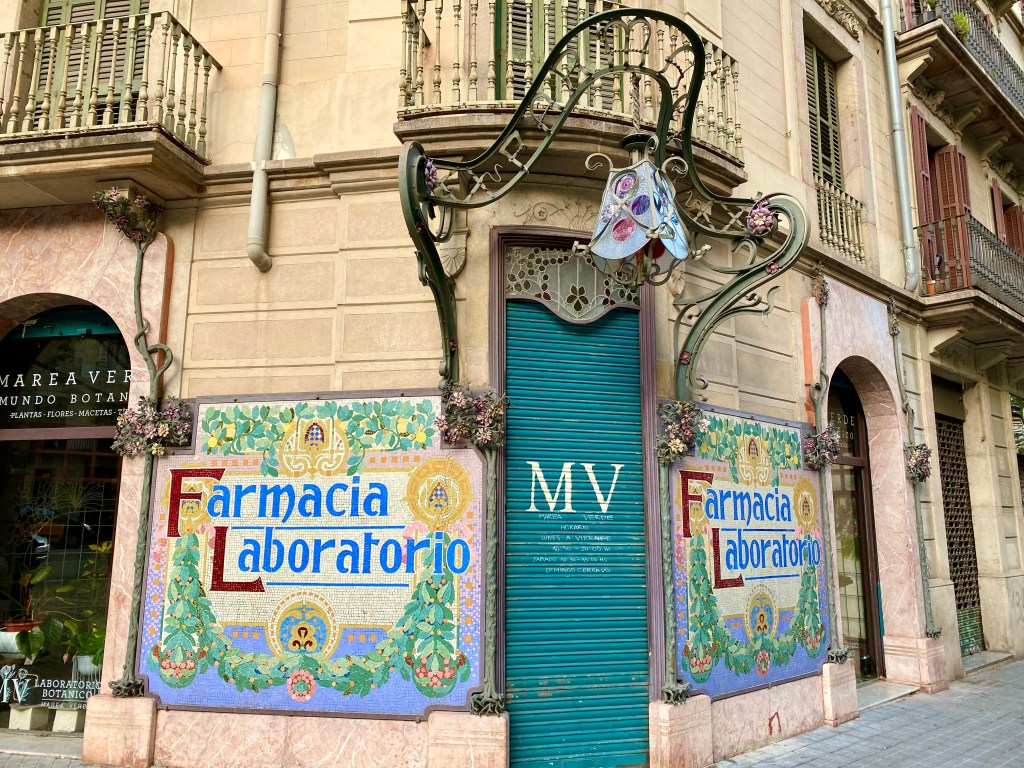
10. Catalan Modernisme

All over the city keep your eyes peeled for examples of Catalan modernisme. Seen here at the Farmacia Laboratorio. A stunning tile mosaic from 1905 is crowned with a purple iridescent lantern dripping with floral details.

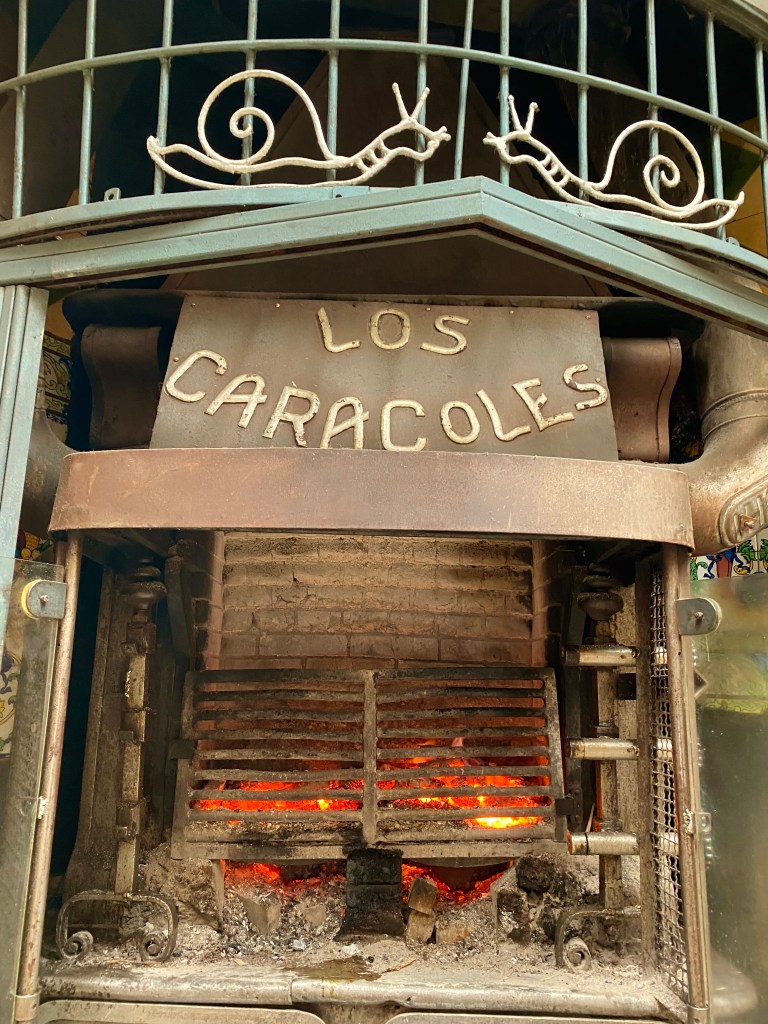
11. Los Caracoles

If your seeming the Unusual your in the right place this restaurant is called Los Caracoles, named for its signature snail dish. It happens to be the second oldest restraint in the city and has the last remaining Charcoal burning Stove.

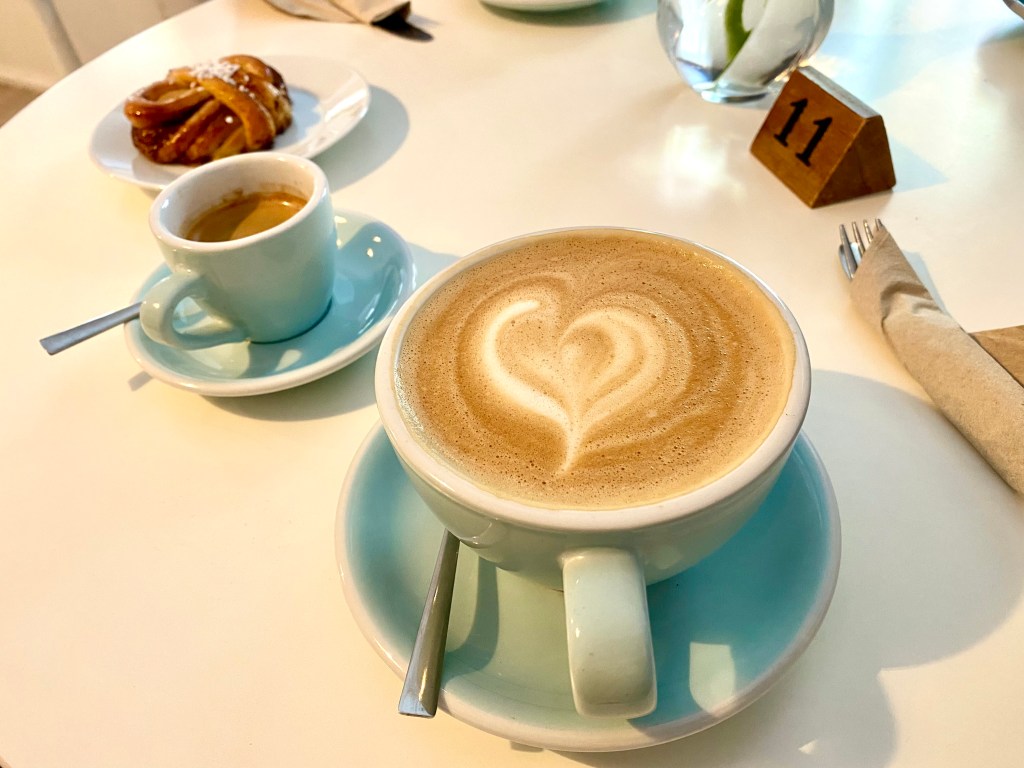
12. Cafe

The history of Coffee shops in Spain is fascinating and there was even a point where Spain had a great coffee shortage after the Spanish Civil War. It was then that the term torrefacto was born. This process was used to  mask the flavor of poor quality coffee and alter the taste so fewer beans are needed. Doing the process sugar is added during roasting and acts a a glaze around the bean. This resulted in a lacking cup of Joe. Luckily todays cafes have blossomed into an empire of adorable foam topped cups that are a necessary part of the daily routine. Stop in at any cafe and enjoy your morning brew.

13. La Rambla

This famous street connects the heart of the city with the water and is filled with life including street performers and food stalls

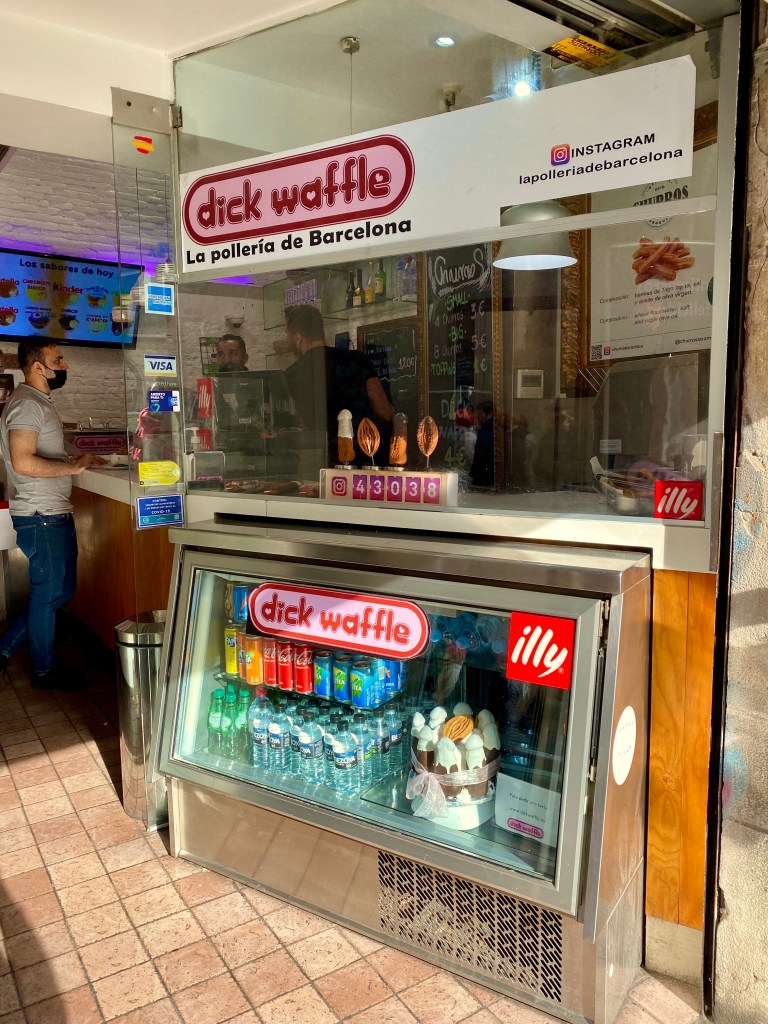
14. Dick Waffle

This waffle and cake bakery stand is infamous for selling phalic cake pops shaped like a penis or vagina. You can also customize the flavors with sprinkles, chocolate coating or even tie a few together and order a bouquet penis cake. Located on La Ramblas you’re sure to get a good chuckle with a stop here.

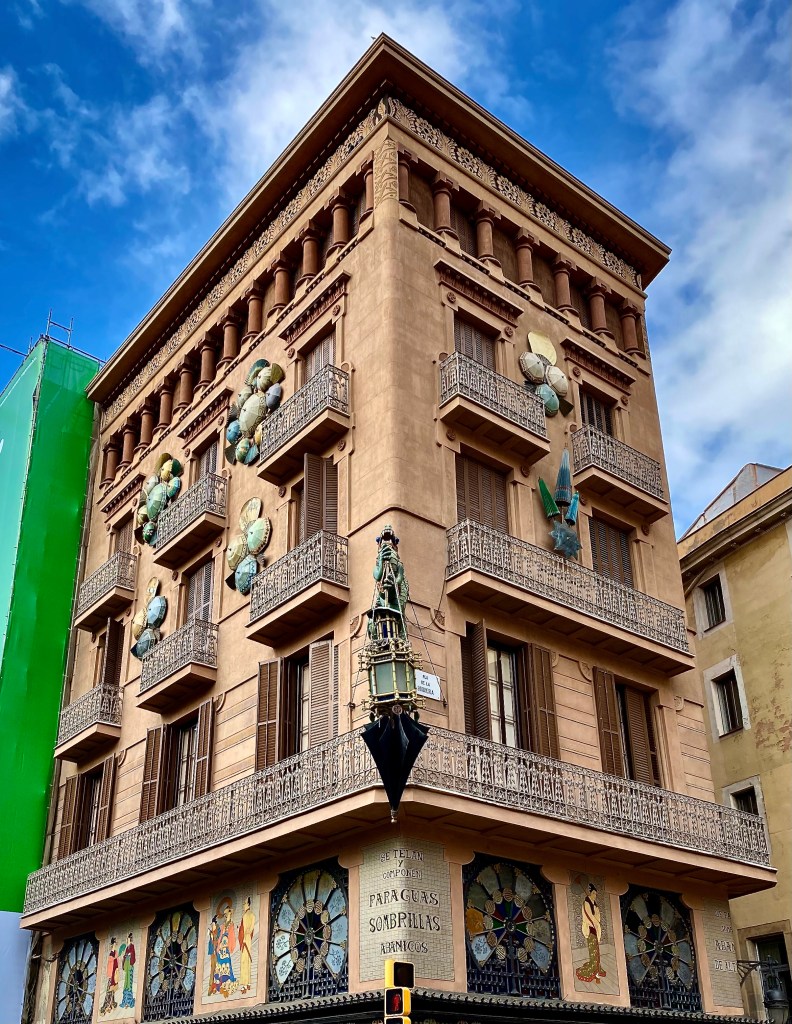
15. Casa Amatller

If you couldn’t tell that Barcelonas history is all in its architecture here is another gem of Catalan modernism. Built in 1898 by Josep Puig Cadafalch for a rebound Chocolatier. It’s a more subtile celebration of the turn of the century. Today it functions as a museum for furniture, photography and artifacts.

16. Hunt for unique doors and knockers

Not all homes can be as elaborately decorated as a Gaudi facade. Some residents express their creativity with unique knocker or unusual doorways. keep your eyes peeled while wondering around the city.

Keep Travel Funky.

Travel Guide to Rome, Italy

Top sites and must-see places in beautiful and historic Rome, Italy. The perfect bucket list for your next trip with Instagram spots and historic facts.

1. Trevi Fountain

2. Colosseum

3. The Globe Theater

4. Fish Tradition

5. Pinocchio

6. Churches of Rome and Chiesa Parrocchiale di San Giovanni Battista

7. Castel Sant’Angelo

8. Fountains

9. Pantheon

10. Ruins of the Roman Aqueducts

11. Orologio ad acqua del Pincio (The Water Clock)

12. Marcus Aurelius Column

13. St. Peter

14. Roman Ruins of the thermal baths of Agripp

15. Night Buskers

16. Spanish Steps

17. Temple of Aesculapius

13920519_10155091023833696_4718668024019399721_o

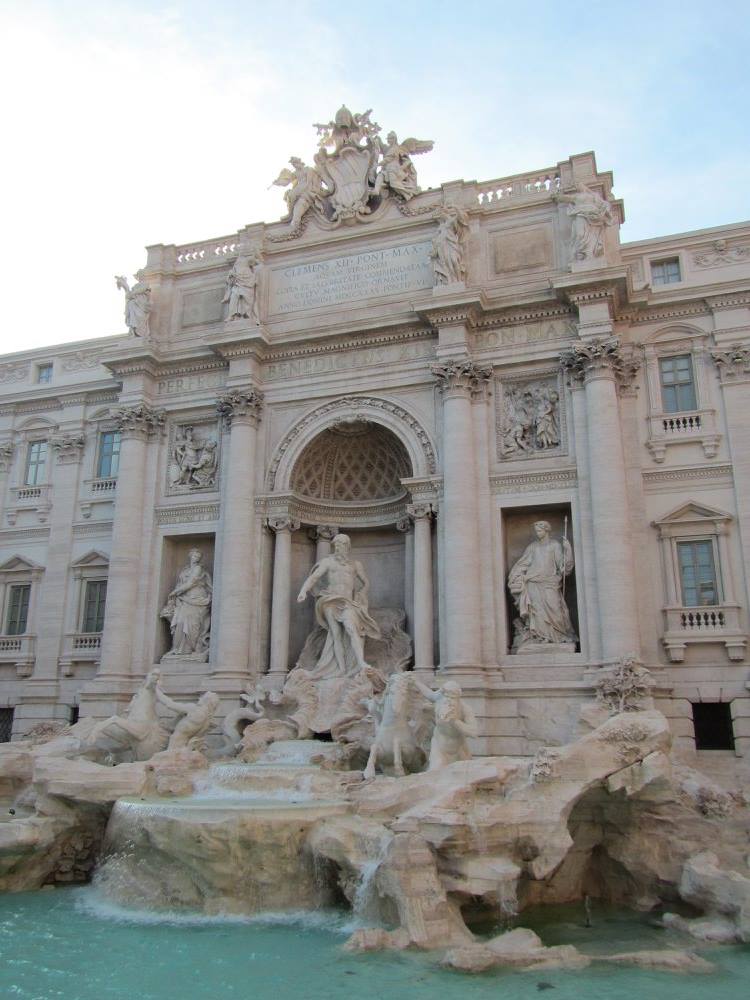
1. Trevi Fountain

Arguably the most famous fountain in the world and one of Romes oldest watering holes, it dates back to 19 B.C. This stunning fountain and sculptural piece depicts nature in the changing tides of the sea. Nepture stands watch in the center while two statues in the niches represent Abundance (left) and Health (right). This masterpiece is surprisingly utilitarian and was used as potable water by way of an aqueduct. It still receives water via an aqueduct today.

2. Colosseum

Colosseum was built as part of an imperial effort to revitalize Rome after a difficult string of emperors. It was a venue for visitors view entertainment, watch gladiator fights, animal hunts, and reinact battles. Its over 1,900 years old and is the world’s largest amphitheater part of the structure are also underground. Make sure to stop by in the early morning for a peaceful and unobstructed facade view of one of the New 7 Wonders of the World.

3. The Globe Theater

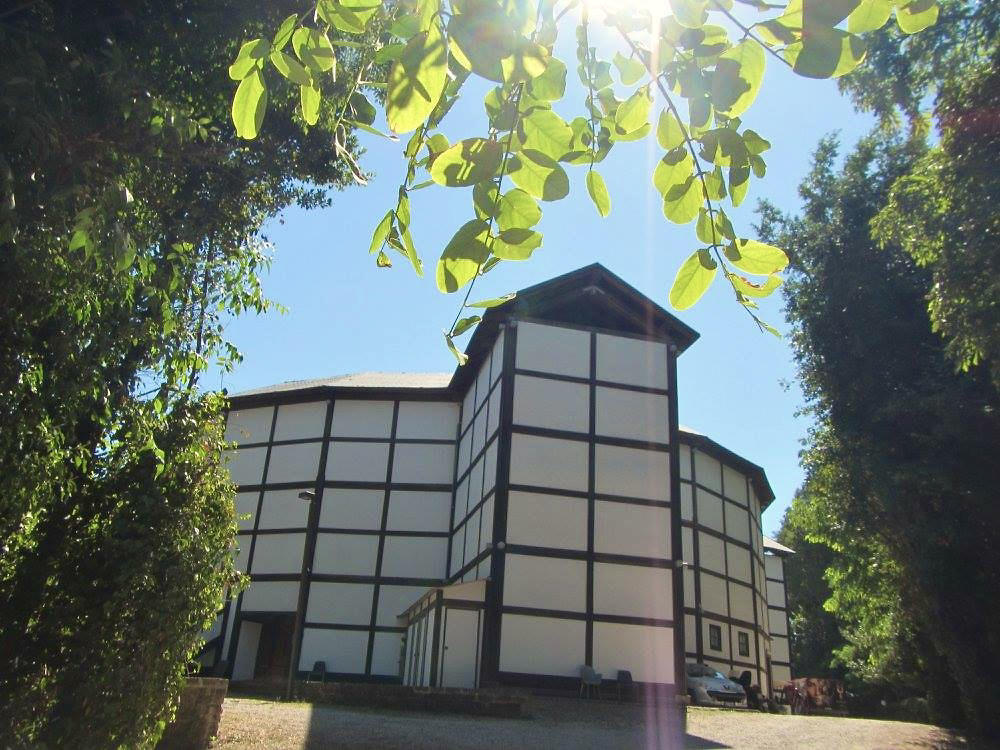
This stunning Elizabethan replica of Shakespeare’s Globe Theatre in England, is located at Largo Aqua Felix inside Villa Borghese. During three month of the Summer, the venue hosts an annual Shakespeare festival. The festival reenacts live plays of Shakespeare translated into Italian.

4. Fish and Seafood

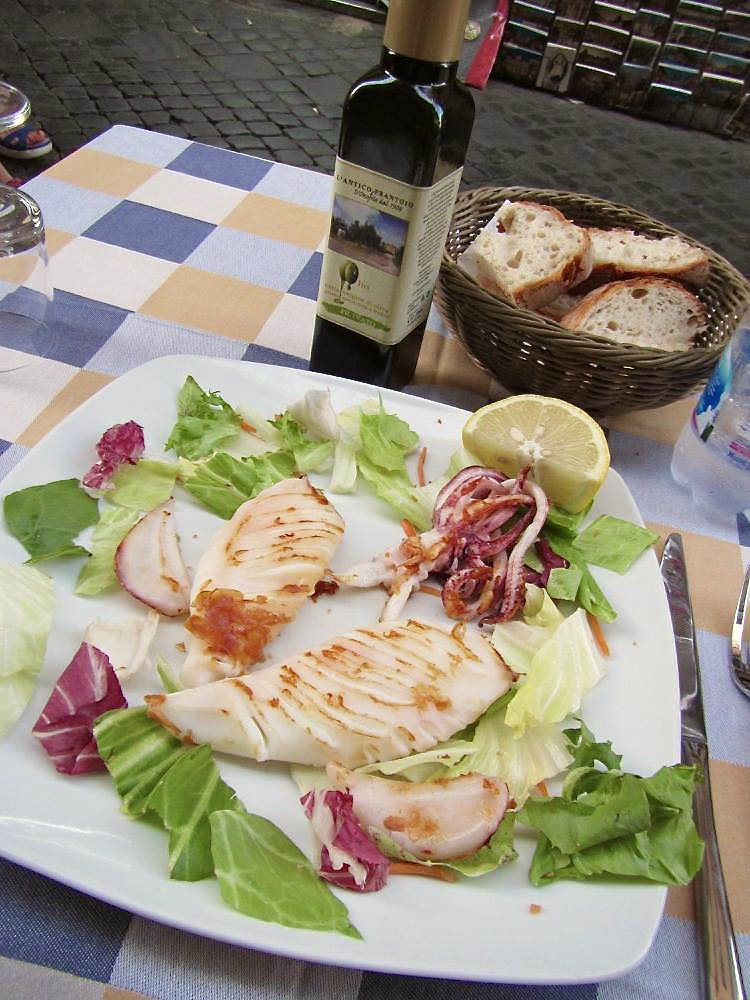
Fish and seafood have been a staple in Roe since ancient ties. It was common for people to catch both saltwater and freshwater fish and salt them to extend their shelf-live. An interesting tradition among ancient romans was   to create aquaponic oyster and fish farms. They created Assyrian vivarium, which were pools that held fish, crustaceans and oysters alive until mealtime. Fish and seafood is still a staple in the Roman Mediterranean diet today and seafood can be found on almost every menu in the city.

5. Pinocchio

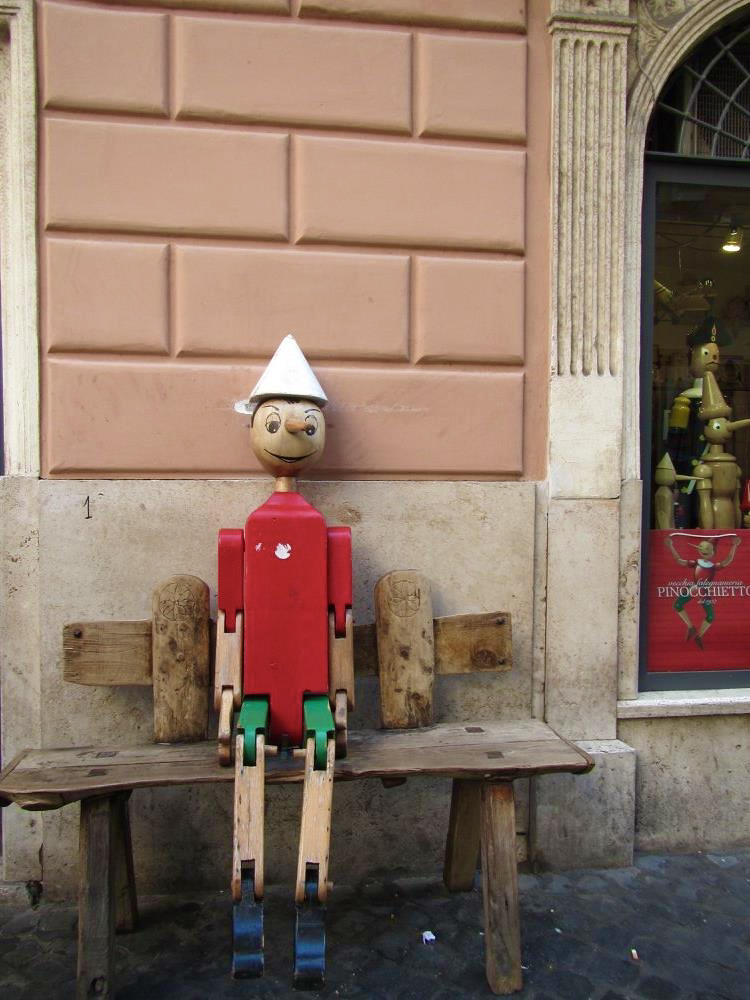
A famous character resides in a toy store in Rome. Pinocchio! The children’s tale says he was made by a woodcarver named Geppetto, who owns a shop in a small Tuscan village. Never having children of his own, he made a wooden puppet that magically turned into a real boy. In Rome, there is a shop dedicated to the beloved character: Bartolucci. This store is considered to be the largest Pinocchio maker worldwide. They pride themselves on memorialized Pinocchio with beautifully crafted toys as well as selling other beautiful trinkets.

6. Churches of Rome and Chiesa Parrocchiale di San Giovanni Battista

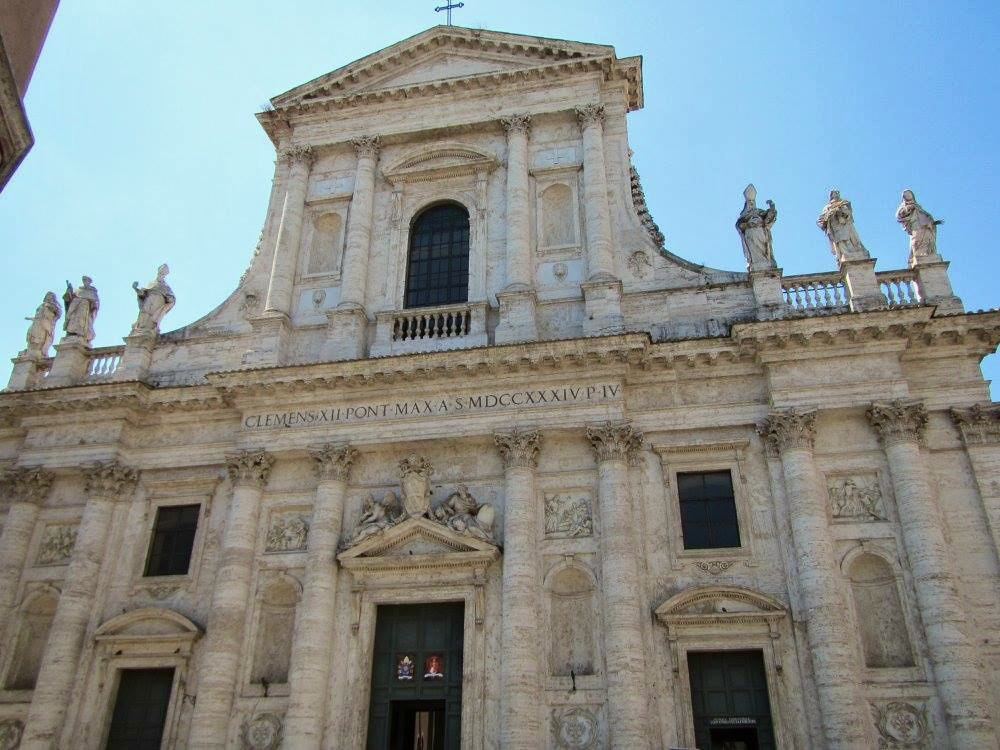
Wandering through Rome, its hard to ignore the domination of churches and catholic religious influence. Rome is the heart of the Catholic faith and the city has over 900 churches. The entire country of Italy is estimated to have 65,000 across its vast boot. Take a peek inside any of the hundred of churches you’ll see on your roman adventure. You’ll be stunned at the beauty and care put into preservation such as this beautiful facade on Chiesa Parrocchiale di San Giovanni Battista from the 1700s.

7. Castel Sant’Angelo

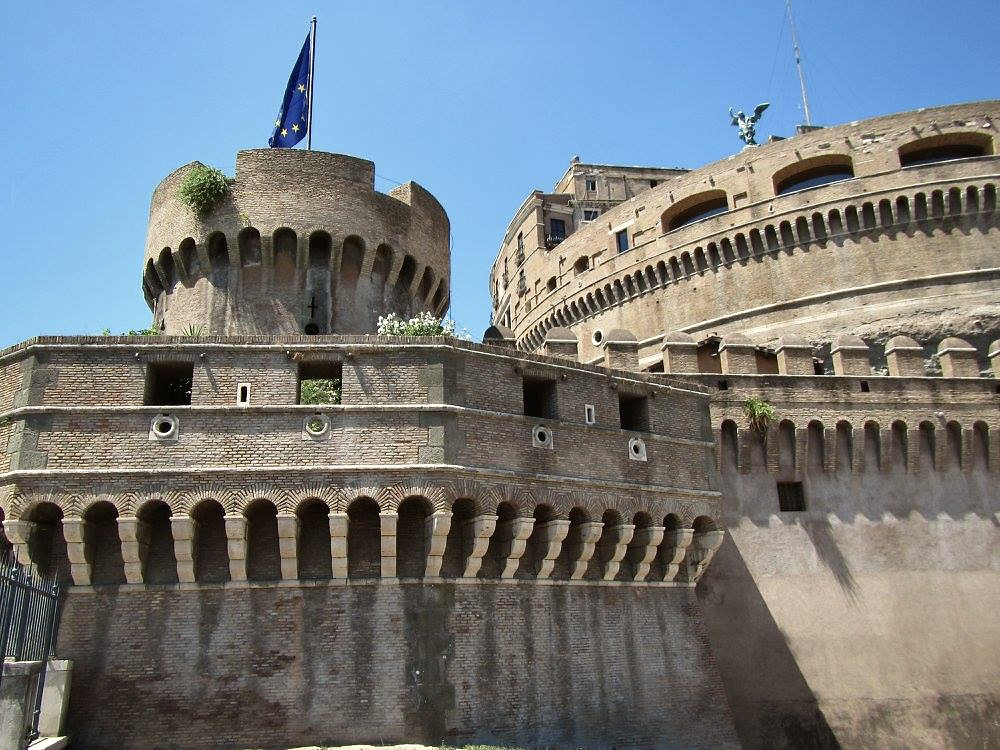
The Castel Sant’Angelo is the final resting place for Emperor Hadrian. It was constructed in 139 AD and is known fore serving the Papalcy as a fortress and prison throughout history. Today, visitors can enjoy the museum filled with relics, culture and art.

8. Fountains

Rome is filled with fountains, over 2,000 in fact. Rome has more fountain than any other city in the world. Originally these ancient fountains were only functional, located along the aqueducts and rivers. They were used to supply drinking water. Around 6 BC, Romans began decorating their fountains They were commonly made of bronze or stone. Creativity carried and masks, gods, heroes, and animals were portrayed in their reliefs.

9. Pantheon

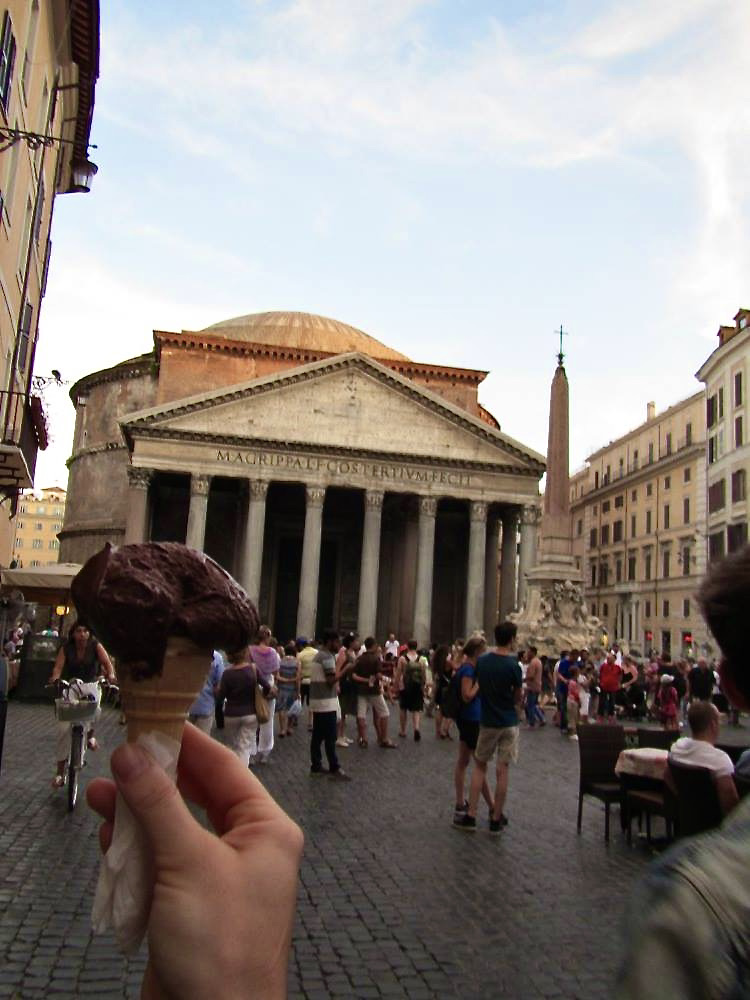
The history of the famed Pantheon is murky due to Romes long history and many revision to the buildings structure and uses. Originally, it was built between 25 and 27 BC as a temple dedicated to the twelve Pagan Gods and to the living Sovran. It burned and underwent drastic renovations by Hadrian between 118 and 125 AD. Its now used as a Church. In the ceiling of the building is a giant, 30ft wide, circular hole called the oculus. The hole provides the only source of light and is open to the elements. Rainwater inside the Pantheon is drained with a tiny slope in the floor and 22 hidden drain holes.

10. Ruins of the Roman Aqueducts

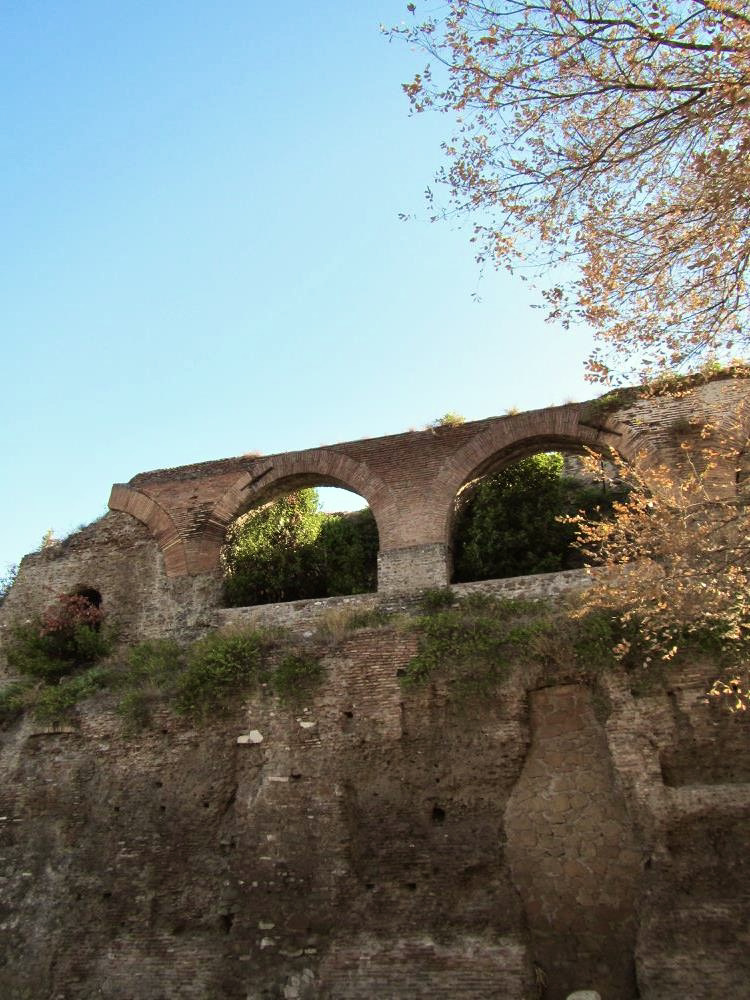
The introduction of Romes aqueducts changed the country and was a revolutionizing technological advancement. They can also be seen in Spain and France. bringing fresh water into the city helped the population flourish. Remains of aqueducts can be seen all ofer the city. One fantastic example is The Aqua Virgo which was built by Agrippa in 19 B.C.E. This aqueduct still functions and currently supplies water to the famous Trevi Fountain in the center of Rome.

11. Orologio ad acqua del Pincio (The Water Clock)

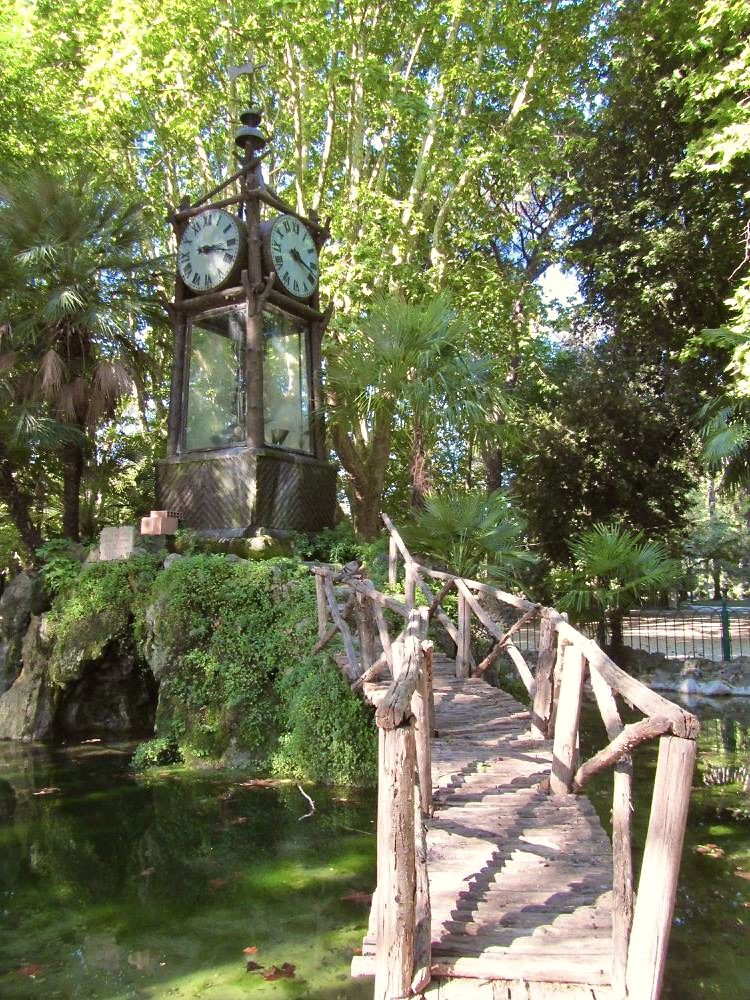
This unusual sight is one many tourist miss. It dates back to 1867 and is a water-powered clock, inside is a water mechanism that keeps it ticking. Its located on a small island in the Borghese Gardens on the Pincio Hill. It was recently repaired and is functioning as of 2022. The curious fountain fills two containers that balance like a scale and the oscillation caused by the balancing moves the pendulum and charges the clock. One grand issue in the design is the change in temperature of the water changes the weight and balance of the water during oscillation. This challenge in design make this gem a marvel of science and precision.

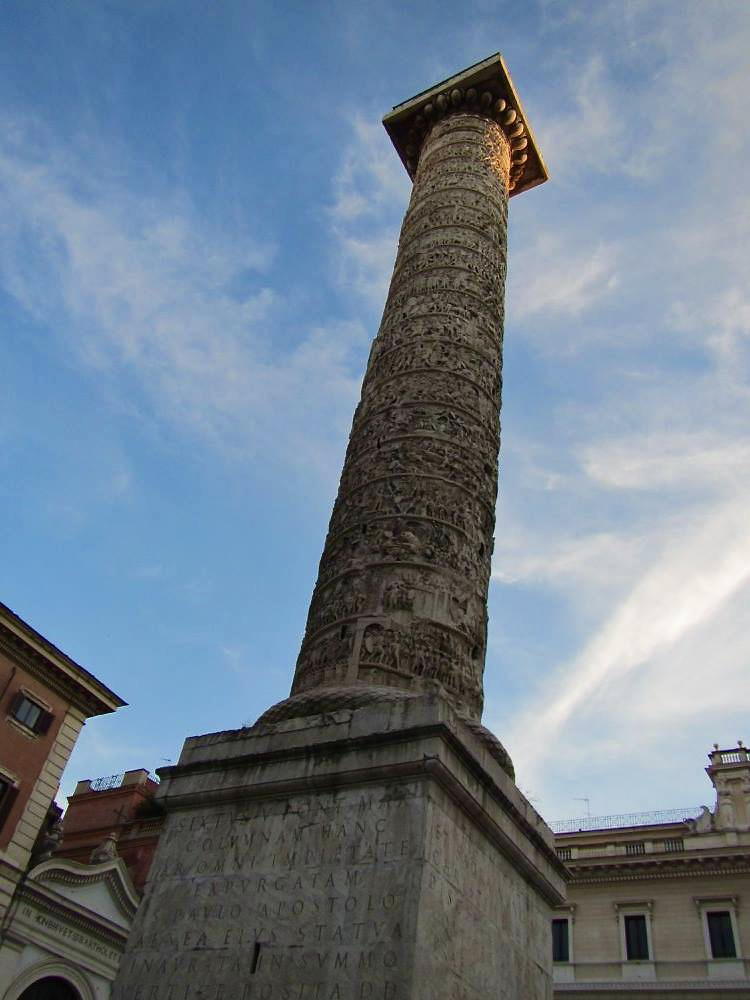
12. Marcus Aurelius Column

A stunning carved column, it was constructed in 193 AD. It commemorates a war fought by Marcus Aurelius when they attacked tribes in the north of Italy. It was one of the largest Roman war since the civil wars. The column consists of nearly 30 blocks of Carrara marble that were hollowed out and carved with 200 spiral steps. In the Middle Ages it was wildly popular for visitors to climb the tower. Today it only serves as a center of the plaza and 3 meter of the statue are actually underground.

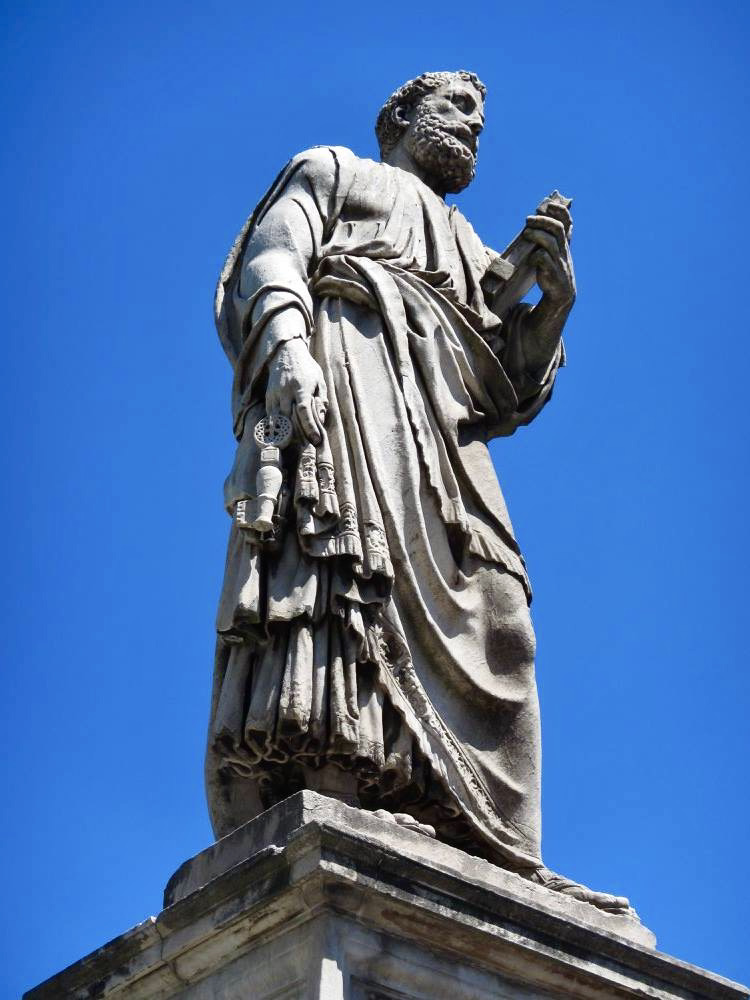
13. St. Peter

One of the most revered religious figures in Rome is St. Peter. His remain are buried in St Peter’s Basilica. He was one of Jesus’s apostles as well as the first Pope. Statues of him are all over the city and identified by the key he usually carries a set of Keys representing the keys to heaven and hell. The also represent the Churched power of absolution and excommunication.

14. Roman Ruins

Hidden all around the city are Roman Ruins. One unusually preserved example is the thermal baths of Agrippa. This monstrous pile of ugly rubble actually has a history dating back to 25 B.C. These baths were the very first of there kind as well as the first public bath. They were heated by fires deep below the building and smoke and steam would rise through chambers heating the above baths. This section of the baths cuts and arch thought what is now a residential building.

15. Night Buskers

At night the Roman city becomes even more romantic. The streets fill with hungry tourists and locals that still to the sweet serenades of buskers. They usually play 30-60 mins sets and some can even make a living playing in front of bustling eateries. In Rome musical buskers and artisans need to attain a license to entertain.

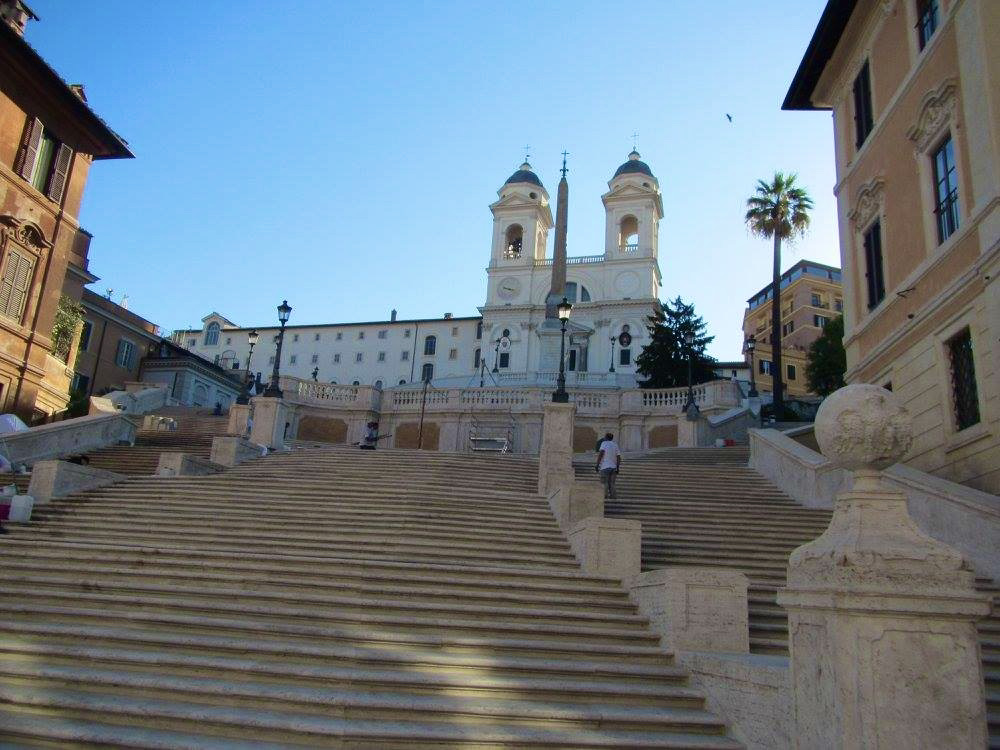
16. Spanish Steps

The confusing history to these steps traces back to 1725. They were commissioned by the French and sit at the bottom of the Spanish Embassy which was located on the square called ‘Piazza di Spagna.’ Thus came about their name. They are best seen at day break as hundreds of tourist flock here at peak hours.

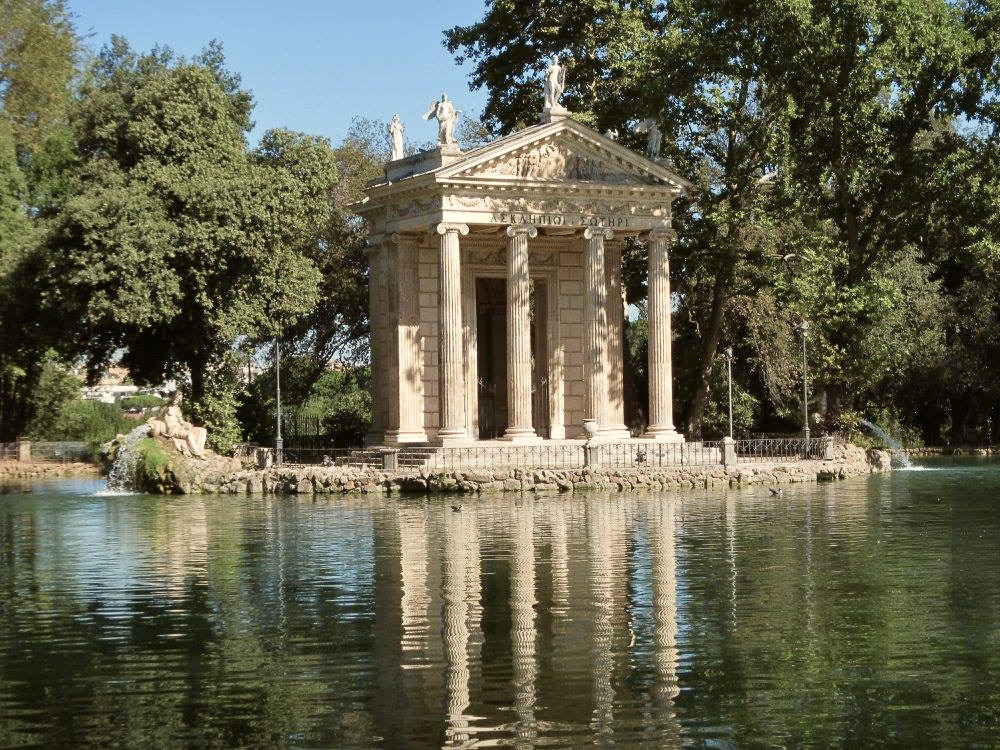
17. Temple of Aesculapius

Located in the stunning gardens of Villa Borghese. The Temple of Aesculapius was opened in 1789. It rumored to have been built in remembrance of the destroyed original. The original temple was a pilgrimage point for romans who would visit and pay homage to the god of Medicine.

Keep Travel Funky.
Travel Guide: Mandalay to Yangon, Myanmar

Top sites and must see places in the beautiful and historic country of Myanmar. The perfect bucket list for your next trip with instagram spots and historic facts.

1. Kekku Pagodas

2. Pindaya Caves

3. Bettle Nut

4. Bamboo Basket Weaving

5. Thanakha

6. Kyansittha Umin (Cave temple) in Bagan

7. Kuthodaw Inscription Shrines

8. Bagan

9. Burmese Cuisine Sampling

10. Pagodas

11. Feeding the Monks

12. LawkaNandar Pagoda

13. Rice Paddies

1 Kekku Pagodas

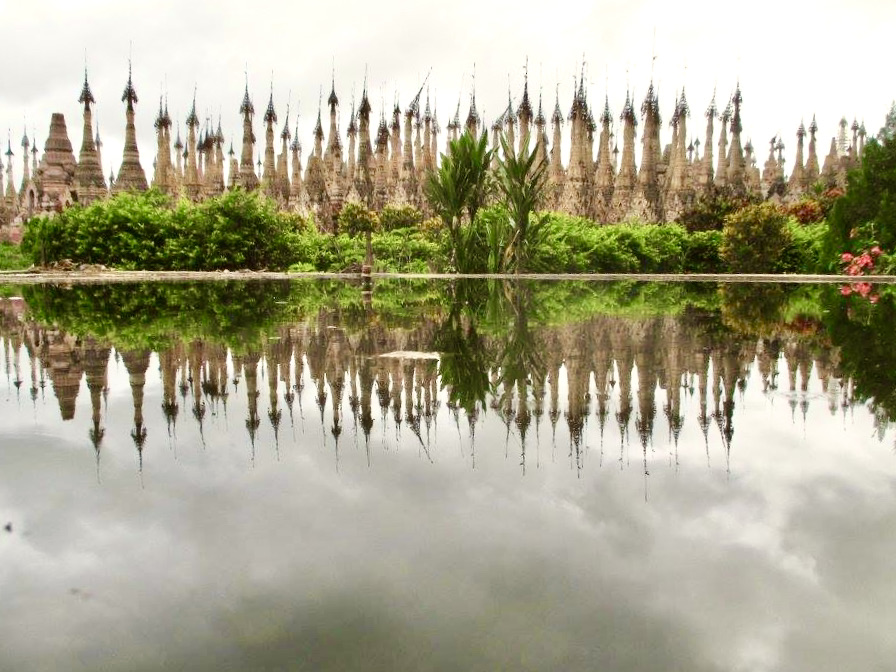
The stunning collection of 2,478 pagodas dates back to 260 BC. After the passing of the Buddha, Alaungsithu was the King of Bagan. He sought to expand the building of religious sites across his kingdom. A fascinating arial shot of this monument shows that the site was designed to resemble Buddha’s footprint.

2. Pindaya Caves (Exterior)

These gold glimmering caves are a sign not to be missed when visiting Burma. There is a famous folktale that illuminates the name of these caves. The legend says there were once seven princesses that took refuge in the cave and became trapped inside by a giant spider’s web. The princesses were rescued by a prince that slayed the monstrous spider with a bow and arrow.

Pindaya Caves (Interior)

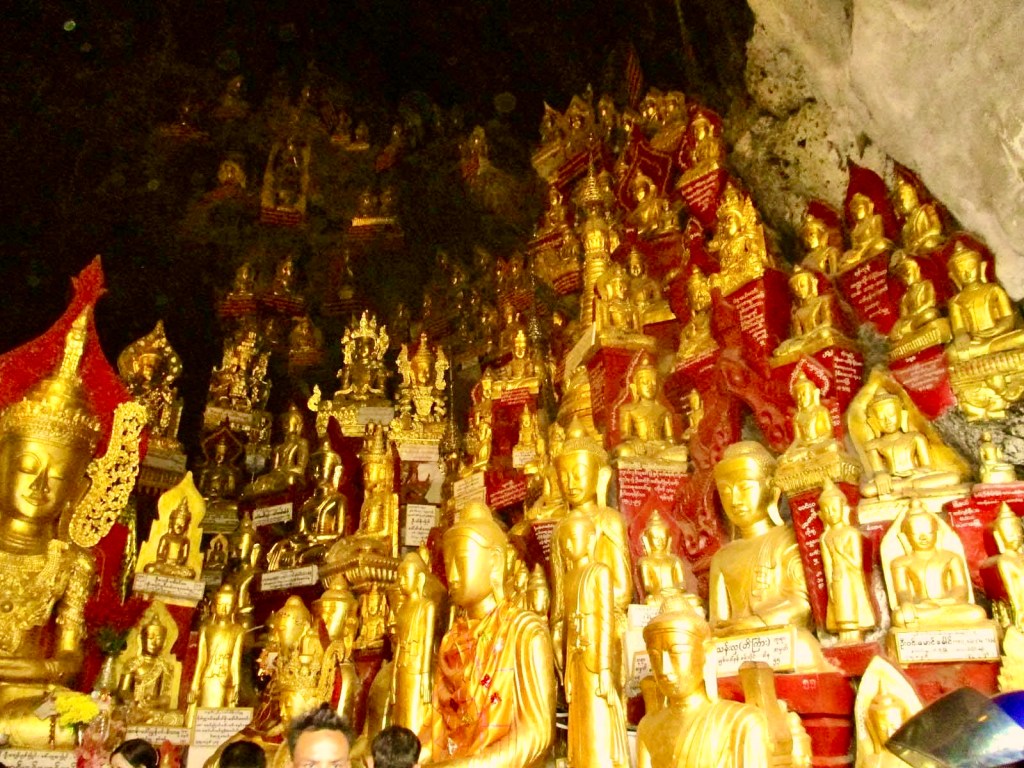
Inside these stunning caves is a maze of thousands of golden Buddhas. This ever-growing collective shrine dates back to 1750, make sure to crawl into the tiny meditation cave and take a moment to reflect.

3. Bettle Nut

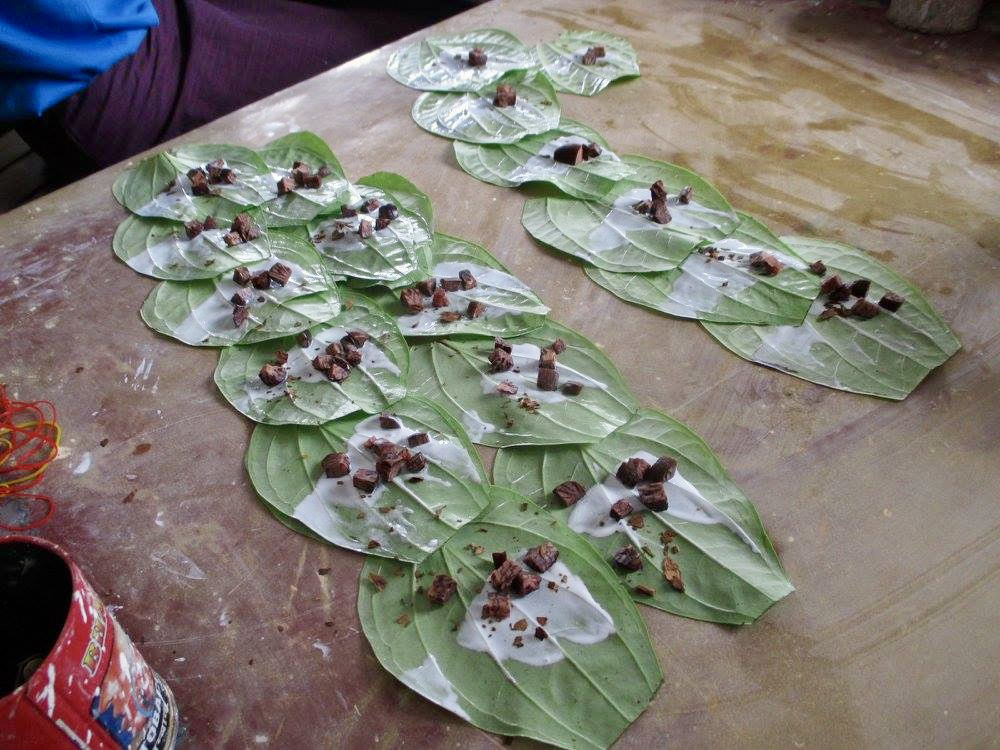
Warning! This local custom carries potential health hazards. Consult your doctor and do some research or something before trying this because its linked to cancer and stains your teeth red!

For the curious, visitors may see a local habit, chewing Betel Nut. You’ll see stall near major streets and markets with red toothed patrons lined up. In Burma, it’s made from red areca nuts, placed in a betel leaf, with slaked lime (Calcium Hydroxide), and sometimes tobacco. The WHO has estimates that 60% of men and around 25% of women chew beetle nut throughout the country.

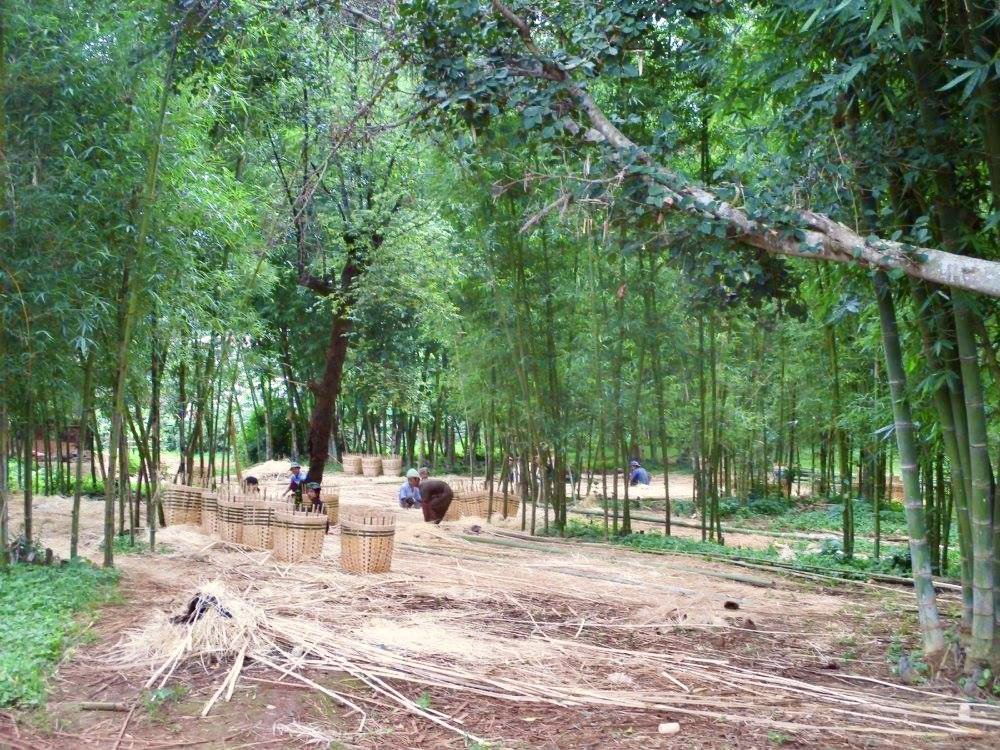
4. Bamboo Basket Weaving

It’s an artisanal craft to design and weave baskets ranging from round bamboo trays to bamboo mats. Basket weaving can even provide enough income to act as a families main income. These beautiful creations can be bought throughout the country in markets and shops. They are constructed in bamboo groves with thin bamboo strips (Tazaungmone Hnee).

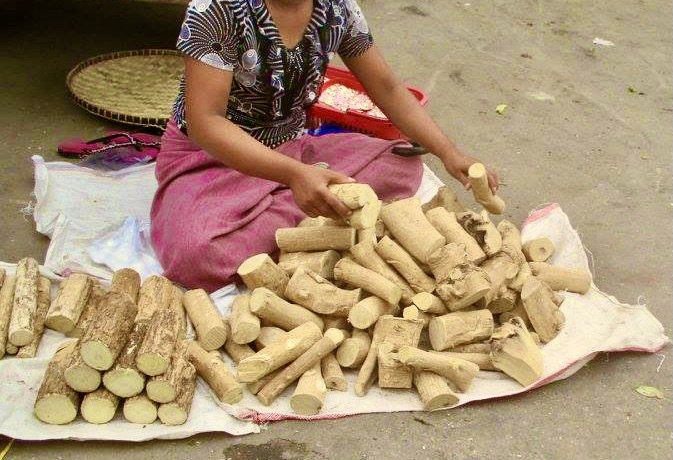
5. Thanakha

Thanakha is a creamy yellow or white paste made from a ground tree branch. One of the most distinctive feature you’ll notice when visiting Myanmar and observing their culture. Thanakha is usually painted on the face (forehead and cheeks).

It can be sold as small logs, in powder form or as a cream. It has a faint sandalwood smell and has been used as make up and sunscreen for over 2,000 years. Women typically apply it in circles or decorated leaf patterns.

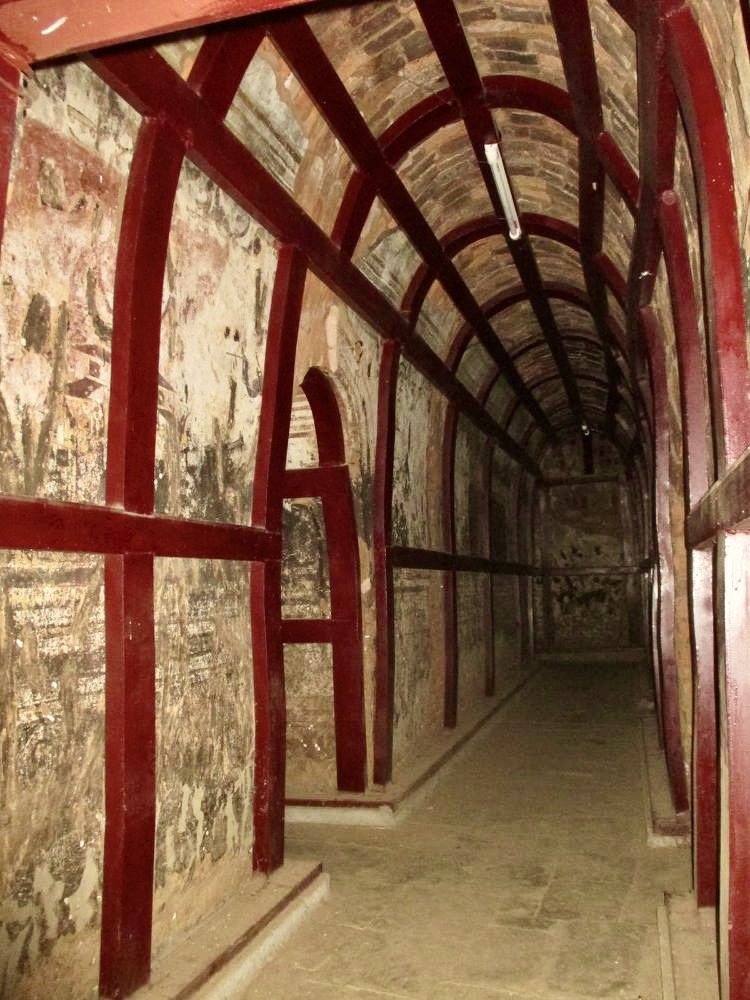
6. Kyansittha Umin (Cave temple) in Bagan

This stunning meditation monastery has a fascinating history detailed out with long dark mural filled corridors. Its believe to date back to the late 12th or 13th century, Shortly after the fall of Bagan. Some unusual depictions show possible Mongolian soldier in fur boots and hats wielding a bow. The caves are names after Kyansittha, the King of Bagan from 1084-1113. He is a renowned as being one of the greatest Burmese monarchs.

7. Kuthodaw Inscription Shrines

A stunning and peaceful UNESCO World Heritage Site, the Kuthodaw Inscription Shrines (also called Maha Lawkamarazein) at Kuthodaw Pagoda, contain the world’s largest book. The book is inscribed onto 729 marble slabs which read the Tripitaka (A traditional term for the ancient collections of Buddhist scriptures.)

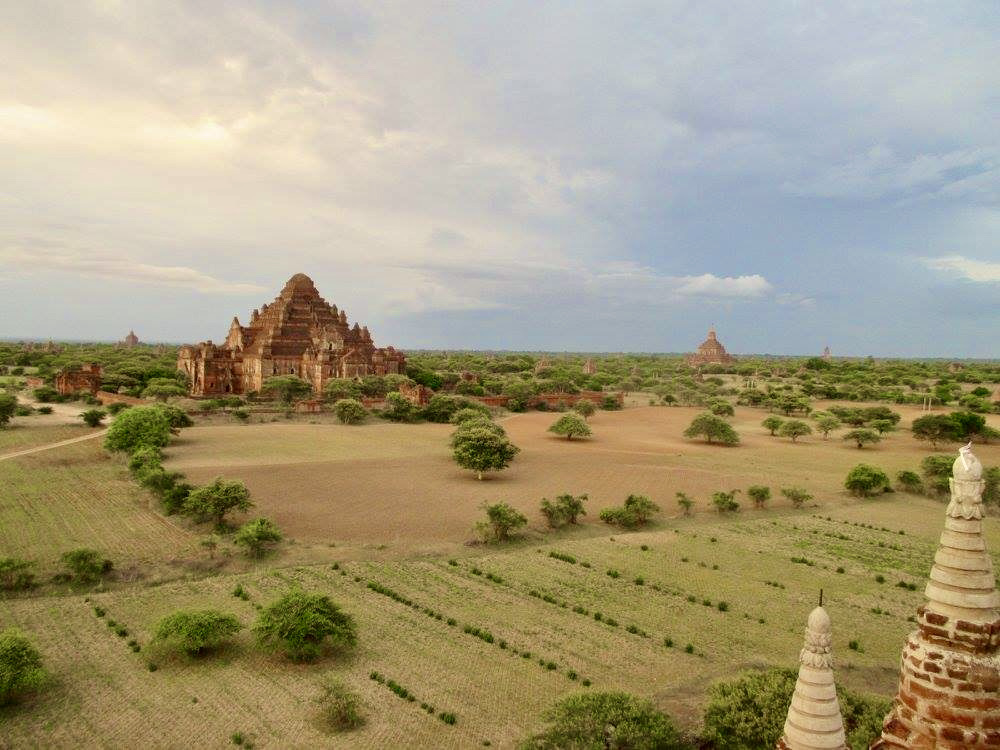
8. Bagan

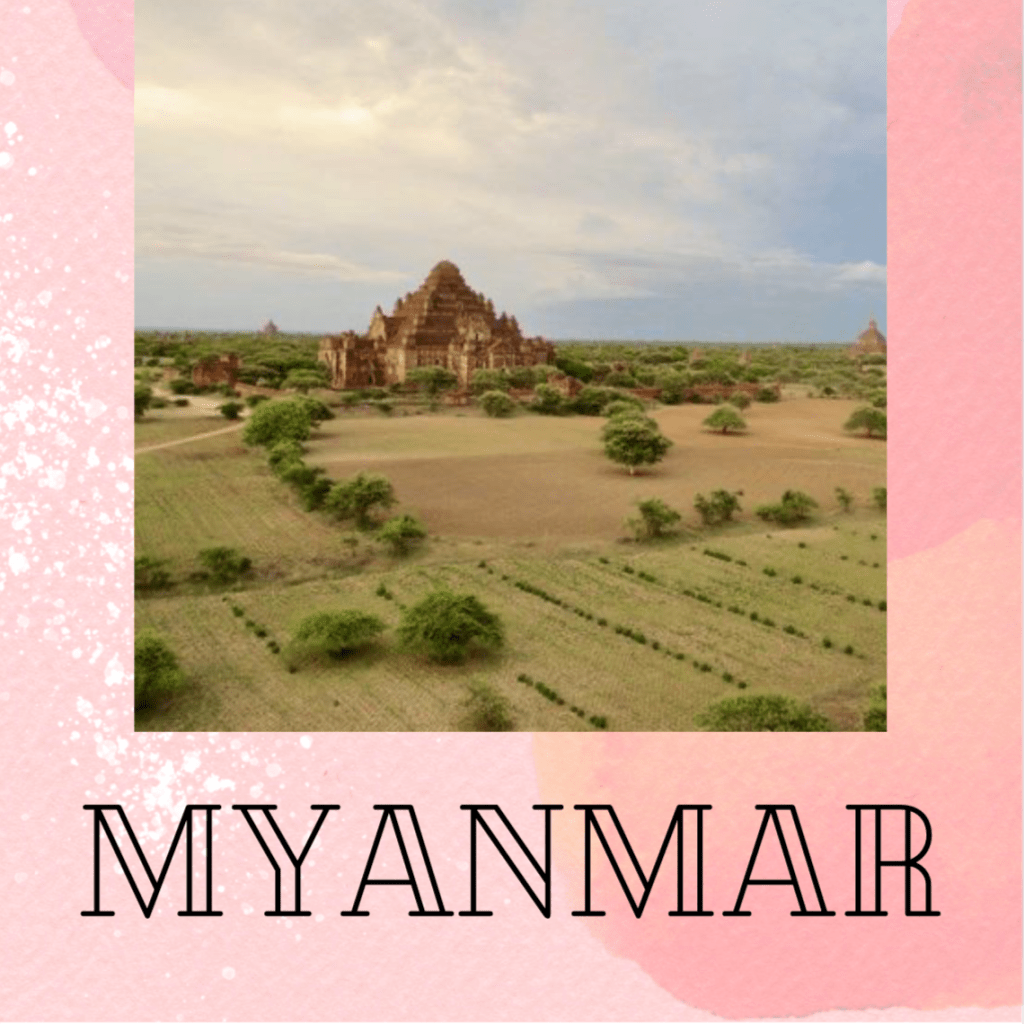
Formerly knows as Pagan, Bagan is an ancient city and 40 sq. mile UNESCO World Heritage Site. This was the former capitol of the Bagan Kingdom and houses around 2000 monuments from different periods. Its estimated that ruin the height of this region there were over 10,000 pagodas and monuments built. Today a little over 2,200 remain. Estimates date this region to the 9th century.

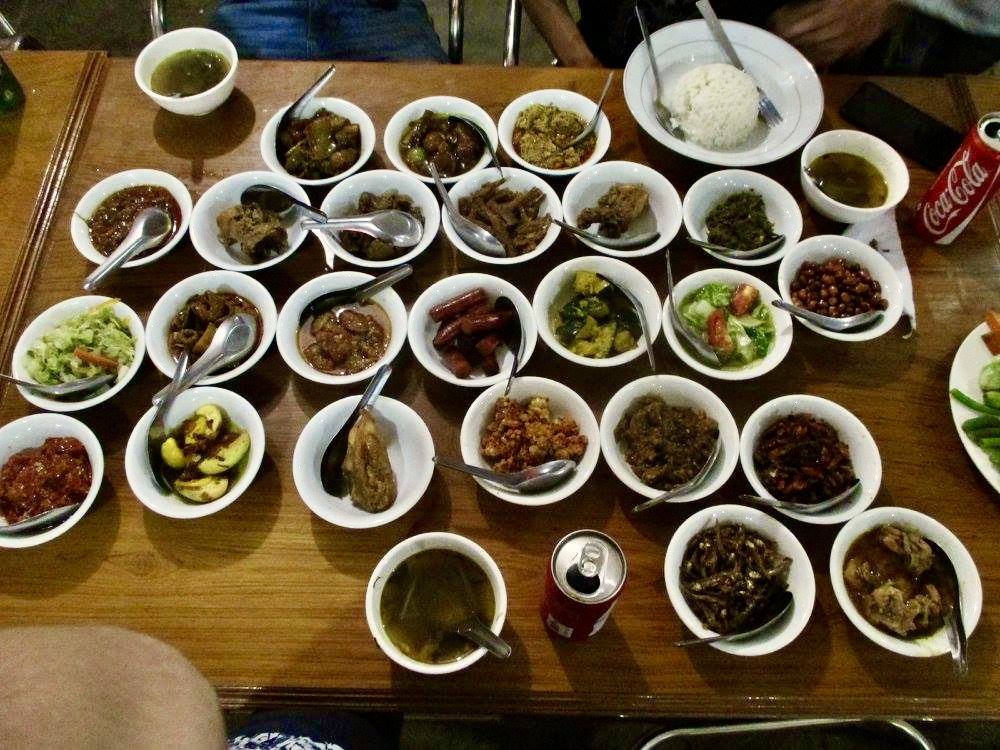
9. Burmese Cuisine Sampling

A group sampling of traditional Burmese food. Rice is always the staple in the meal and its typically served with a soup and a variety of local dips, salads, pickled and stewed dishes from the region.

10. Pagodas

Burma is sprinkles with thousands of pagodas. One amazing part of visiting is how tranquil, clean and stunning they are. Stop at any you see during your visit. Be sure to pay anyone who might ask for an entrance fee. Donating even $2 makes a huge impact on there lively hoods and ability to maintain these ancient relics.

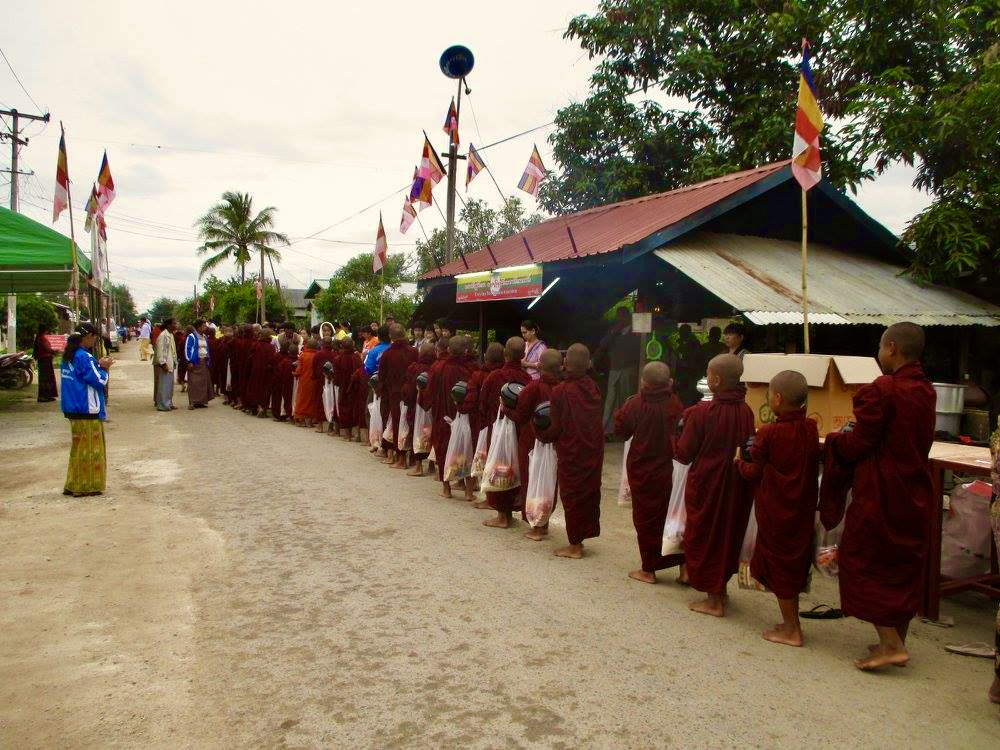
11. Feeding the Monks

Red-robed monks line up with begging bowls to ask local business and town people for sustenance so they can focus on their practices.

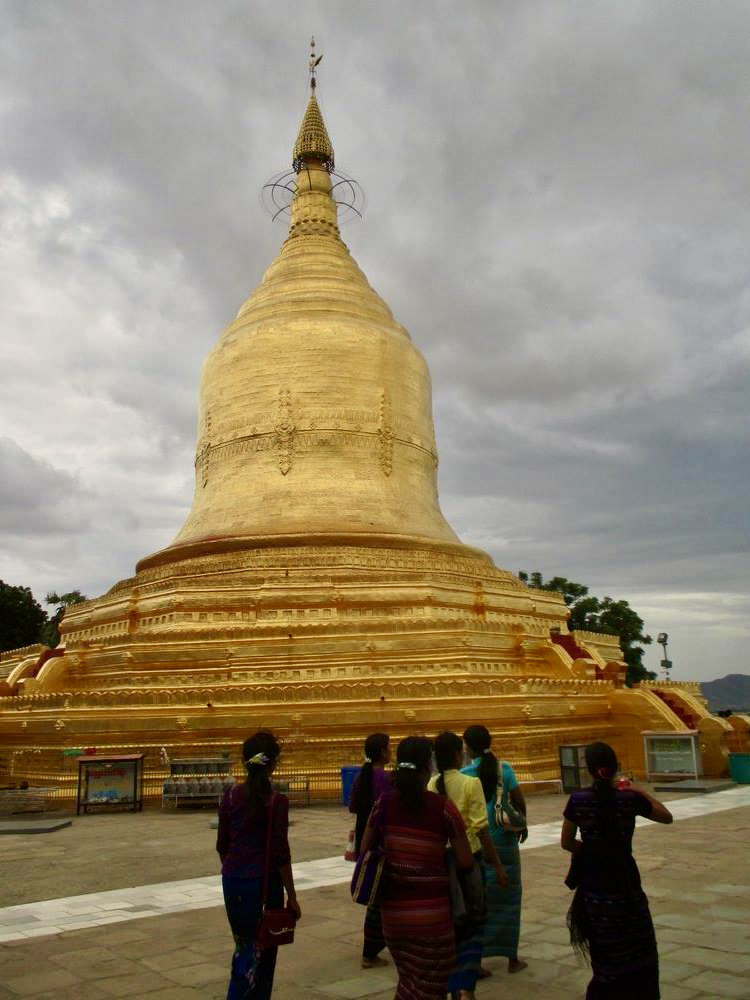
12. LawkaNandar Pagoda

This massive Buddhist zedi is in the city of Bagan. It sits next to the Ayeyarwaddy River and was constructed in the time of King Anawrahta. Inside this golden monument is the relic replica of Buddhas tooth.

13. Rice Paddies

A staple in most meals in Burma is rices. The Burmese grow almost 25 million tonnes each year. All over the landscape are the glistening water filled ponds growing tender shoots. It’s a magical feeling to stroll along the paddies at sunset listing to the water trickle from one paddy to the next down the carefully tiered landscape.

Keep Travel Funky.
Travel Guide – The Great Wall of China

Top sites and must-see places along the Great Wall of China. The perfect bucket list for your next trip with Instagram spots and historic facts.

1 Shooting Holes

2. Beijing Style Cuisine

3. Crenels

4. Wild Sections

5. Renovated Sections

6. Unique Towers

7. Inside the Guard Towers

8. Reptiles

9. Refreshment Stops

10. Ticket Entrance

11. Varied Stone Construction

12. Tourists

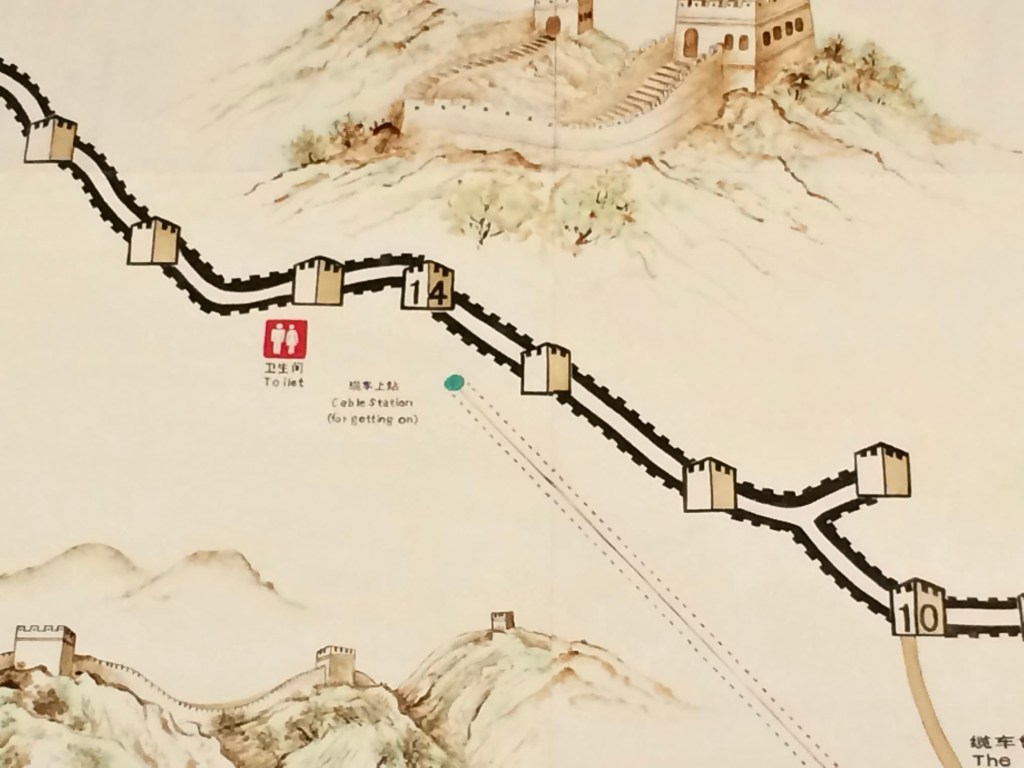
13. Branching Sections

14. Prayer Ribbons

15. Traveler Momentos

16. Check Points

17. Seven-Star Stones

18. The Boundary Tablet

19. No Plaques

20. Seasons

21. Stone Arches and doorways

22. White Mortar

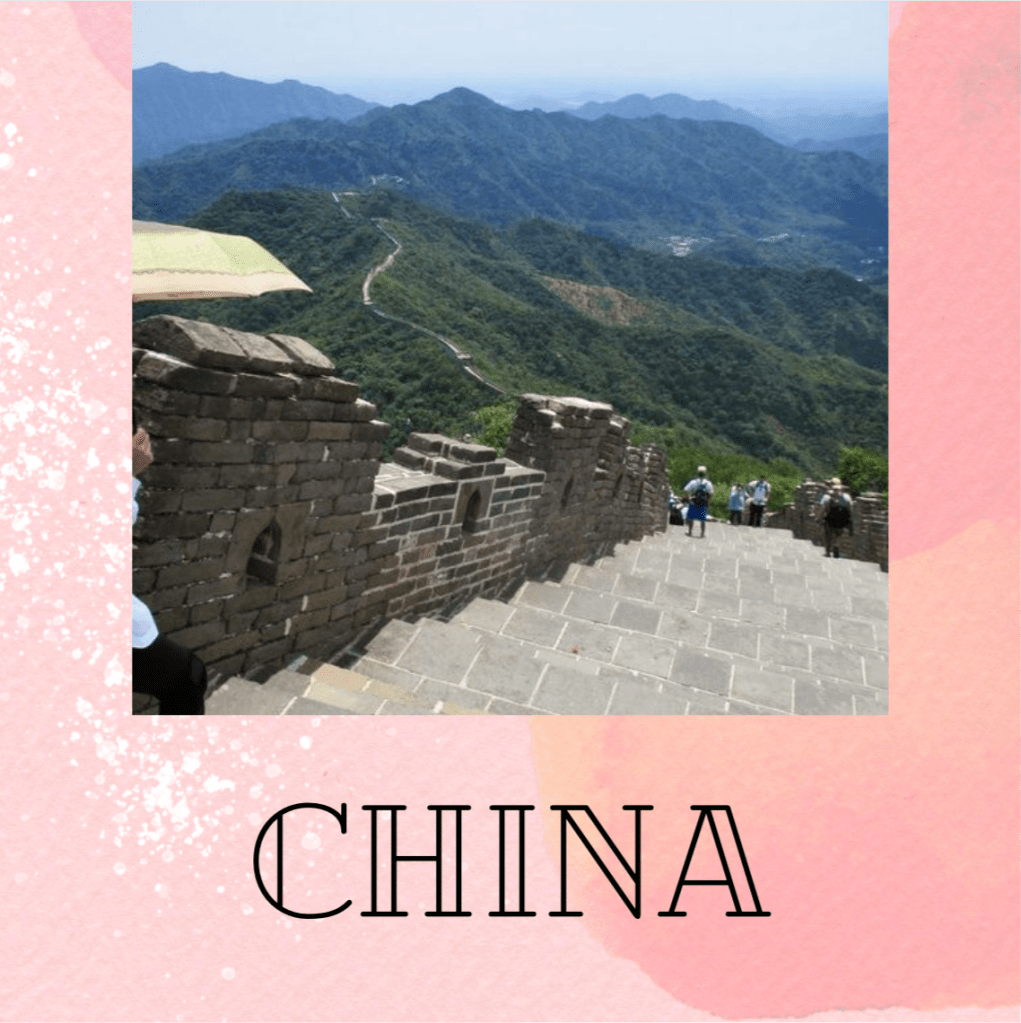
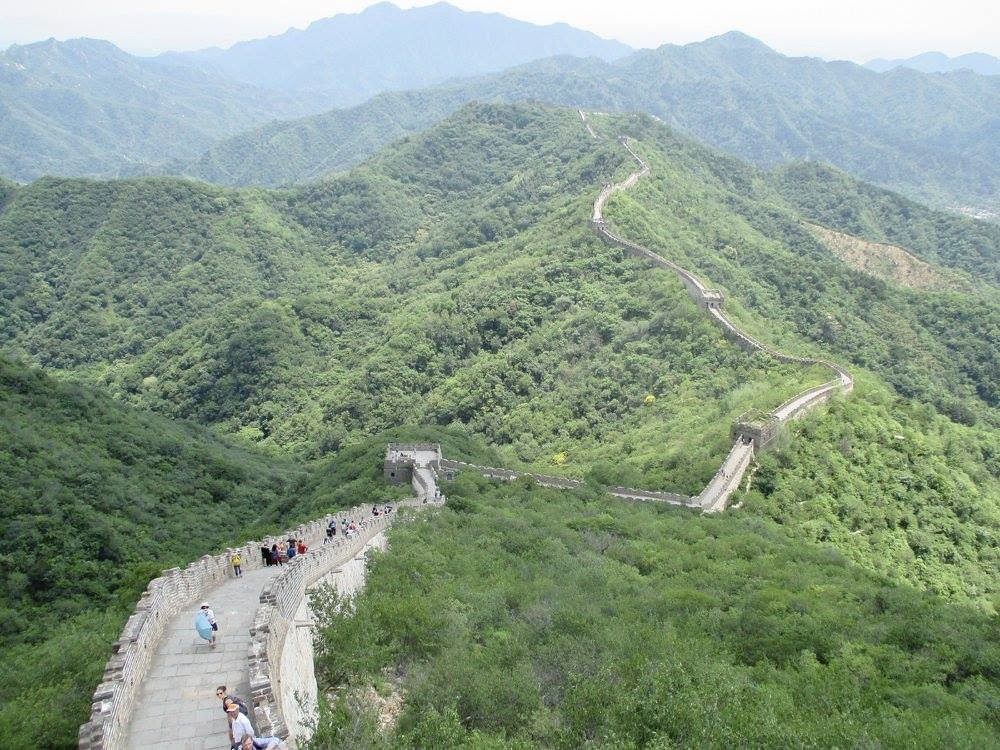
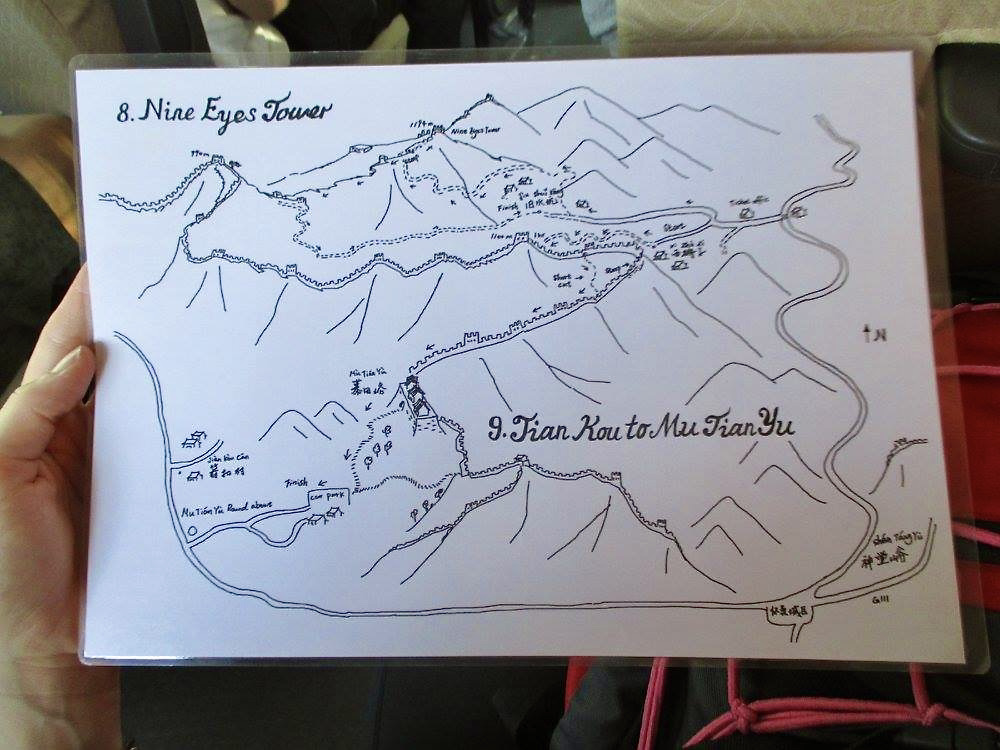
The hike route from the wilds of the wall into the restored section. Legend says it would take you 18 month to hike the entire length of the wall. Interesting fact: The Great Wall is not a continuous structure, but is broken up into many portions.

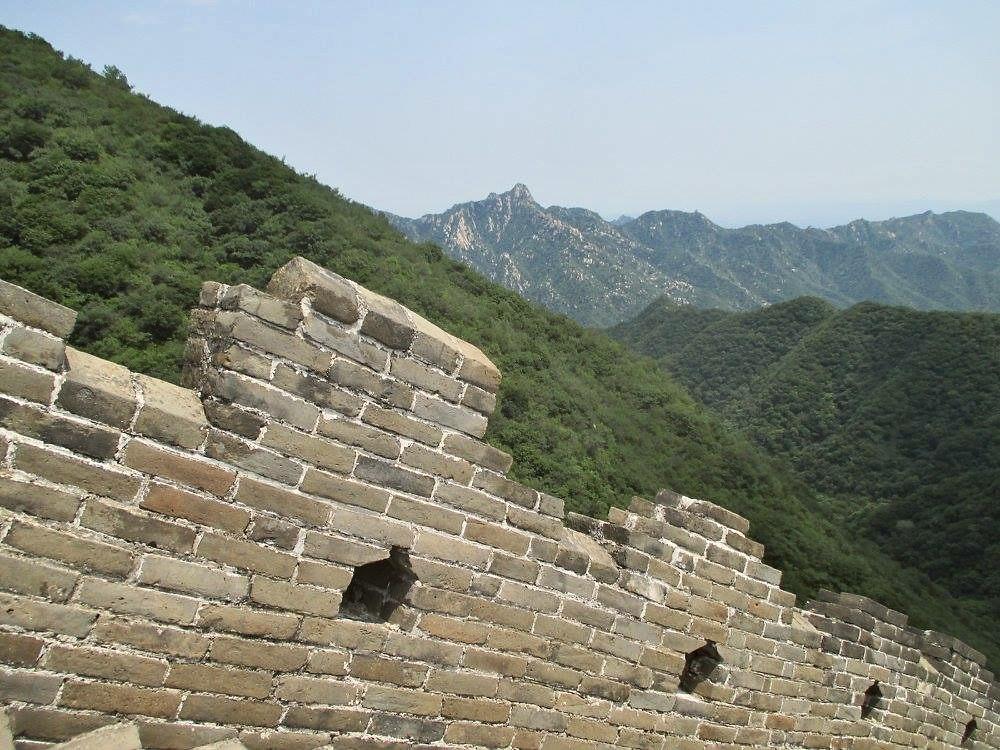
1. Shooting Holes

Section of the wall with peek hole uses for shooting an enemy with a bow and arrow.

2. Beijing Style Cuisine

Tour buses stop at family style restaurants which offer fantastic Beijing style food.

3. Crenels

Crenel are up and down indentations in the walls allowing soldiers to peer through and fire on attackers. Most sections of the Great Wall only have crenels facing outward away from China, but the Mutianyu section has crenels on both sides of the walls.

4. Wild Sections

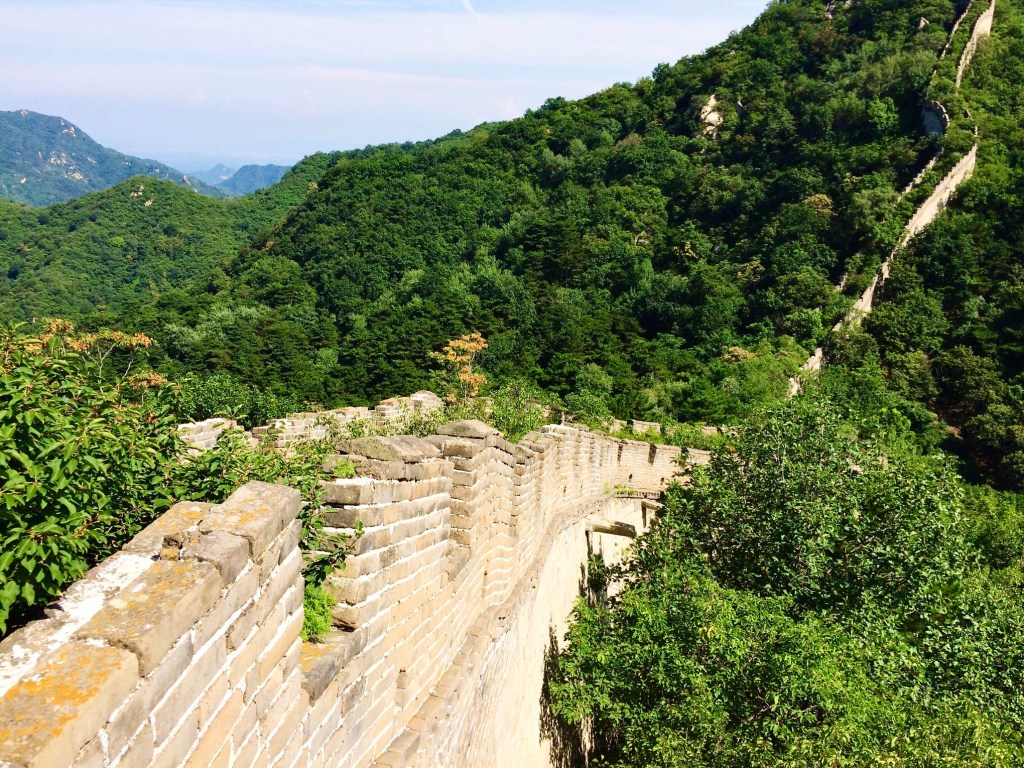
Unrestored section of the walls are called ‘Wild Sections’ They are covered with trees, bushes, vines, crumbling architecture and narrows paths.

5. Renovated Sections

Renovated sections of the great wall can be found all over China. They are cleared, cobblestone paved and easy to walk. There are many many tourists on the preserved sections of the Great Wall. Its estimated that less than 10% of the entire Great Wall has been restored and is well-preserved.

6. Unique Towers

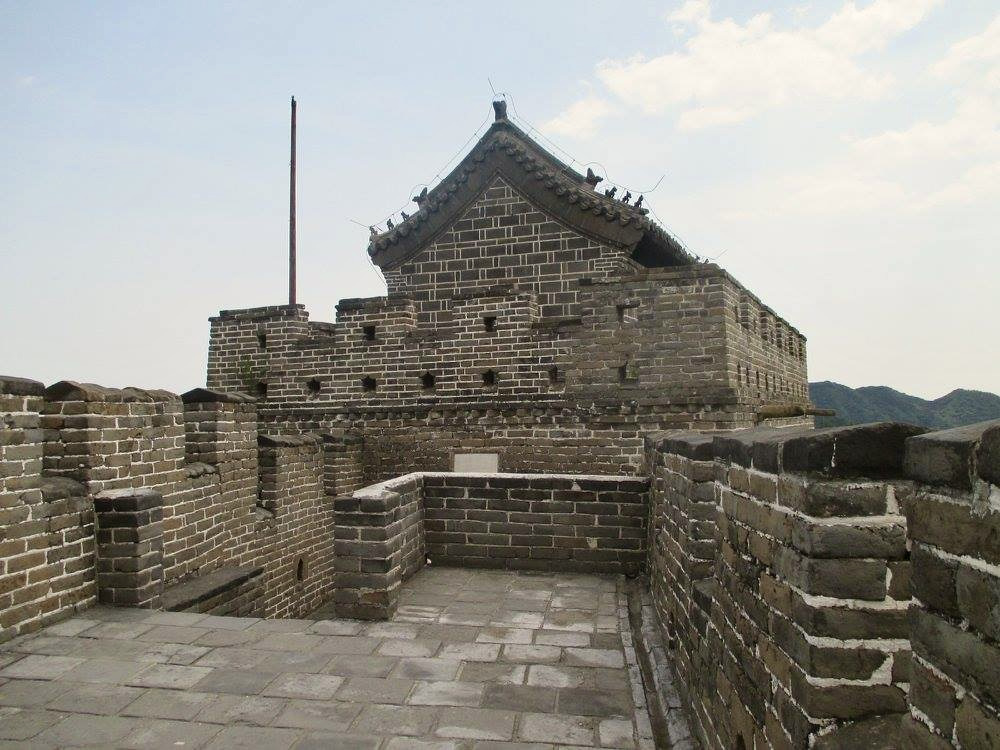
One of the most unique part of the Great Wall are the unique watch towers that vary in design and have their own names. It’s estimated that 25,000 watchtowers were constructed along the wall.

7. Inside the Guard Towers

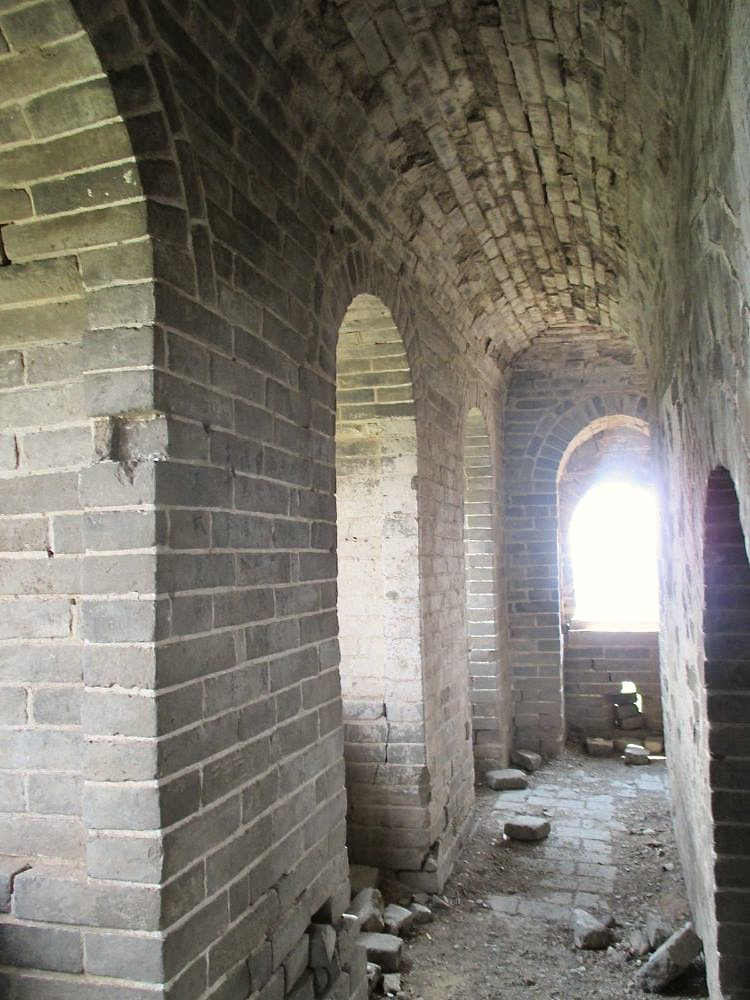
The many thousand watch towers along the wall were used to monitor enemy movements and transmit signals. If the soldiers on watch saw an enemy, they would puff smoke (made from wolf dung) during the day and light a fire at night to send the messages down the wall each would light the next fire to reach the palace. Each tower was designed with three floors. The first and second stories were living quarters and the top floors was storage for grain and fuel.

8. Reptiles

There is wildlife along the wall. There are Peking Geckos and snakes that live along the Great Wall.

9. Refreshment Stops

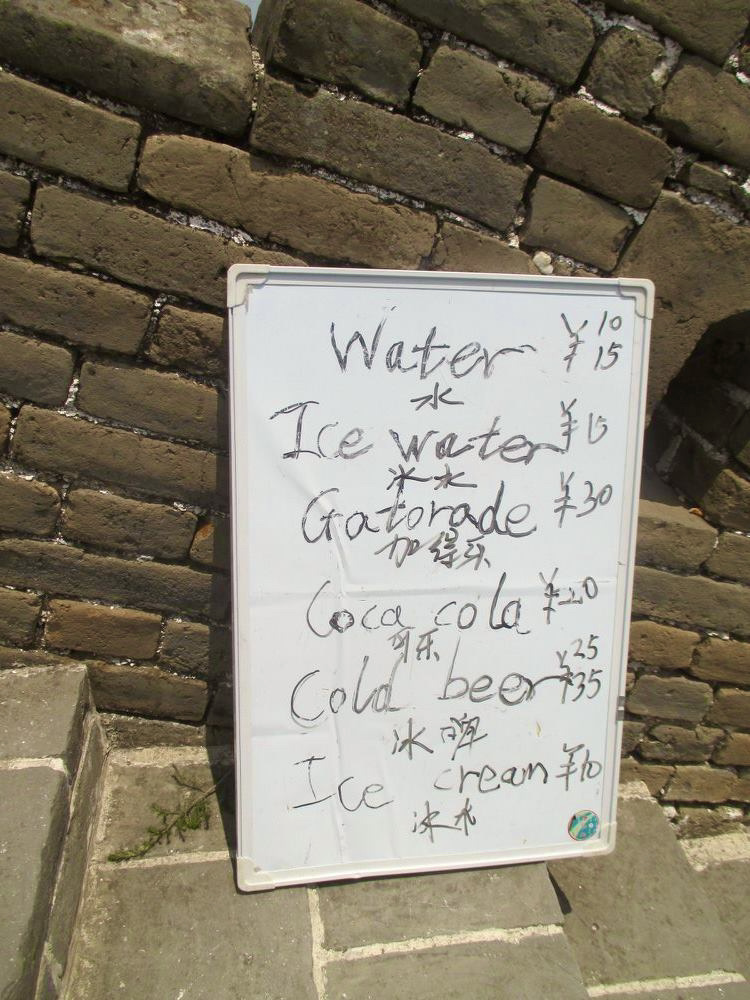
Conveniently written in English and Chinese. Drink prices can vary depending on how hot the day is usually ($1.50-7 USD). All along the wall hawkers are selling beverages, beer and ice cream out of icy coolers, which is a great way to avoid carrying heavy drinks to the top. Plan on bringing cash, sunscreen and water as temperatures during most of the summer can be over 90 degrees F. Also note that only the ticketed entrance of the great wall has a restroom.

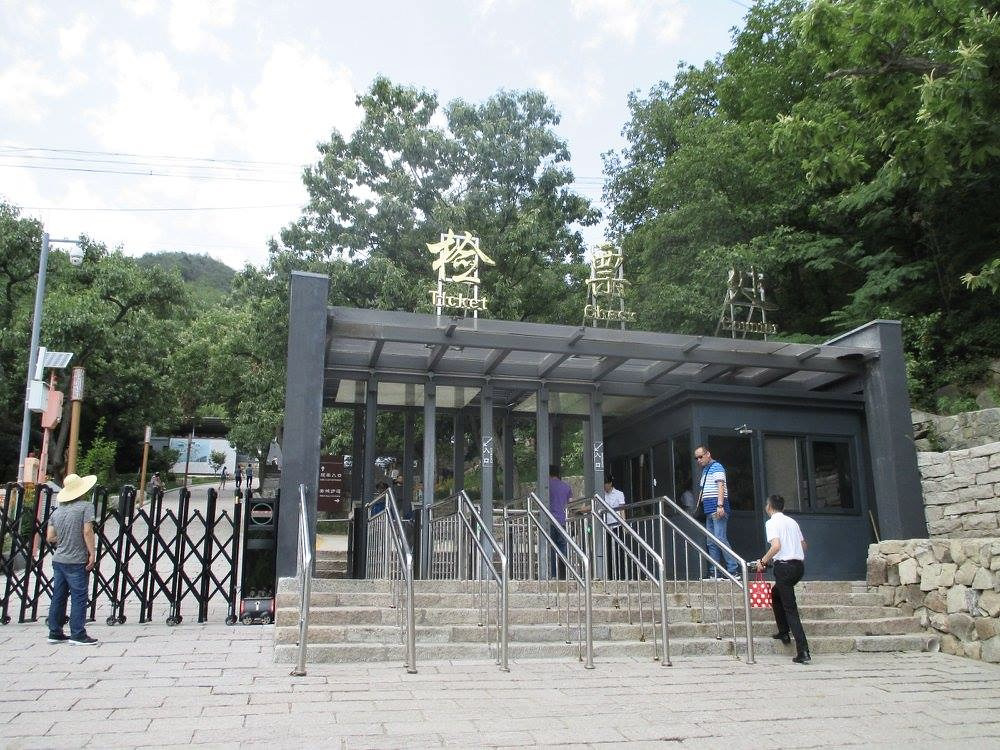
10. Ticket Gate

This is the ticketing entrance gate for large tour busses and most tourists. Tickets to enter most portions of the Great Wall cost less than 15 USD. Buying a ticket that includes a shuttle bus and tour can be more pricy and varies. You can book and pay online, get email confirmation with QR code and scan the QR code at the entrance. These pay gates are not the only way to access the wall, by they are the best way to access restored portions of the wall without a guide. Gate hours are 8:30am – 4:30pm

11. Varied Stone Construction

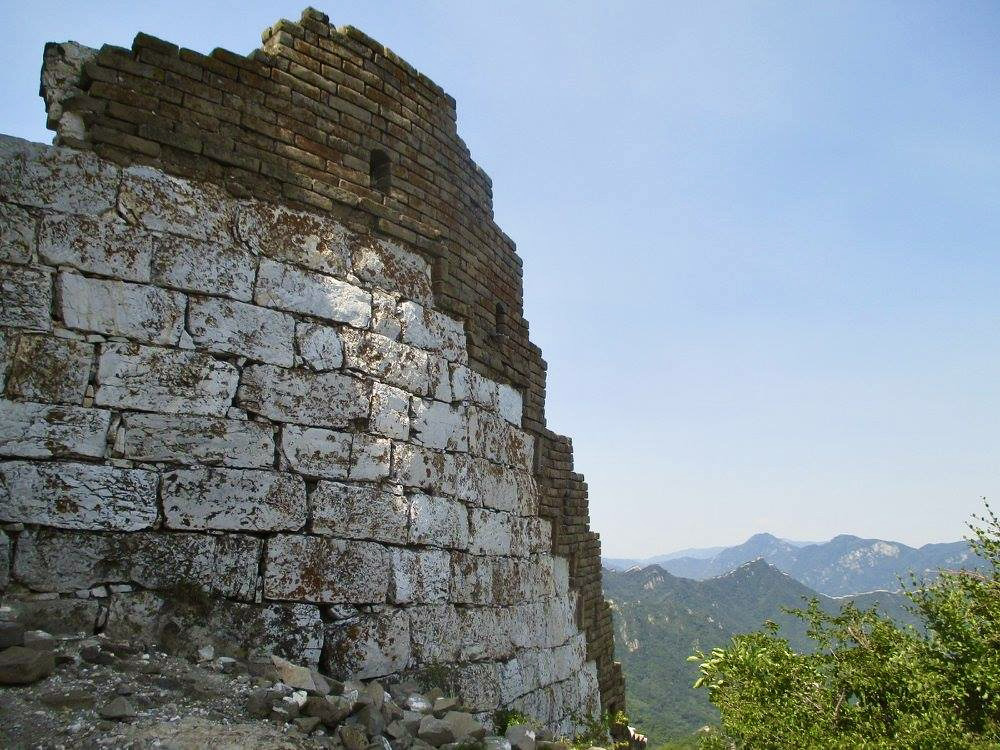
The makeup of the Great Wall is composed of various material due to changing technology over the many centuries of construction. Visitors may notice brick, quarried granite, sandstone or even marble blocks. The inside portion of the wall is filled with earth, stone, sand and wood.

12. Tourists

If you’re going to see one of the 7 new wonders of the world, get ready for a lot of other tourists. The Great Wall gets 10 million tourist per year and peak season is in the summer. On the renovate sections, there were lots of other tourist wielding umbrellas and cameras. The further up the steep hills you go, the less tourist. A surprising about of tourists wear high-heels to visit.

13. Branching sections of the wall

I remember being surprised when I learned that the great wall was not one long continuous wall. Theres actually 13,000 miles of wall entirety, many sections split like tree branches to creep up to the top of mountain ranges and watch for invaders.

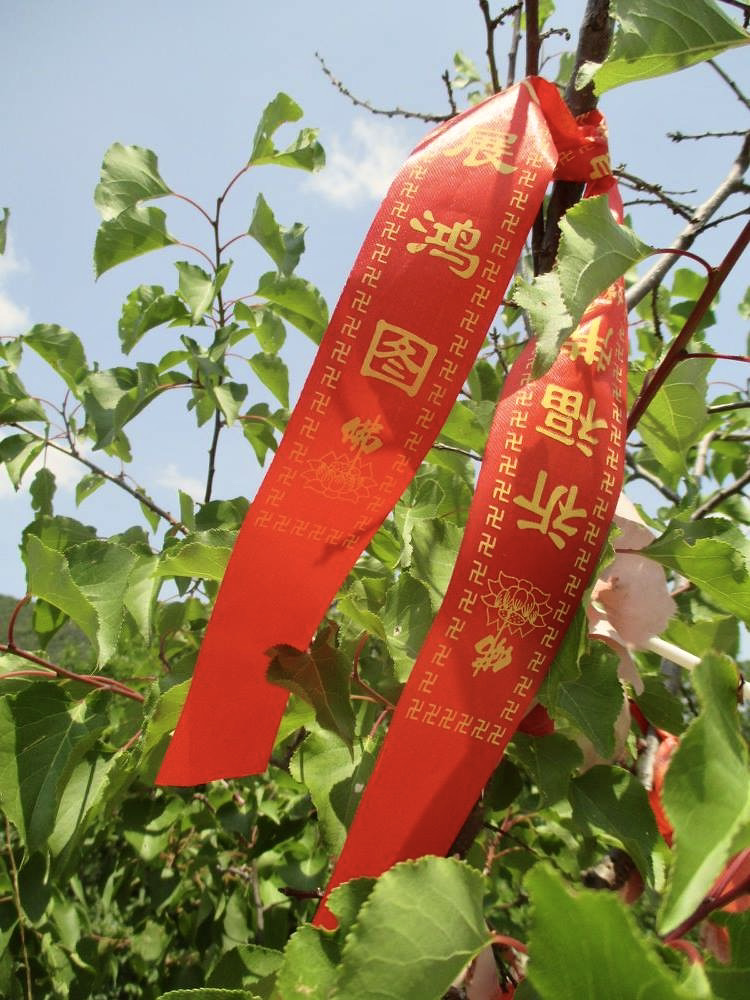
14. Prayer Ribbons

Along the wall are a few collections of red ribbon covered trees. These prayer ribbons and placed here by visitors. It’s said that the higher the ribbon is placed the more successful the wish will be.

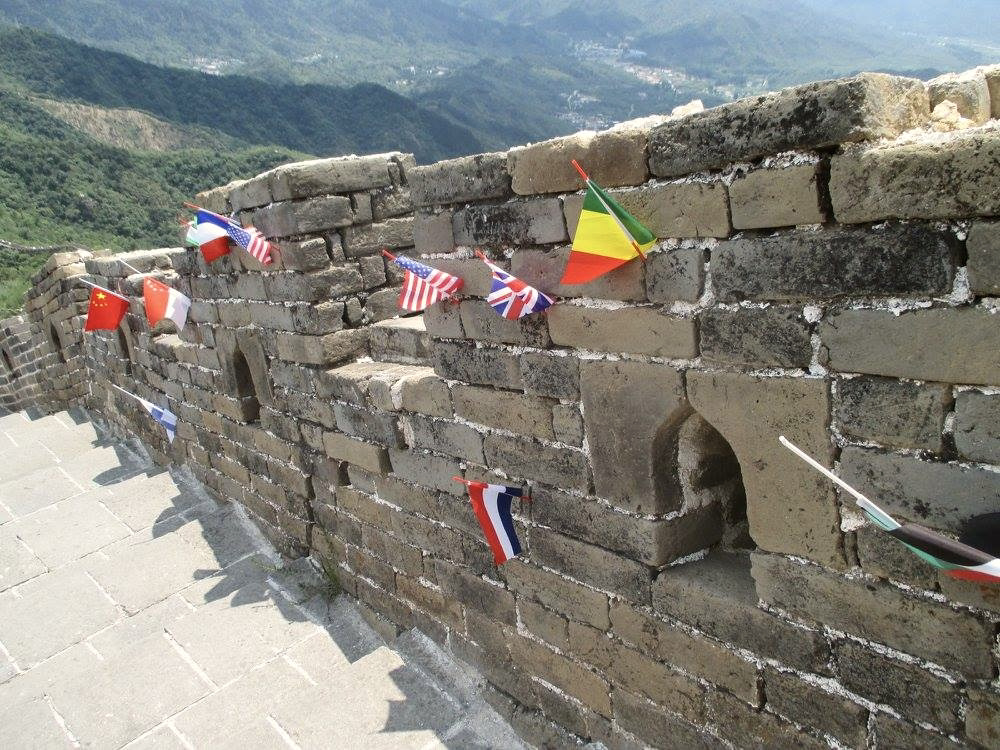
15. Travelers Momentos

Many sections of the wall are decorated with red ribbons as well as flags form all other the world. It’s also common to see clumping of Love Lock placed on the wall by lovers celebrating a new journey.

16. Check points

Locals set up “toll” booths along portions of the wall to try and squeeze a buck from hikers along the wild portions. Our guide helped us avoid the “toll.” make sure to ask the price of the toll before pulling out a wallet overflowing with your weeks spending money. These tool booths can also be helpful in supplying cold water and a refreshing beer along the trek.

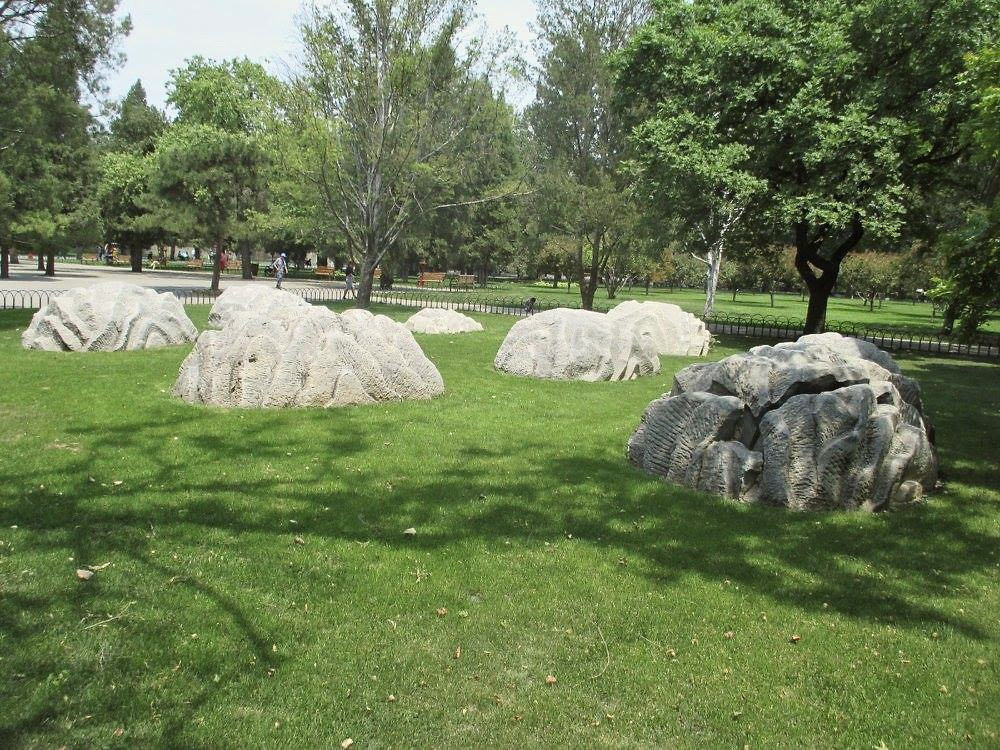
17. Seven-Star Stones

These are a group of carved stones made to look like meteors. They represent the peaks of mountains Tai nearby. This symbolized the unity of two different regions in the 1500s.

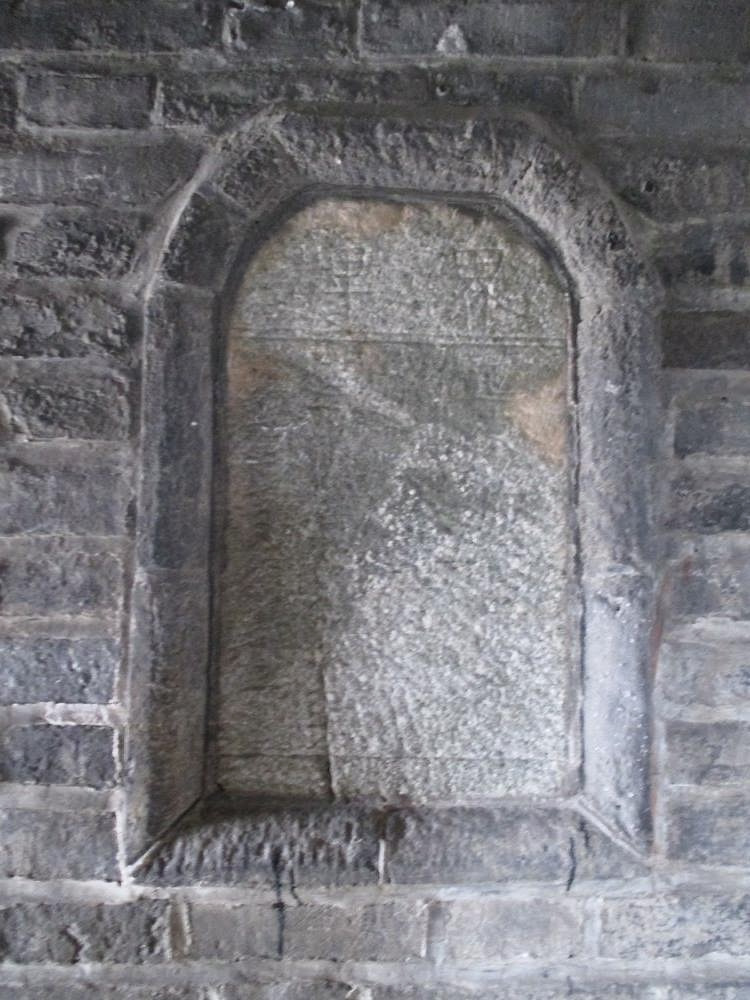
18. The Boundary Tablet

The faded stone marker inscribed with a text that denotes the meeting point of two regions. Each region was responsible for the renovation, repair, and defense of their section of the Great Wall. Stone tablets like this were erected near the towers between border between regions.

19. No labels or informational plaques

While each of these towers has a name, history and tons on unique features. Along the wall, there is no signage or plaques too describe the site. Not in Chinese or any other language. Make sure to go with a guide, booklet, audio tour or armed with your own information.

20. Seasons

The Great Wall of China is stunning to visit during all 4 seasons. In the Summer visitors will see stunning vistas with blue Skys and sunshine. In the Fall the leaves turn and the hillsides become a kaleidoscope of orange, yellow and red. I the winter this place becomes tranquil and blanketed with pure white snow. The spring bring flowers and cherry blossoms along the wall.

21. Stone Arches and doorways

All along the Great Wall there are many interesting architectural features. Such as drain pipes and archways that allow for flood waters to drain out during monsoon season.

22. White Mortar

Supposedly the white mortar is given its color by the ground up human bones used to make it. Which is a good story but its actually changed over time. In 500 CE it was a gloopy sticky rice with slaked lime used as mortar mix to adhere the bricks together. From then on sticky rice was used in maintaining the durability of the Great Wall, and can be see in Chinese tombs, pagodas, and city walls.

Keep Travel Funky.
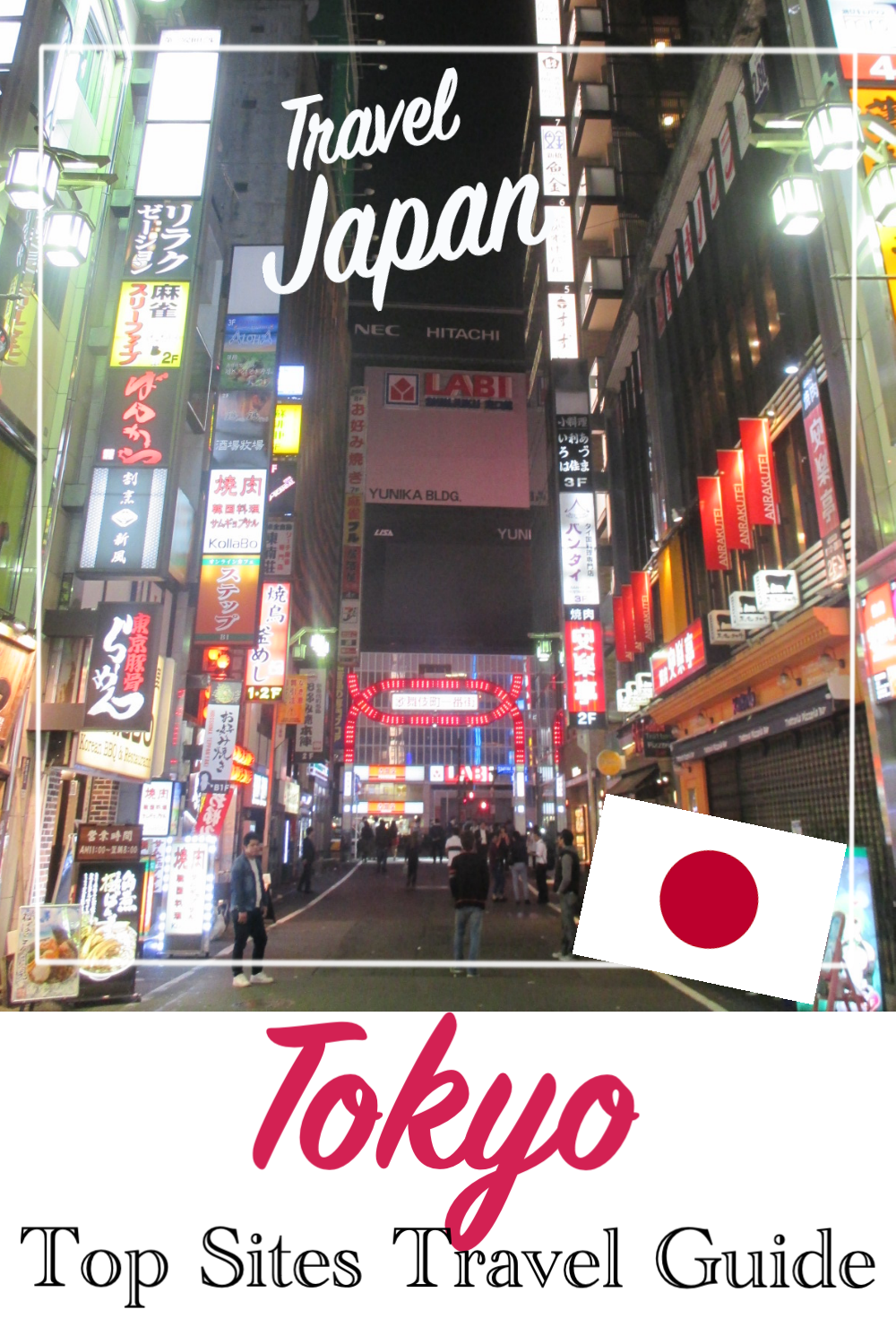
Top Sights Travel Guide to Tokyo, Japan

Funky Fact: Tokyo used to have a different name: Edo.

The top sites in Tokyo, Japan. The ultimate travel guide for culture, hidden gems, and secret sites.

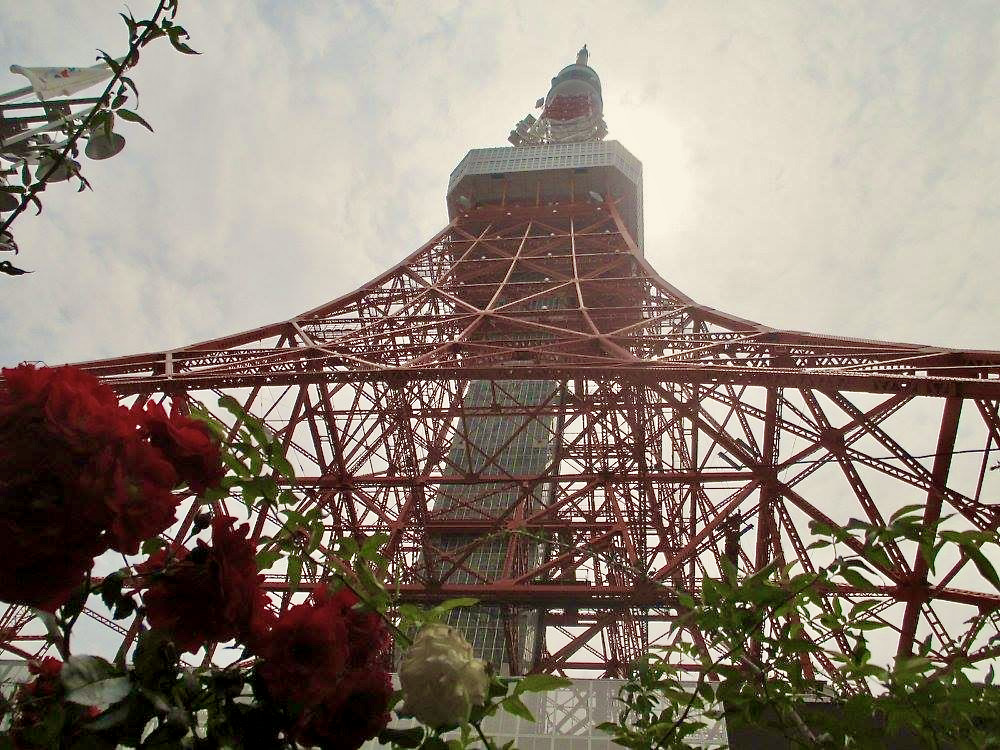
1 Tokyo Tower (東京タワー)

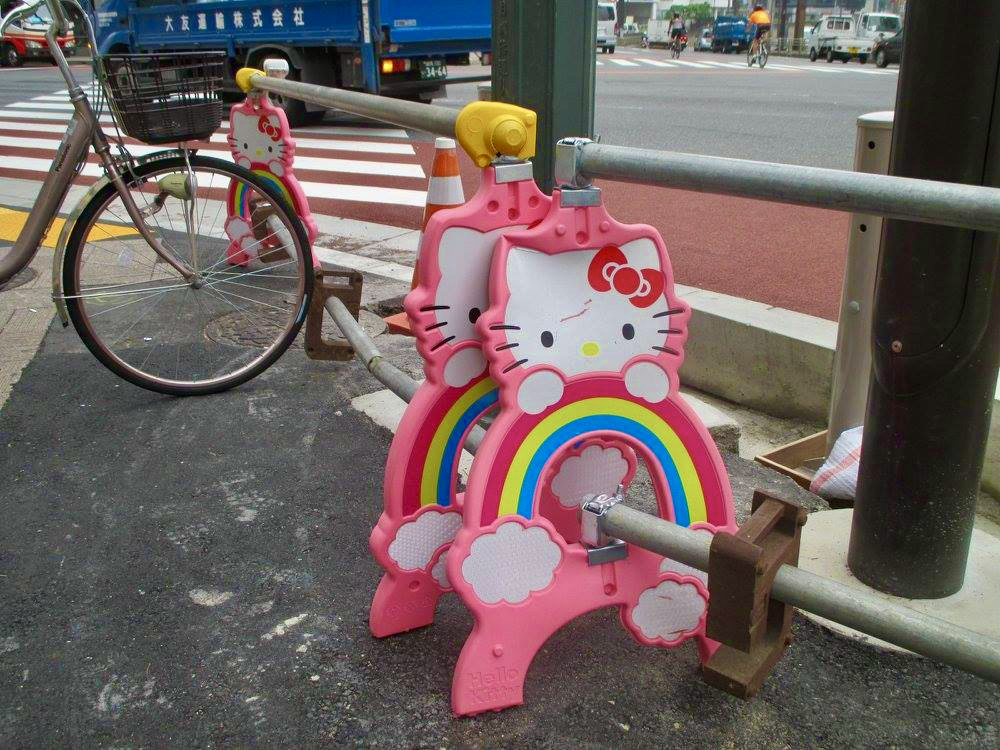
2. Hello Kitty Construction Barricades (かわいい)

3. Sugidama Ball (酒林・杉玉)

4. Ema Tablets (絵馬)

5. Imperial Palace (Kōkyo or 皇居)

6. Tanuki Statue (good luck) raccoon dog (タヌキ)

7. Piss Alley (Shonben Yokocho) Shinuku Bars (思い出横丁)

8. Dango (団子)

9. Shide (紙垂, 四手)

10. Matsuri Street Food Matsuri  (祭)  Street Food (屋台)

11. Toyokawa Inari Betsuin (shinjitai: 豊川稲荷; kyūjitai: 豐川稲荷)

12. Mikoshi (神輿) 

13. Ichigo, Mikan, Ringo Ame (リンゴ、イチゴ, みかんアメ)

14. Roppongi or Aoyama Cemetery (青山霊園, Aoyama reien) 

15. Ramen (ラーメン)

16. Kabukicho (Red Light District, Kabukichō, 歌舞伎町)

17. Takoyaki Stall (たこ焼き or 蛸焼)

18. Peace Poll (ピースポール)

19. Sustainable architecture

20. Shibuya Crossing (渋谷スクランブル交差点, Shibuya sukuranburu kōsaten)

21. Rickshaws (人力車)

22. Paper Crane Wish (千羽鶴 Senbazuru)

23. 5 Gallons Bar

24. Benkei Fly Fishing Club (東京フライフィッシング&カントリークラブ)

Tokyo Tower (東京タワー)

1. Tokyo Tower (東京タワー)

Piercing the sky in the center of town it the Tokyo Tower. This 1,092 feet tall red structure is an icon communications and observation tower on the Tokyo skyline. It is seen as a symbol of rebirth of the nation after the horrors of WWII.

Hello Kitty Construction Barricades (かわいい)

2. Hello Kitty Construction Barricades (かわいい)

Japan has a side to its culture called kawaii, that relishes in cuteness. This unusual example can be seen in the Shinjuk and provided functionality with cultural relevance. If there is a way to change an eyesore into an adorable site that makes people want to take a photo, this is it!

Sugidama Ball  (酒林・杉玉)

3. Sugidama Ball (酒林・杉玉)

Sugidama ball (sugi-dama) made from sprigs of Japanese Cedar. You will see these in the winter set up around Saki breweries. Its a symbol to Saki fans that next years batch is brewing. You can also see them near izakaya restaurants and sake stores.

Ema Tablets (絵馬)

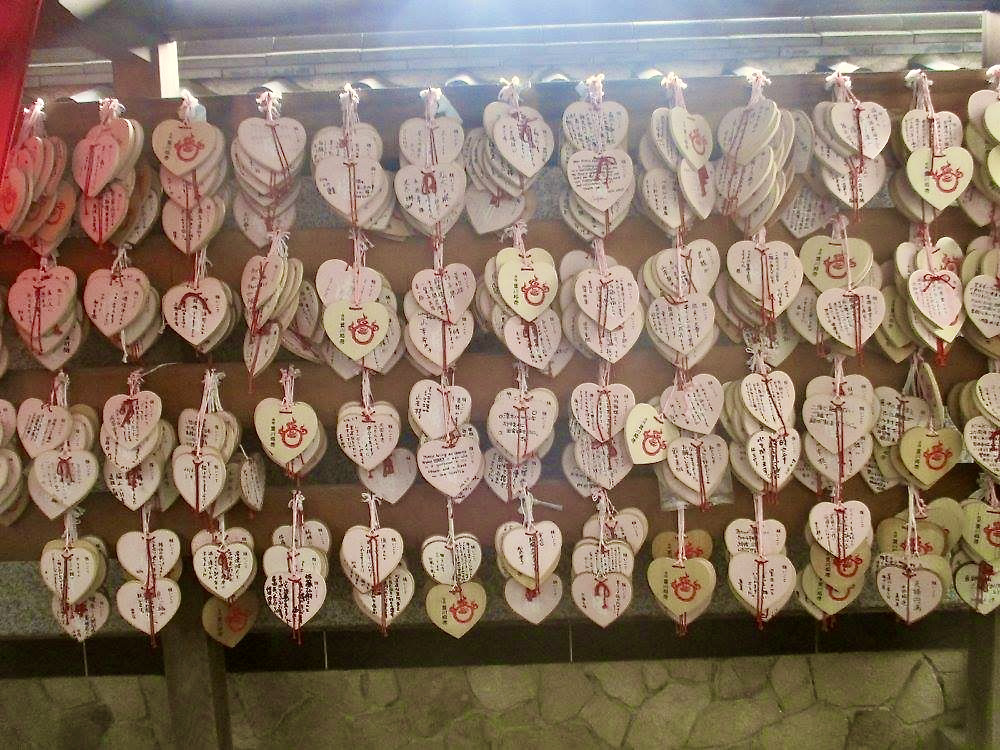
4. Ema Tablets (絵馬)

Ema are small wooden tablets used by worshippers to convey their prayers, desires or gratitude to the deities they worship. They are often seen at temples but the hundreds.

Imperial Palace (Kōkyo or 皇居)

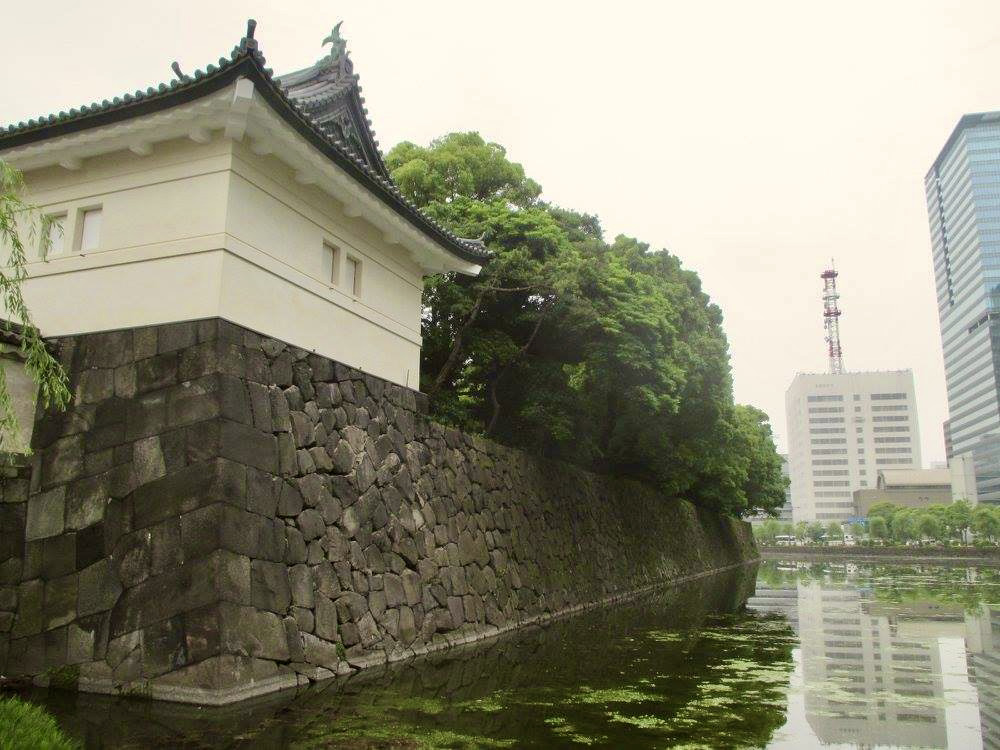
5. Imperial Palace (Kōkyo or 皇居)

This is the is one of the residence of Tokyo’s Imperial Family. Most of the grounds are open to the public as a large park area surrounded by moats and massive stone walls. Part of the complex is closed as its the Imperial private residence. Its been the site of continues reconstruction over the centuries, but has been here since 1437.

Tanuki Statue (タヌキ)

6. Tanuki Statue (タヌキ)

These can be seen around the city and are good luck statues. They portray a raccoon dog which is a real animal that lives in Asia. These are supernatural being in Japanes folklore, that can shape-shift. Its said that the animal has 8 special trait that make him lucky:

-A hat (to protect from weather)

-Large eyes (to watch the environment)

-Sake (representing virtue)

-A tail (provides balance and strength)

-An oversized scrotum (symbolizes financial luck)

-A promissory note (showing trust and confidence)

-A large belly (shows calm decisiveness; and

-A friendly smile

Piss Alley and Shinjuku Bars (思い出横丁)

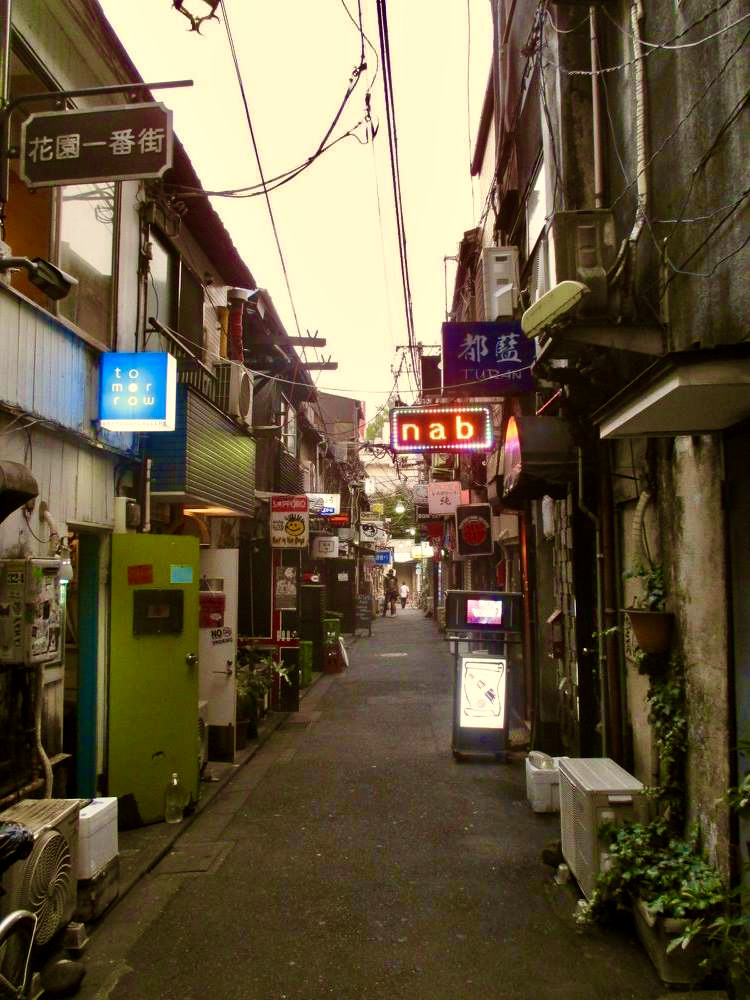
7. Piss Alley and Shinjuku Bars (思い出横丁)

This place has a few names known as Nonbei Yokocho, Drunkard’s Alley, Piss Alley, Omoide Yokocho, or Memory Lane. Its now a unique collection of mice bars, grill restaurants and street food stalls. When I say micro, I mean some bars are the size of a closet with space for only 4 patrons at a time. This was one of my favorite places to stroll and people watch in all of Tokyo, its chock full or quirky art and themed pubs that will have you entertained all night!

Dango (団子)

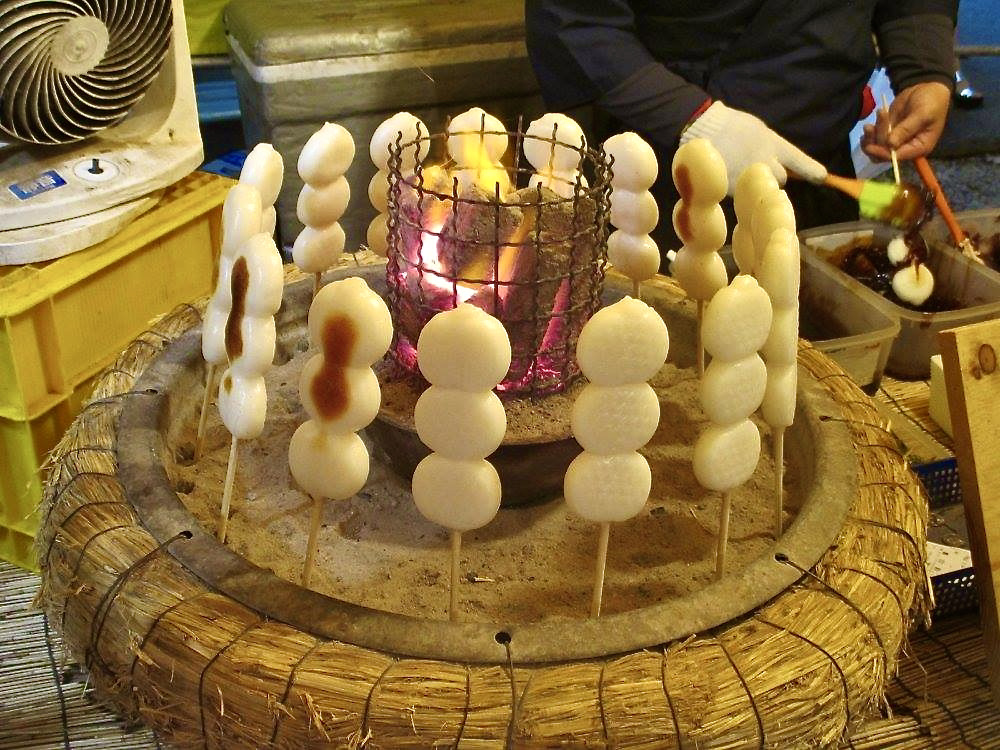
8. Dango (団子)

These fabulous round Japanese dumplings are lovingly crafted with rice flour and glutinous rice flour. It’s similar to mochi and usually served 3-5 together on a skewer. They are often sweet in flavor and sometimes served with a drizzle.

Shide (紙垂, 四手)

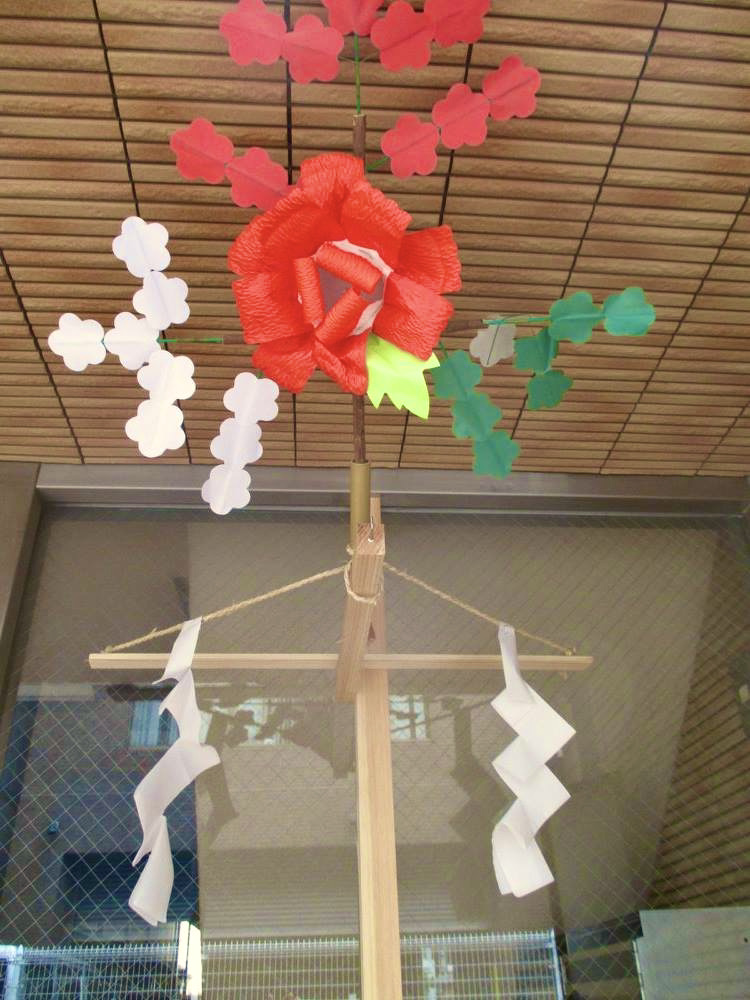
9. Shide (紙垂, 四手)

This is small unique detail that I saw around Tokyo. Its almost not noticeable but if your looking, you’ll see these zig-zag folded papers hung around the city. These little “lightning wands” are usually attached to a shrine to denote a public shrine or private alter.

Matsuri  (祭)  Street Food (屋台)

10. Matsuri  (祭)  Street Food (屋台)

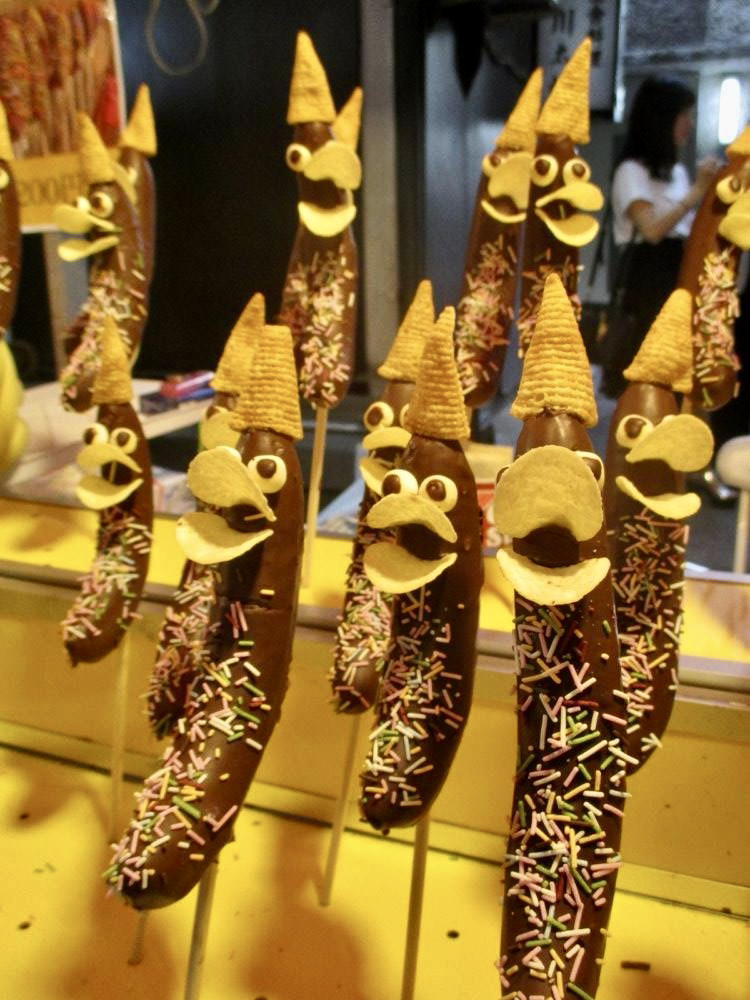
A Matruri’s are ceremonies or festivals that take place throughout the year. They are usually celebrated with an evening of celebration in the form of a Yatai or street food in a pop-up market. There are many traditional foods including: decorated chocolate dipped bananas, takoyaki, yakisoba, gilled meats, Ikayaki (grilled squid) and candies fruit.

Toyokawa Inari Betsuin (shinjitai: 豊川稲荷; kyūjitai: 豐川稲荷)

11. Toyokawa Inari Betsuin (shinjitai: 豊川稲荷; kyūjitai: 豐川稲荷)

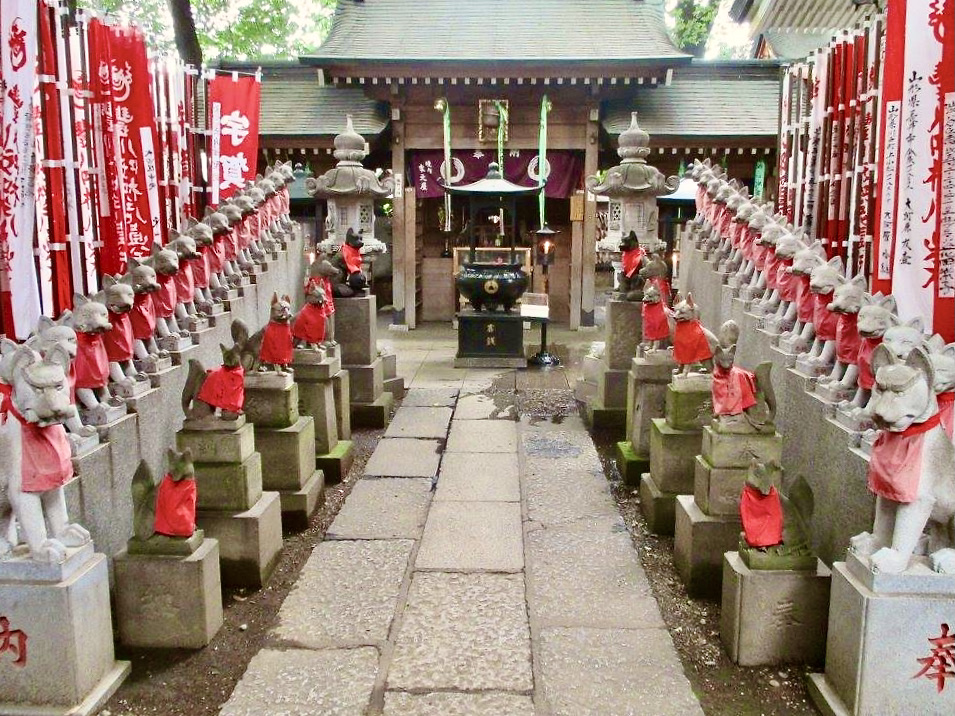
The stunning lantern filled shrine is famous for its hundreds of shinto fox deities. The Shinto Fox is a seen to have the ability to ward off evil, as well as protect and guard. Two foxes are often seen flanking red torii gates as guards.

Mikoshi (神輿)

12. Mikoshi (神輿) 

In Tokyo, Japan patrons carry a Mikoshi from the shrine, around the neighborhood participating in shouldering the shrine during a festival. They wave it wildly from side to side to “amuse” the deity (kami) inside while chanting. Mikoshi outings occur during local city festivals and events and vary by time of year.

Ichigo, Mikan, Ringo Ame (リンゴ、イチゴ, みかんアメ)

13. Ichigo, Mikan, Ringo Ame (リンゴ、イチゴ, みかんアメ)

These infamous sugar coated candies are fruit coated delights. It’s common to see glistening coated oranges, strawberries, cherries and apricots.

Roppongi or Aoyama Cemetery (青山霊園, Aoyama reien) 

14. Roppongi or Aoyama Cemetery (青山霊園, Aoyama reien) 

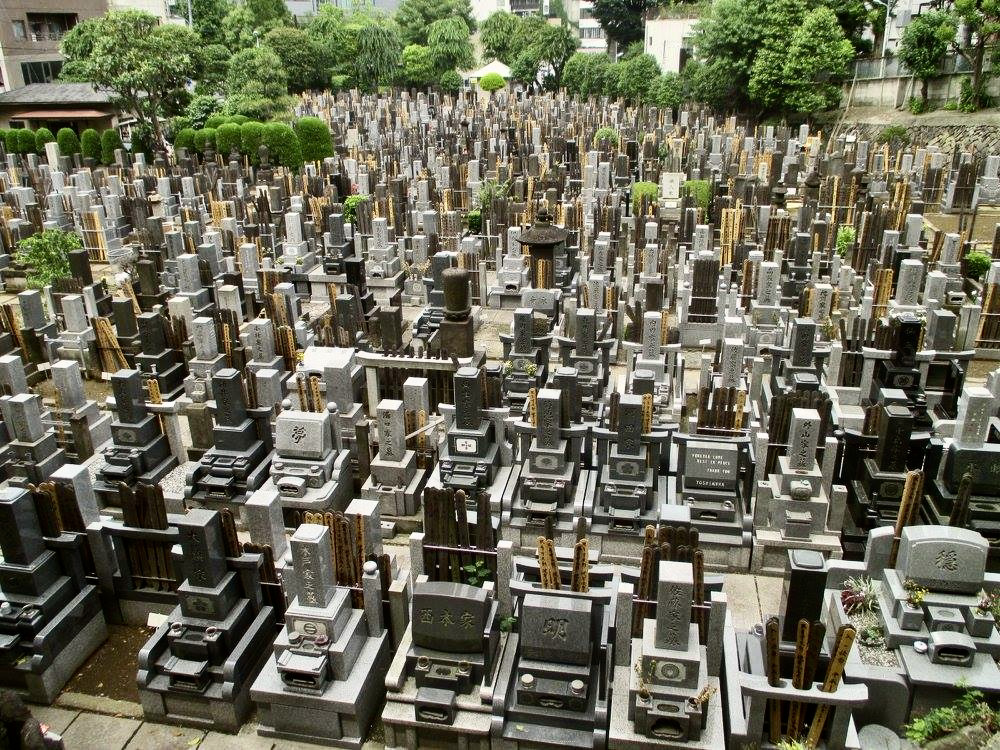
A suprising sight in the middles of the bust city remind you to slow down and enjoy your days. This Cemetery was established in 1874 and the the final resting place for thousands of departed loved ones.

Ramen (ラーメン)

15. Ramen (ラーメン)

Ramen and Soba bowls have a long history in Japan that connects to both world wars and the industrialization of a city needing quick delicious meals. In Tokyo, you should be trying one or two bowls daily. Bowls cost about 600-1,200 yen ($4-8 USD) each and can be order and served for a quick and efficient meal.

Kabukicho (Red Light District, Kabukichō, 歌舞伎町)

16. Kabukicho (Red Light District, Kabukichō, 歌舞伎町)

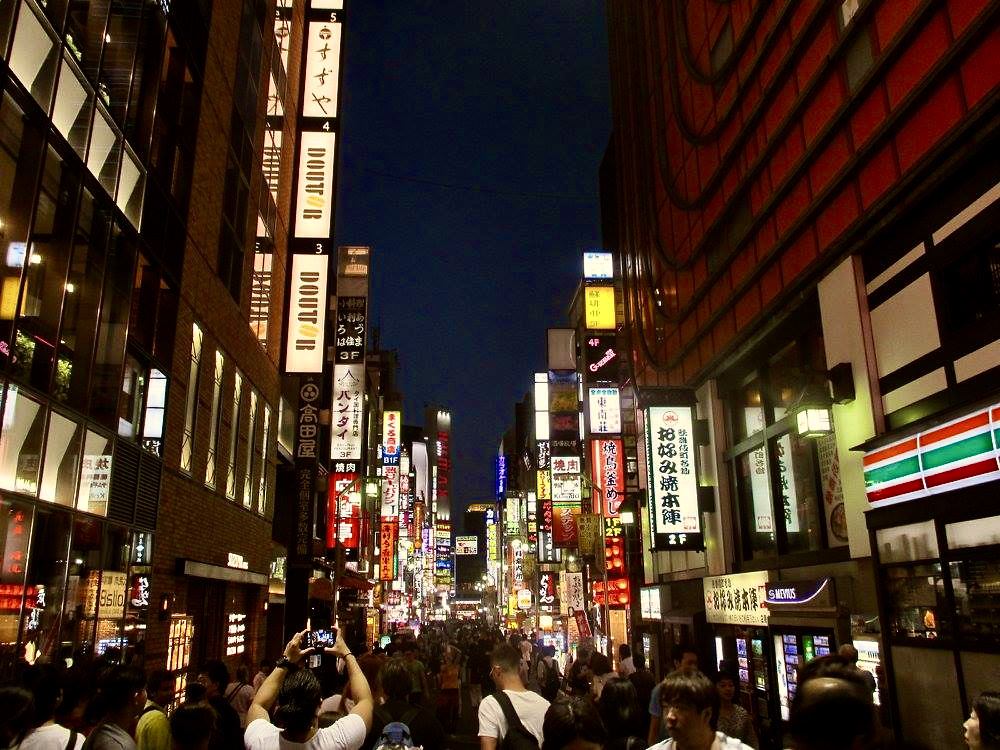
This busy district is family friendly by day and turns adults only after the sunsets. Its filled with shopping, restaurants, ever glowing neon signs, karaoke bars, dance clubs, strip-clubs, and private love hotels (In these institution prostitution sometimes occurs). Please Be Cautions of the allure of an overly friendly or pushy sales reps here, I have read they can target tourists and have been reports of drugging.

Takoyaki Stall (たこ焼き or 蛸焼)

17. Takoyaki Stall (たこ焼き or 蛸焼)

These grilled octopus stands can be found flaunting their delicious fragrances all over the city in markets. They are offer grilled batter balls filled with a variety fish, octopus, ginger an topped with veggies and sauce.

Peace Poll (ピースポール)

18. Peace Poll (ピースポール)

These fantastic little monuments were a Japanese brainchild that grew to become a world wide symbol. They symbolize the hopes and dreams of the entire human family and usually have a few translations for the same sentiment: ‘May Peace Prevail On Earth.’ Their originate form a Japanese philosopher, Masahisa Goi, from the 1980s.

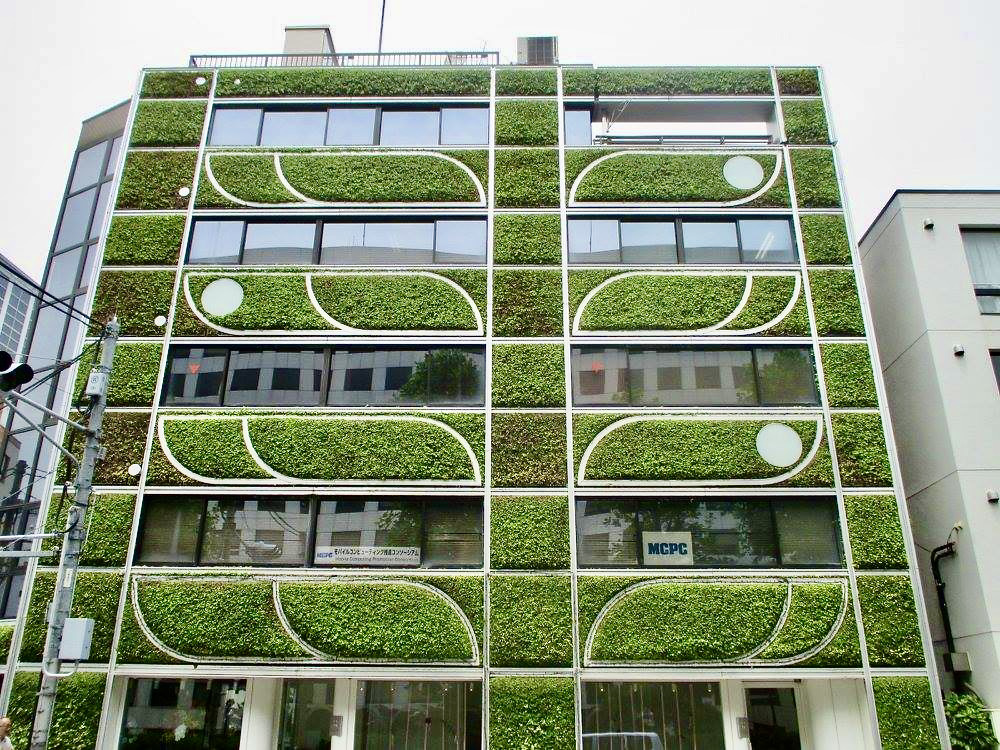
Hasegawa Green Building

19. Hasegawa Green Building

Hasegawa Green Building is a great example of unusual and creative architecture found all over Japan. The building constructed in 2009 showcases Japanese ecological architecture. Its currently a headquarters for a tech company: モバイルコンピューティング推進コンソーシアム(MCPC).

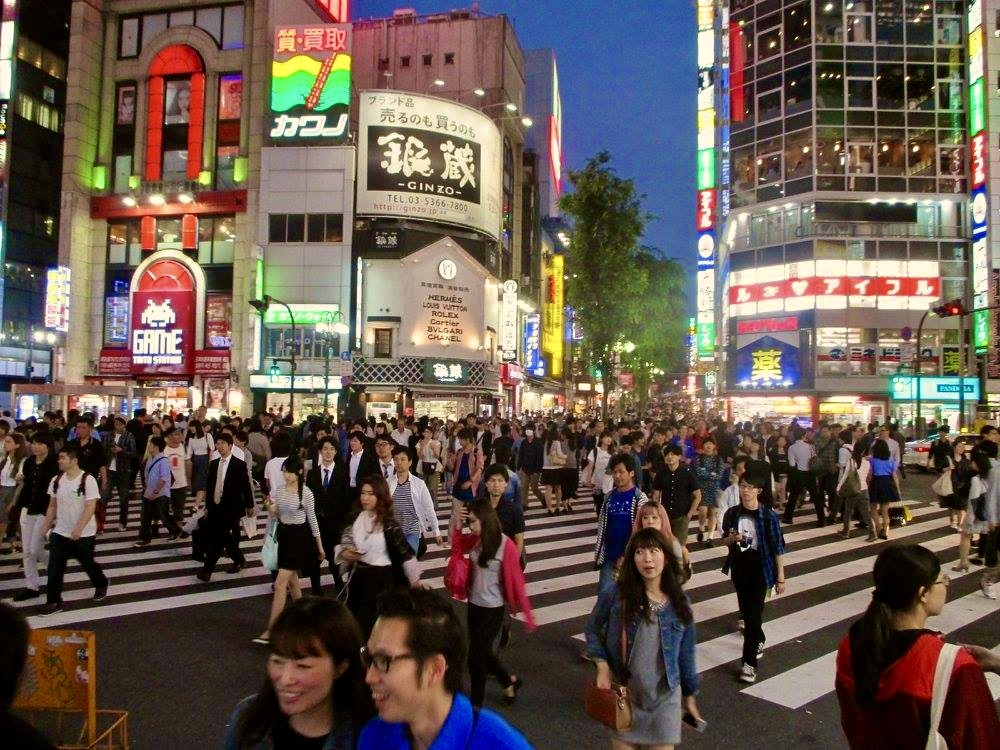
Shibuya Crossing (渋谷スクランブル交差点, Shibuya sukuranburu kōsaten)

20. Shibuya Crossing (渋谷スクランブル交差点, Shibuya sukuranburu kōsaten)

A sight that must be observed during rush hour. The Shibuya Crossing is located in one of the busiest parts of Tokyo and as many as 3,000 people can cross at once. It’s the busiest crosswalk in the world.

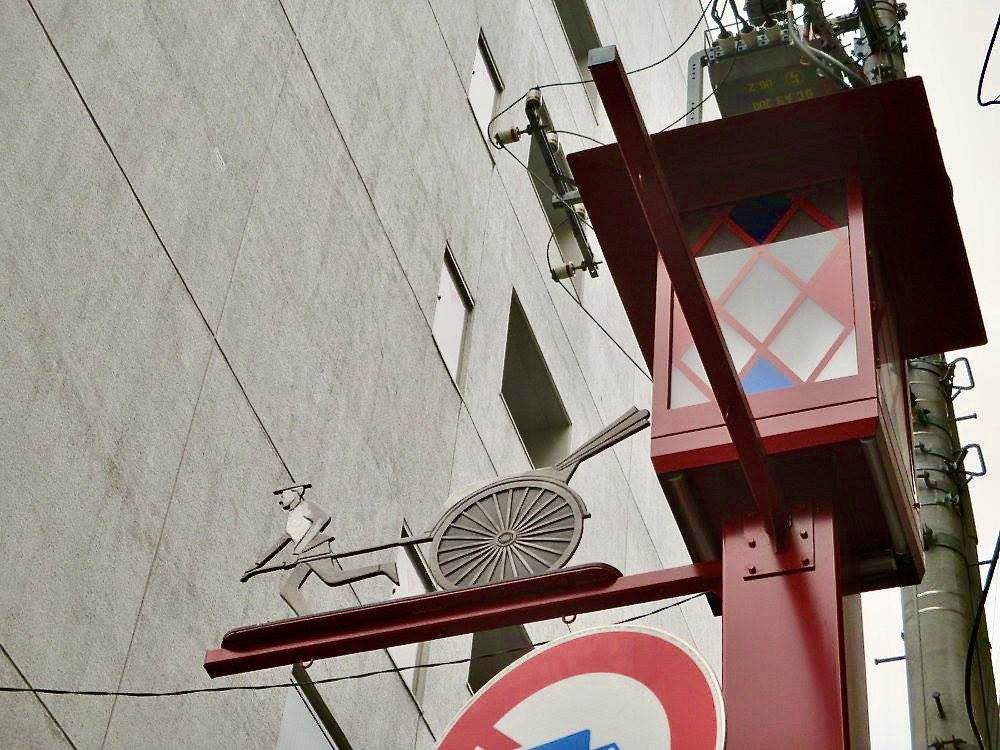
Rickshaws (人力車)

21. Rickshaws (人力車)

Also called a pedicab, these 2 wheel vehicles were invented in Japan in 1869. It became a popular and cheap mode of transport during a time of huge technological growth in Japan.

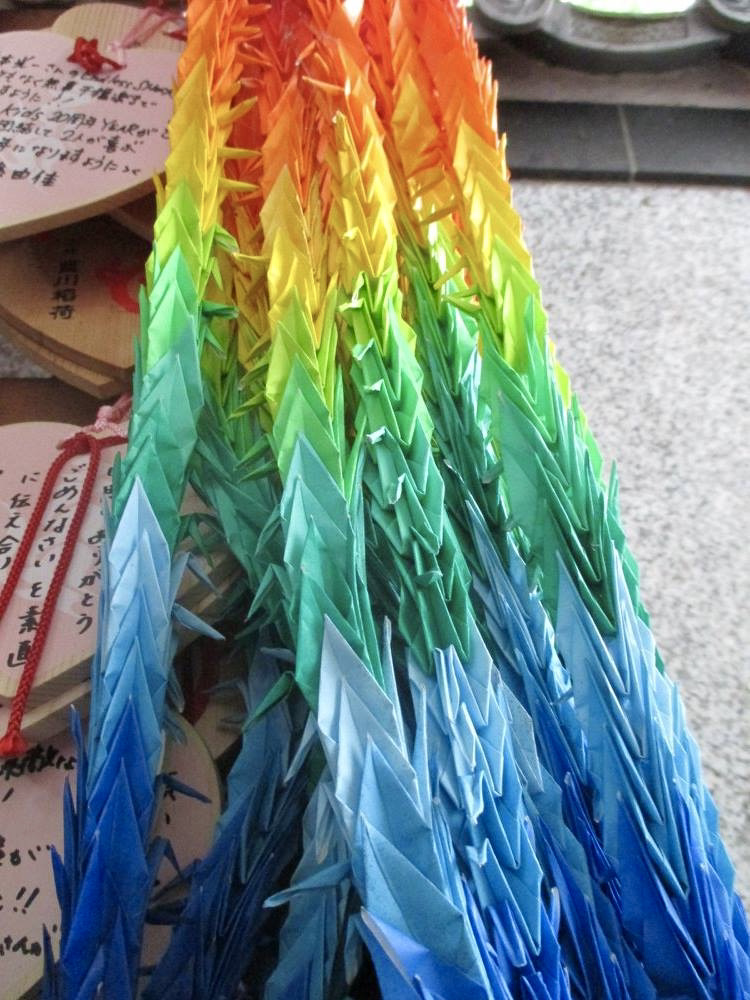
1000 paper crane wish, (千羽鶴 Senbazuru)

22. Paper Crane Wish (千羽鶴 Senbazuru)

A legend says that if one folds a thousand paper cranes (千羽鶴 Senbazuru), they will be granted a wish from the gods. The cranes can be found in shrines around the city and are strung together with string.

5 Gallons Bar

23. 5 Gallons Bar

This extra quirky pub is located towards the end of the Golden Gai. This fantastic pub is filled with eccentric decor and even has an English Menu. They are so beloved they have another diner style location.

Benkei Fly Fishing Club (東京フライフィッシング&カントリークラブ)

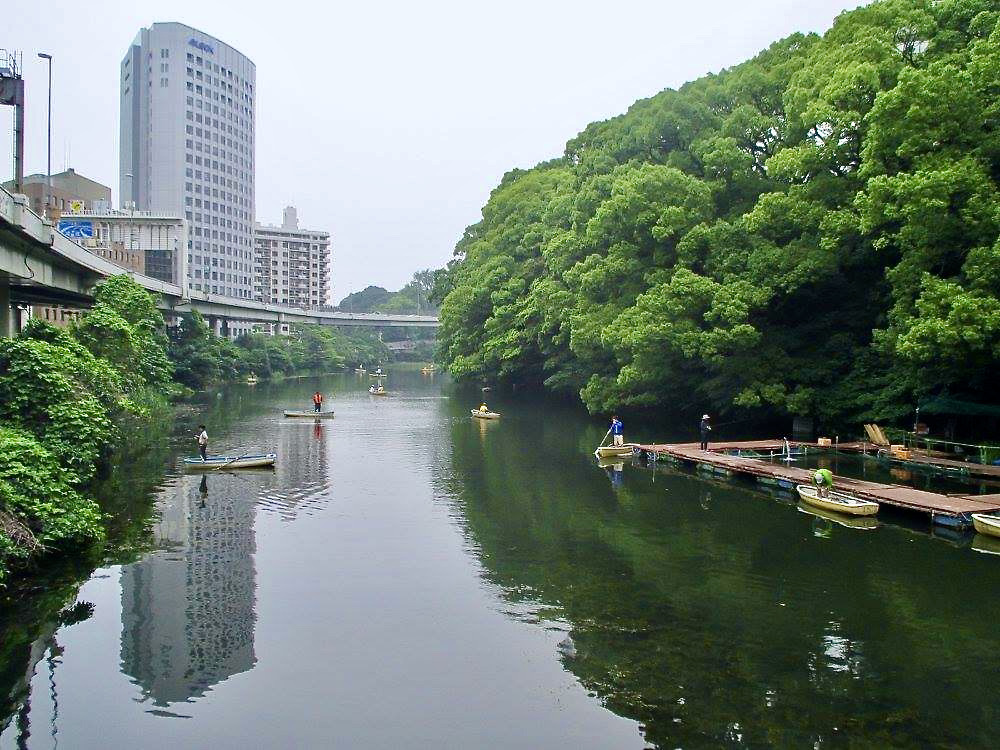
24. Benkei Fly Fishing Club (東京フライフィッシング&カントリークラブ)

A club full of fish lovers. They stock large mouth bass in the Benkei Moat which used to protect the castle. Surround by a buzzing city full of cars and noise. This part of the city is a peaceful place to connect with nature.

Keep Travel Funky.
Top Sights Travel Guide to Kuala Lumpur, Malaysia

Funky Fact: Famous shoe designer Jimmy Choo was born in Malaysia.

Top sites and must see places in beautiful and historic Kuala Lumpur, Malaysia. The perfect bucket list for your next trip with instagram spots and historic facts.

1 Petronas Twin Towers

2. Arulmingu Murugan Statue

3. Putra Mosque

4. Ostrich Encounter

5. Batu Caves

6. Hindu Temple

7. Old KTM station

8. Deepak

9. National Mosque of Malaysia

10. 10. Royal Gate at the National Palace

11. Elephants

12. Jalan Petaling Street

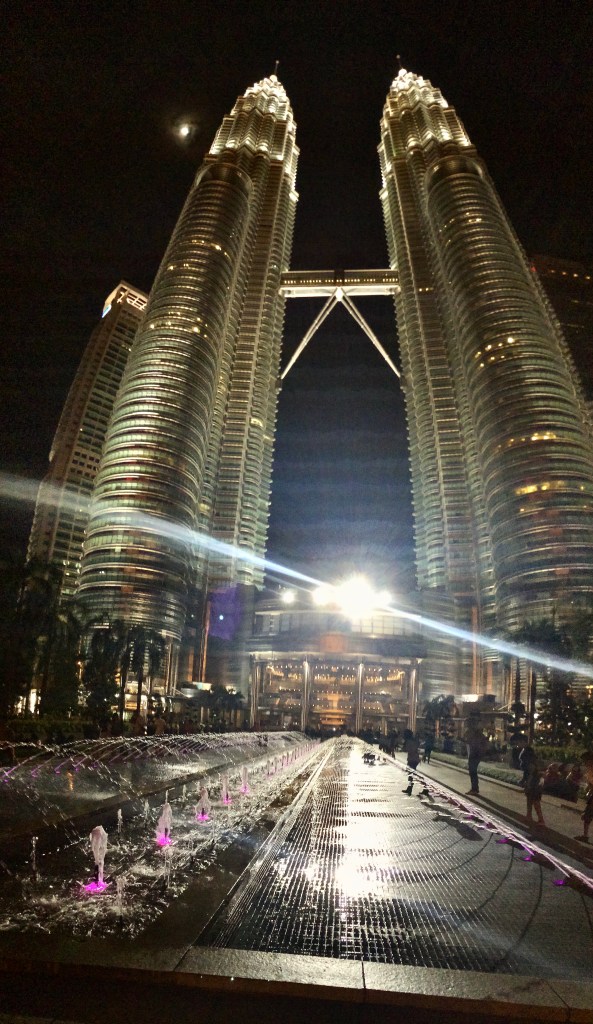
1 Petronas Twin Towers

Petronas Twin Towers or KLCC Twin Towers, are 88-storey supertall skyscrapers. A little cool fact is that 5 stories are actually underground. Built to showcase Malaysia’s increasing wealth and the nation’s desire to feature more prominently on the international stage. Be sure to visit the observation deck at the top.

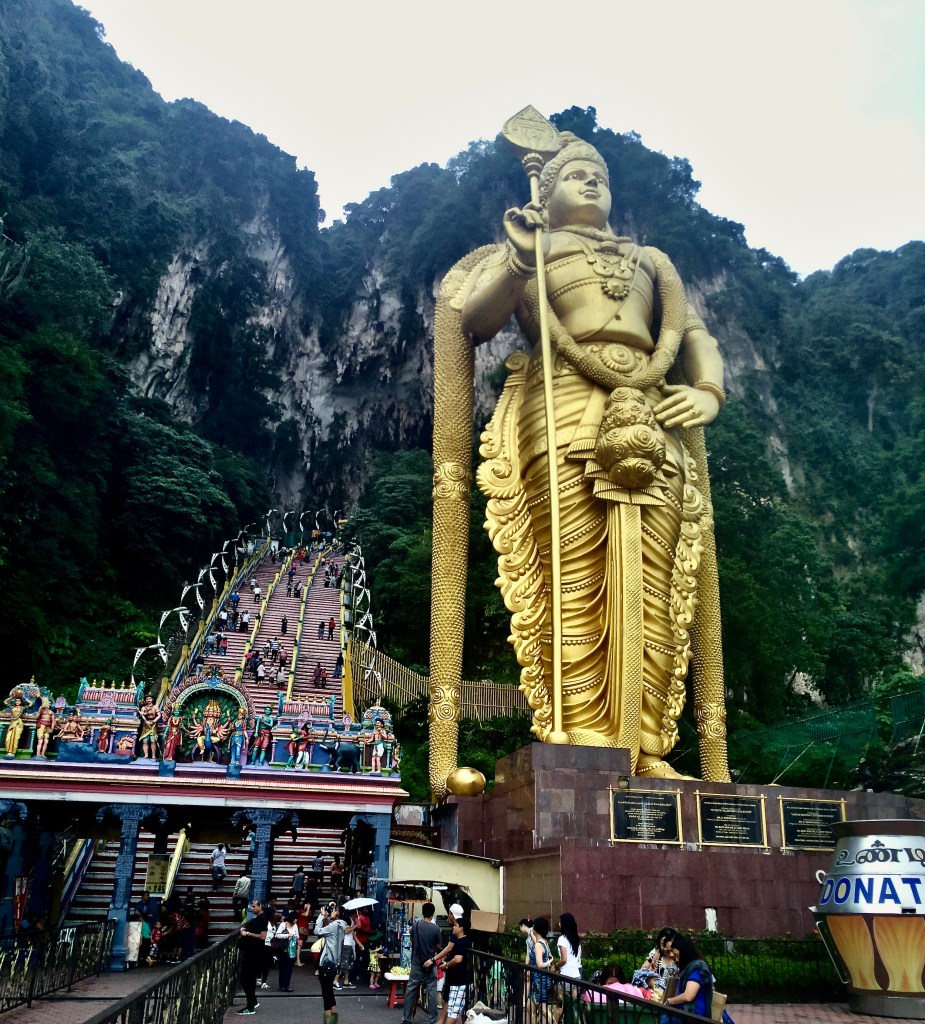
2. Arulmigu Murugan Statue

This stunning statue is made from reinforced concrete and stands 140 feet tall. It guards the sacred caves are dedicated to Lord Murugan. These caves are 400 million years old.

3. Putra Mosque

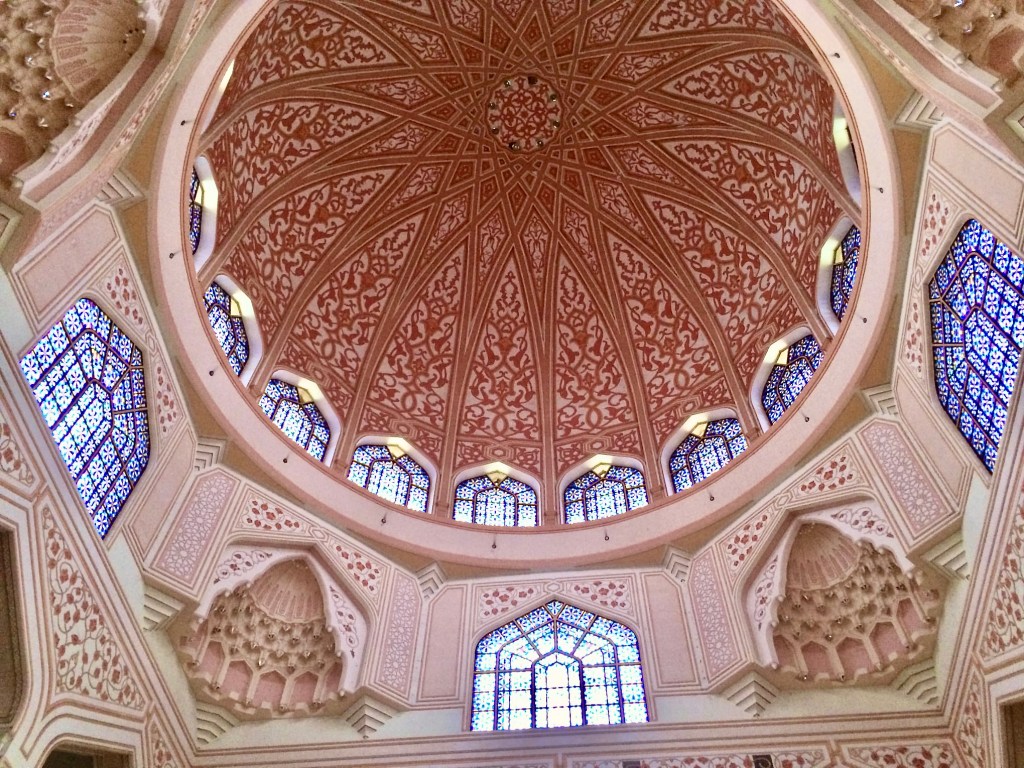
The pink-domed Putra Mosque is constructed with rose-tinted granite and consists of three main functional areas – the prayer hall, the Sahn, or courtyard, and various learning facilities and function rooms. The mosque can accommodate 15,000 worshippers at any one time.

IMG_3633

4. Zoo Visit

Spend a day visiting furry and feathered creatures at on of KLs many animal parks. Visitor can see the KL Bird Park, Langkawi Wildlife Park, Zoo Negara, Farm In The City, Zoo Taiping & Night Safari, Lok Kawi Wildlife Park, KL Tower Mini Zoo, Johor Zoo, Crocodile Adventureland Langkawi, Sunway Wildlife Zoo or Malacca Zoo.

5. Batu Caves

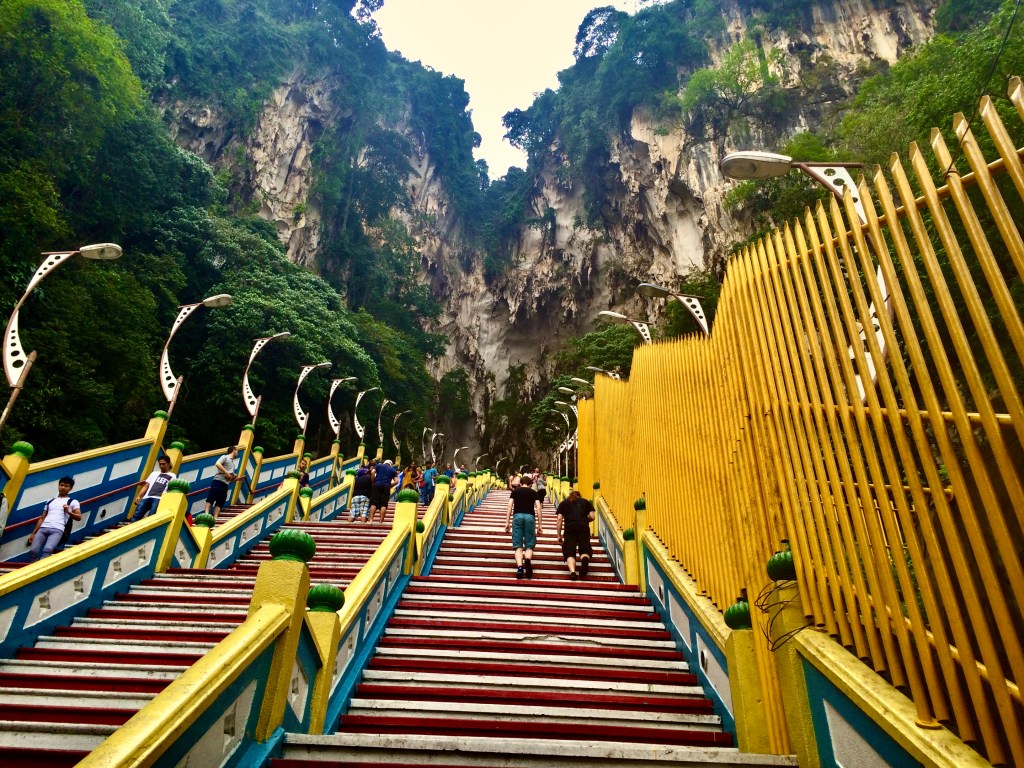
Visitors will marvel at the caves and cave temples formed made of Limestone. Development of the area began in 1920. Your sure to run into cheeky long-tailed macaques everywhere at the Batu Caves. They’re mangy-looking and can be quite aggressive in their scrounging for food, keep your food hidden, and don’t set down your bag.

6. Caves Villa and a Hindu Temple

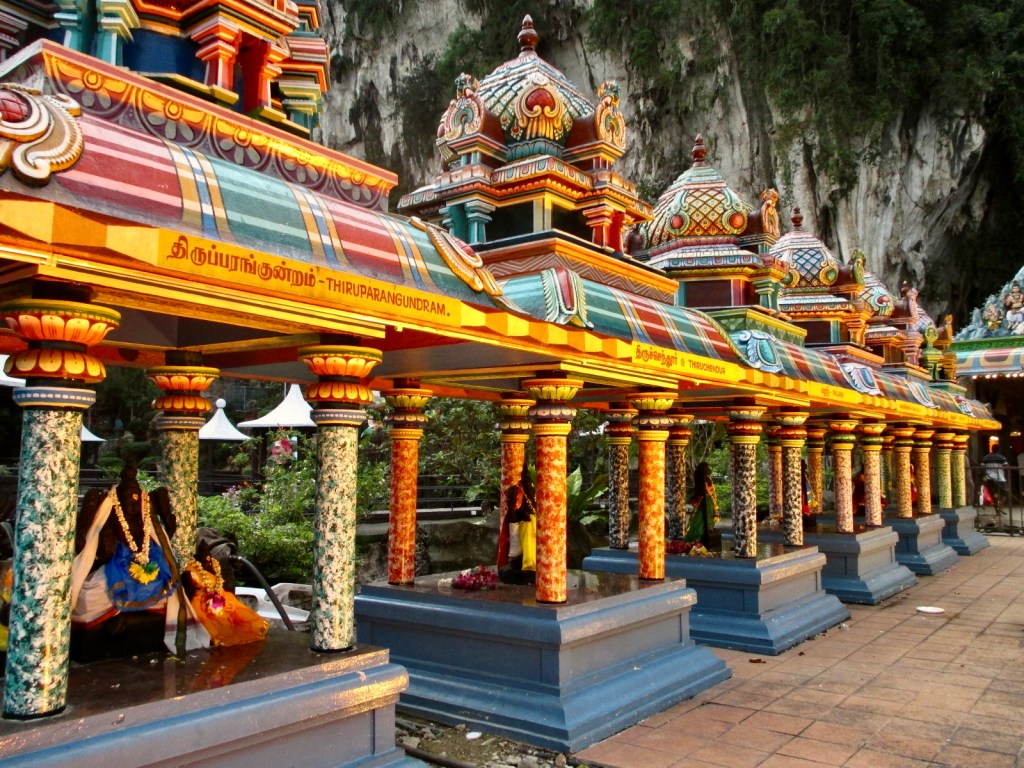
Be sure to visit the temple below the steps to the cave and and check out the lake path, shrines and reptiles in Caves Villa.

7. Old KTM Station

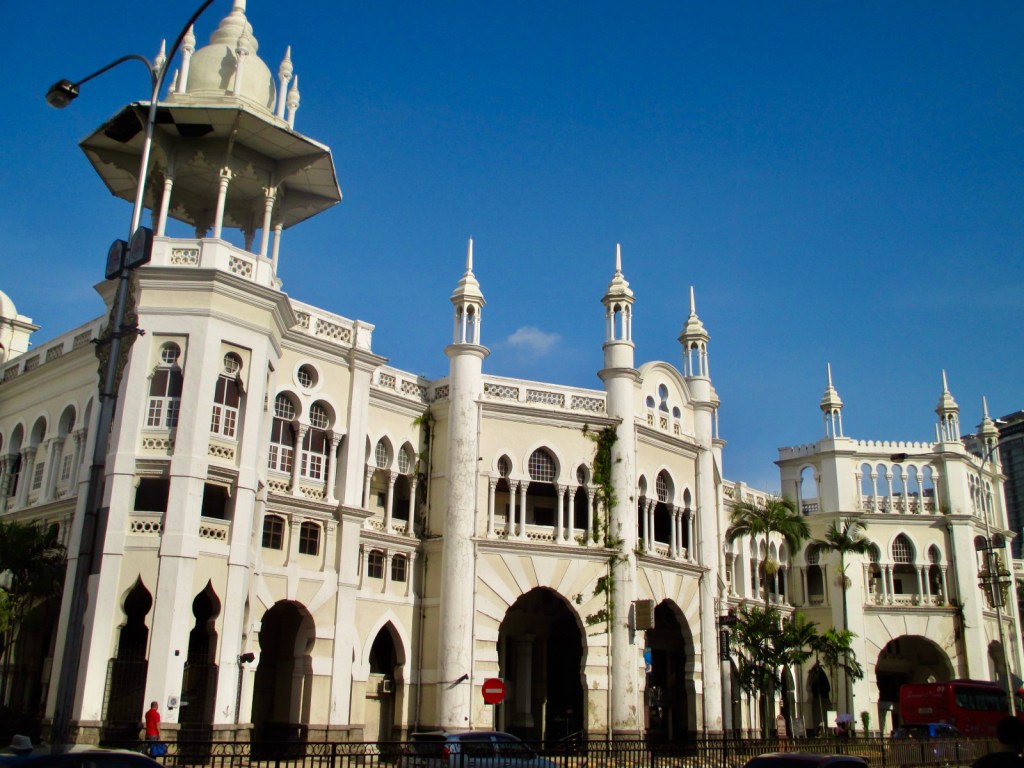
A wonderful architectural gem it the KTM Station was fully completed in 1917. The old station has stunning architecture, that adopts a mixture of Eastern and Western designs.  Visitors will note the horseshoe arches, witch date the building.

IMG_3741

8. Deepak – The Light of Vesak

9. National Mosque of Malaysia

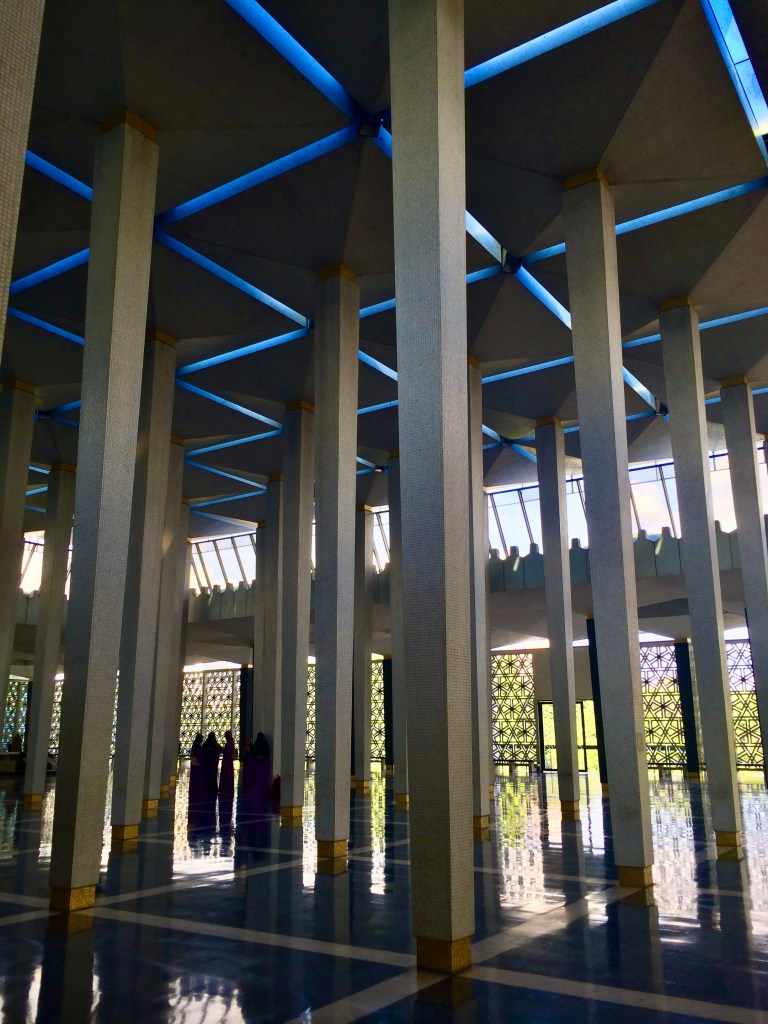
This stunning Mosque has the capacity to host 15,000 people. It also has a 13 acres of garden that is wonderful to visit.

10. Royal Gate at the National Palace

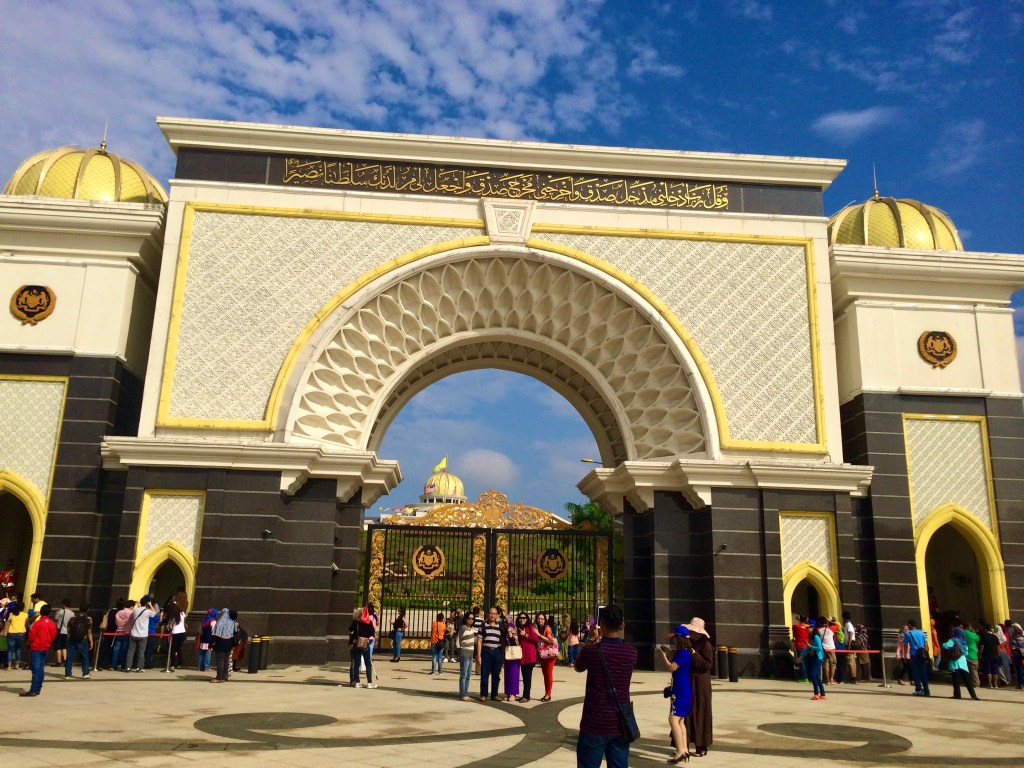
This is where the Malaysian King, referred to as the Yang di-Pertuan Agong, resides. its popular to visit the horse mounted guards that secure the gates.

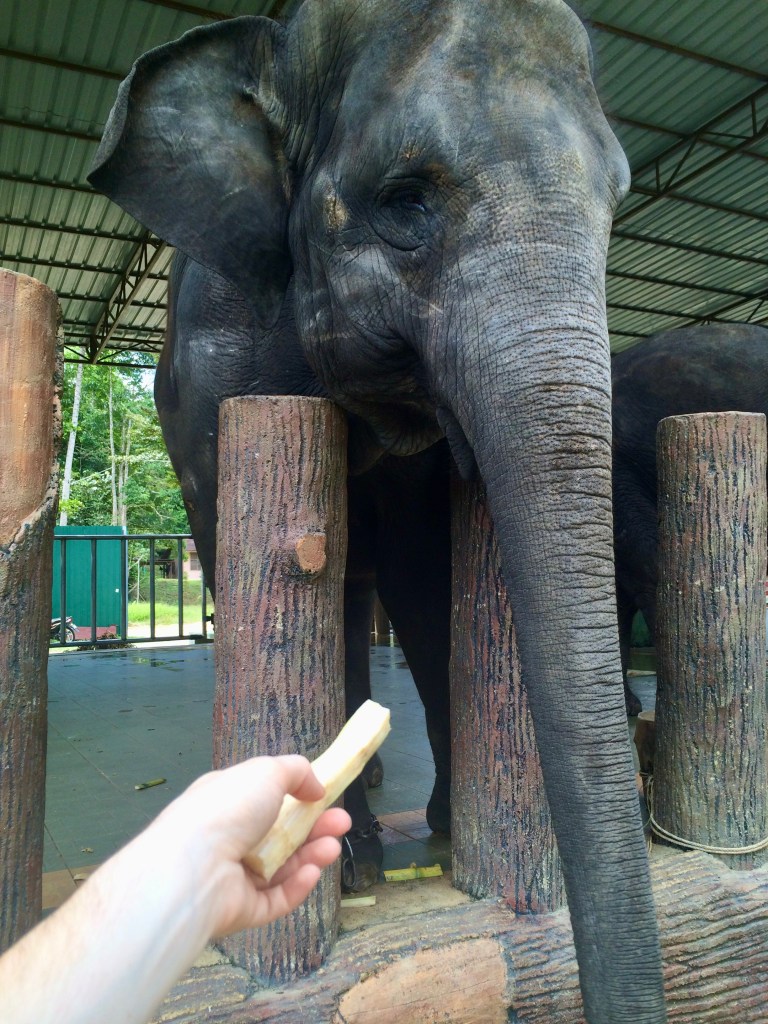
11. Elephants

12. Jalan Petaling Street

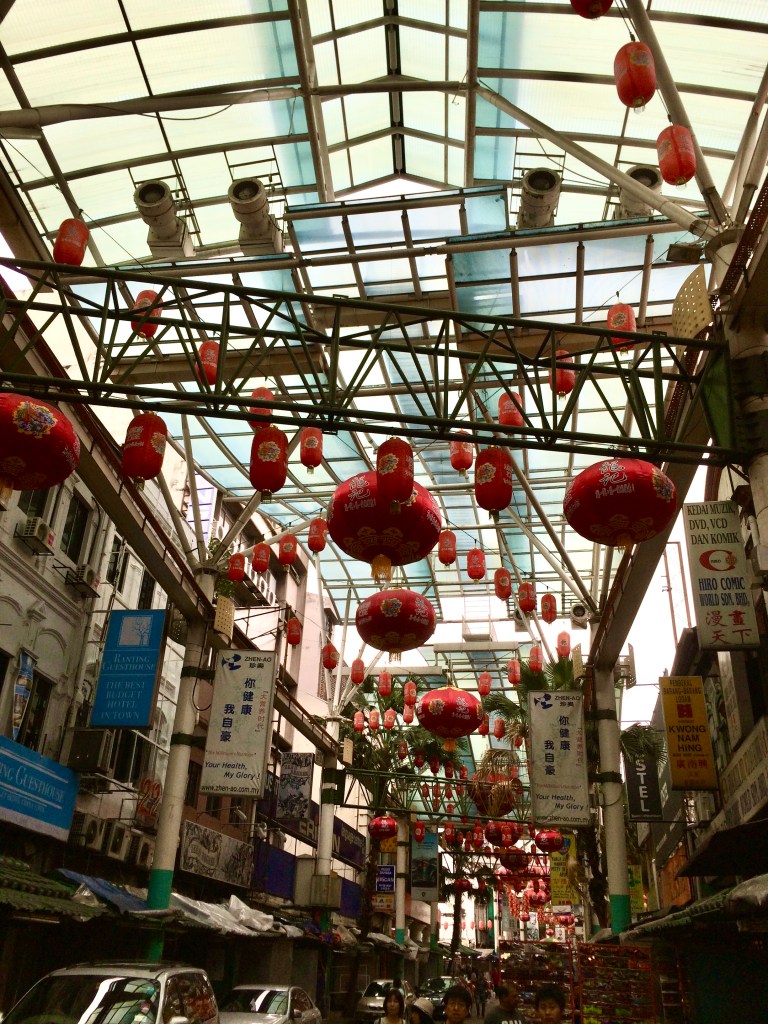
China town is full of clothing and stalls that sell t-shirts, shirts, jeans, pants, shorts, dresses, shoes, belts – as well as dozens of restaurants and food stalls.

A stunning glass and green roof is known as the “Green Dragon”. The street is a pedestrians only shopping mall.

Keep Travel Funky.
Travel Guide to Macau

Cost: Free to wander. Food: $-$$$$

Funky Fact: It’s the second richest territory in the world, this is due to its Casinos.

The top sites in Macau. The ultimate travel guide for culture, hidden gems, and secret sites.

1. Sao Paulo Ruins

2. Largo do Senado (Senado Square).

3. Macau Tower

4. Green Tea Pancakes

5. Bakkwa

6. Alley of Passion (Lovers Lane)

7. St. Dominic’s Church

8. Sonnet to Macao

9. Rua da Ressurreicao

10. Hongyipao Cannons at Monte Fort

11. Joss Sticks

12. Calçada Portuguesa

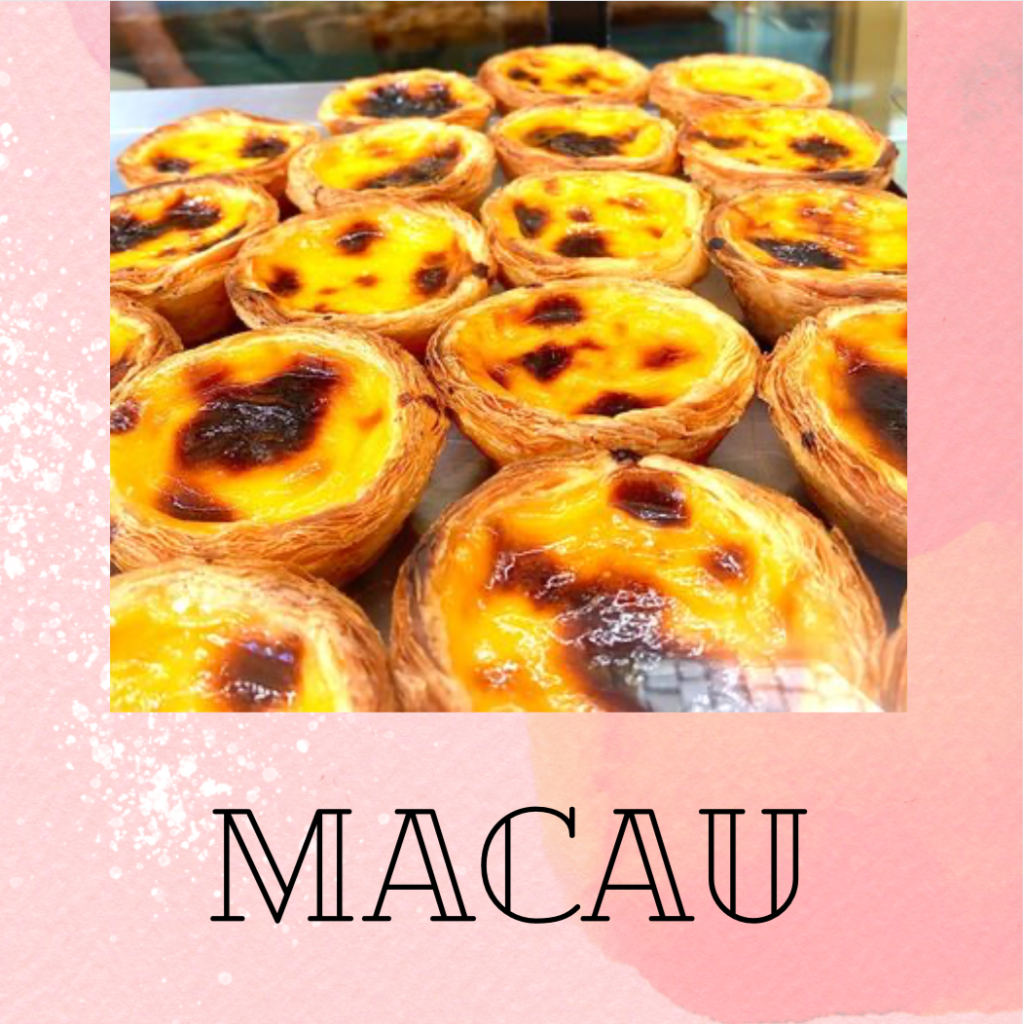
13. Macaus Almond Mung Bean Cookies

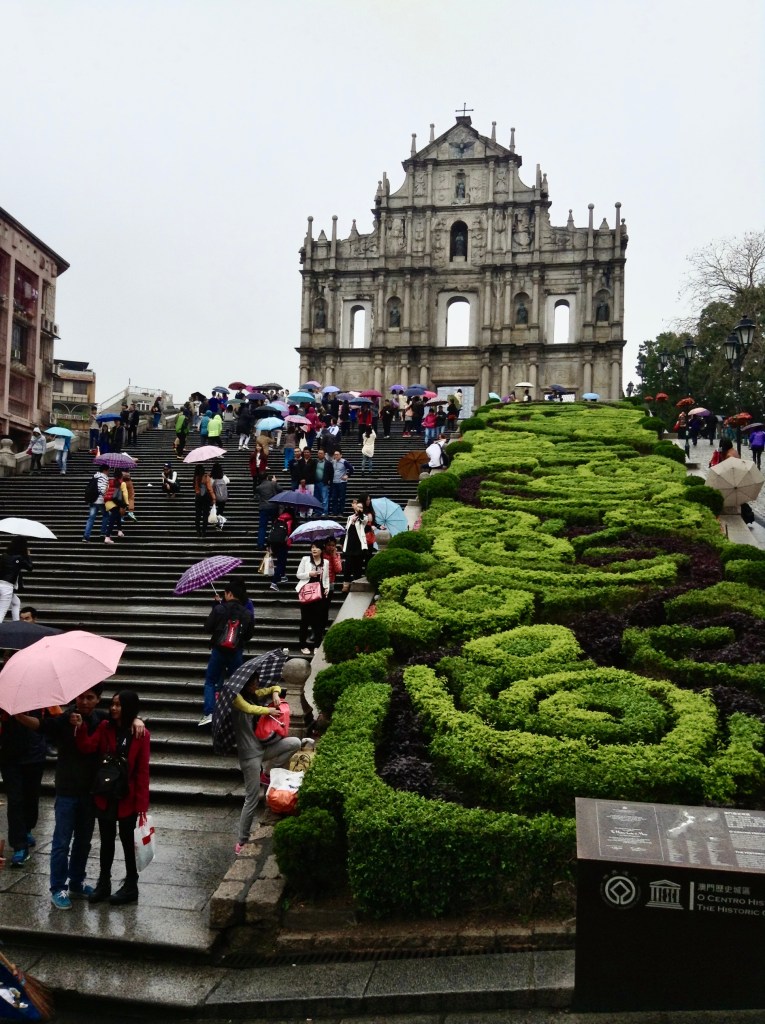
1 Ruins of Sao Paulo

The most famous structure in Macau is only the facade of what was St. Paul’s College and the Church of St. Paul. Construction began in 1602 and it was destroyed during a typhoon in 1835.

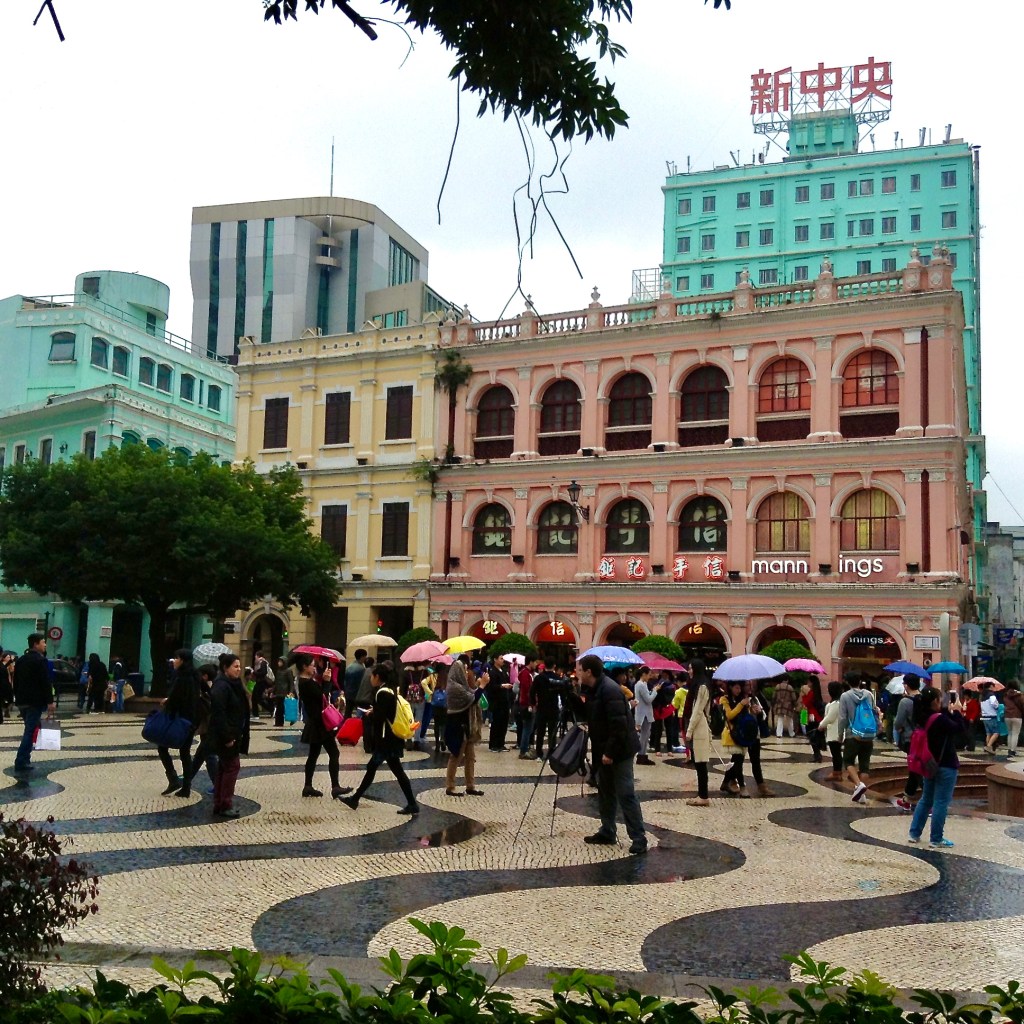
2. Largo do Senado (Senado Square).

With its stunning mosaic streets hand laid in curvaceous patterns.

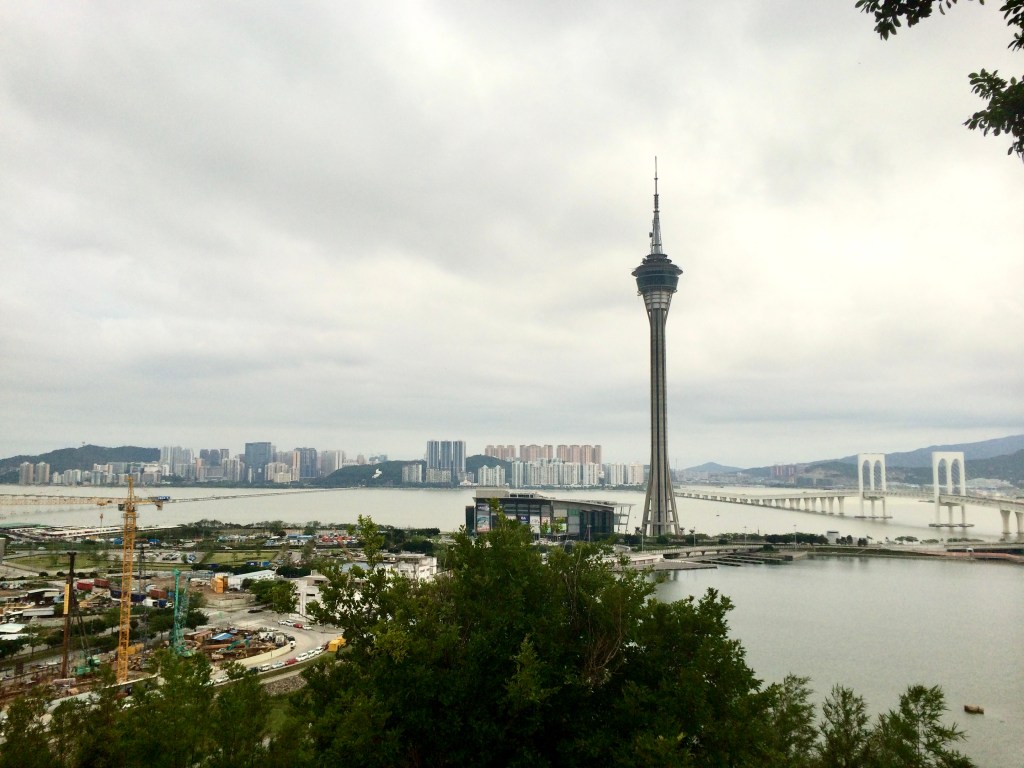
3. Macau Tower

You can enjoy the view from the top or if your a thrill seeker, jump off! The AJ Hackett’s Bungy Jump is a Guinness World Record holder standing at 764ft high.

4. Green Tea Pancakes

These pancakes are made with Red Bean Paste and sold at Paddington House of Pancakes. An unusually delicious adventure for your mouth.

5. Bakkwa

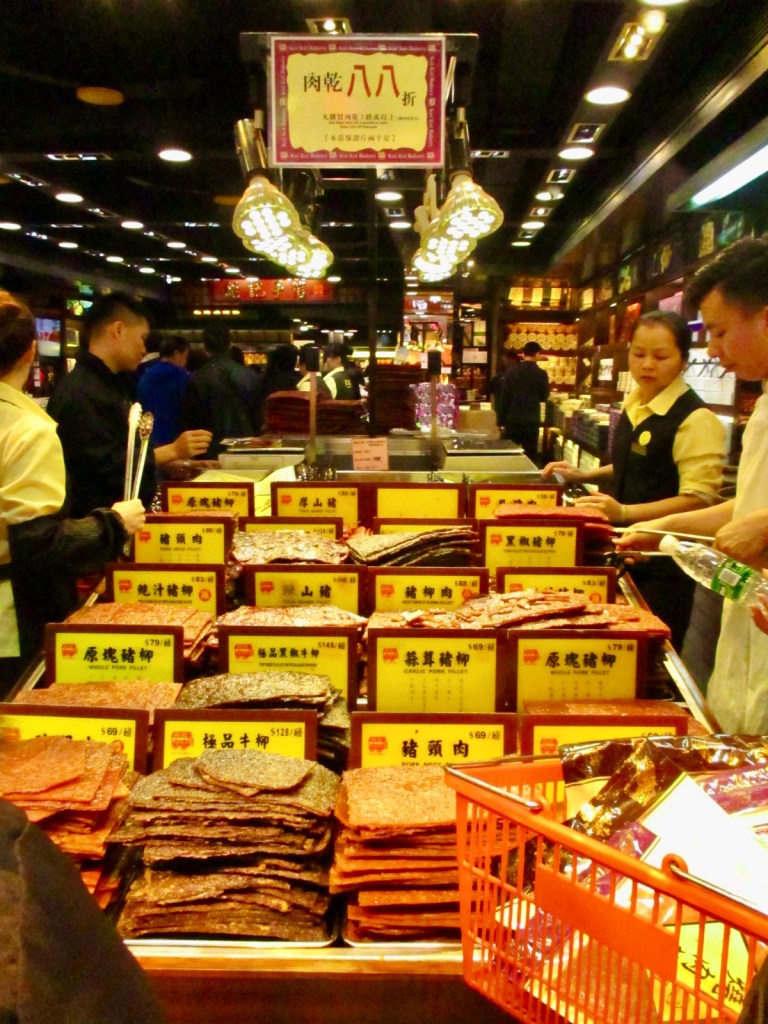
A Macau favorite! This dried meat can be sampled for free by the sales reps lining the street on your way to see Sao Paolo. The taste of bakkwa is salty and sweet its made from pork and is very similar to a thick piece of jerky

IMG_3322

6. Alley of Passion or Romantic Lane

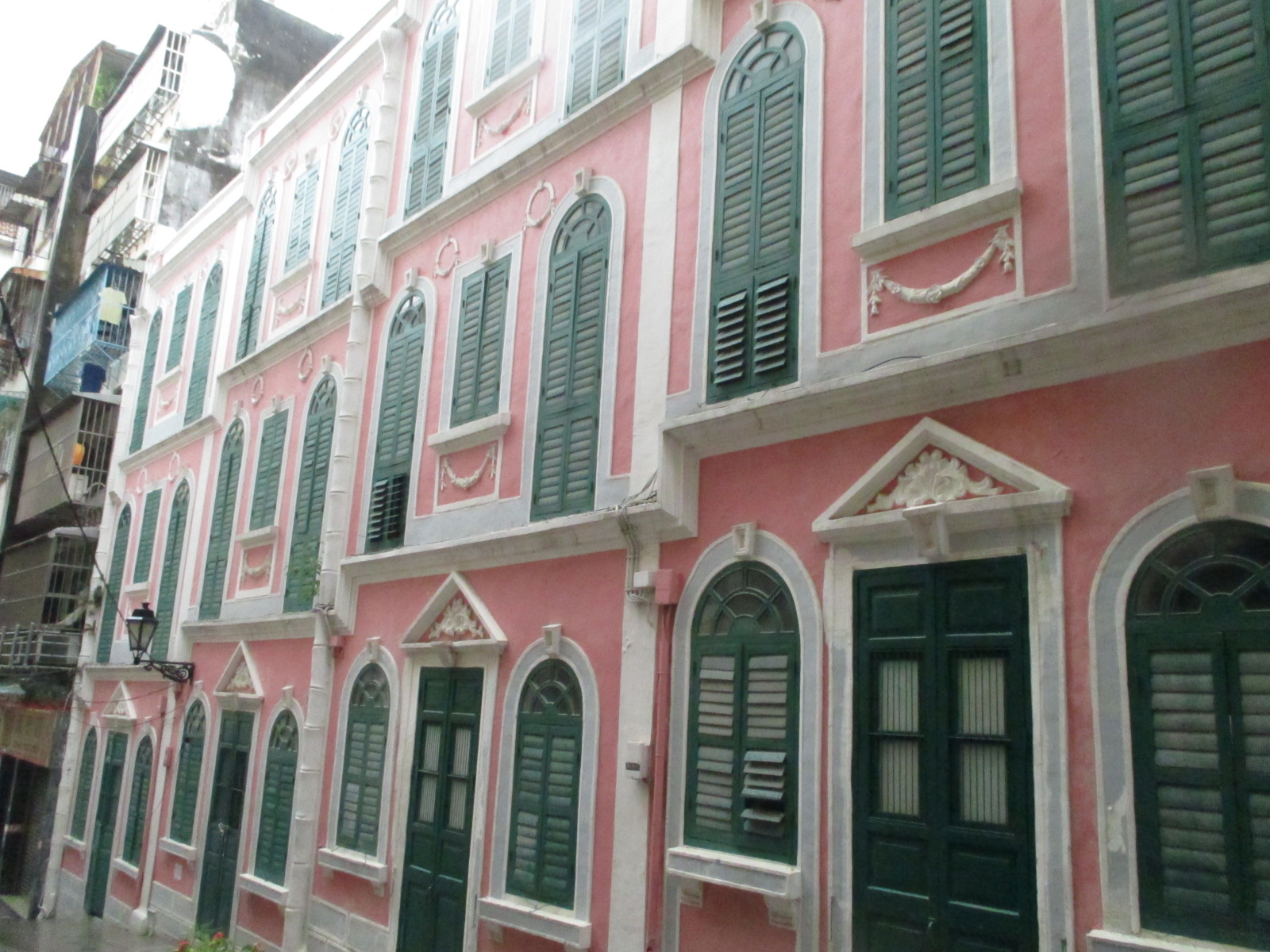
Traditional European shutters and brightly chosen paint enhances the cities beautiful setting. You can find this spot down Travessa da Paixão just off or Rua d. São Paulo. Go fist thing in the morning for fewer tourists competing for the perfect photo.

7. St. Dominic’s Church

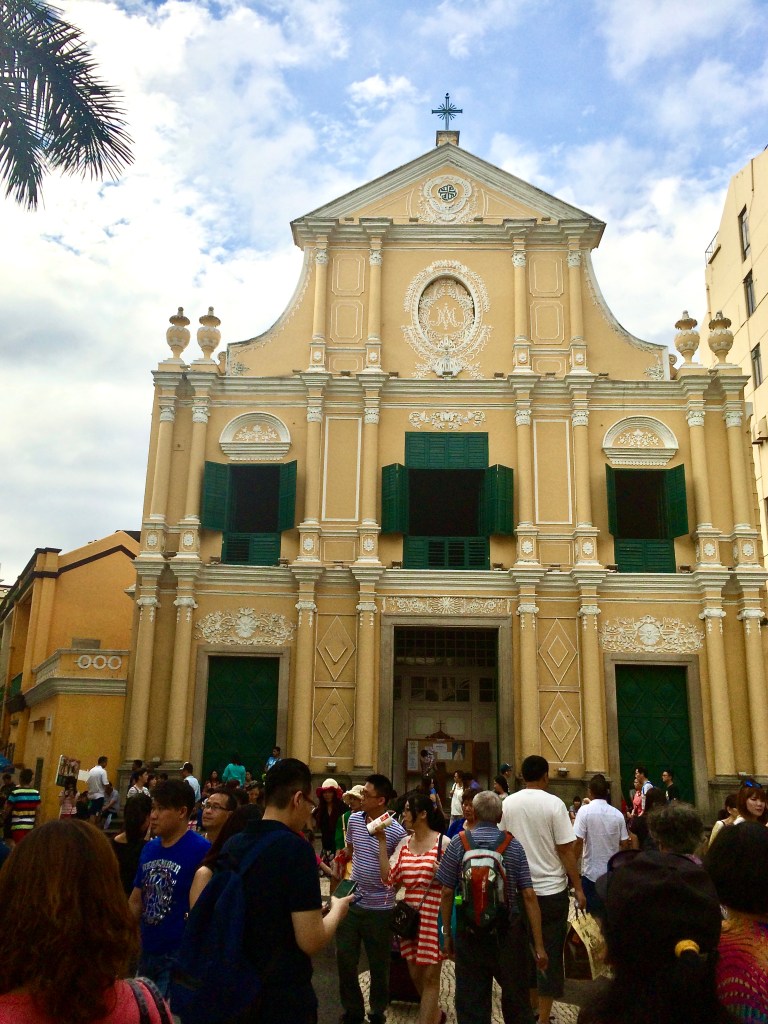
Established in 1587 this Baroque-style church reveals the cities European influence.

8. Sonnet to Macao

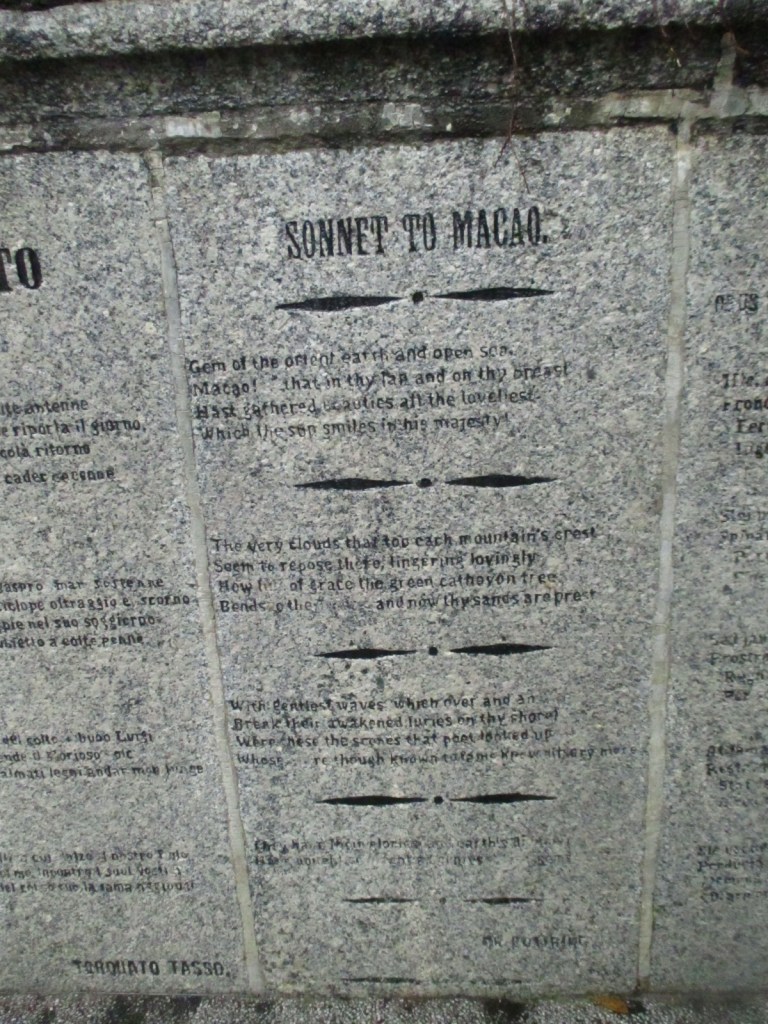
Located in the beautiful Camões Gardens the ode to this stunning city praises its unique qualities.

“Gem of the orient earth and open sea. Macao!”

9. Rua da Ressurreicao

The lively Rua da Ressurreicao is lined with Shopping and food. It’s a must see for sampling local foods.

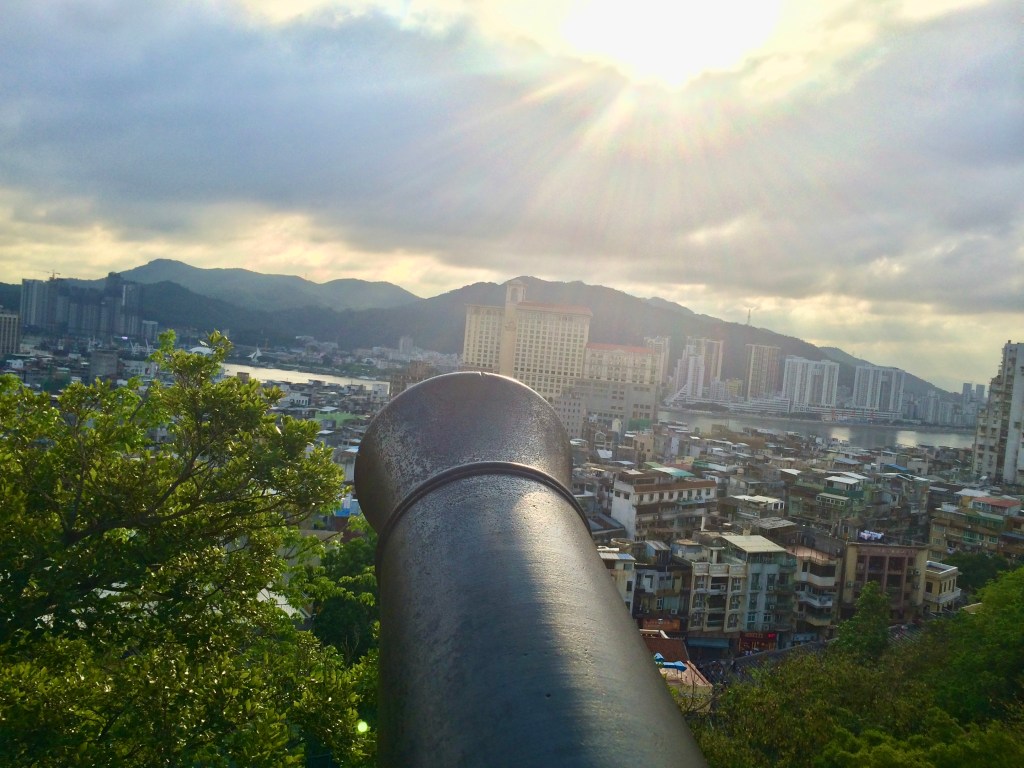
10. Hongyipao Cannons at Monte Fort

Atop a hill is Monte Fort (also called St. Paul’s Fort) it was built in the 1620s for a 2 year siege. The Cannons only saw action once. The style of cannon is known as Hongyipao.

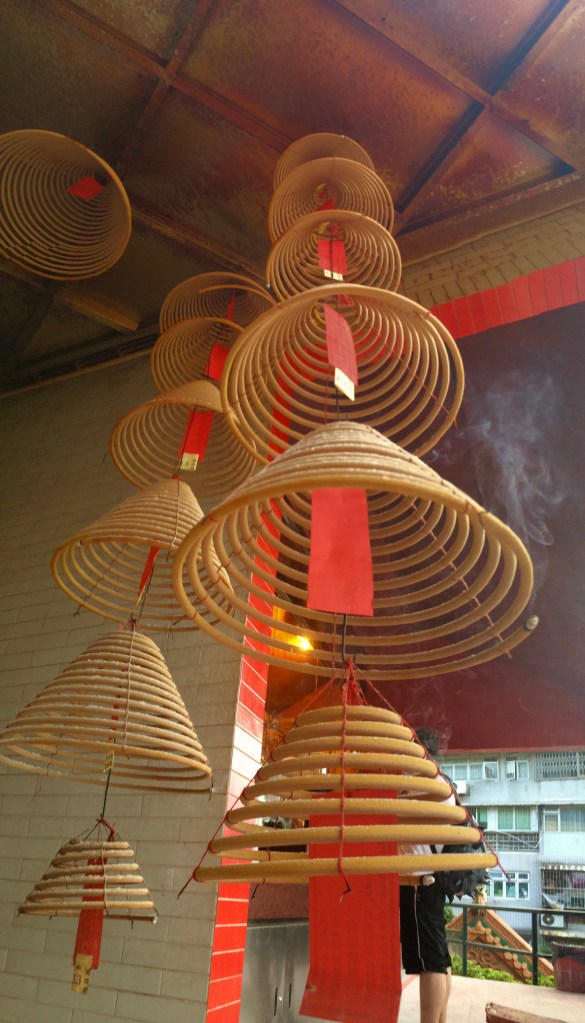
11. Joss Stick Coils

You will see these stunning and aromatic coils as most of the temples in Macau. When lit they burn a wonderful sandalwood scent and burn long and slow for about 6 hours. They are believed to benefit have many uses: offerings, carries wishes up to the creator, can aid in spiritual communication, purify the air and wards off evil spirits

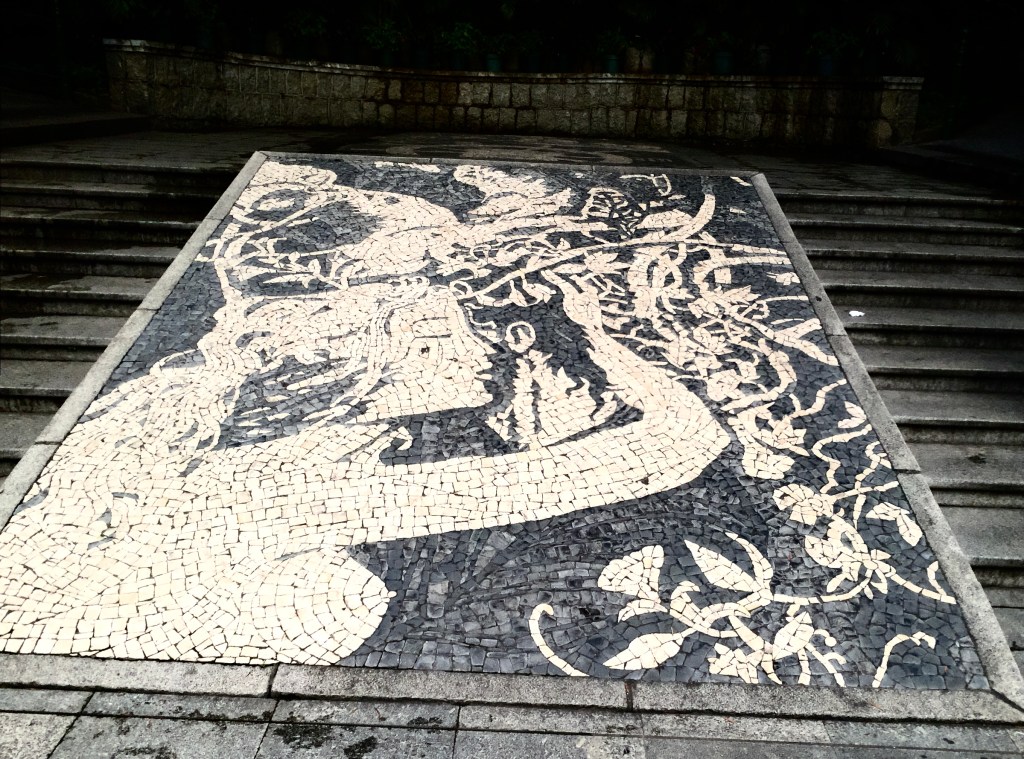
12. Calçada Portuguesa

Calçada Portuguesa is the term for paved black and white street mosaics. These mosaics made with limestone-basalt can be seen all over the city streets they are a reminder of the Portuguese Governance. Macau was a European colony (under Portugal) for over 400 years! Todays Calçada has undergone symbolic regeneration and some imagery now portrays iconography distinct to Macau.

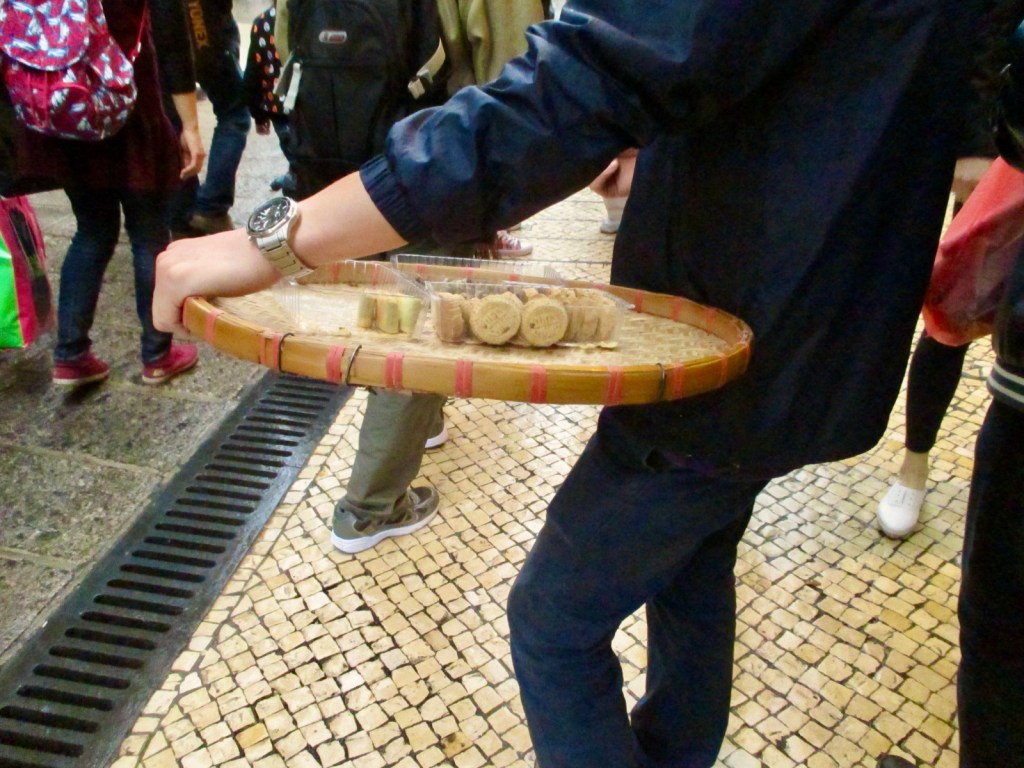
13. Macaus Almond Mung Bean Cookies

Made in bulk for the sweet toothed masses. Bakeries offer free sample of this Macanese treat, and all advertise the best in town. The famous Koi Kei Bakery being one of the most popular artisans.

Keep Travel Funky.
Travel Guide to Siem Reap, Cambodia

The top sites in Siem Reap, Cambodia. An epic travel guide for culture, hidden gems, and secret sites.

1 Samudra Manthan

2. Pub Street

3. Bayon Temple

4. Fish Foot Massage

5. Antiques

6. Temple

7. Night Market

8. Trees

9. Local Painters

10. Fresh Ingredients

11. Colonial Architecture

12. Vishnu

13. Durian

14. Magic Stick Ice Cream

15. Night Market

IMG_5205

1. Samudra Manthan

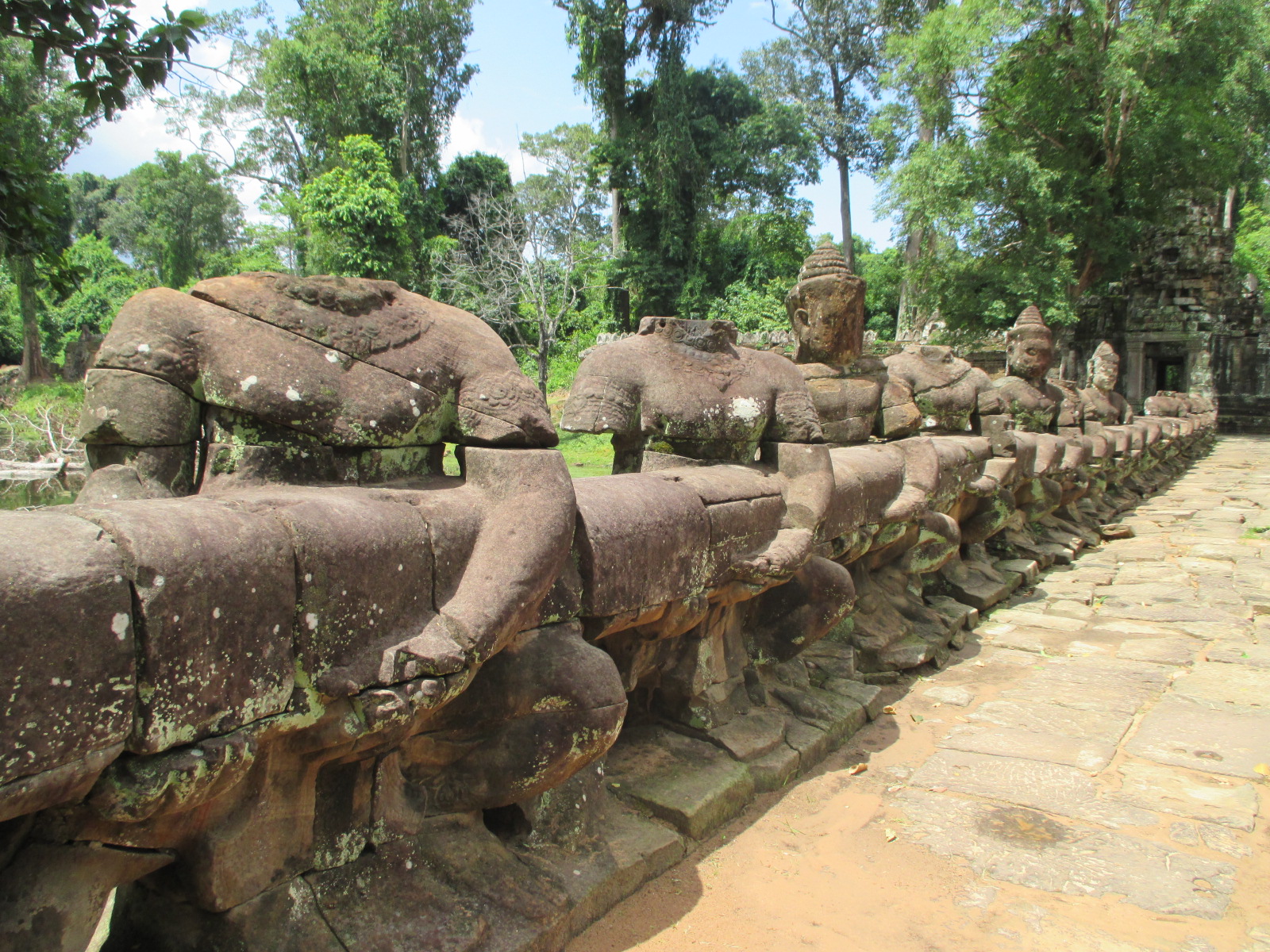
This larger than life size sculpture depicts the Hindu tale of The Churning of the Ocean of Milk. It shows the serpent king as the divine rope. You can find this along the riverside in the Angkor Was complex.

2. Pub Street

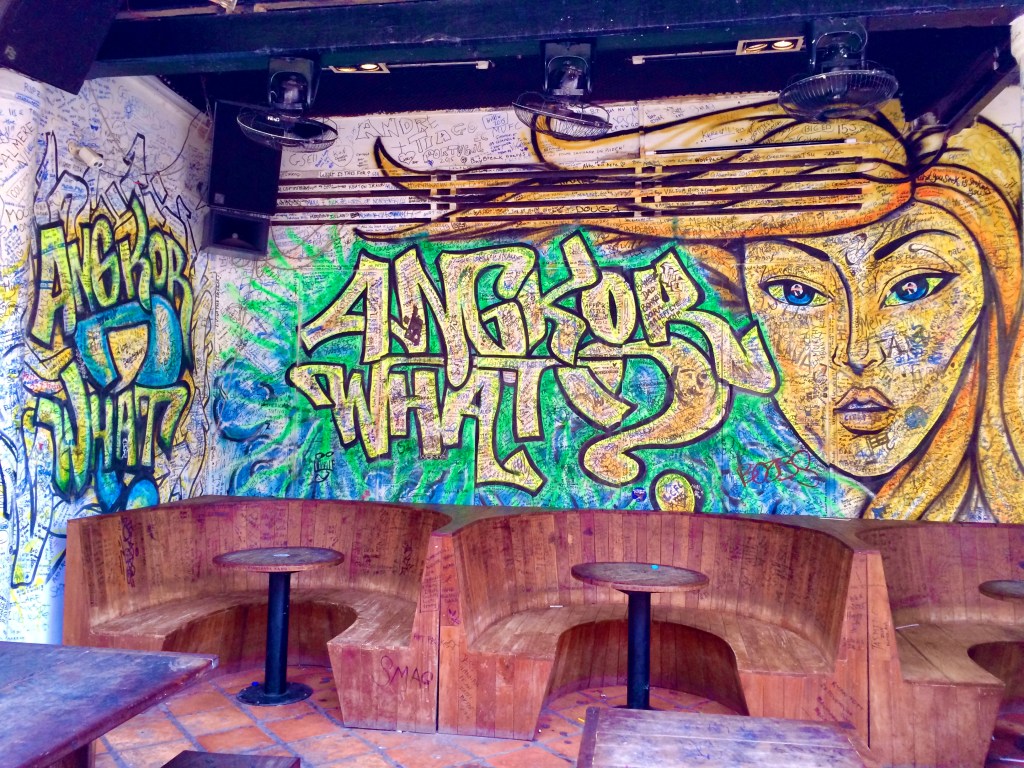
Known as Pub Street or Street 08. This street fills with tourists during dinner and into the night it bumps with music blasting into the night.

3. Bayon Temple

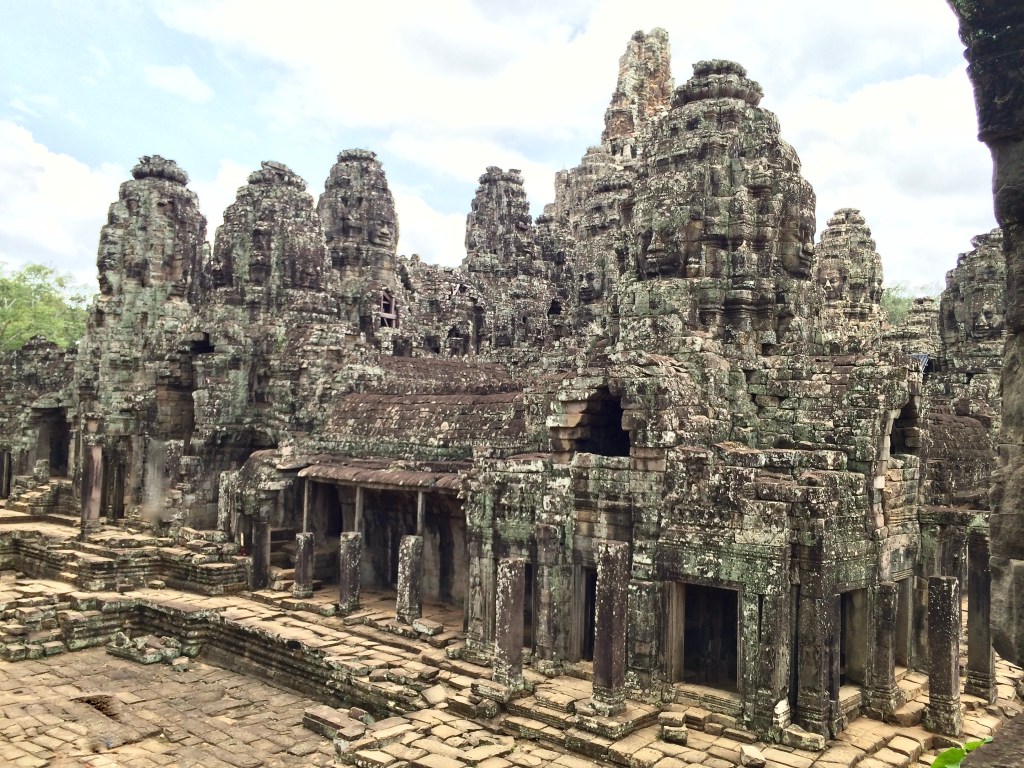
Angkor Was is a massive complex filled with temples. Bayon is my favorite. It’s decorated and was built in the late 12th or early 13th century. There are an estimated 200 faces throughout the maze-like structure.
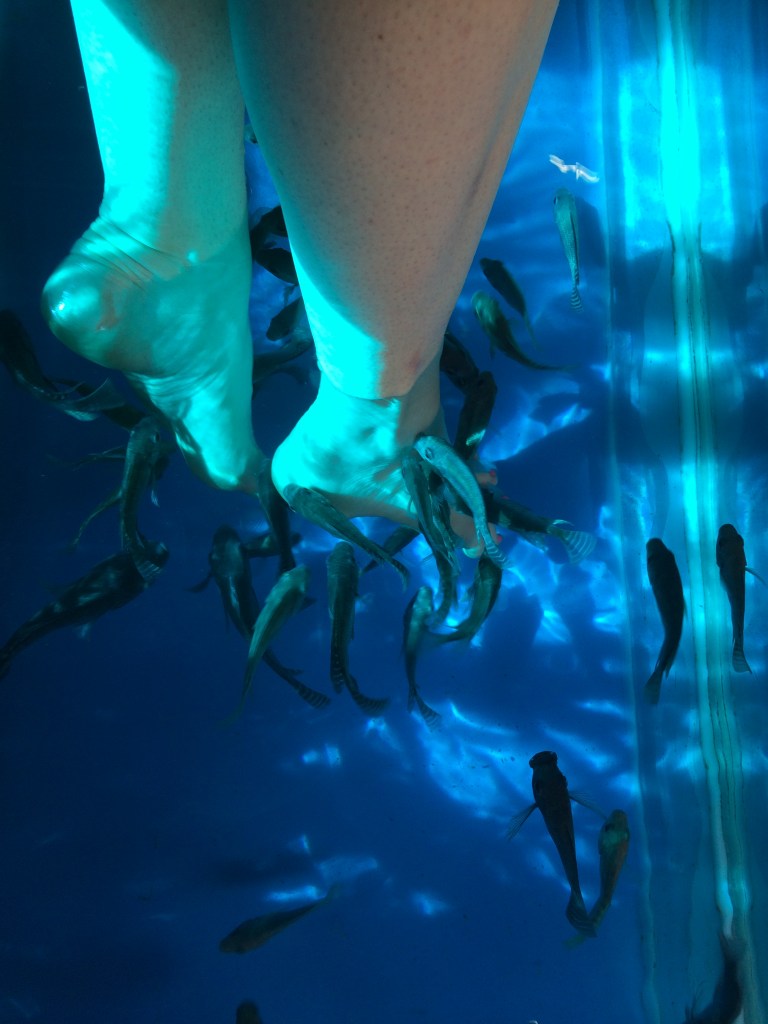
4. Fish Foot Massage

Also knows as a fish pedicure this spa treatment allows visitors to dip their toes into water with hundreds of hungry little fish called Garra rufa. They are also called doctor fish and eat the dead skin cells from your feet leaving them soft and smooth. The process takes about 15 min. and actually tickles a lot.

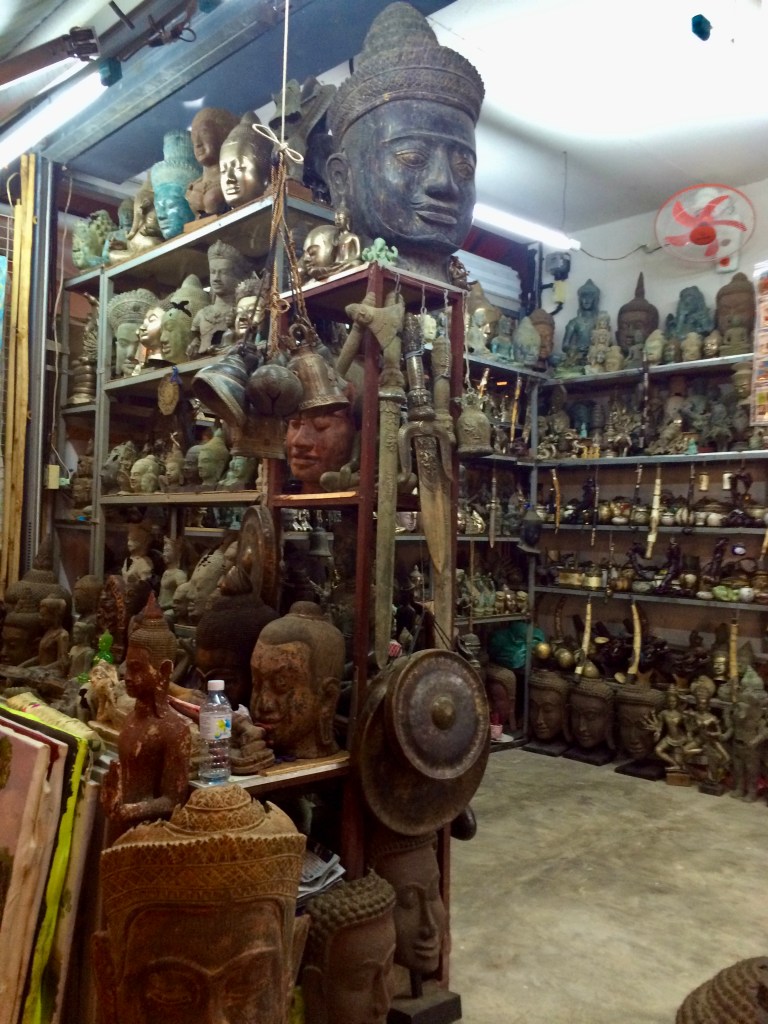
5. Shop for Antiques

Market and stalls are filled with artifacts and antiques for lovers of history.
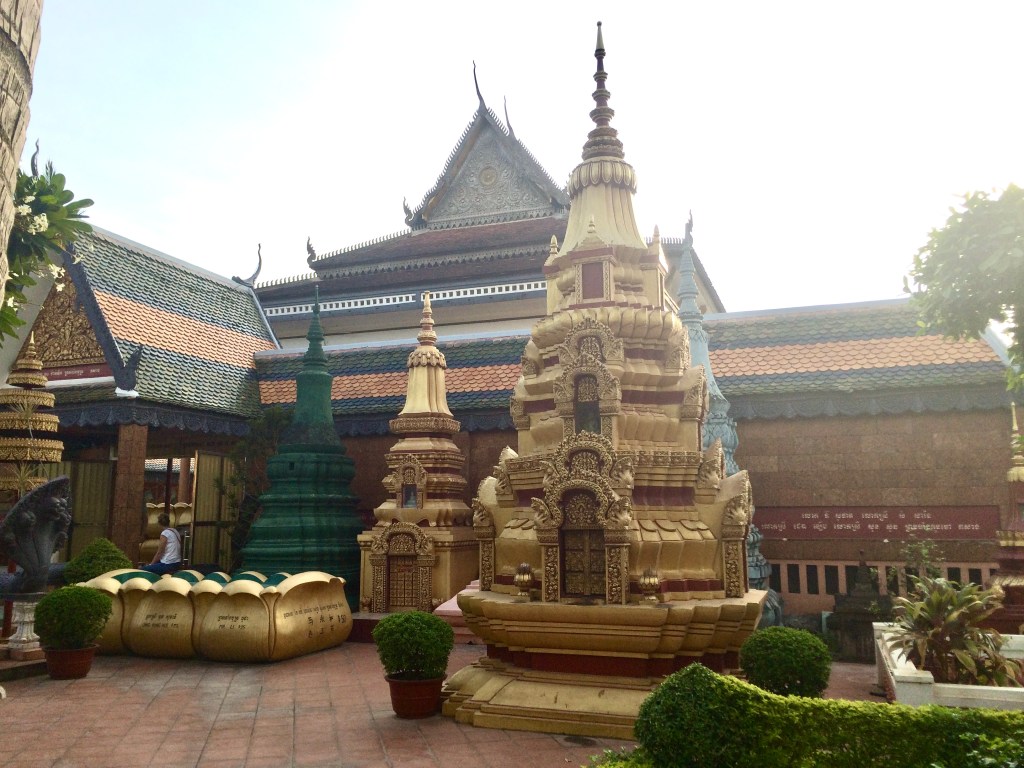
6. Wat Preah Prom Rath
Located next to the river this modern complex is filled with color and glimmering pagodas.

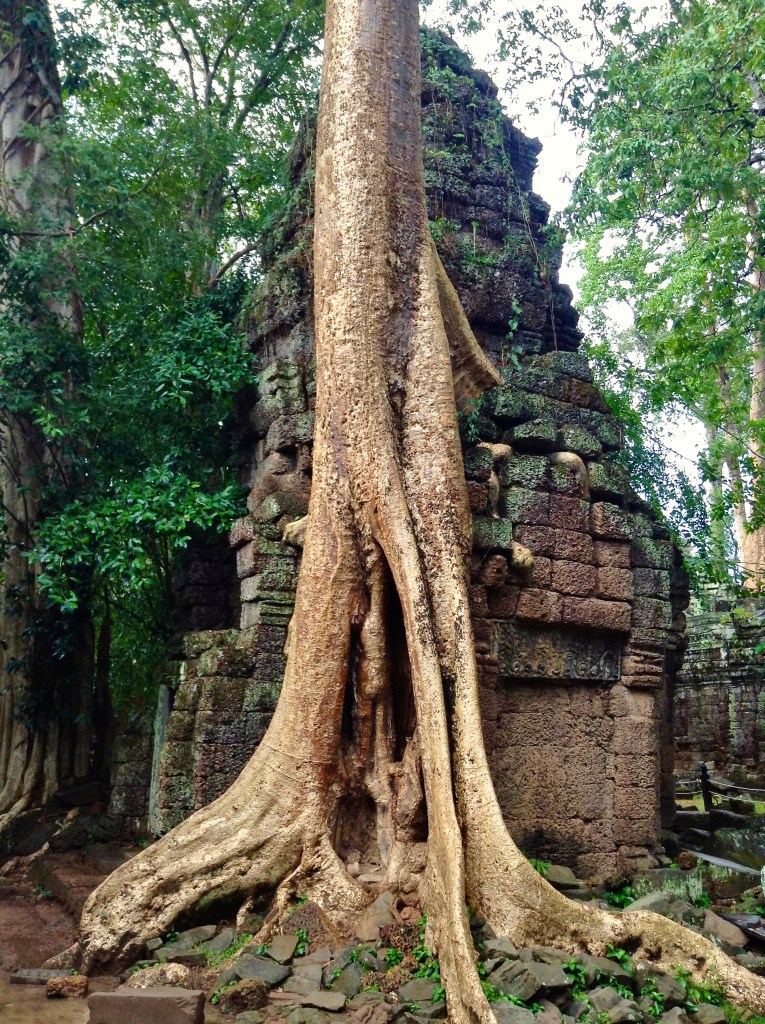
7. Trees

Silk cotton trees, fig, banyan and kapok trees can be seen all over the temples at Angkor was Complex. Some of them are 500 years old.

8. One Dollar Street Carts

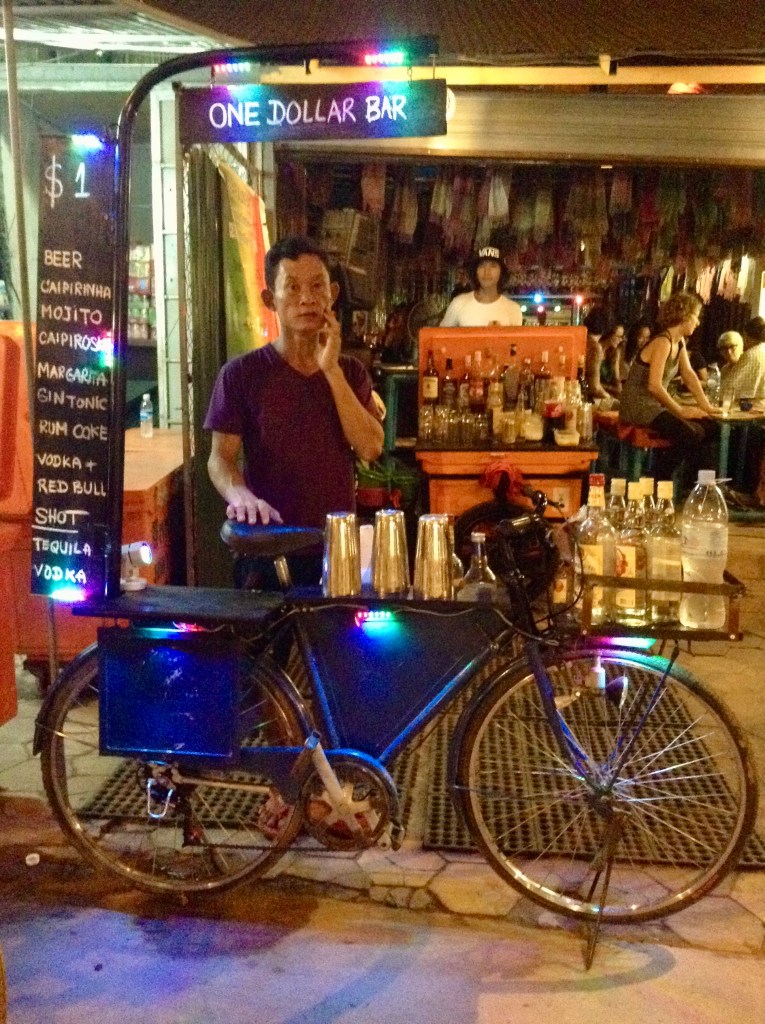
All over pub street are stalls and street carts selling $1 (U.S.D.) food, mixed drinks, shots, and jewelry. Try the street pancakes they are fantastic. US money in small bills is widely accepted in Cambodia as its a stable currency.

9. Local Painters

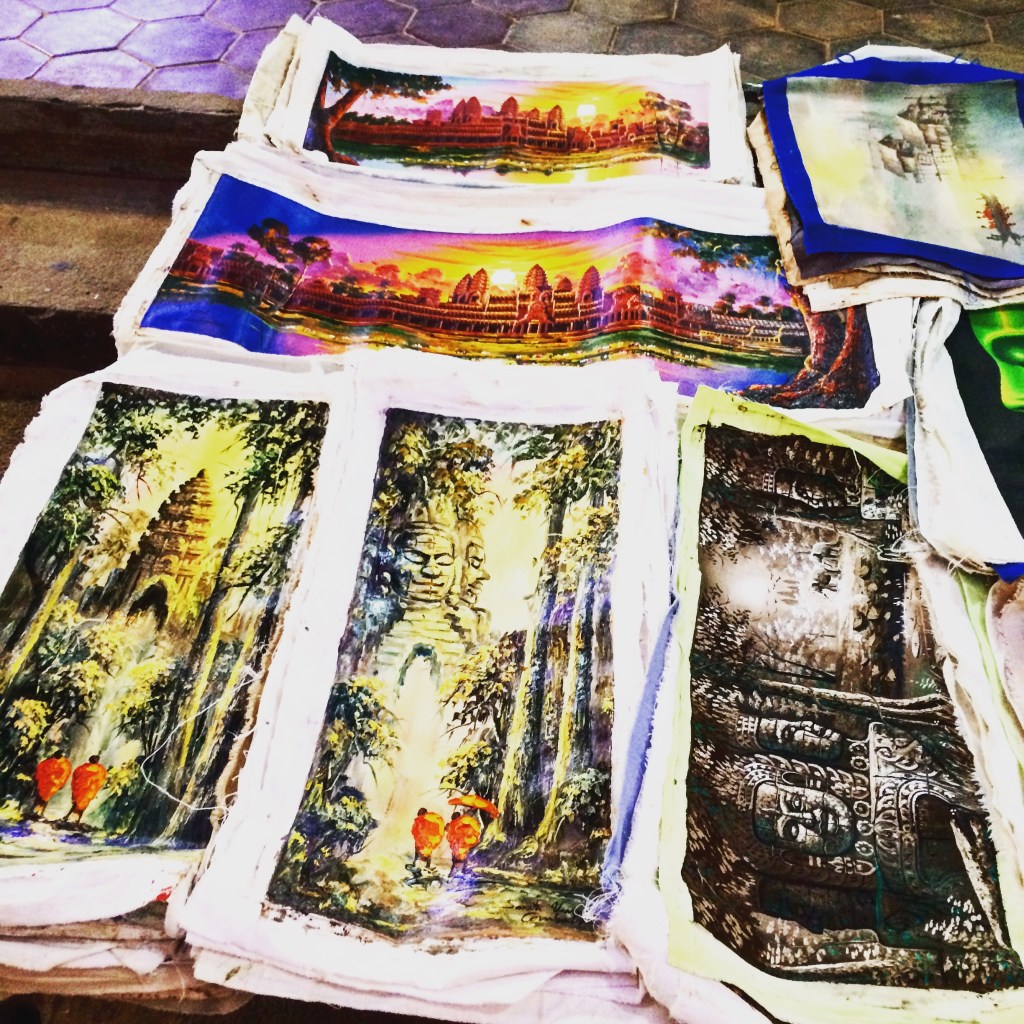
In the market, fabulous artist sling paint onto empty canvases with imagery for tourists to remember their trip to Cambodia. Painting range in price based on size from $10 USD to $200 for extra large canvases.

10. Fresh Local Ingredients

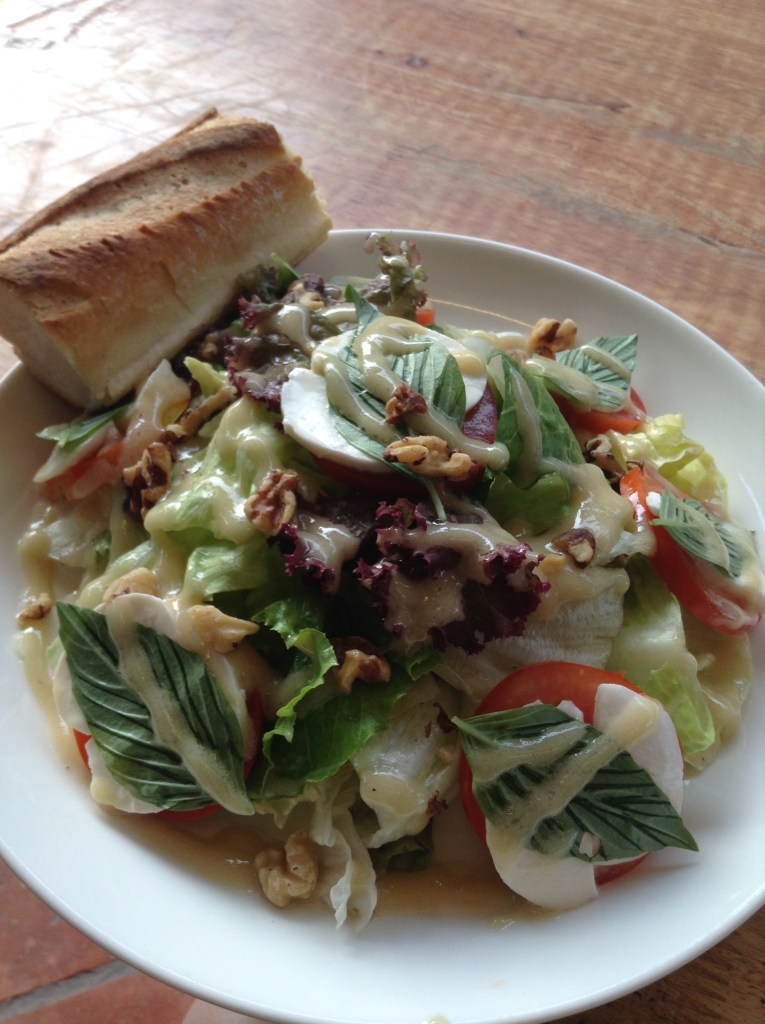
Cambodians are fantastic chefs and have adapted to foreigners tastes to offer many Westen Dishes as well as local cuisine. Try Fish Amok, or Char kroeung sach ko (stir-fried lemongrass beef) for a taste of Cambodia.

11. Colonial Architecture

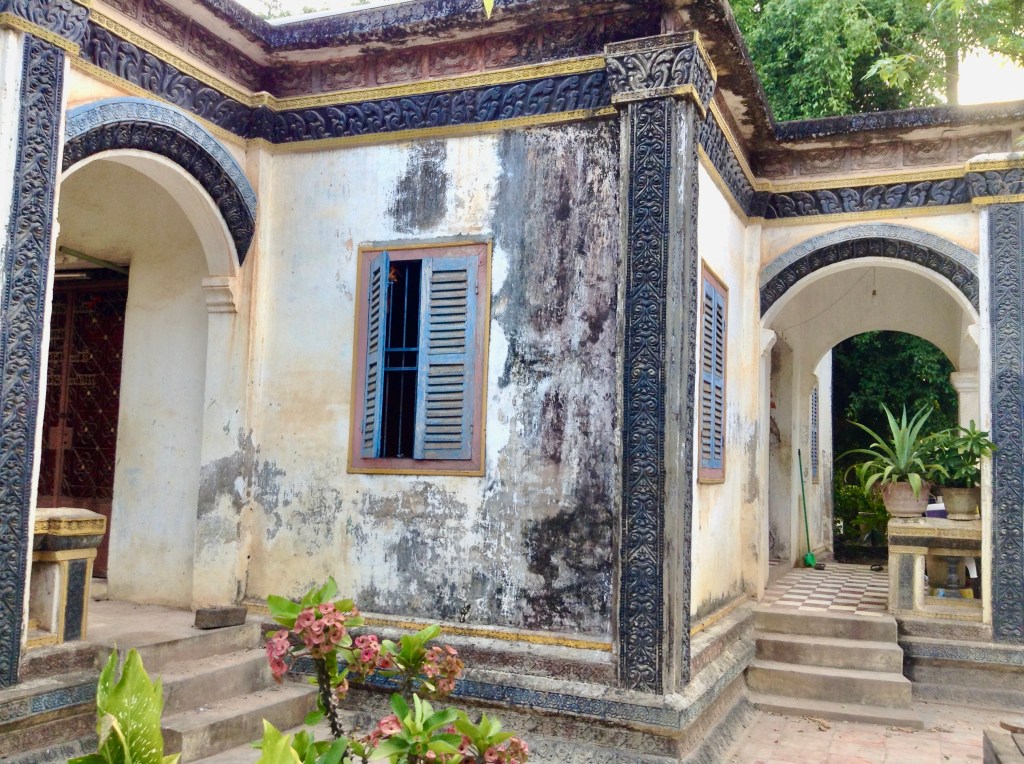
Formerly a French Colony, Cambodian history can be seen throughout town in Old French Architecture. Cambodia was occupied by the French for 90 years starting in the 1860s.

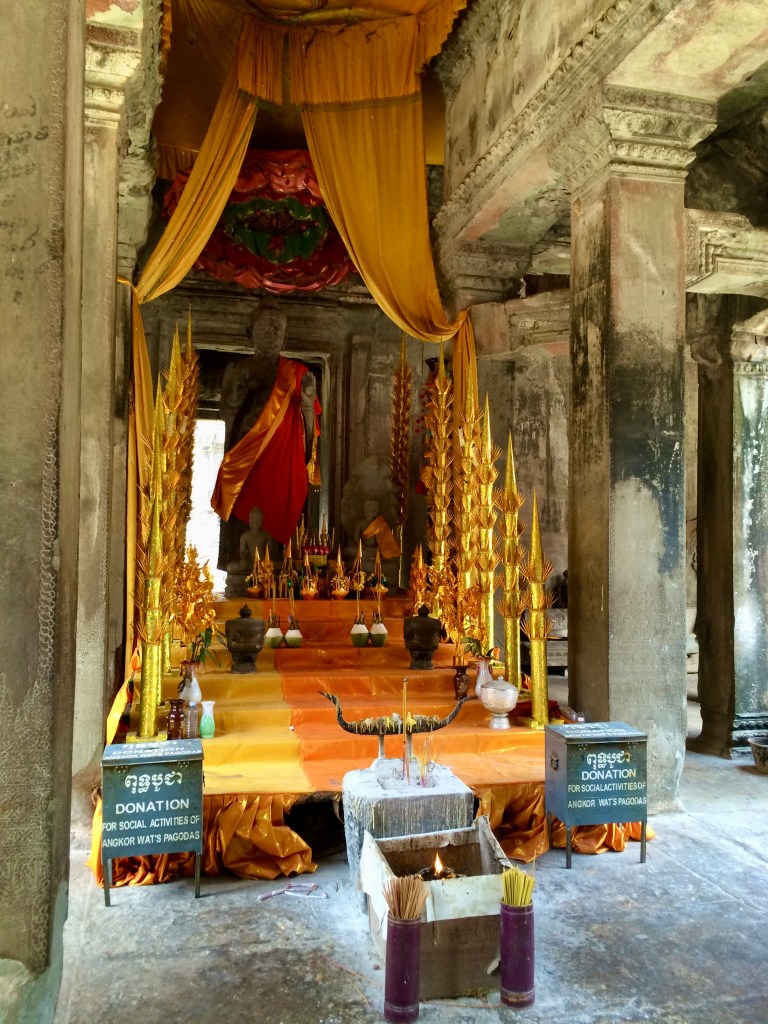
12. Vishnu

A brilliantly decorated statue of Vishnu in the Hall of a thousand buddhas in Angkor Wat. Seemingly un-notable, this statue represents why the iconic Angkor Wat was originally built in the 12th century. At first construction, it was a Hindu temple for the god Vishnu. It want until the 14th century and the conversion of the royal family to Theravada Buddhism that Buddhism became the main religion. Today the government estimates that rougly 95 percent of Cambodians are Buddhist.

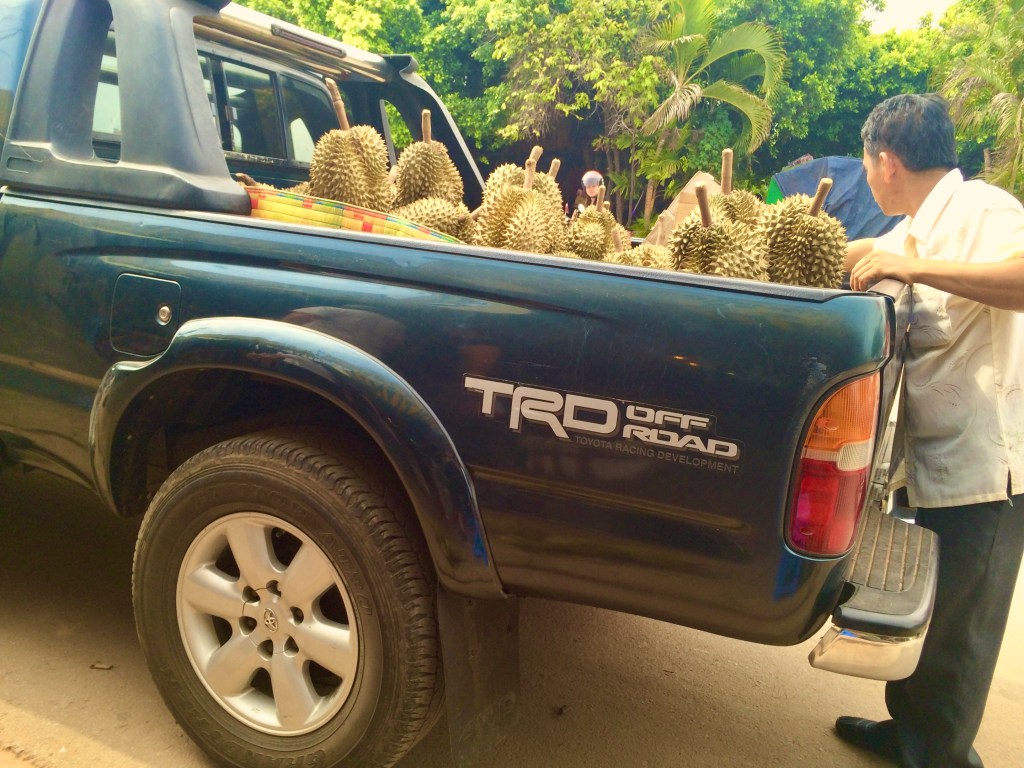
13. Durian

Most LOVE it or HATE it. Known throughout Asia as the stinkiest delicacy, its actually banned from being eaten in most hotels due to its fragrance. Durian product come in all forms but Durian Ice Cream is an easy palatable way to try the food in a small portion.

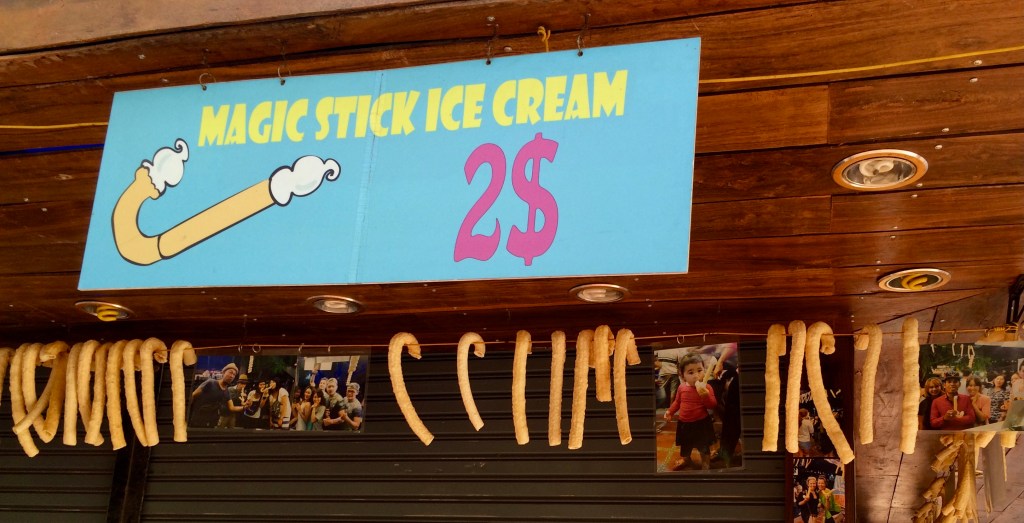
14. Magic Stick Ice Cream

An unusual and fun alternative to a cone. The magic stick allows cone-noisseurs to try 2 scoops in a fun umbrella shaped stick.

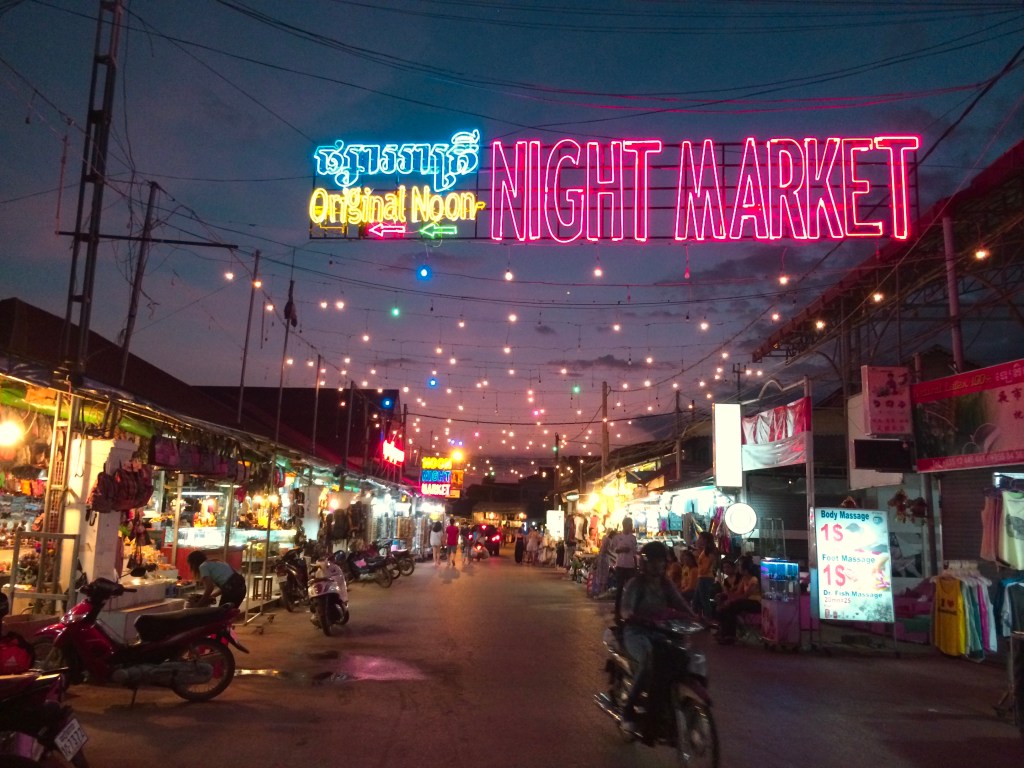
15. Night Market

Found on Sivatha Boulevard, the night marked is a meandering collection of stalls selling ever souvenir imaginable.

Keep Travel Funky.