Hidden in plain-sight:
Funky Fact: The meaning behind the word pomegranate actually means apple with many seeds.
Author and Editor: Gabriella Grace
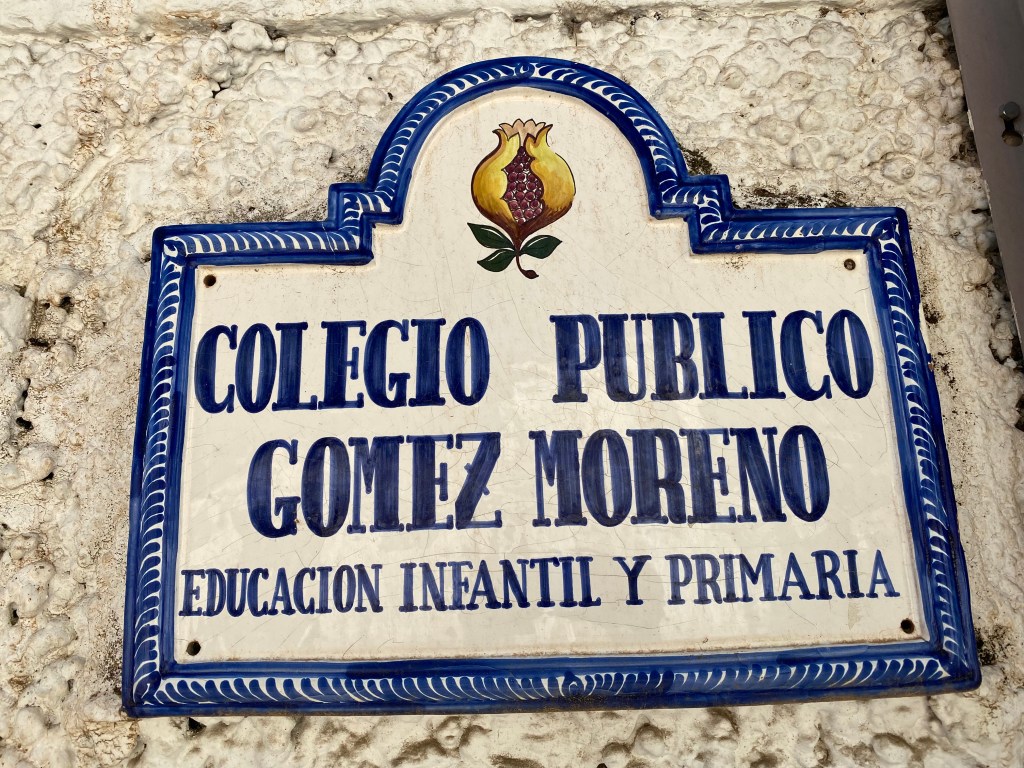
The city of Grenada, Spain has a long history with pomegranates, with the fruit having been cultivated in the region for centuries. And is the name sake of the city, the word Granada translates to pomegranate in Spanish. The pomegranate is an important symbol in Grenada and is featured prominently in many of the city’s artistic traditions.
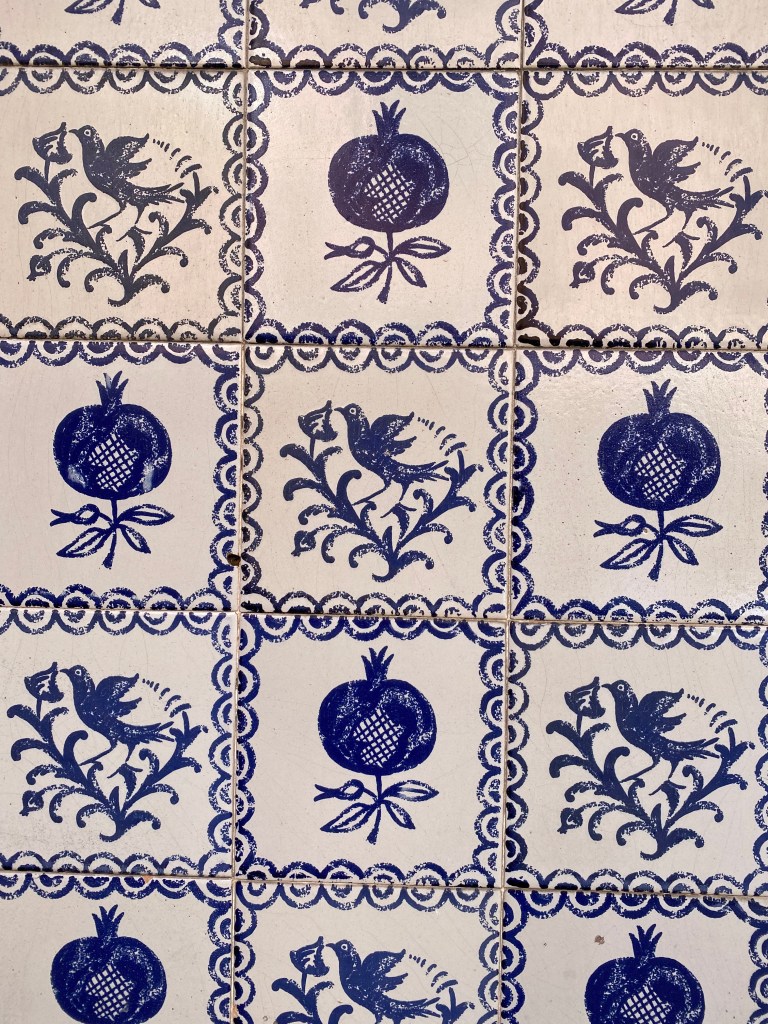
King Ferdinand and Queen Isabella chose the fruit as a symbol of their final victory over the Moors of Al-Andalus, which took place in Granada. Since then, the pomegranate has remained part the country’s identity and can even bee seen on the Spanish flag today.

Grenada was conquered by the Moors in the 8th century, and it is believed that the pomegranate was introduced to the region by these Arab invaders. The fruit was highly prized for its medicinal properties and was used to treat a wide range of ailments. It was also used as a symbol of prosperity and fertility, and it was often depicted in art and literature as a symbol of abundance and prosperity.

As the city of Grenada grew and developed over the centuries, the pomegranate became an integral part of its culture and identity. The fruit was featured prominently in local cuisine, with dishes such as pomegranate-stuffed lamb and pomegranate-infused pastries becoming popular. Pomegranate groves could be found throughout the region, and the fruit was an important part of the local economy.
A fun time of year to visit Grenada is during pomegranate harvest. Pomegranate season is at its peak in late fall and throughout winter, usually from the months of September to November. Many shop and local will se up temporary stalls selling the fruit.

The pomegranate is still an important part of Grenada’s culture and identity. Pomegranates are also featured in many of the city’s cultural and artistic traditions, including in its architecture, art, and literature.
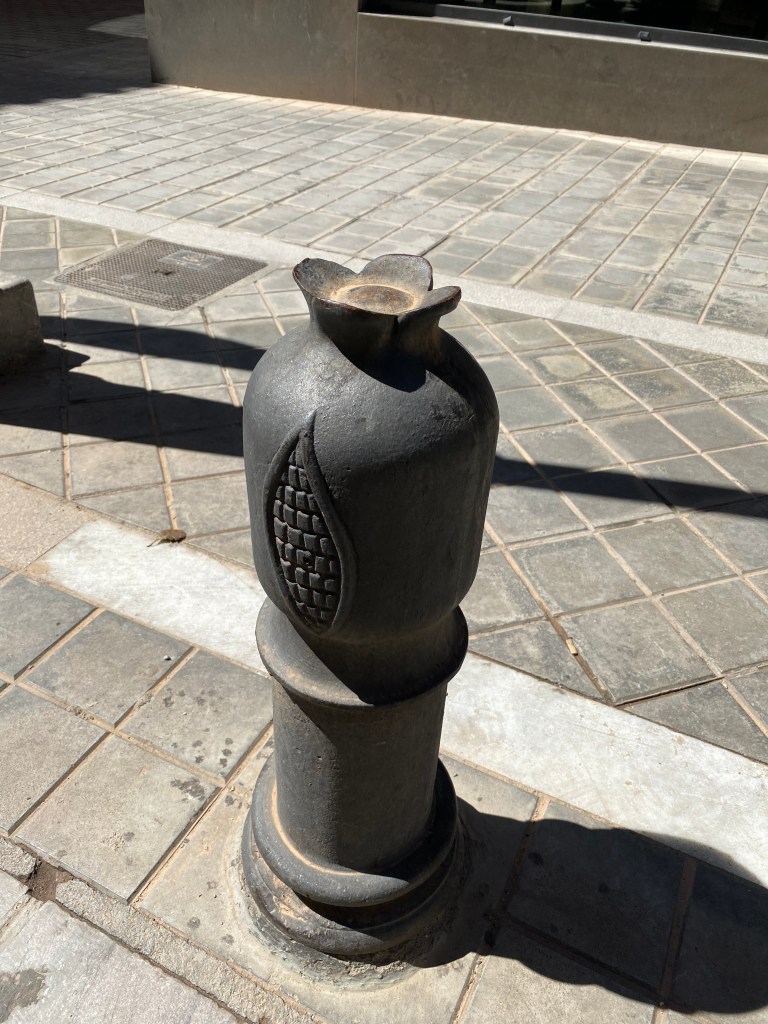
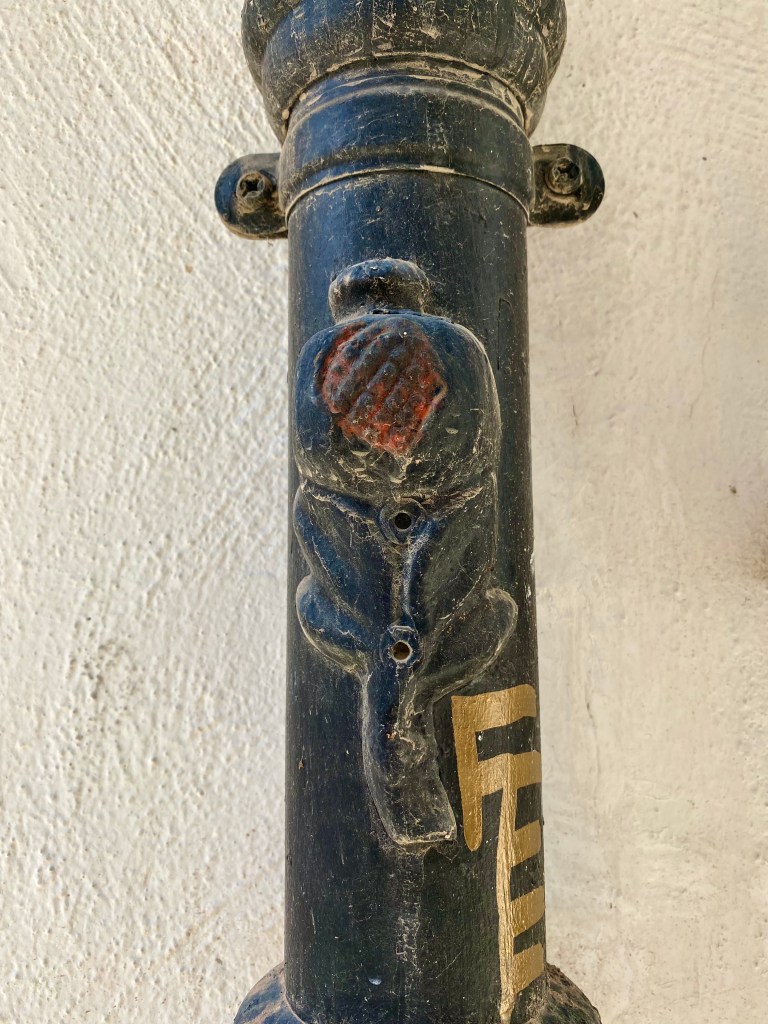
While walking through Granada the sharp eyes tourist can spot hundred of artistic references to the fruit in mosaics, carvings, reliefs and tiny hidden art pieces around the city.

Keep Travel Funky.
 jet lag journaling