
Rome:
Funky Fact: The city of Rome has more fountains than any other city on the earth.
Author and Editor: Gabriella Grace
Top sites and must-see places in beautiful and historic Rome, Italy. The perfect bucket list for your next trip with Instagram spots and historic facts.
1. Trevi Fountain
2. Colosseum
3. The Globe Theater
4. Fish Tradition
5. Pinocchio
6. Churches of Rome and Chiesa Parrocchiale di San Giovanni Battista
7. Castel Sant’Angelo
8. Fountains
9. Pantheon
10. Ruins of the Roman Aqueducts
11. Orologio ad acqua del Pincio (The Water Clock)
12. Marcus Aurelius Column
13. St. Peter
14. Roman Ruins of the thermal baths of Agripp
15. Night Buskers
16. Spanish Steps
17. Temple of Aesculapius
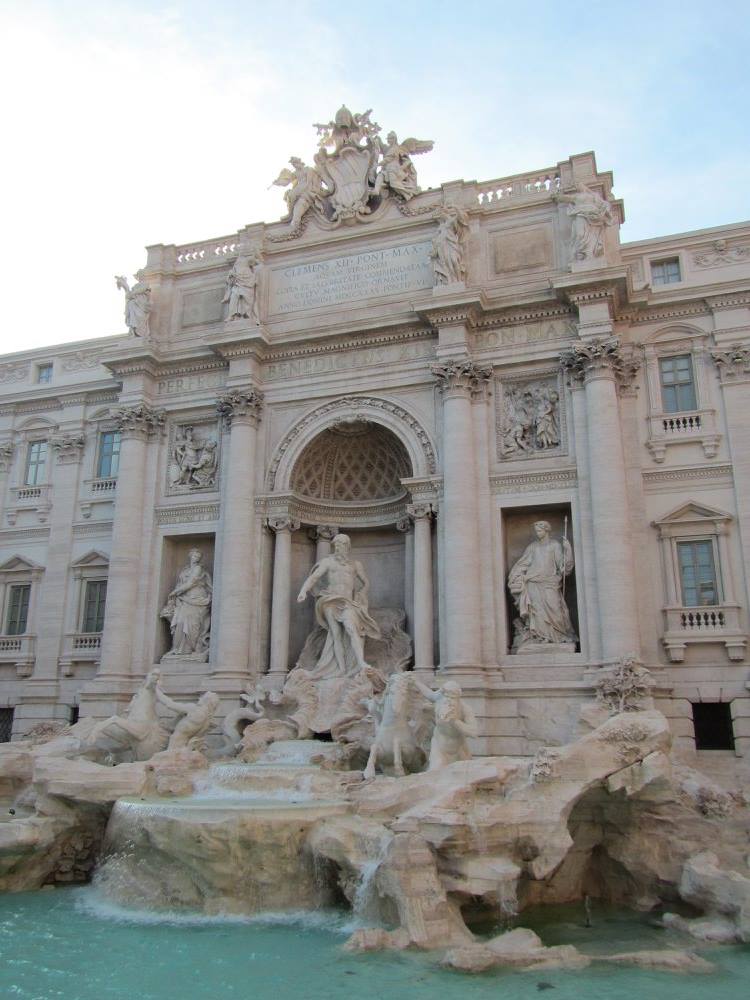
1. Trevi Fountain
Arguably the most famous fountain in the world and one of Romes oldest watering holes, it dates back to 19 B.C. This stunning fountain and sculptural piece depicts nature in the changing tides of the sea. Nepture stands watch in the center while two statues in the niches represent Abundance (left) and Health (right). This masterpiece is surprisingly utilitarian and was used as potable water by way of an aqueduct. It still receives water via an aqueduct today.

2. Colosseum
Colosseum was built as part of an imperial effort to revitalize Rome after a difficult string of emperors. It was a venue for visitors view entertainment, watch gladiator fights, animal hunts, and reinact battles. Its over 1,900 years old and is the world’s largest amphitheater part of the structure are also underground. Make sure to stop by in the early morning for a peaceful and unobstructed facade view of one of the New 7 Wonders of the World.
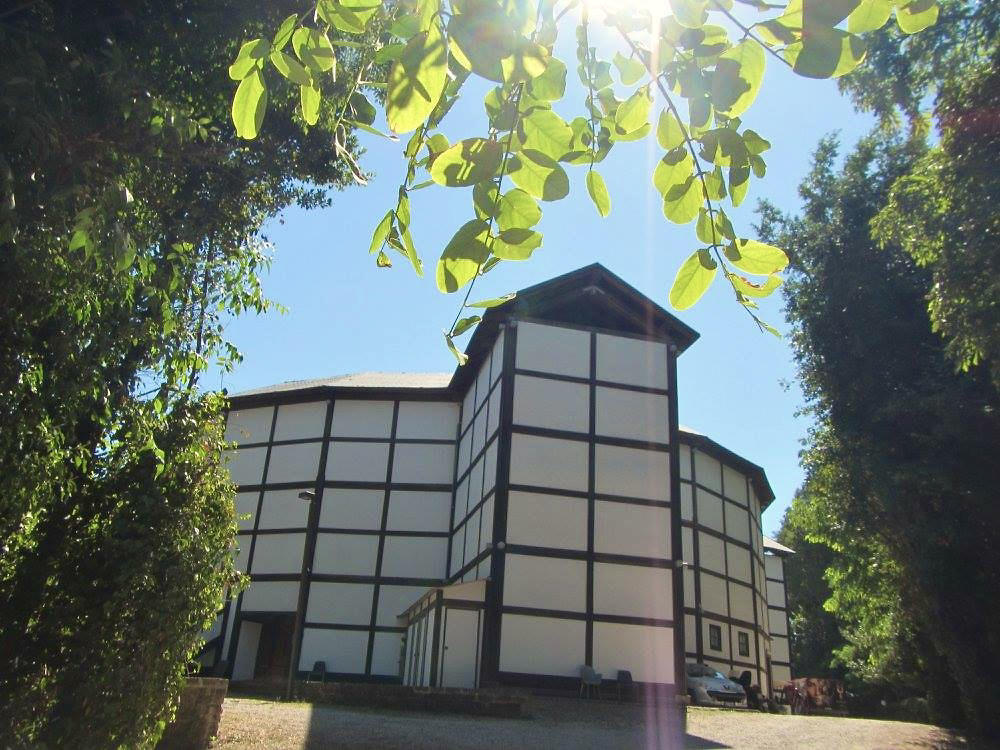
3. The Globe Theater
This stunning Elizabethan replica of Shakespeare’s Globe Theatre in England, is located at Largo Aqua Felix inside Villa Borghese. During three month of the Summer, the venue hosts an annual Shakespeare festival. The festival reenacts live plays of Shakespeare translated into Italian.
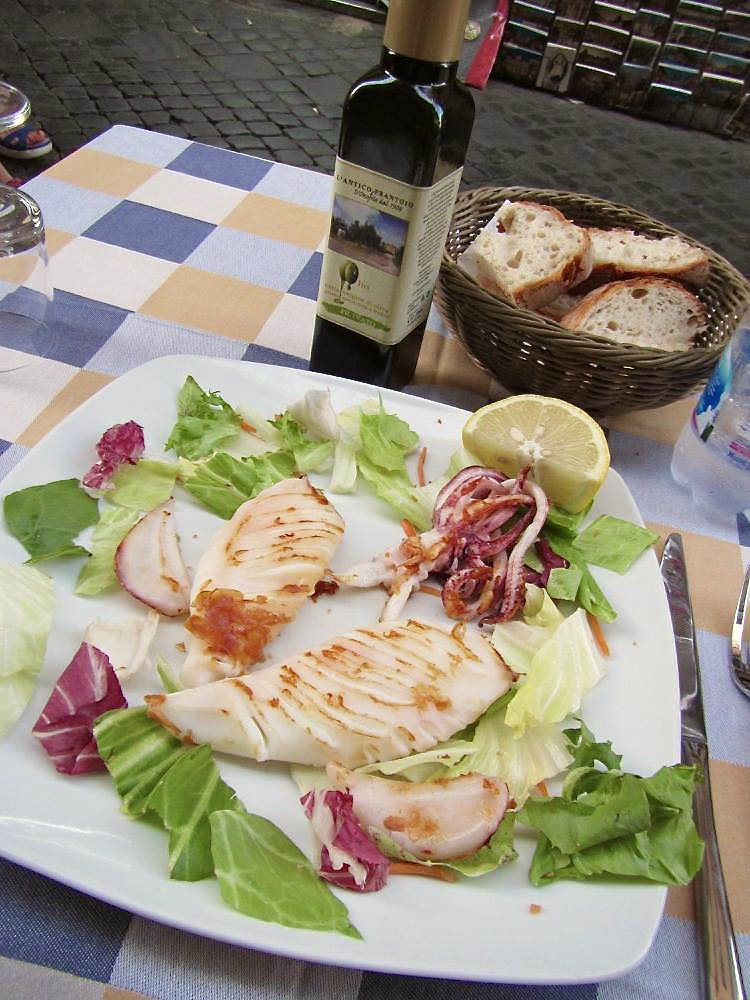
4. Fish and Seafood
Fish and seafood have been a staple in Roe since ancient ties. It was common for people to catch both saltwater and freshwater fish and salt them to extend their shelf-live. An interesting tradition among ancient romans was to create aquaponic oyster and fish farms. They created Assyrian vivarium, which were pools that held fish, crustaceans and oysters alive until mealtime. Fish and seafood is still a staple in the Roman Mediterranean diet today and seafood can be found on almost every menu in the city.
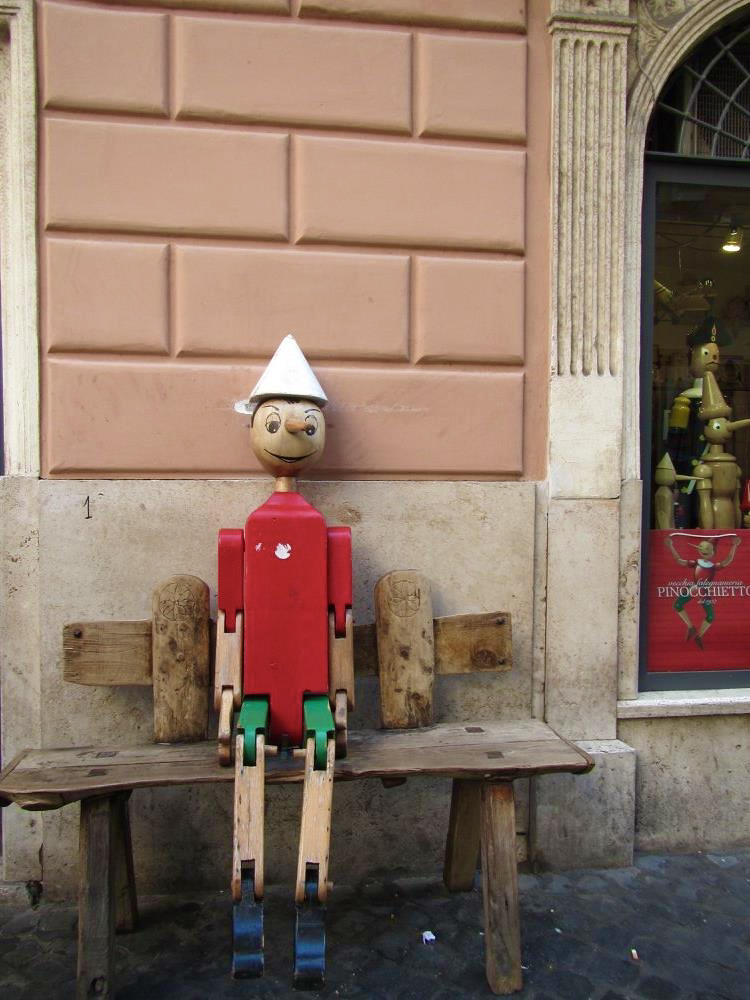
5. Pinocchio
A famous character resides in a toy store in Rome. Pinocchio! The children’s tale says he was made by a woodcarver named Geppetto, who owns a shop in a small Tuscan village. Never having children of his own, he made a wooden puppet that magically turned into a real boy. In Rome, there is a shop dedicated to the beloved character: Bartolucci. This store is considered to be the largest Pinocchio maker worldwide. They pride themselves on memorialized Pinocchio with beautifully crafted toys as well as selling other beautiful trinkets.
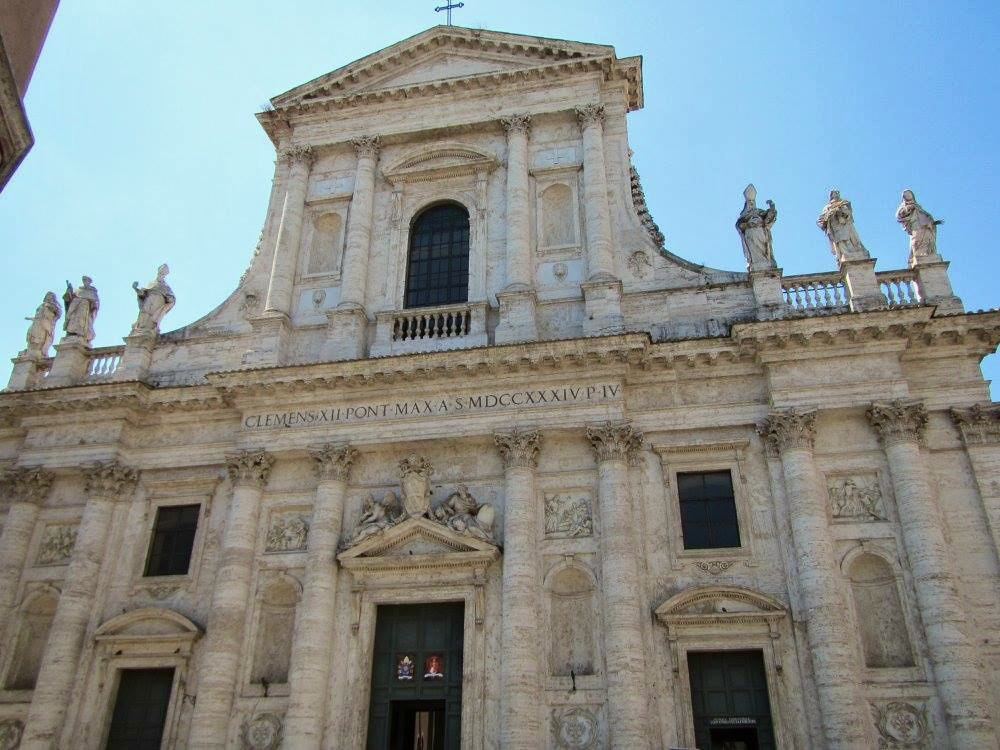
6. Churches of Rome and Chiesa Parrocchiale di San Giovanni Battista
Wandering through Rome, its hard to ignore the domination of churches and catholic religious influence. Rome is the heart of the Catholic faith and the city has over 900 churches. The entire country of Italy is estimated to have 65,000 across its vast boot. Take a peek inside any of the hundred of churches you’ll see on your roman adventure. You’ll be stunned at the beauty and care put into preservation such as this beautiful facade on Chiesa Parrocchiale di San Giovanni Battista from the 1700s.
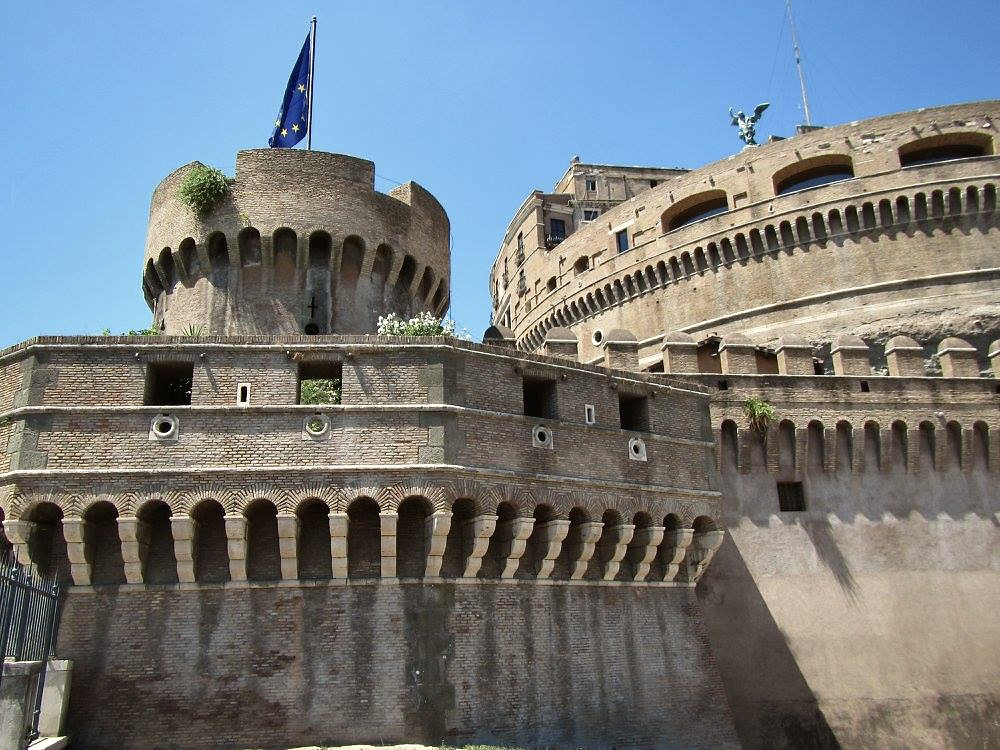
7. Castel Sant’Angelo
The Castel Sant’Angelo is the final resting place for Emperor Hadrian. It was constructed in 139 AD and is known fore serving the Papalcy as a fortress and prison throughout history. Today, visitors can enjoy the museum filled with relics, culture and art.

8. Fountains
Rome is filled with fountains, over 2,000 in fact. Rome has more fountain than any other city in the world. Originally these ancient fountains were only functional, located along the aqueducts and rivers. They were used to supply drinking water. Around 6 BC, Romans began decorating their fountains They were commonly made of bronze or stone. Creativity carried and masks, gods, heroes, and animals were portrayed in their reliefs.
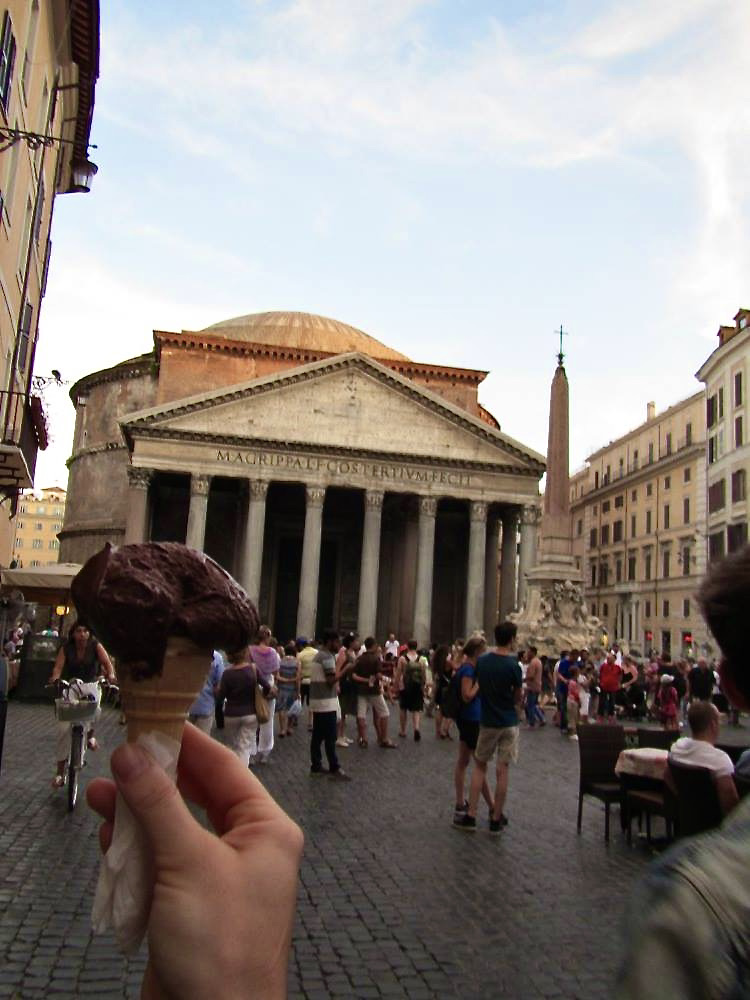
9. Pantheon
The history of the famed Pantheon is murky due to Romes long history and many revision to the buildings structure and uses. Originally, it was built between 25 and 27 BC as a temple dedicated to the twelve Pagan Gods and to the living Sovran. It burned and underwent drastic renovations by Hadrian between 118 and 125 AD. Its now used as a Church. In the ceiling of the building is a giant, 30ft wide, circular hole called the oculus. The hole provides the only source of light and is open to the elements. Rainwater inside the Pantheon is drained with a tiny slope in the floor and 22 hidden drain holes.
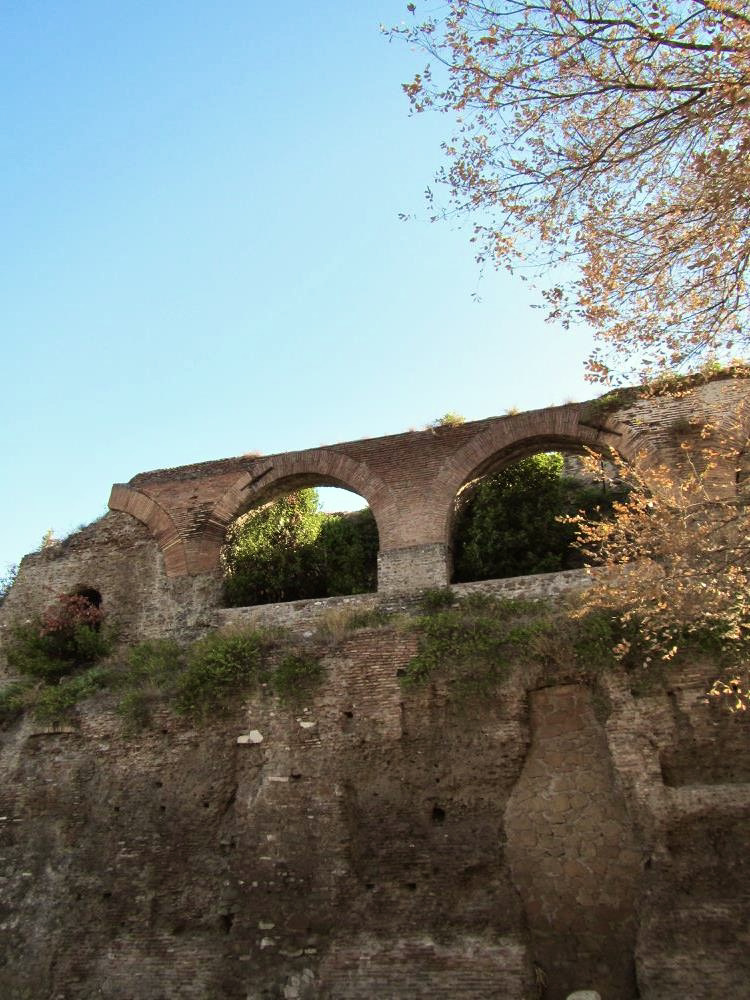
10. Ruins of the Roman Aqueducts
The introduction of Romes aqueducts changed the country and was a revolutionizing technological advancement. They can also be seen in Spain and France. bringing fresh water into the city helped the population flourish. Remains of aqueducts can be seen all ofer the city. One fantastic example is The Aqua Virgo which was built by Agrippa in 19 B.C.E. This aqueduct still functions and currently supplies water to the famous Trevi Fountain in the center of Rome.
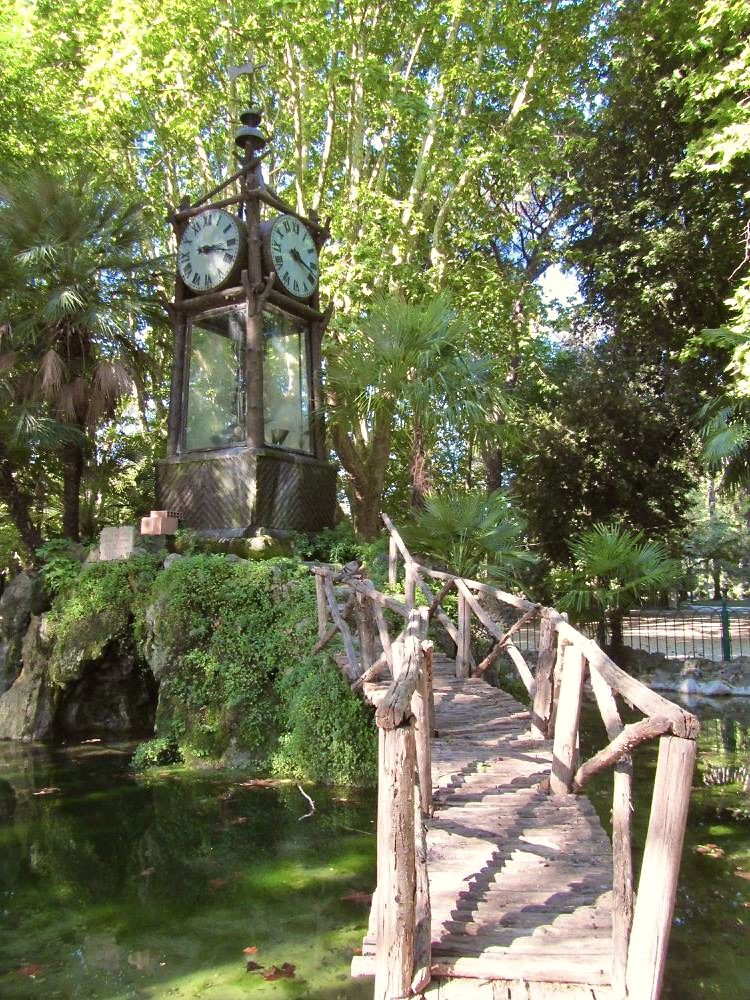
11. Orologio ad acqua del Pincio (The Water Clock)
This unusual sight is one many tourist miss. It dates back to 1867 and is a water-powered clock, inside is a water mechanism that keeps it ticking. Its located on a small island in the Borghese Gardens on the Pincio Hill. It was recently repaired and is functioning as of 2022. The curious fountain fills two containers that balance like a scale and the oscillation caused by the balancing moves the pendulum and charges the clock. One grand issue in the design is the change in temperature of the water changes the weight and balance of the water during oscillation. This challenge in design make this gem a marvel of science and precision.
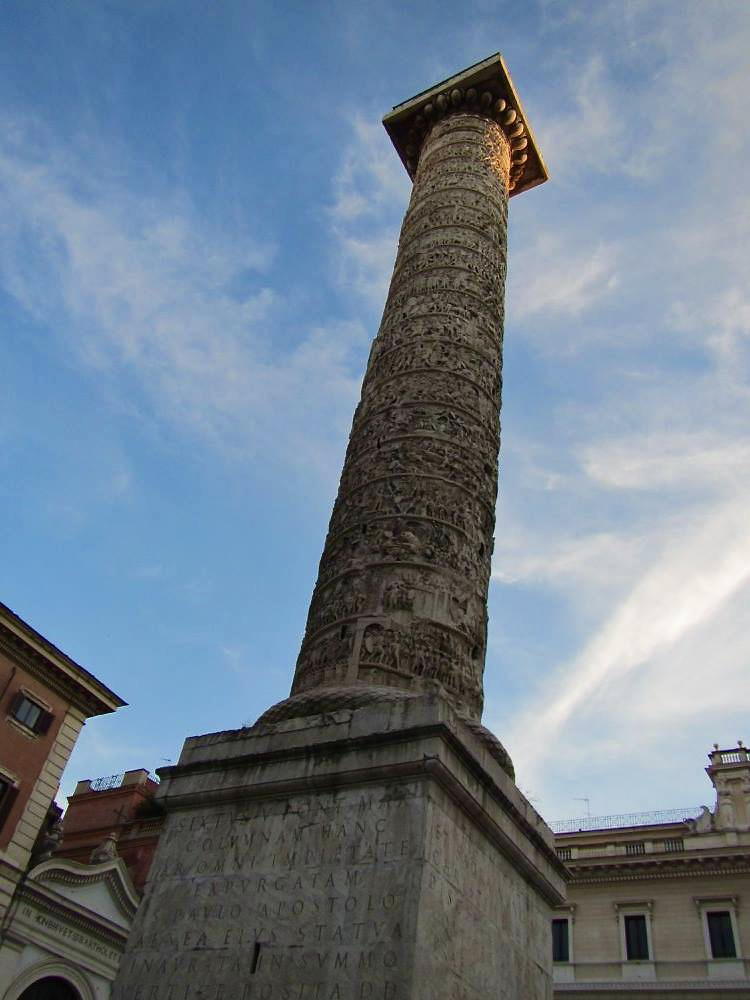
12. Marcus Aurelius Column
A stunning carved column, it was constructed in 193 AD. It commemorates a war fought by Marcus Aurelius when they attacked tribes in the north of Italy. It was one of the largest Roman war since the civil wars. The column consists of nearly 30 blocks of Carrara marble that were hollowed out and carved with 200 spiral steps. In the Middle Ages it was wildly popular for visitors to climb the tower. Today it only serves as a center of the plaza and 3 meter of the statue are actually underground.
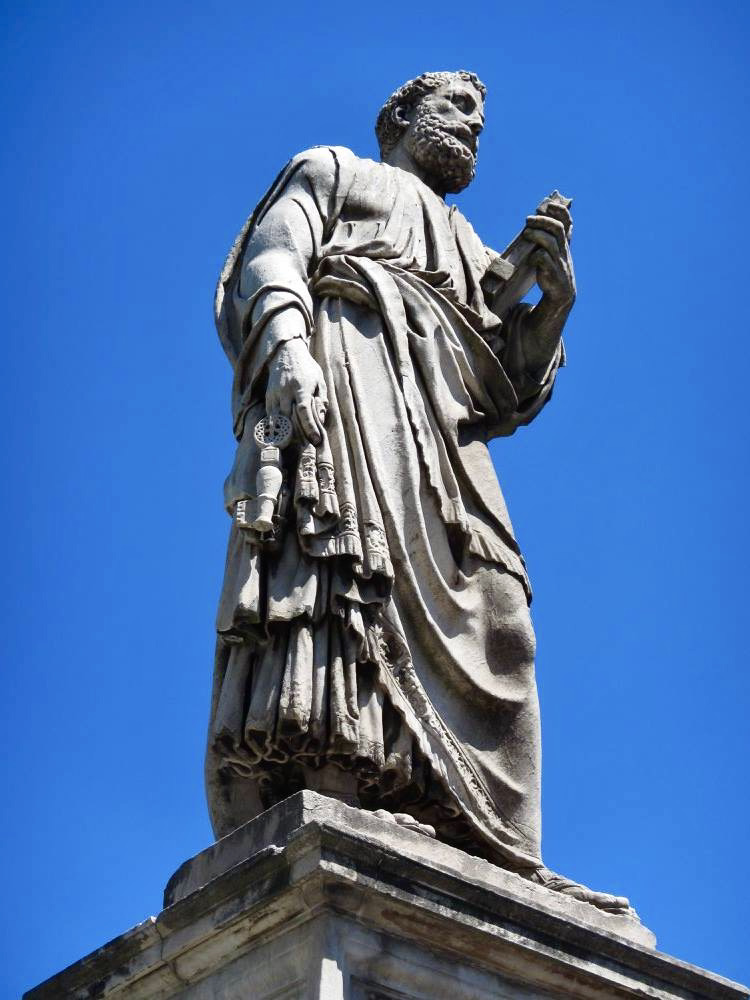
13. St. Peter
One of the most revered religious figures in Rome is St. Peter. His remain are buried in St Peter’s Basilica. He was one of Jesus’s apostles as well as the first Pope. Statues of him are all over the city and identified by the key he usually carries a set of Keys representing the keys to heaven and hell. The also represent the Churched power of absolution and excommunication.

14. Roman Ruins
Hidden all around the city are Roman Ruins. One unusually preserved example is the thermal baths of Agrippa. This monstrous pile of ugly rubble actually has a history dating back to 25 B.C. These baths were the very first of there kind as well as the first public bath. They were heated by fires deep below the building and smoke and steam would rise through chambers heating the above baths. This section of the baths cuts and arch thought what is now a residential building.

15. Night Buskers
At night the Roman city becomes even more romantic. The streets fill with hungry tourists and locals that still to the sweet serenades of buskers. They usually play 30-60 mins sets and some can even make a living playing in front of bustling eateries. In Rome musical buskers and artisans need to attain a license to entertain.
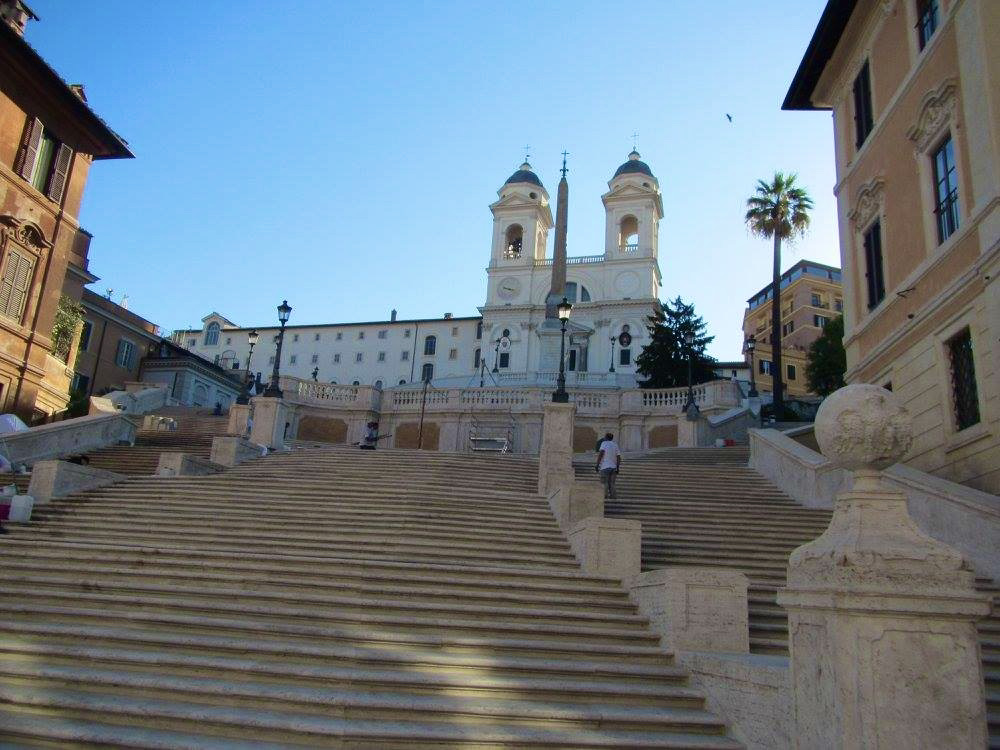
16. Spanish Steps
The confusing history to these steps traces back to 1725. They were commissioned by the French and sit at the bottom of the Spanish Embassy which was located on the square called ‘Piazza di Spagna.’ Thus came about their name. They are best seen at day break as hundreds of tourist flock here at peak hours.
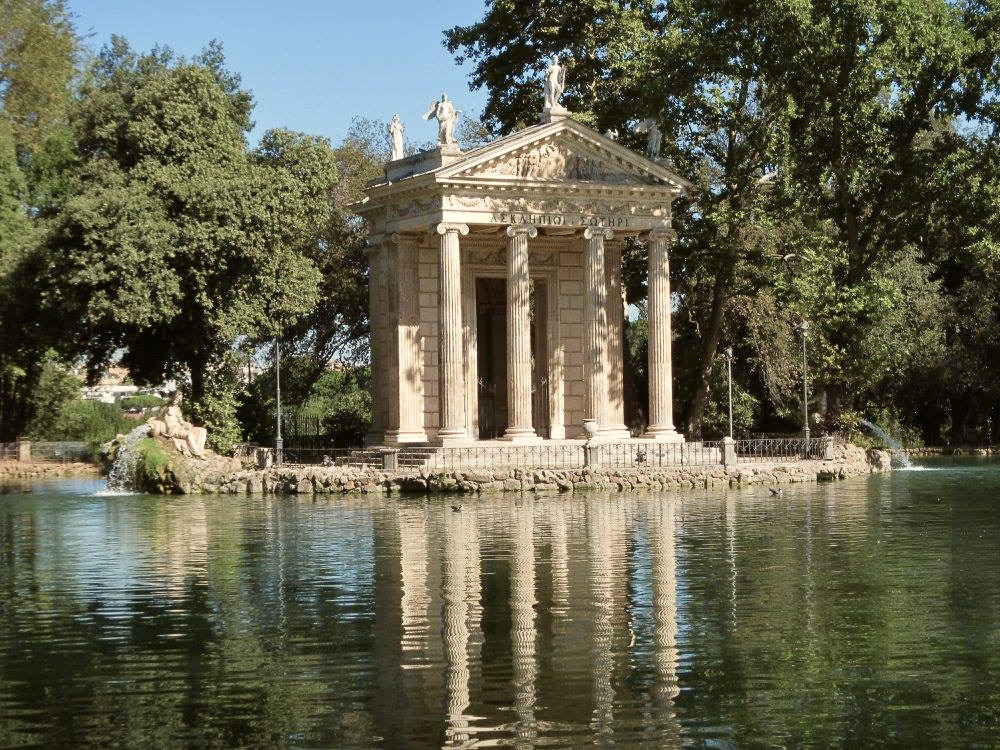
17. Temple of Aesculapius
Located in the stunning gardens of Villa Borghese. The Temple of Aesculapius was opened in 1789. It rumored to have been built in remembrance of the destroyed original. The original temple was a pilgrimage point for romans who would visit and pay homage to the god of Medicine.
Keep Travel Funky.
 jet lag journaling